2026 Awards
ACTS is delighted to announce the 53 finalists for the 2026 Green Gown Awards Australasia. This year marks a record-breaking milestone for the awards, with the highest number of submissions ever received from tertiary institutions across Australia and New Zealand. Following a rigorous judging process, outstanding finalists have been recognised across 13 categories, celebrating the innovation, leadership and collaboration from 27 institutions working to shape a more sustainable future for tertiary education.
This year’s finalists showcase the breadth of sustainability action taking place across the sector, from transformative learning and teaching, research and student engagement, to campus operations, governance, partnerships and institutional leadership. Together, they demonstrate how tertiary institutions are creating meaningful environmental, social and economic impact.
Rhiannon Boyd, CEO of ACTS, said:
“This year’s record number of submissions reflects the growing ambition and leadership across the Australasian tertiary education sector. Every finalist should be incredibly proud of their achievement. Their work demonstrates the many ways sustainability is being embedded across institutions to create lasting impact for students, staff, communities and the environment.
As ACTS celebrates its 20th year, it’s especially rewarding to recognise the people, projects and partnerships driving positive change across our sector. We look forward to celebrating with all of our finalists and recognising their outstanding achievements on the Gold Coast.”
The winners will be announced at the Green Gown Awards Australasia Gala Dinner on Thursday 29 October 2026, held as part of the 2026 ACTS Conference: The Future of Sustainability, hosted by Griffith University on the Gold Coast.
Held only once every two years alongside the ACTS Conference, the Gala Dinner is a unique opportunity for sustainability professionals, institutional leaders, partners and finalists to come together and celebrate the sector’s outstanding achievements. As ACTS marks its 20th anniversary, this year’s event promises to be an especially memorable celebration of the progress our sector has made and the opportunities that lie ahead.
We’ll be sharing more about our inspiring finalists in the lead up to the Gala Dinner, including our annual Finalist Showcase Week in August, where each finalist and their outstanding sustainability initiatives will be featured. Stay tuned as we celebrate the people, projects and partnerships driving positive change across the Australasian tertiary education sector.
2026 FINALISTS
- All
- 2022: Benefitting Society
- 2022: Creating Impact
- 2022: Next Generation Learning and Skills
- 2022: Powerful Partnerships
- 2022: Research with Impact – Student
- 2022: Student Engagement
- 2022: Sustainability Champion – Staff
- 2022: Sustainability Champion – Student
- 2026
- ACTS Staff
- ACTS Student
- Benefitting Society
- Benefitting Society
- Benefitting Society
- Benefitting Society
- Building Back Better
- Climate Action
- Climate Action
- Climate Action
- Climate Action
- Creating Impact
- Creating Impact
- Creating Impact
- Creating Impact
- Creating Impact
- Digital Futures
- Diversity Equity & Inclusion
- Diversity, Equity & Inclusion
- Diversity, Equity & Inclusion in Sustainability
- Diversity, Equity and Inclusion
- Highly Commended
- Leading the Circular Economy
- Leading the Circular Economy
- Leading the Circular Economy
- Nature Positive
- Nature Positive
- Nature Positive
- Next Generation Learning & Skills
- Next Generation Learning & Skills
- Next Generation Learning & Skills
- Next Generation Learning & Skills
- Next Generation Learning and Skills
- Powerful Partnerships
- Powerful Partnerships
- Staff Champion
- Staff Champion
- Staff Champion
- Student Champion
- Student Champion
- Student Champion
- Student Engagement
- Student Engagement
- Student Engagement
- Student Engagement
- Student Engagement
- Sustainability Champion – Staff
- Sustainability Champion – Student
- Sustainability Institution of the Year
- Sustainability Institution of the Year
- Sustainability Institution of the Year
- Sustainability Institution of the Year
- Sustainability Institution of the Year
- Sustainability Leadership
- Sustainability Leadership
- Sustainability Leadership
- Winners
- Winners
Benefitting Society
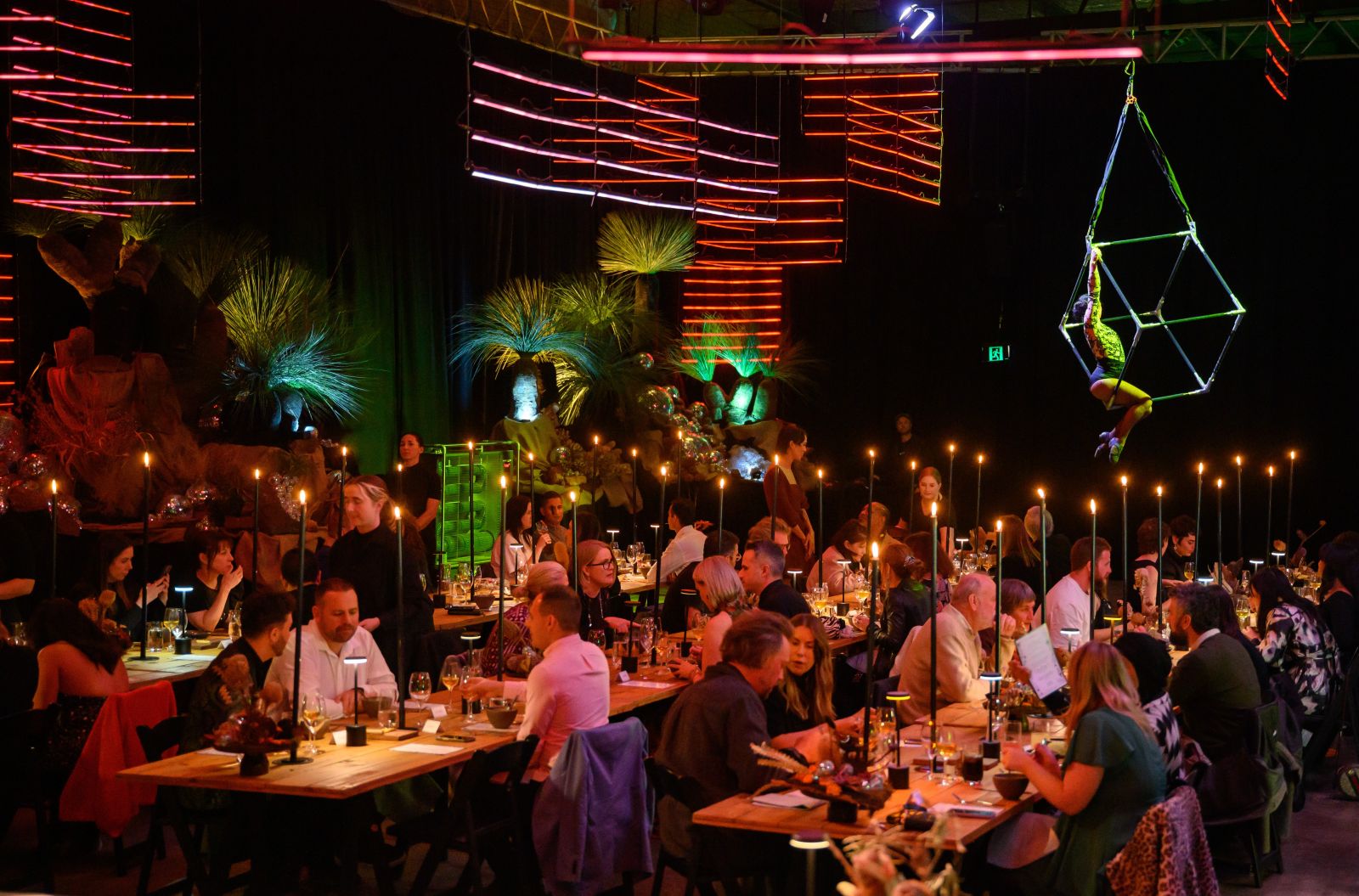
Griffith University
Performance and Ecology Research Lab (P+ERL): Advancing Climate Care in the Performing Arts
Griffith University’s Performance and Ecology Research Lab (P+ERL) is advancing climate care in the performing arts by addressing a critical knowledge gap in how the Australian sector responds to ecological crisis. Through research, collaboration and eco-creative practice, P+ERL supports artists, organisations, educators and cultural institutions to rethink how performance is made, programmed, taught and shared.
Working across national and international partnerships, P+ERL combines bottom-up industry collaboration with top-down policy influence. Its work includes the ARC Linkage project Culture for Climate, eco-literacy and eco-creativity workshops, curriculum development, community-engaged performance projects, and a formal contribution to the National Cultural Policy supported by major industry organisations.
By positioning the performing arts as a powerful vehicle for climate literacy, public reflection and cultural change, P+ERL is helping the sector move beyond resource-intensive production models toward sustainable practice, ecological stewardship and creative climate leadership.
Benefitting Society
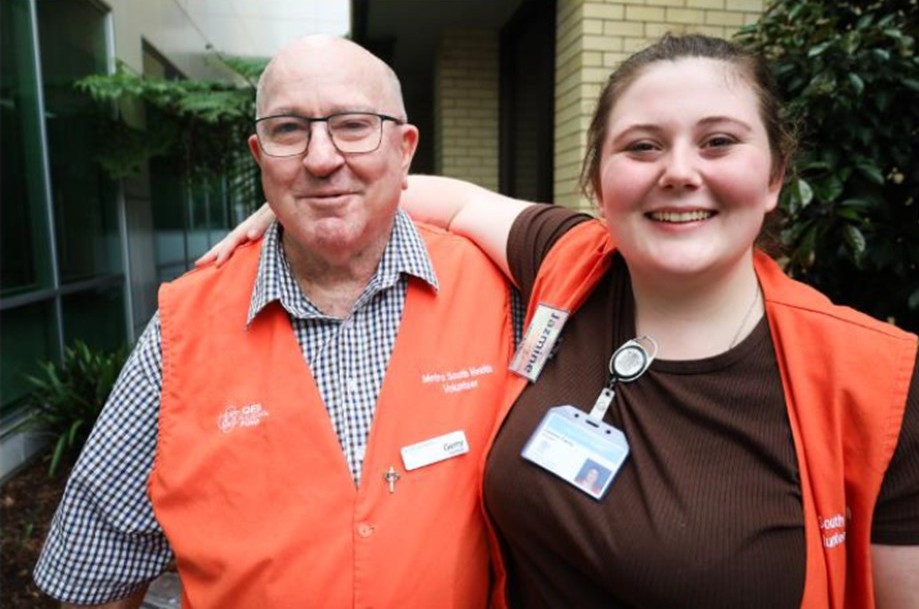
Griffith University
Making it Matter: Driving Social Impact Through Community Internships and SDG Partnerships
Griffith University’s ‘Making it Matter’ initiative uses the Community Internship and Partnerships for SDGs course to connect student learning with real-world social and environmental impact. The curriculum-embedded Work Integrated Learning model combines service-learning, community engagement and sustainability education, enabling students to contribute their skills to not-for-profit, public sector and social impact organisations.
Using the United Nations SDGs as the organising framework, students apply disciplinary knowledge to projects addressing issues such as food security, disability inclusion, mental health, homelessness, refugee and migrant support and environmental advocacy. The course transforms internships from workplace exposure into purpose-driven opportunities for meaningful social contribution. By strengthening organisational capacity, expanding equitable access to employability opportunities and building socially responsible graduates, the initiative delivers measurable benefits for students, partners and the communities they serve.
Benefitting Society
Macquarie University
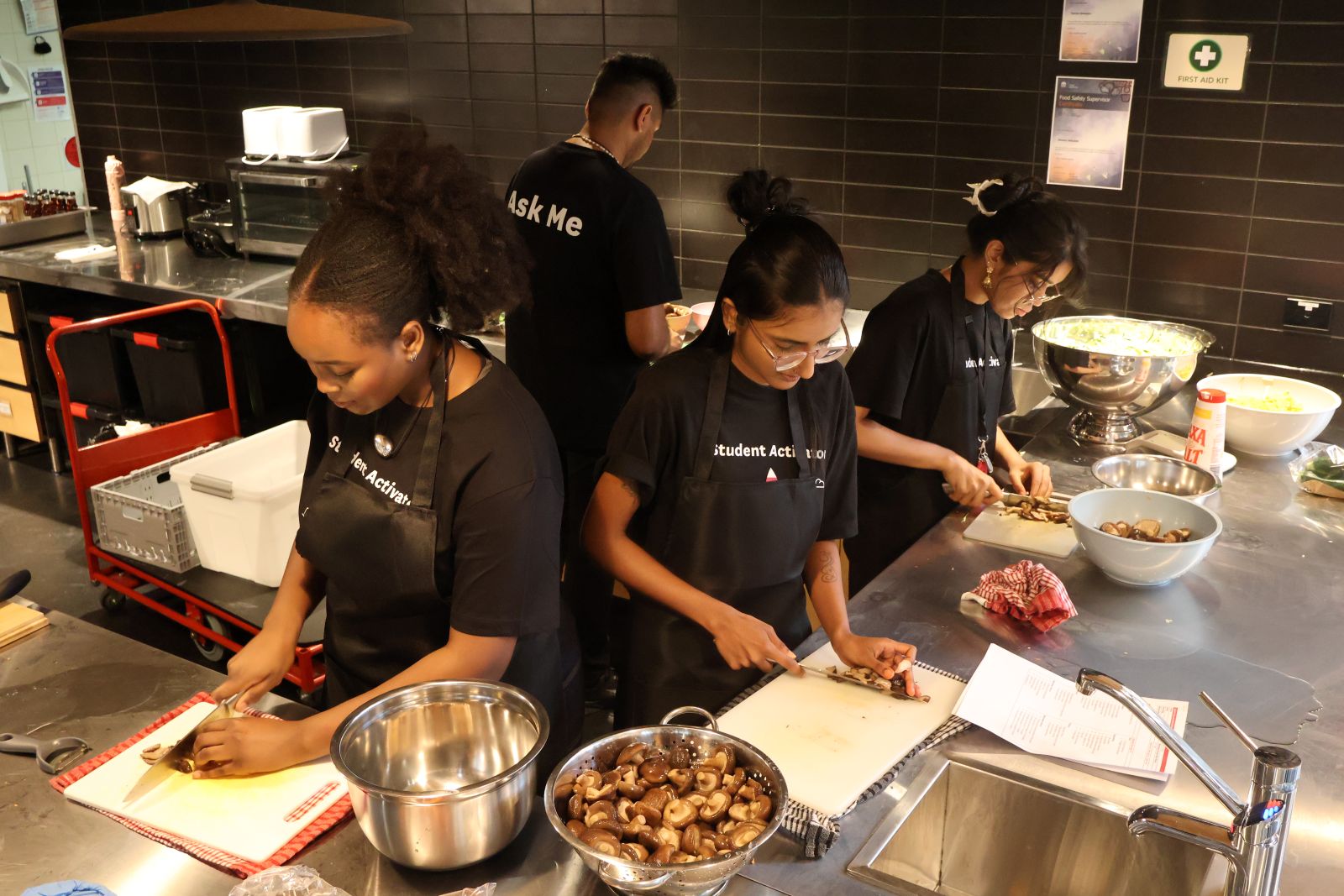
Macquarie University Food Hub: Nourishing Students, Reducing Waste, Building Community
Macquarie University’s Food Hub is a holistic, student-focused initiative addressing rising food insecurity through free and low-cost food access, food literacy, and sustainable food redistribution. The program has evolved from a small breakfast service into a centralised hub offering grocery pick-ups, breakfast and lunch support, cooking workshops, exam-period dinners, Christmas hampers and seasonal support.
By combining immediate food relief with cooking skills, nutrition literacy, community connection and food waste reduction, the Macquarie University Food Hub demonstrates a scalable model for supporting student wellbeing while building more sustainable and resilient food systems.
Benefitting Society
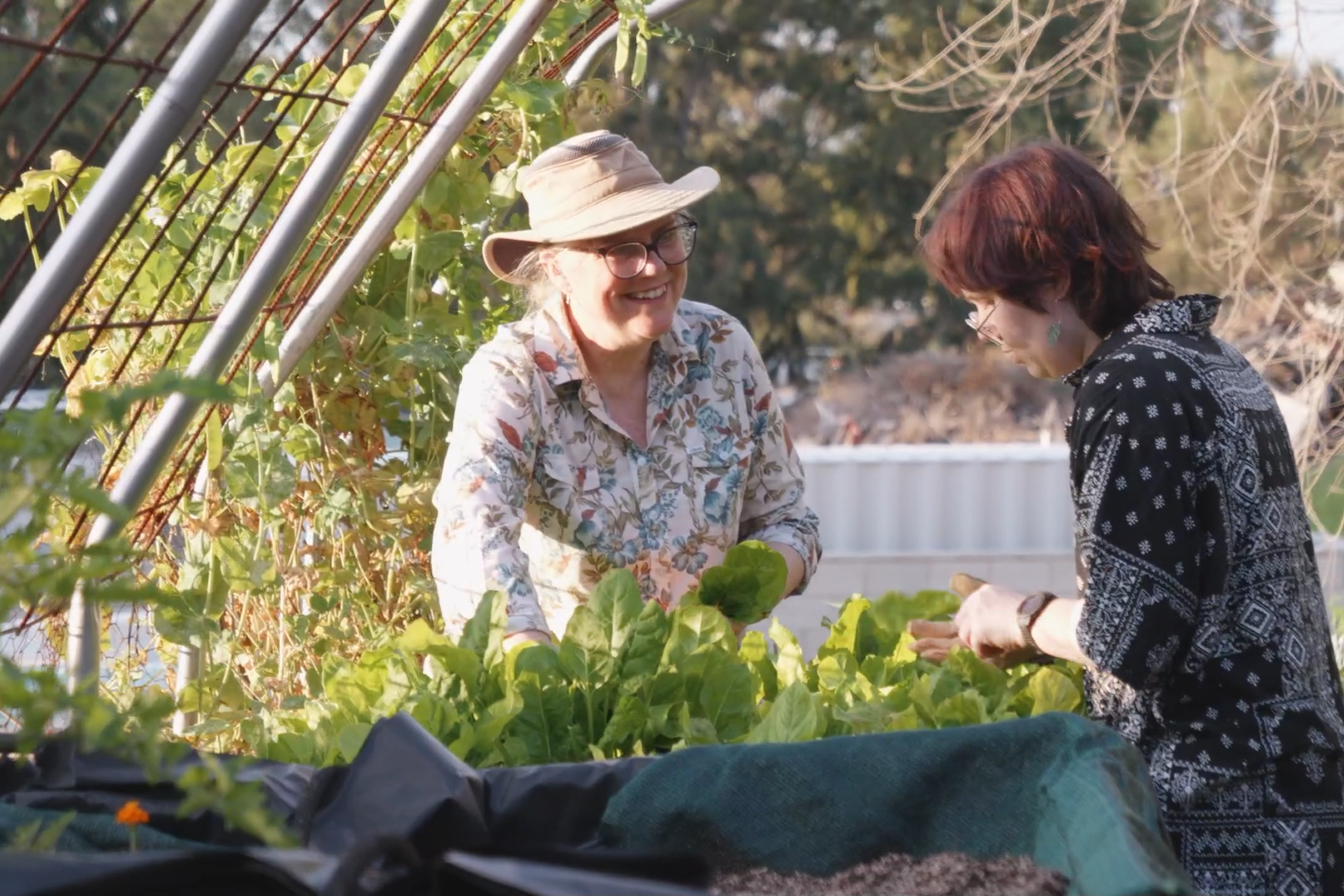
Murdoch University
Connecting children in hospital with nature: eight integrated initiatives
Murdoch University’s ‘Connecting Children in Hospital with Nature’ initiative reconnects children undergoing cancer treatment with the natural environment through accessible, nature-based educational resources focused on native Western Australian plants and ecosystems. Led by Dr Janene Sproul, the project responds to the reality that children in oncology care often spend long periods in highly controlled clinical environments where access to plants, gardens and natural elements is restricted.
The initiative brings together eight interconnected projects, including the Taxonomy Tournament, Nature Cuddlebooks, Forever Flowering Gardens, decodable readers, digital ecosystem games, community garden learning and dieback action programs. These resources are designed for use across hospital, school, home and community settings, supporting wellbeing, learning continuity and ecological literacy.
Benefitting Society
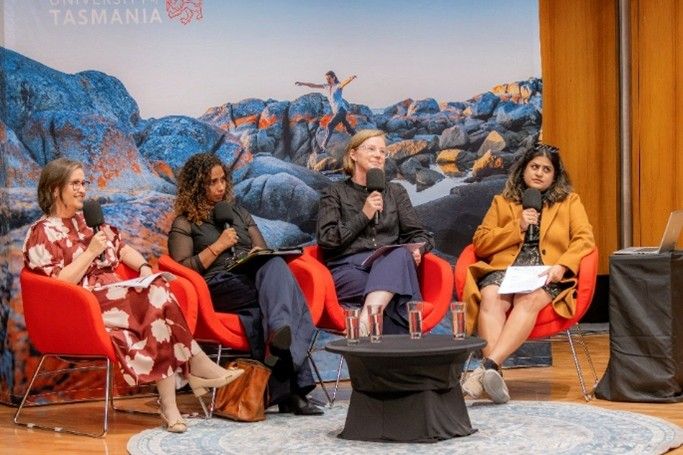
University of Tasmania
Island of Ideas – engaging society for informed change
The University of Tasmania’s Island of Ideas is a flagship public engagement initiative that translates research into accessible knowledge and fosters informed community dialogue. Guided by the Sustainable Development Goals, the program delivers free, hybrid public events that connect researchers, policymakers, industry leaders and community voices to explore complex societal challenges.
Created in 2020, the program responds to barriers such as geographic isolation, regional access constraints and limited access to expert information. Through in-person events, livestreams, recordings and podcasts, Island of Ideas has reached nearly 90,000 live and virtual participants, with 89% of attendees sharing insights within their networks.
By strengthening community capability, supporting evidence-informed discussion and enabling civic participation, Island of Ideas demonstrates how universities can act as trusted civic convenors. The program provides a scalable model for delivering measurable societal benefit through public knowledge sharing, policy dialogue, community decision-making and ongoing partnerships.
Climate Action
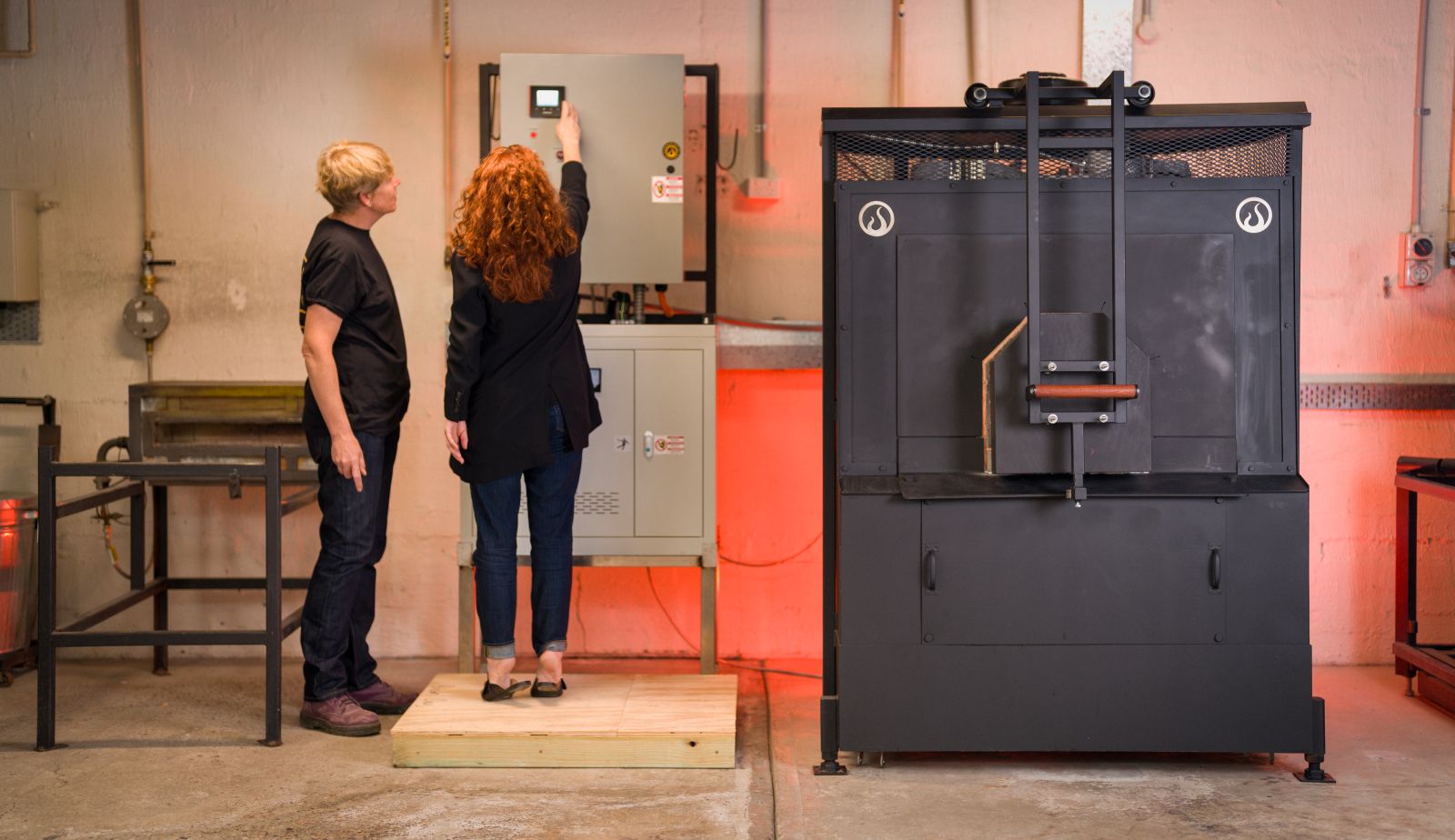
The Australian National University
Becoming Carbon Smart: A multi-dimensional transition
The Australian National University’s Carbon Smart approach is a whole-of-organisation response to climate change, empowering people to make low-emissions choices, embed carbon awareness into decision-making, and direct efforts to where impact is most significant. The program targets emissions reductions across Scopes 1, 2 and 3, supporting ANU’s ambition to reach below zero emissions by 2040 while adapting to emerging climate risks.
The multi-dimensional program combines infrastructure transformation, systems change, and behavioural and cultural engagement. This includes electrifying heating with innovative heat pump technologies, transitioning towards 100% market-based renewable electricity, improving building energy performance, transforming their travel policy, mapping value-chain emissions, expanding EV infrastructure, and creating tools and education opportunities for staff and students.
By integrating research, teaching and operations with real-world climate action, ANU’s Carbon Smart approach demonstrates how a large institution can embed climate responsibility across infrastructure, governance, culture and daily decision-making.
Climate Action
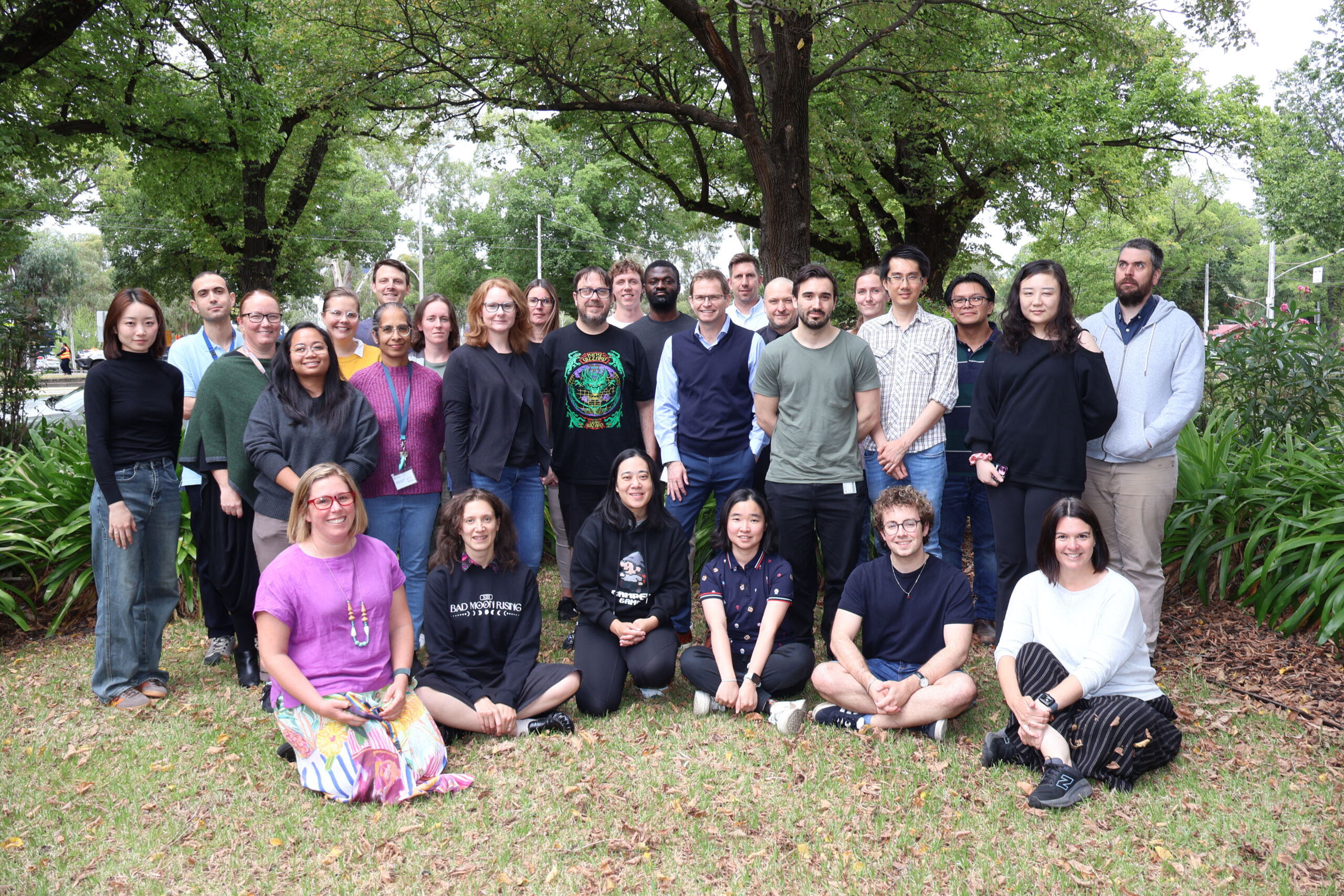
Monash University
Decarbonising Pharmaceutical Science: A Whole-of-Institute Climate Health Transformation
Monash Institute of Pharmaceutical Sciences (MIPS) is addressing the dual challenge that medicines both respond to and contribute to climate change. Through an institute-wide climate health initiative, MIPS is embedding sustainability across research, education and operations, transforming an energy-intensive research environment into a model for low-carbon innovation.
The initiative has implemented coordinated operational and behavioural change at scale, with 80% of laboratories engaged in My Green Lab certification; the highest number of participating My Green Lab laboratories and Green-level certifications nationwide.
By embedding sustainability capability through staff training, student learning and industry partnerships focused on Scope 3 emissions, the initiative is delivering measurable outcomes. It establishes a scalable, sector-leading model for sustainable pharmaceutical science.
Climate Action

Ōtākou Whakaihu Waka - University of Otago
Navigating to Net Zero: Values, Data, Action
Ōtākou Whakaihu Waka – University of Otago’s Net Carbon Zero Programme is a whole-of-institution climate action programme designed to deliver the University’s commitment to reach net zero greenhouse gas emissions by 2030.
Since its inception, the programme has been grounded not only in emissions reduction and scientific rigour, but also in a broader systems view of wellbeing guided by Indigenous knowledge and values. These principles shape both what the programme does, reducing emissions, and how it does it, through partnership, transparency and collective responsibility.
A defining feature is the adoption of a wayfinding approach, inspired by Pacific navigation traditions. This enables adaptive, evidence-based decision-making, supported by staff and student engagement and continuous reassessment of progress in challenging and uncertain times.
Climate Action
University of Technology Sydney
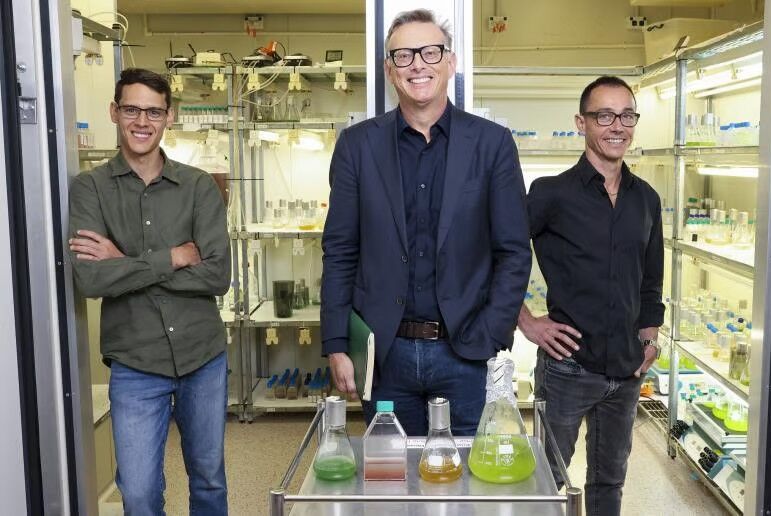
UTS towards Climate Positive
The University of Technology Sydney recognises climate change as one of the greatest existential threats facing the world and was the first Australian university to sign a Climate Emergency Declaration in 2019. Through UTS towards Climate Positive, the University is applying a whole-of-institution approach to decarbonise as rapidly as possible, achieve net zero and become climate positive by 2029.
The Climate Positive Plan provides the framework for action across education, research, operations and engagement. This includes energy efficiency, renewables, electrification, embodied carbon, circular economy and offsets for residual emissions, supported by strong governance, transparent reporting and executive-level commitment.
Over the past two decades, UTS has made significant progress because of their plan and by embedding sustainability and climate action across curriculum, research, campus operations and partnerships, UTS is building institutional capability and supporting broader climate leadership beyond the University.
Sustainability Leadership
University of Technology Sydney
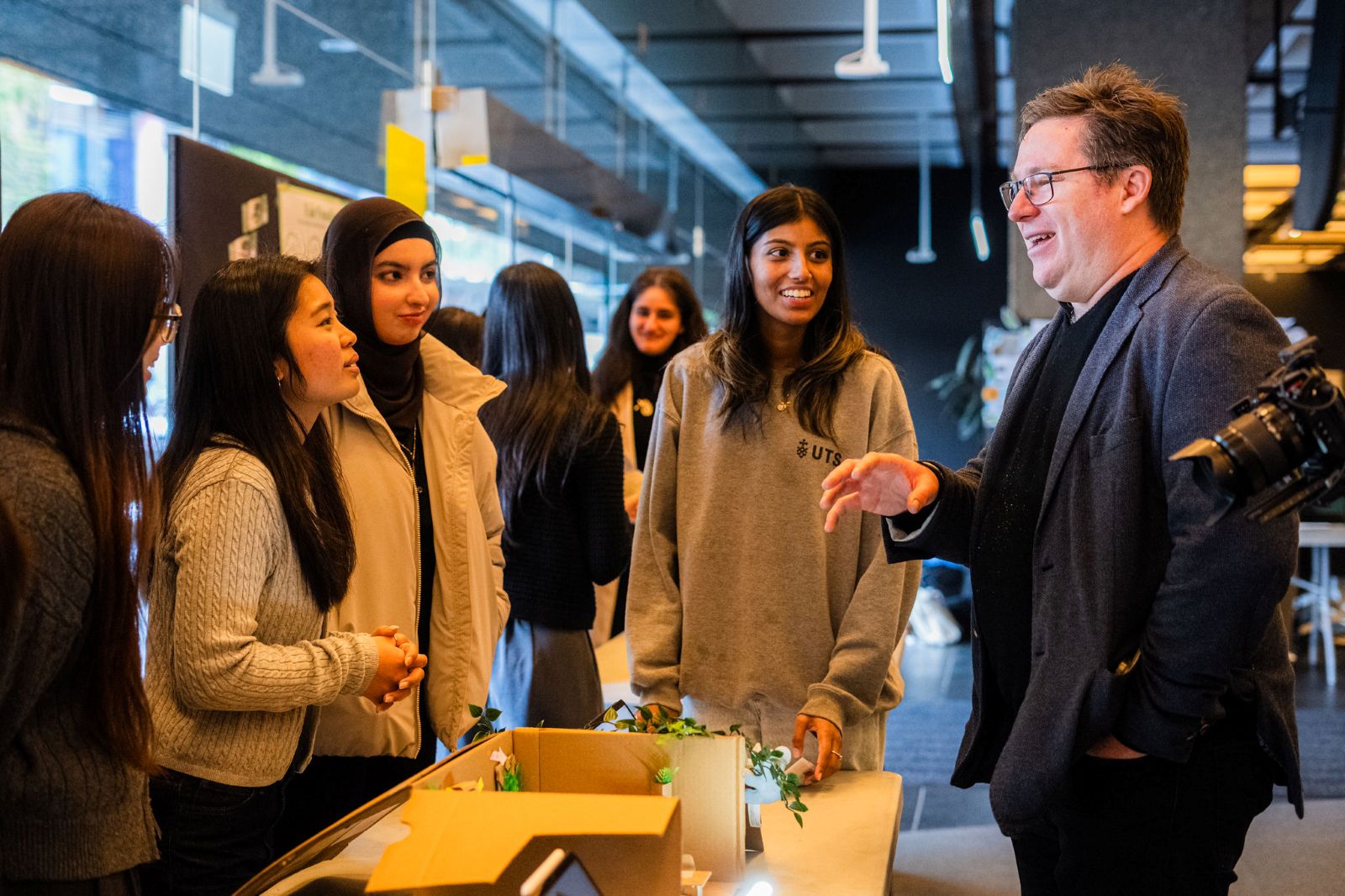
Associate Professor Paul James Brown
Director – Diploma in Innovation, Transdisciplinary School
Associate Professor Paul James Brown has spent the past 15 years spearheading sustainability innovation across teaching, research and organisational strategy at the University of Technology Sydney (UTS). Through collaborative, future-focused leadership, Paul has helped embed sustainability into curricula, operations and institutional decision-making, while building cross-sector partnerships that address complex sustainability challenges.
As a long-standing member of the UTS Sustainability Steering Committee, Paul has contributed to major initiatives including more ambitious carbon targets, a Green Revolving Fund, renewable energy procurement, divestment and the University’s early Climate Emergency declaration. His teaching and research have engaged thousands of students and staff, informed policy and industry practice, and supported UTS’ transformation into a recognised sustainability leader, including as International Green Gown Awards Sustainability Institution of the Year 2025. By bridging academia and practice, Paul empowers others to act and helps create lasting sustainability capability across the University and beyond.
Next Generation Learning & Skills
Curtin University
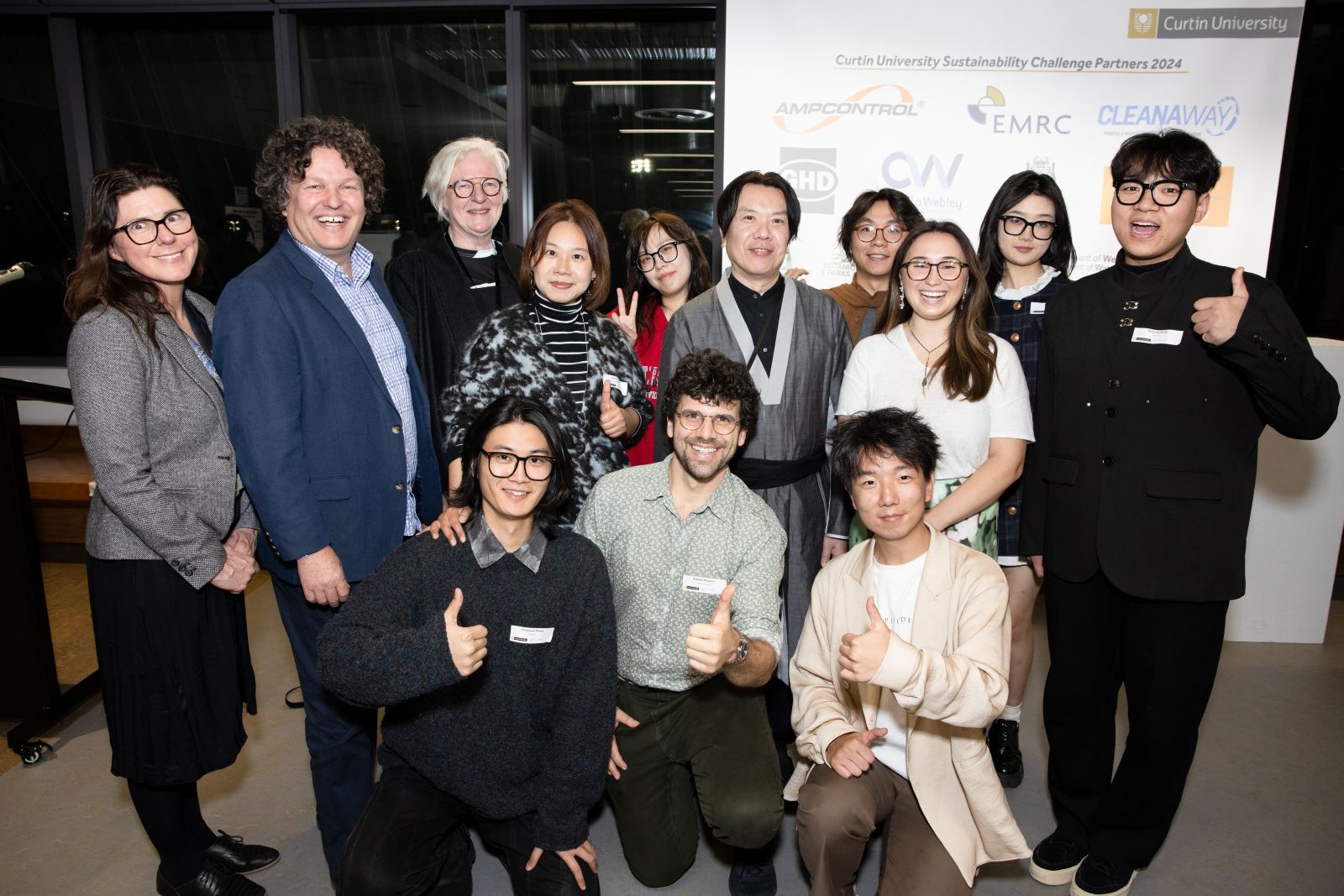
Wicked Problems, Collaborative Solutions: The Curtin University Sustainability Challenge
Curtin University’s Sustainability Challenge is an intensive, credit-bearing, challenge-based learning unit that equips students with the skills, confidence and experience to respond to complex sustainability problems. Delivered over one week during the mid-year trimester break, the program brings together students from across disciplines to work in interdisciplinary teams on real sustainability briefs posed by industry, government, community and university partners.
Structured around the themes of net zero emissions, circular economy and nature positive outcomes, the Challenge mirrors professional sustainability practice. Students work under genuine time pressure, receive mentoring from academic and industry experts, and present their solutions at a public showcase attended by partners, university staff and community members.
Nature Positive
UNSW Sydney
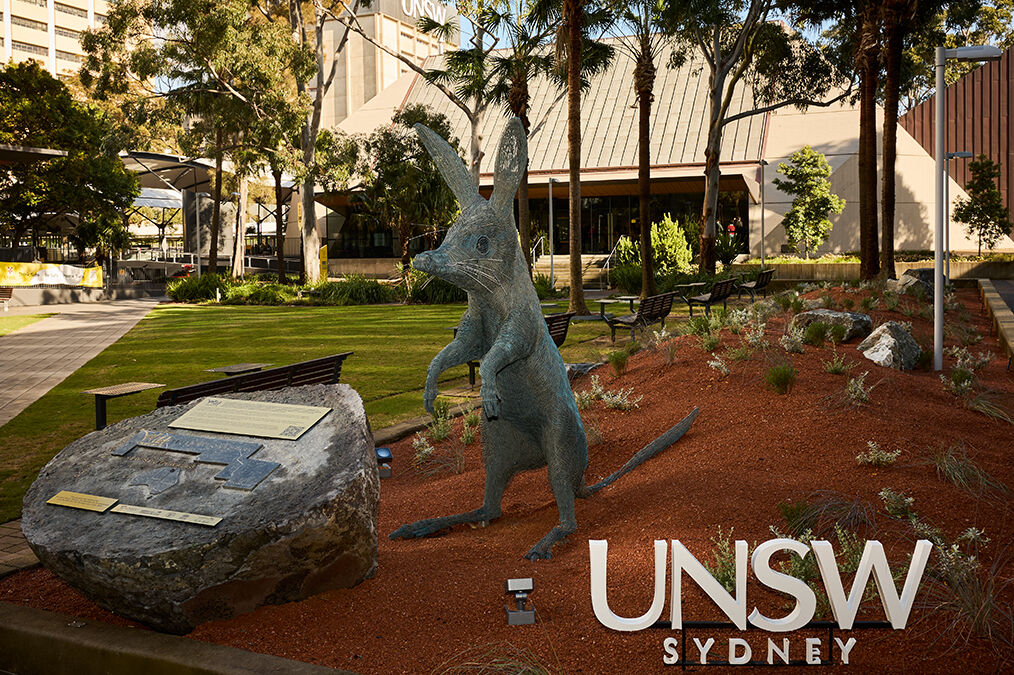
Delivering net gain in Nature Value across a major urban campus
UNSW Sydney’s Nature Positive initiative demonstrates how a major urban university can deliver measurable biodiversity improvement while continuing to grow. Through an institution-wide approach, UNSW has transformed biodiversity from a series of isolated greening projects into a measurable organisational performance outcome.
The initiative established a bespoke Nature Value metric, created a campus baseline, embedded biodiversity requirements into planning and operations, and introduced transparent governance, monitoring and reporting. By 2024, UNSW achieved its Environmental Sustainability Plan target of net gain in Nature Value across the Kensington campus and maintaining this result in 2025.
Student Champion
Griffith University
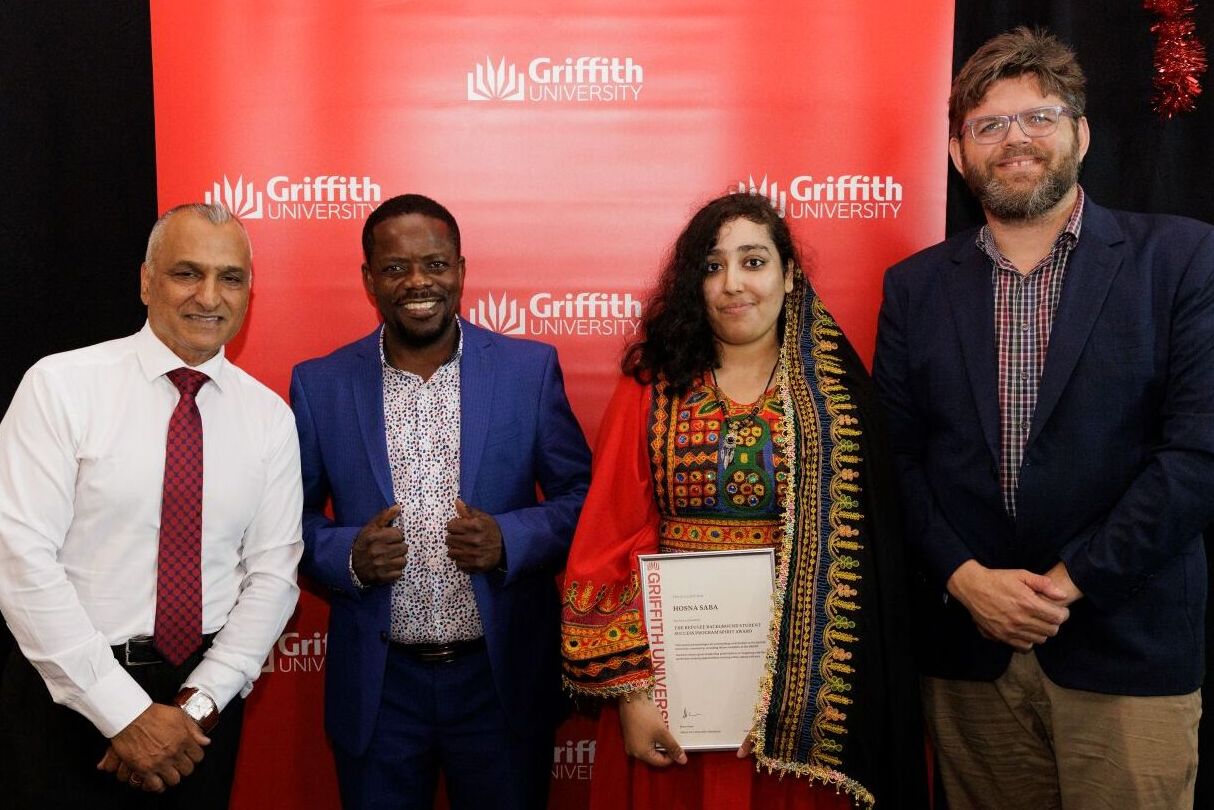
Hosna Saba
Biomedical Science Student, Leader of the Refugee Background Student Success Program and Founder of the Rising Phoenix Association
Ms Hosna Saba is a Biomedical Science student at Griffith University and founder of the Rising Phoenix Association, a student-led initiative supporting inclusive, sustainable community-building. Drawing on her lived experience as a refugee student, Hosna has created welcoming spaces where students from refugee, multicultural and diverse backgrounds can build confidence, connection and practical life skills.
Through her leadership, Hosna has made sustainability more accessible by linking it with belonging, wellbeing, low-cost living, cultural exchange and participation. Her work demonstrates how student-led social sustainability can strengthen community resilience and create a more inclusive campus culture.
Digital Futures
University of Technology Sydney
Energy Intelligence: An AI-Driven Building Optimisation Program for a Smarter, Lower-Carbon Campus
The University of Technology Sydney’s Energy Intelligence project uses advanced data analytics and AI-driven insights to optimise building performance and reduce campus emissions. Launched in May 2024 as part of UTS’s Building Optimisation Strategy, the program draws on existing data sources, including half-hourly electricity metering, WiFi-derived occupancy data, HVAC telemetry, building management systems and weather data.
Led by the Data, Analytics and Insights Unit in partnership with Facilities and Operations, the initiative applies machine-learning forecasting, anomaly detection and signal processing to identify where, when and why energy is used. These insights have directly informed decisions on lighting controls, building closures, cleaning schedules and demand management. By using existing data rather than capital-intensive retrofits, UTS demonstrates how digital insight can drive measurable sustainability gains and support a smarter, lower-carbon campus.
Powerful Partnerships
University of the Sunshine Coast
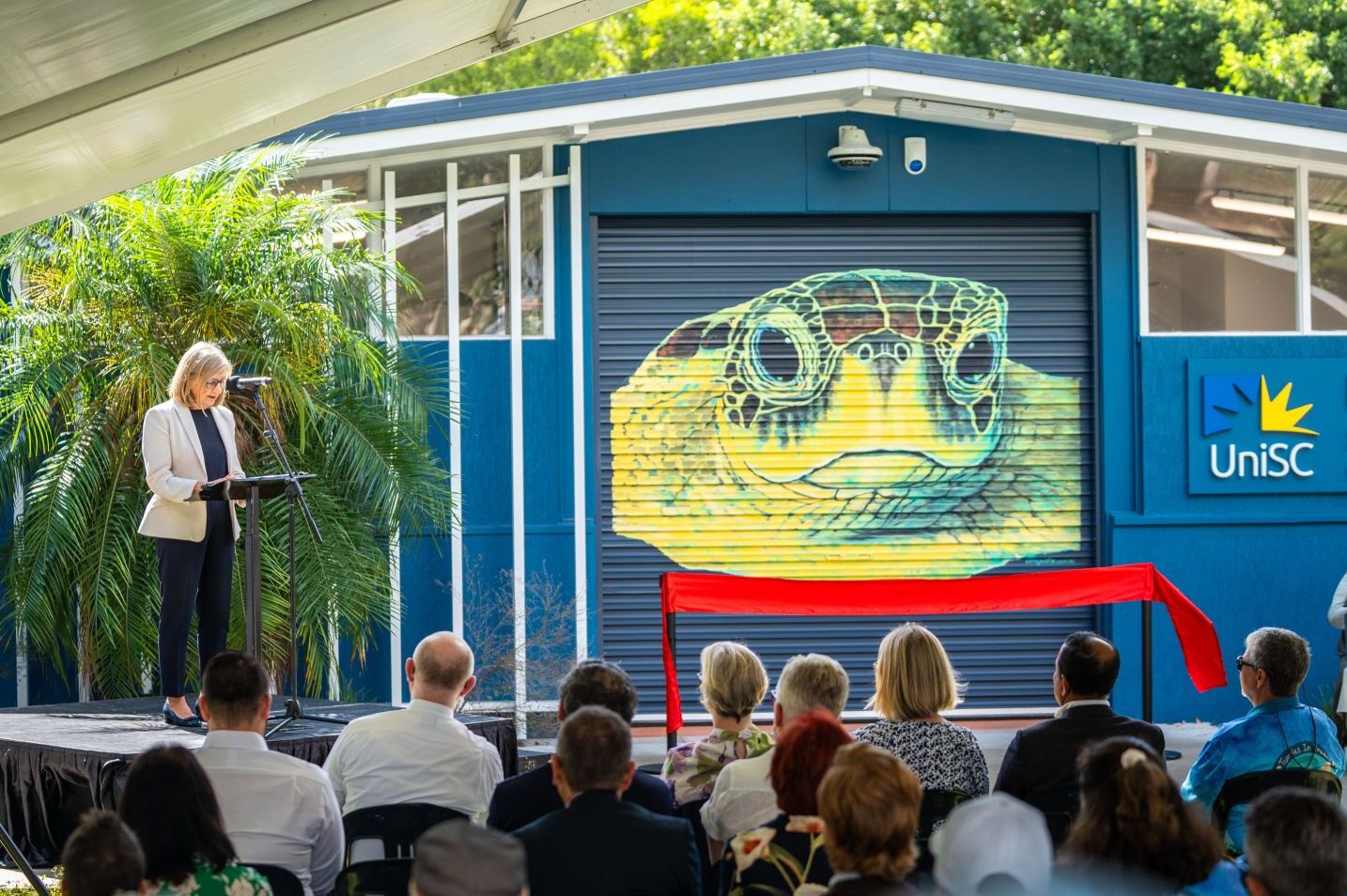
UniSC Milbi Centre – Sea Turtle Research and Rehabilitation
The UniSC Milbi Centre – Sea Turtle Research and Rehabilitation is a place-based partnership between the University of the Sunshine Coast, the Butchulla Native Title Aboriginal Corporation and Turtles in Trouble Rescue Inc. Established on Butchulla Country, the Centre integrates First Nations knowledge, Western science, specialist wildlife care and community engagement to support sea turtle conservation on the Fraser Coast.
The Centre was developed in response to increasing sea turtle strandings and mortalities following extreme weather events in 2021–22, and the absence of a local treatment facility. Since opening in May 2026, the Centre has improved local triage and treatment capacity, reducing the need for injured turtles to be transported long distances for care. By combining research, rehabilitation, cultural governance, education and digital engagement, the UniSC Milbi Centre demonstrates a powerful partnership model delivering environmental, cultural, social and educational impact.
Sustainability Institution of the Year
Auckland University of Technology
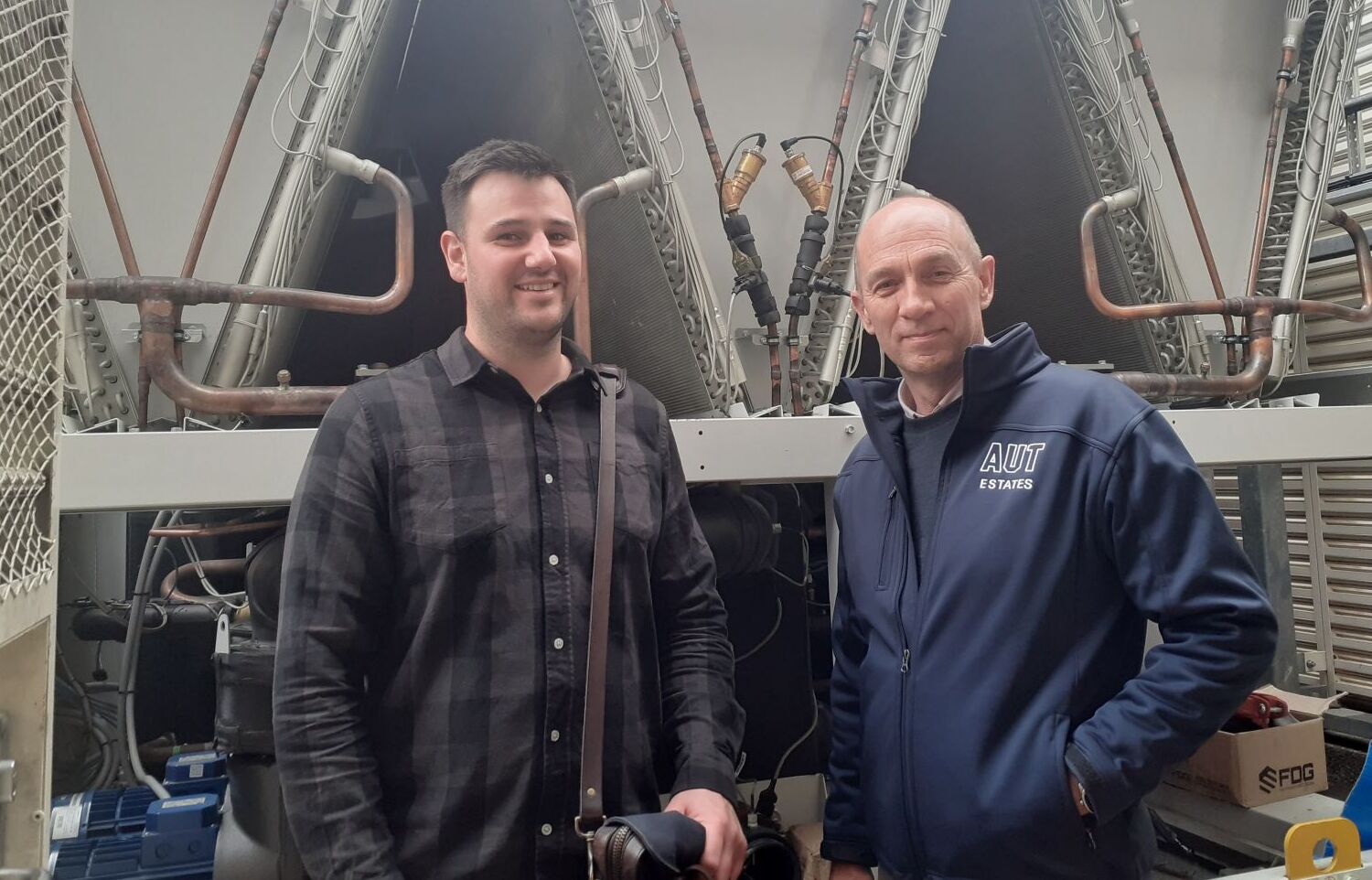
Perseverance with Purpose – Sustainability at AUT
Auckland University of Technology’s Perseverance with Purpose – Sustainability at AUT reflects a whole-of-institution commitment to embedding sustainability across learning and teaching, research, leadership and governance, facilities and operations, and partnerships and engagement. Since launching its first Sustainability Plan in 2018, AUT has worked steadily towards 2025 targets, using influence, reporting, collaboration and practical action to drive progress despite limited dedicated sustainability funding.
The initiative has delivered measurable outcomes across the University. Between 2020 and 2025, the proportion of students enrolled in one or more sustainability-focused course increased from 10% to 20%, while SDG-related research outputs increased from 17% to 36%. Operationally, AUT reduced carbon emissions by 34% between 2018 and 2025, reduced air travel emissions by 48%, improved waste diversion, introduced compostable collections across three campuses and planted 59 different species of native plants.
By combining persistence, executive support, cross-functional collaboration and staff and student engagement, AUT demonstrates how a university can make significant sustainability progress through existing systems, budgets and relationships.
Powerful Partnerships
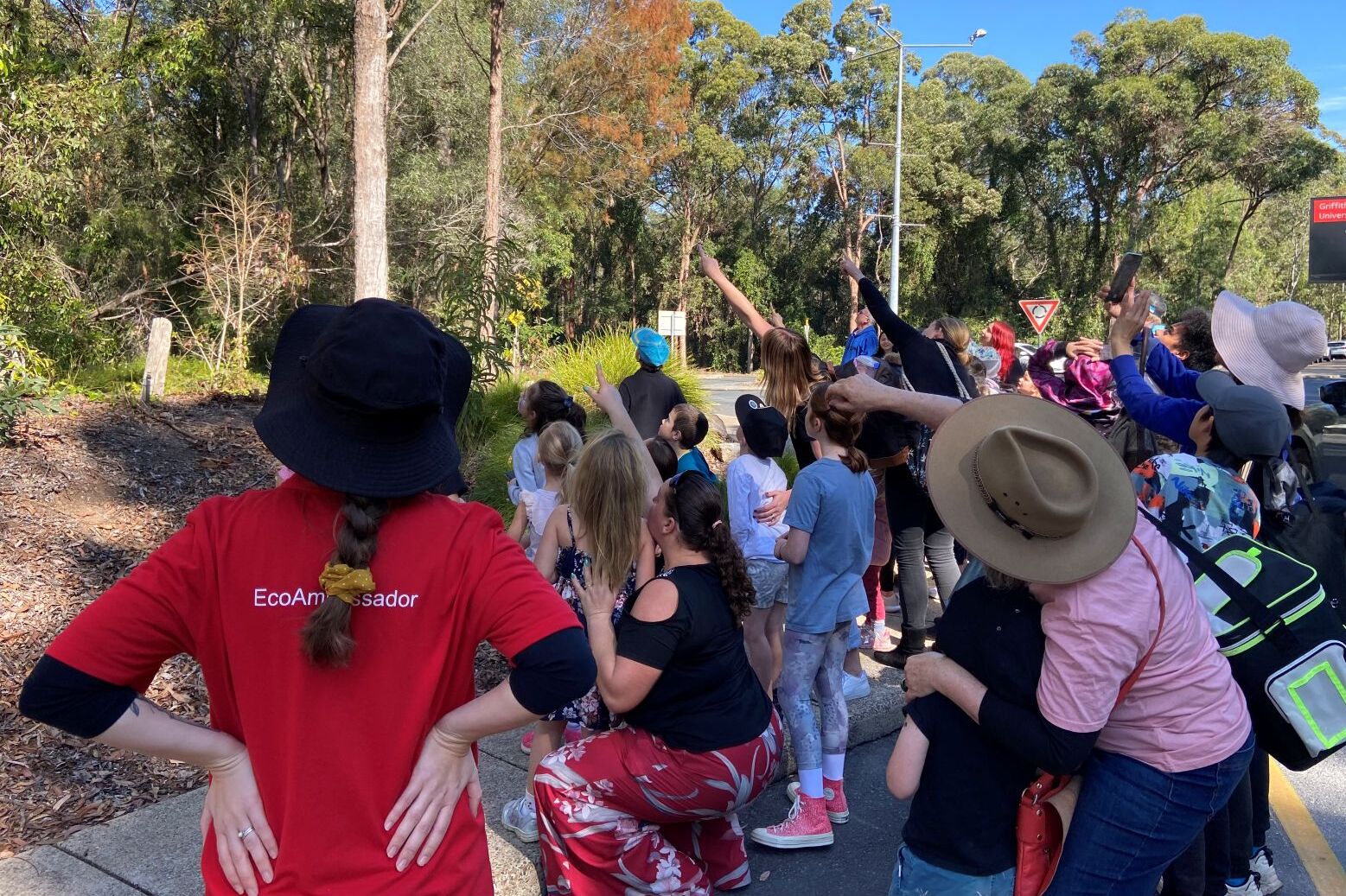
Griffith University
25 Years of Shared Leadership for Sustainability Education: the EcoCentre Partnership
Griffith University’s EcoCentre partnership is a 25-year collaboration with the Queensland Department of Education that connects P–12 education, tertiary learning, environmental research and community engagement through place-based sustainability education. Located on the remnant ecosystems of Toohey Forest at Griffith’s Brisbane South campus, the partnership provides a living laboratory where school students, university students, educators and community members engage directly with biodiversity, climate and sustainability challenges. The partnership delivers hands-on co-designed programs, shared governance and joint investment, which have sustained the partnership across changing educational and environmental needs.
Student Champion

Ōtākou Whakaihu Waka – University of Otago
Lily Bond
Master of International Development and Planning Student & Tētēkura at Toitū te Taiao Otago University’s Sustainability Office
Lily is a Master of International Development and Planning student and a Tētēkura, student sustainability leader, with Toitū te Taiao, Ōtākou Whakaihu Waka – University of Otago’s Sustainability Office. As Operations Lead for Te Oraka, Lily supports student-led circular economy initiatives that connect sustainability with affordability, wellbeing and community.
Through her leadership, Te Oraka has become a high-impact student sustainability space, redistributing clothing, bikes and e-rescue items while creating accessible events, paid student opportunities and strong digital engagement. Guided by care for Papatūānuku, student voice and community-centred sustainability, Lily’s work demonstrates how circular economy practice can become part of everyday student culture.
Sustainability Leadership
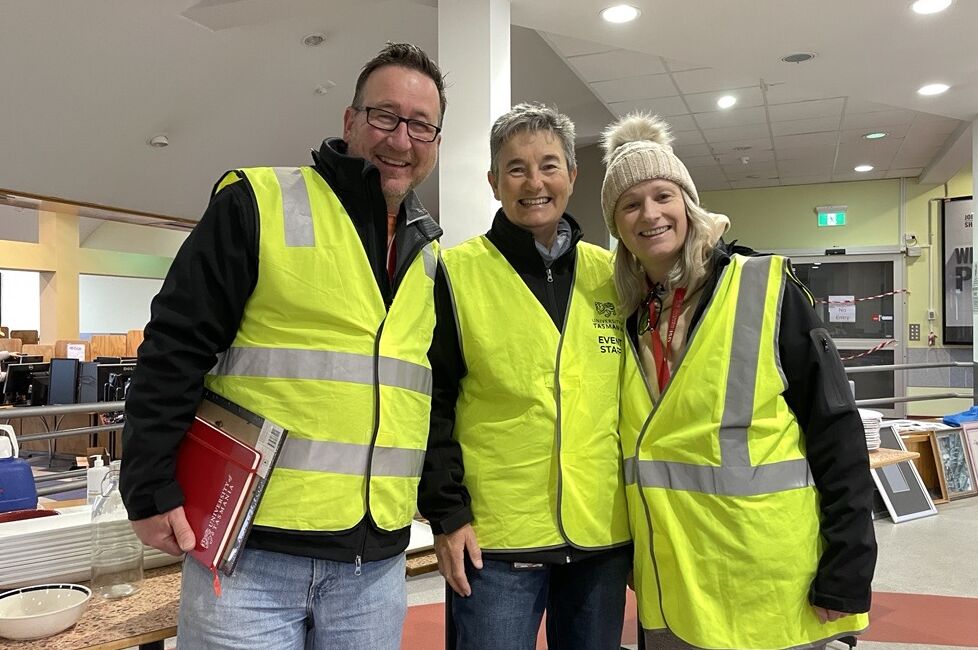
University of Tasmania
Mary Gill
Waste Officer
Mary Gill is the Waste Officer at the University of Tasmania, where she leads the operational side of waste management and champions the University’s Reuse Program. Mary brings practical problem-solving, strong values and infectious enthusiasm to her work, helping staff rethink waste as a resource and find better outcomes for materials that might otherwise end up in landfill.
Through her leadership, UTAS has achieved major waste reduction outcomes ahead of target, including a 41% reduction in waste to landfill in 2024. Mary’s work has supported large-scale reuse across campus relocations and building upgrades, with furniture and equipment repurposed within the University and donated to community groups across Tasmania. Her people-centred, solutions-focused approach has delivered environmental, financial and social benefits, earning recognition through the TEFMA Sustainability Clever Campus Award and Circular North Waste NoT Awards.
Student Engagement
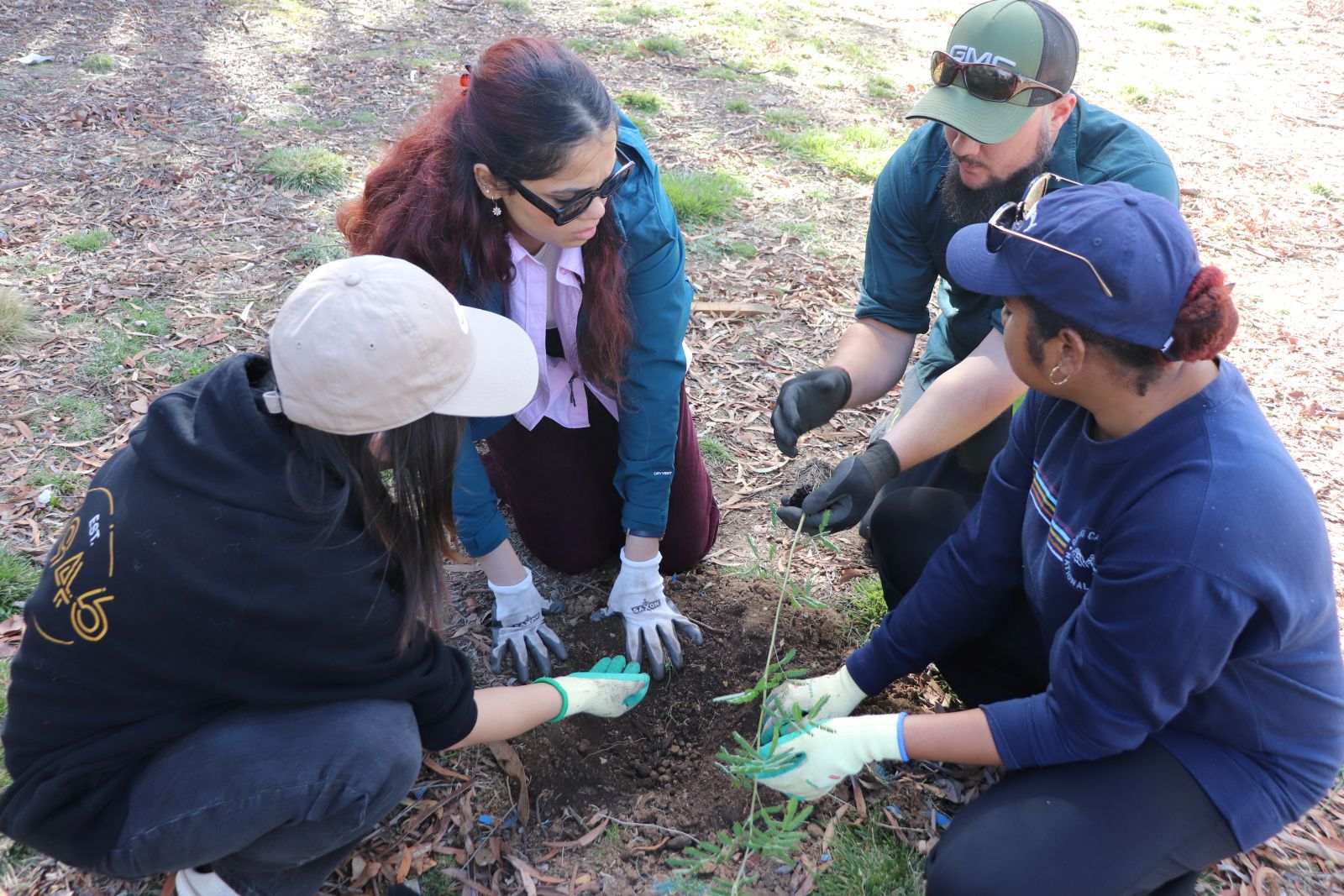
The Australian National University
Campus as classroom: ANU Green’s work-integrated sustainability internships
The Australian National University’s ‘Campus as Classroom’ initiative brings students directly into the University’s operational sustainability work through work-integrated internships, course-embedded projects and collaborative learning opportunities. The program treats the campus as a living classroom, where students contribute to real institutional sustainability challenges while developing practical skills for future careers.
Through co-designed projects, students work alongside professional sustainability staff to investigate, shape and deliver work that supports ANU’s environmental goals. The program connects students from diverse disciplines with applied sustainability practice, helping them understand how climate action, resource efficiency, behaviour change and governance are addressed within a complex organisation.
Next Generation Learning & Skills

Flinders University
Embedding sustainability in teaching through a Gamified Sustainability Learning Lab
Flinders University’s ‘Gamified Sustainability Learning Lab’ is a digital learning initiative designed to embed sustainability principles and practices across disciplines, education levels and learning contexts. The Learning Lab includes three connected layers: interactive microlearning content, a first-person sustainable city design game, and a multiplayer Sustainable Development Goals role-playing game.
Since its development, the Learning Lab has engaged more than 1,000 learners across high school, undergraduate, postgraduate and professional contexts. Developed through the University’s Embedding Sustainability in Teaching scheme, the project demonstrates how institutional strategy can move beyond policy by funding practical, scalable tools that support academics to integrate sustainability into everyday teaching.
Staff Champion
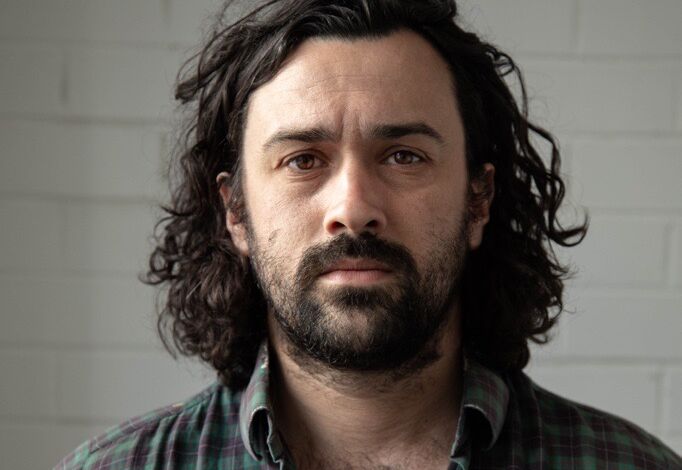
The Australian National University
Millan Pintos-Lopez
Head of Operations, Residential Experience Division
As Head of Operations for the Australian National University (ANU) Residential Experience Division, Millan Pintos-Lopez oversees the facilities and services that support more than 5,500 students living on campus. While sustainability is not a formal part of his role, Millan has made it central to his leadership, driving practical initiatives that reduce the environmental footprint of the ANU residential community.
Since taking on the role, Millan has led a suite of improvements across the residential estate, including redesigned end-of-year waste infrastructure, expanding reuse and donation pathways, adding recycling streams and a formal sustainability interface between the Division and its facilities management contractor. Through personal initiative and stakeholder collaboration, Millan is embedding sustainability into the everyday operations of campus residential life.
Powerful Partnerships
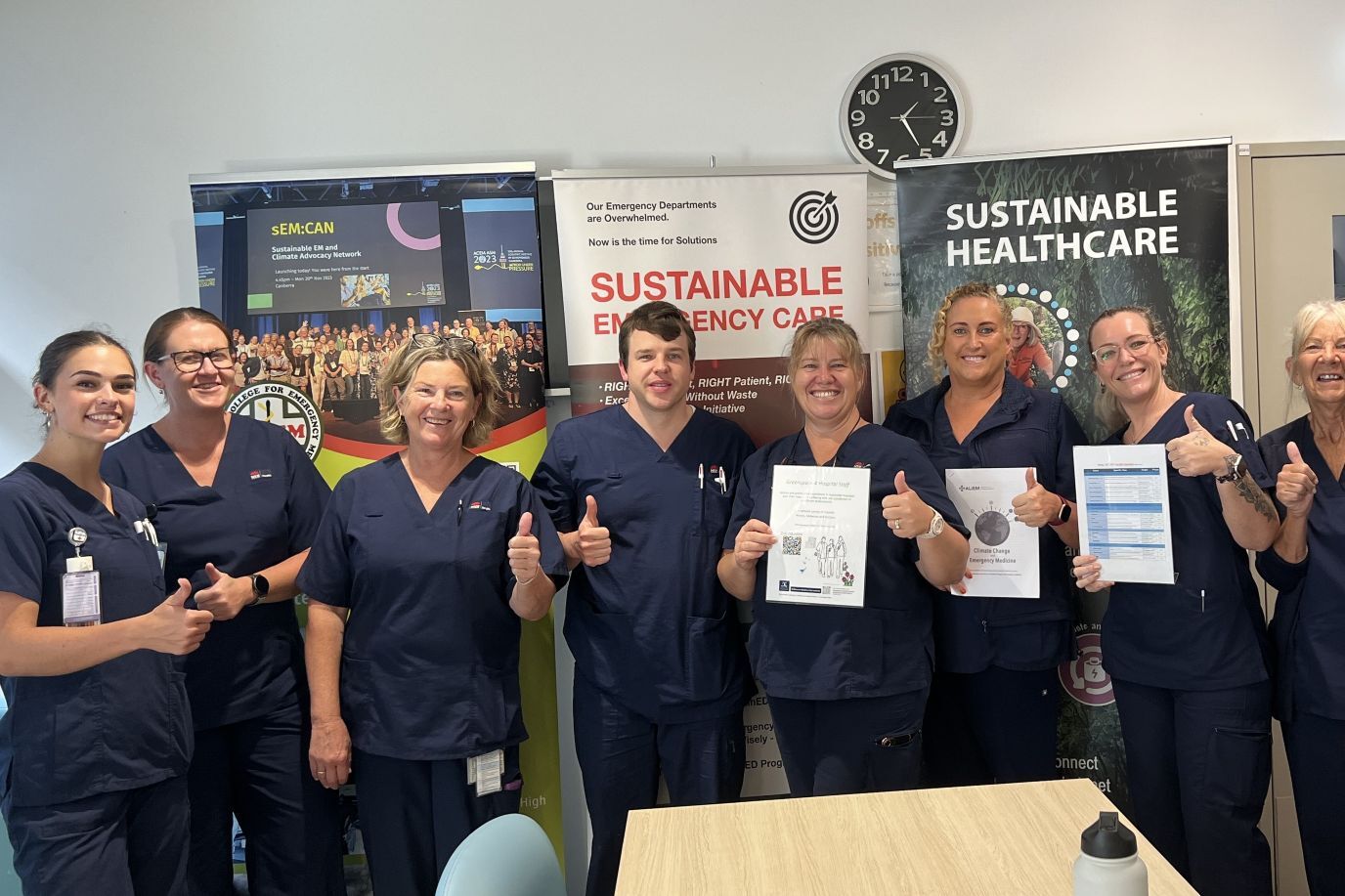
The University of Sydney
The Wiser Healthcare NetZero Leads Partnership
The University of Sydney’s Wiser Healthcare NetZero Leads Partnership is a co-designed collaboration helping to decarbonise clinical care across NSW Health. The partnership brings together the University’s Wiser Healthcare research group, NSW Health’s Climate Risk and Net Zero Unit, ten clinician Net Zero Leads, the Agency for Clinical Innovation, Health Consumers NSW and the HEAL Network to address healthcare’s significant carbon footprint.
The partnership supports clinician-led decarbonisation projects across high-impact clinical areas, including anaesthetics, pharmacy, emergency care, intensive care, allied health, surgery and medical imaging. By combining frontline clinical expertise with academic rigour, policy alignment and translation pathways, the initiative evaluates carbon, cost and care-quality outcomes together.
Sustainability Leadership
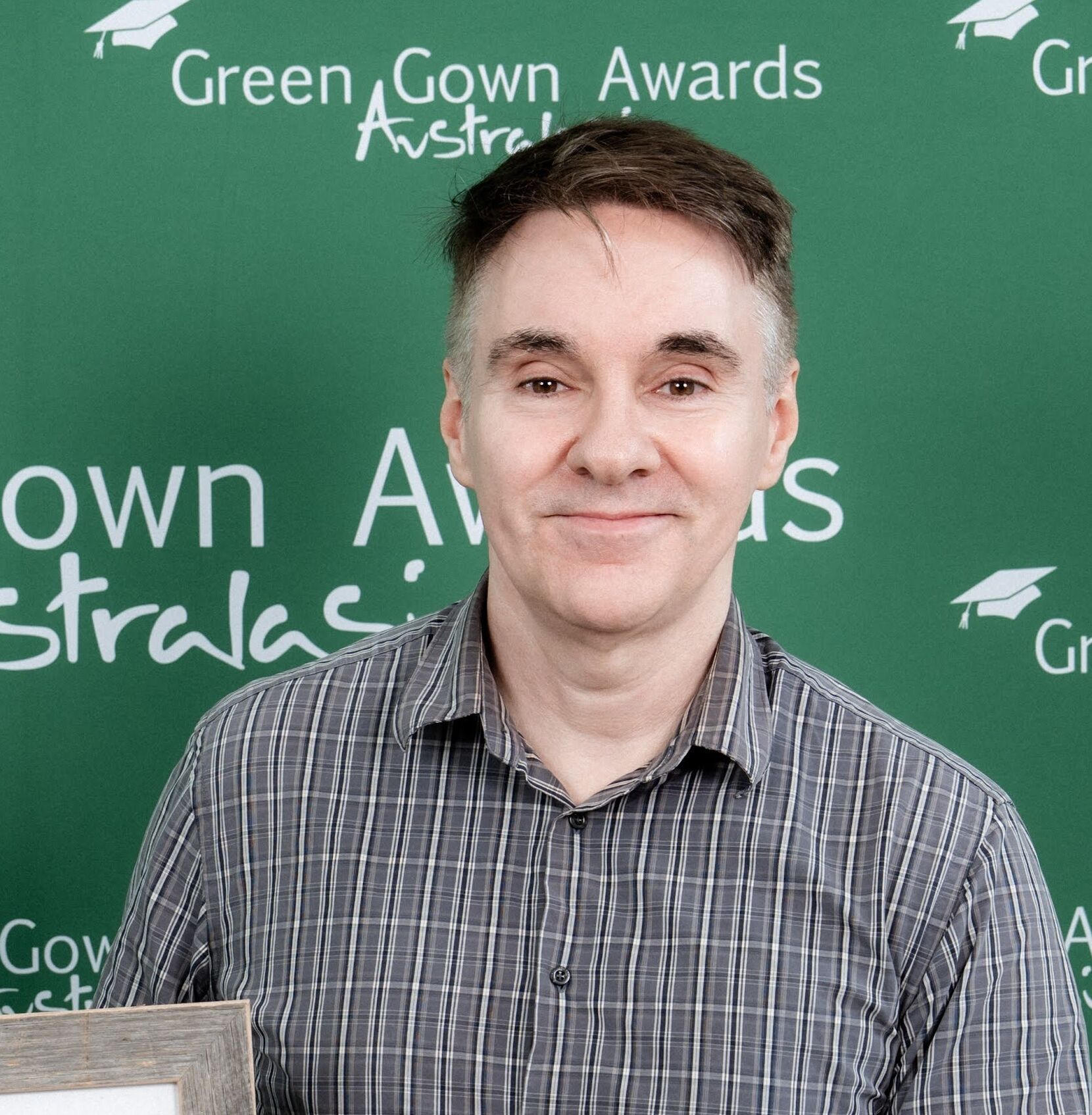
Macquarie University
John Macris
Biodiversity Advisor
John Macris has led high-impact biodiversity initiatives across 17 years as Biodiversity Advisor at Macquarie University, delivering measurable ecological outcomes while helping transform the campus into a living laboratory for interdisciplinary learning. Through strong partnerships across faculties, curriculum-aligned field experiences and international study tour opportunities, John has embedded biodiversity into teaching, research and student engagement.
John developed the biodiversity KPI for the University’s Sustainability-Linked Loan, only the second of its kind in Australia, creating a peer-reviewed, data-driven framework to measure forest condition and restoration. His leadership has also supported restoration of the endangered Turpentine-Ironbark Forest and long-term rehabilitation of Mars Creek. His work demonstrates how operational sustainability, research and education can be integrated to deliver lasting environmental and institutional value.
Creating Impact

Massey University
Rage to Rags
Rage to Rags is a creative, low-cost circular economy initiative led by Te Paepto Seedlings at Massey University. The project responded to a local op shop’s challenge of managing large volumes of unsellable textile donations by connecting the shop with local mechanics who could reuse the materials as workshop rags.
To support the initiative, the team hosted a student “Rage to Rags” event during exam season, where students helped rip unusable textiles into rags while releasing stress in a fun, practical and purposeful way. The event raised awareness of local waste challenges, engaged students in hands-on sustainability action, and helped prepare materials for reuse by mechanics.
The project has created an ongoing relationship between the op shop and local mechanics, reducing waste to landfill, generating a new income stream for the hospice supported by the op shop, and replacing imported rags with a local, lower-impact alternative. It demonstrates how simple community connections can unlock practical circular economy solutions.
Staff Champion
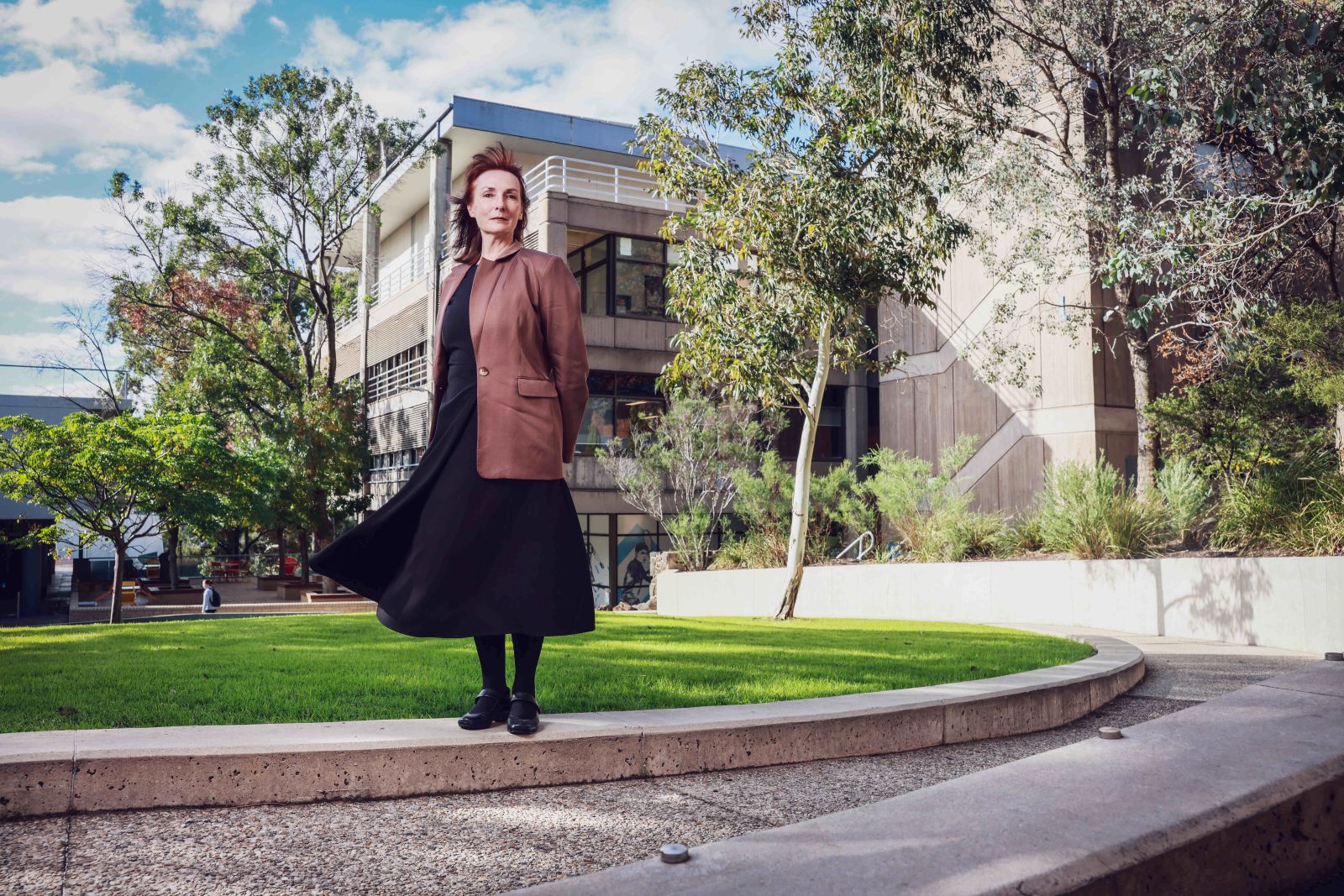
Victoria University
Celeste Young
Collaborative Research Fellow
For over a decade, Celeste Young has worked alongside communities, volunteers and emergency management organisations to help Australia adapt to the growing impacts of climate-driven disasters. Grounded in the belief that those most affected hold valuable knowledge and solutions, Celeste’s work brings community voices into critical conversations about recovery, volunteering, inclusion and capability.
Through community-engaged research, workshops and long-term partnerships, her work has influenced Australia’s Disaster Risk Reduction Framework, informed the National Emergency Volunteering Strategy, shaped recovery policy following the Black Summer bushfires, and supported workforce capability planning across emergency management and beyond. Celeste’s leadership is helping communities, institutions and emergency management systems better adapt, respond and thrive in an increasingly uncertain climate future.
Next Generation Learning & Skills

University of Technology Sydney
Transformative Learning at Scale: A University-Wide Transdisciplinary Electives Program
The University of Technology Sydney’s Transdisciplinary Electives Program embeds learning across all undergraduate degrees, ensuring every UTS student develops the capability to work across disciplines, sectors and perspectives. Through eight innovative subjects, each co-designed with an industry, community or government partner, students engage with real-world sustainability and societal challenges as a core part of their degree.
By embedding authentic partner engagement at scale, the program helps students move beyond learning about sustainability to learning for sustainability. It builds systems thinking, collaboration, creativity, reflexivity and professional confidence, while generating fresh insights and practical value for partner organisations and wider society.
Next Generation Learning & Skills
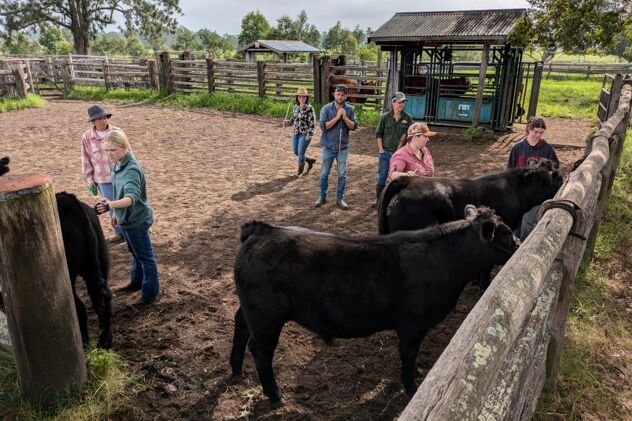
Western Sydney University
Integrating regenerative living labs in science curriculum
Western Sydney University’s ‘Integrating Regenerative Living Labs in Science Curriculum’ initiative embeds the Hawkesbury campus’s unique environmental and agricultural assets directly into science teaching and learning. The program uses regenerative agriculture, water recycling, biodiversity stewardship, emerging rewilding initiatives and digital tools such as GIS, drones and AI as practical learning environments for students.
By integrating campus operations, curriculum, data stewardship and industry-relevant skills development, the initiative supports job-ready graduates equipped to respond to climate change, nature risk and evolving land management challenges in Western Sydney and beyond.
Powerful Partnerships
The University of Melbourne
Health Service Environmental Sustainability Competition
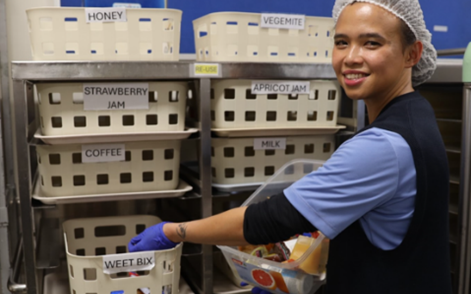
The University of Melbourne’s Health Service Environmental Sustainability Competition is a cross-sector partnership supporting health service staff to design and deliver sustainable healthcare quality improvement projects. Led by the Melbourne Medical School Sustainable Healthcare Team and delivered with university-affiliated health services, the competition combines training, practical tools, local support, impact measurement and recognition to help staff improve care while reducing emissions, waste and costs.
Over four years, 76 projects have been submitted, collectively delivering site-reported savings of almost $3 million, approximately 3,700 tCO₂e avoided, 69 tonnes of waste diverted and more than 800,000 items kept from landfill. The partnership demonstrates how universities and health services can work together to build sustainable healthcare capability and scale local innovation.
Diversity, Equity & Inclusion
Envirotech Education
Removing barriers to sustainable blue economy careers: bilingual, on Country cross-cultural marine VET pathways
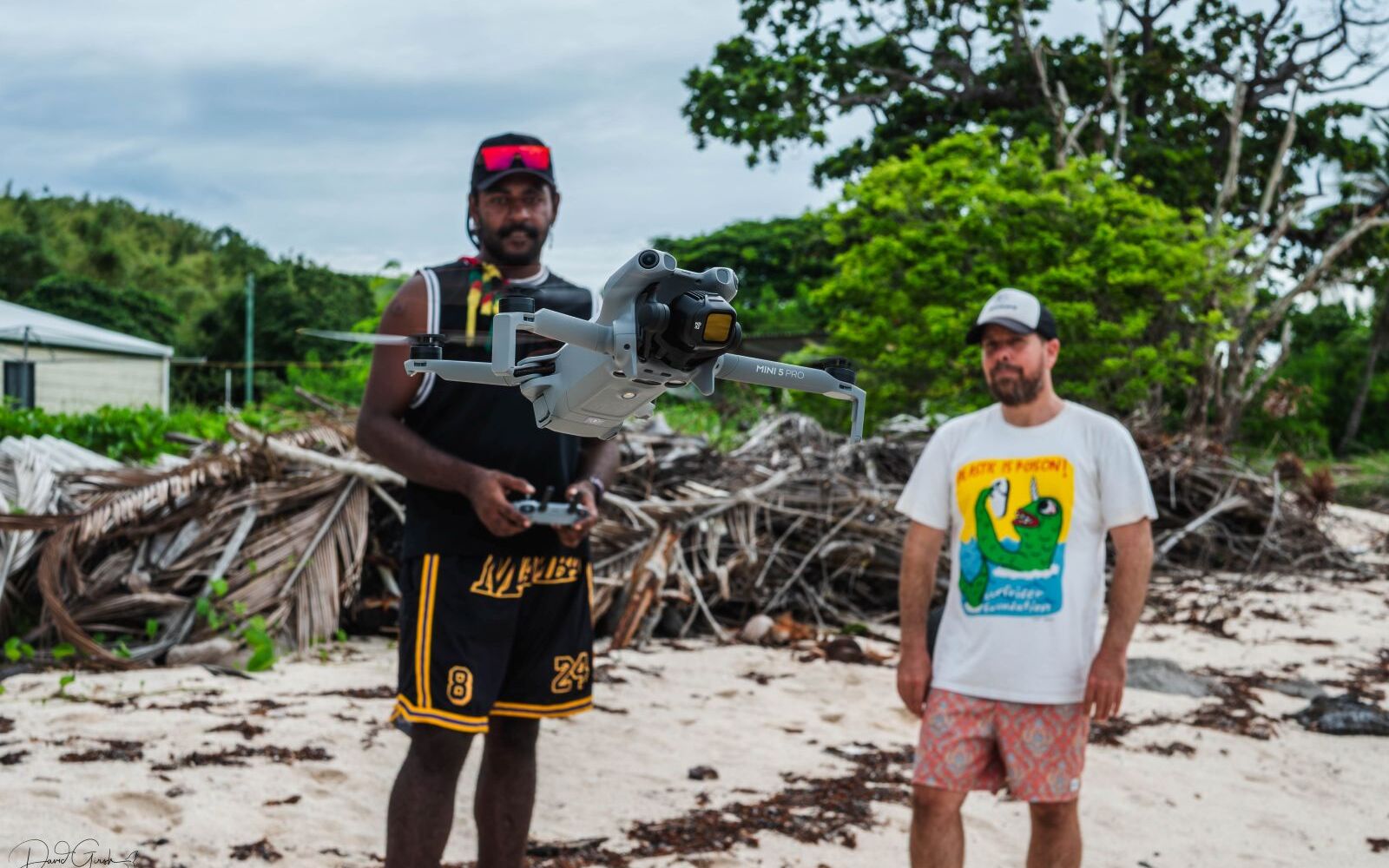
Envirotech Education’s initiative creates inclusive, accredited marine conservation training pathways for learners who have historically been excluded from tertiary and vocational education. Through bilingual, on-Country delivery, community-controlled governance and practical conservation placements, the program supports diverse learners to access sustainable careers.
The initiative centres on Marine Habitat Conservation and Restoration VET qualifications developed by Envirotech with community and industry partners. Delivery is shaped through partnerships, including Traditional Owner organisations, research institutions and marine conservation partners. The model demonstrates how inclusive vocational education can remove barriers, build local capability and create pathways into marine conservation, restoration and climate-resilient livelihoods.
Creating Impact
The University of Sydney
Beyond the Cohort: Building Sustainable Systems in Healthcare Education
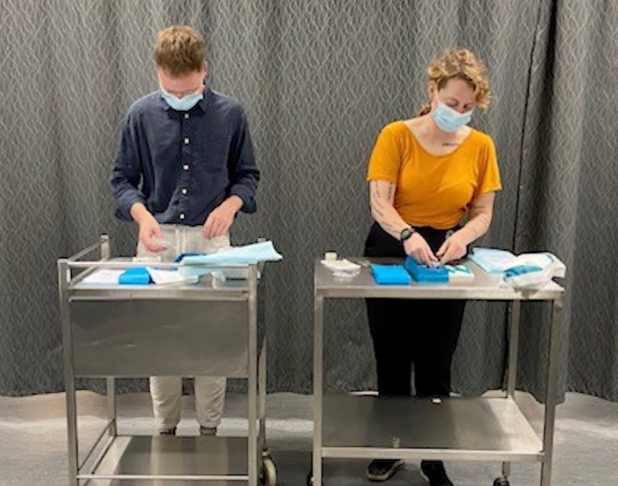
The University of Sydney’s Beyond the Cohort: Building Sustainable Systems in Healthcare Education addresses the environmental impact of clinical simulation, one of the most consumable-intensive teaching environments in health education. The project responds to a sector gap by creating sustainability guidelines, waste diversion pathways and reuse protocols for simulation settings without compromising educational quality or clinical fidelity.
Led by a small Faculty of Medicine and Health team using faculty operational funding, the project established a structured waste diversion workflow through Medcycle, embedded a sustainability learning module into simulation teaching, and developed co-designed guidelines now adopted across multiple sites. The project has also produced a peer-reviewed publication, practical guidelines for sector-wide adoption, and an invitation to present at Laerdal Medical’s SUN Conference 2026, demonstrating its value as a scalable model for embedding sustainability into healthcare education.
Creating Impact
The University of Melbourne
Sustainability Week 2025: Driving Behaviour Change at Scale
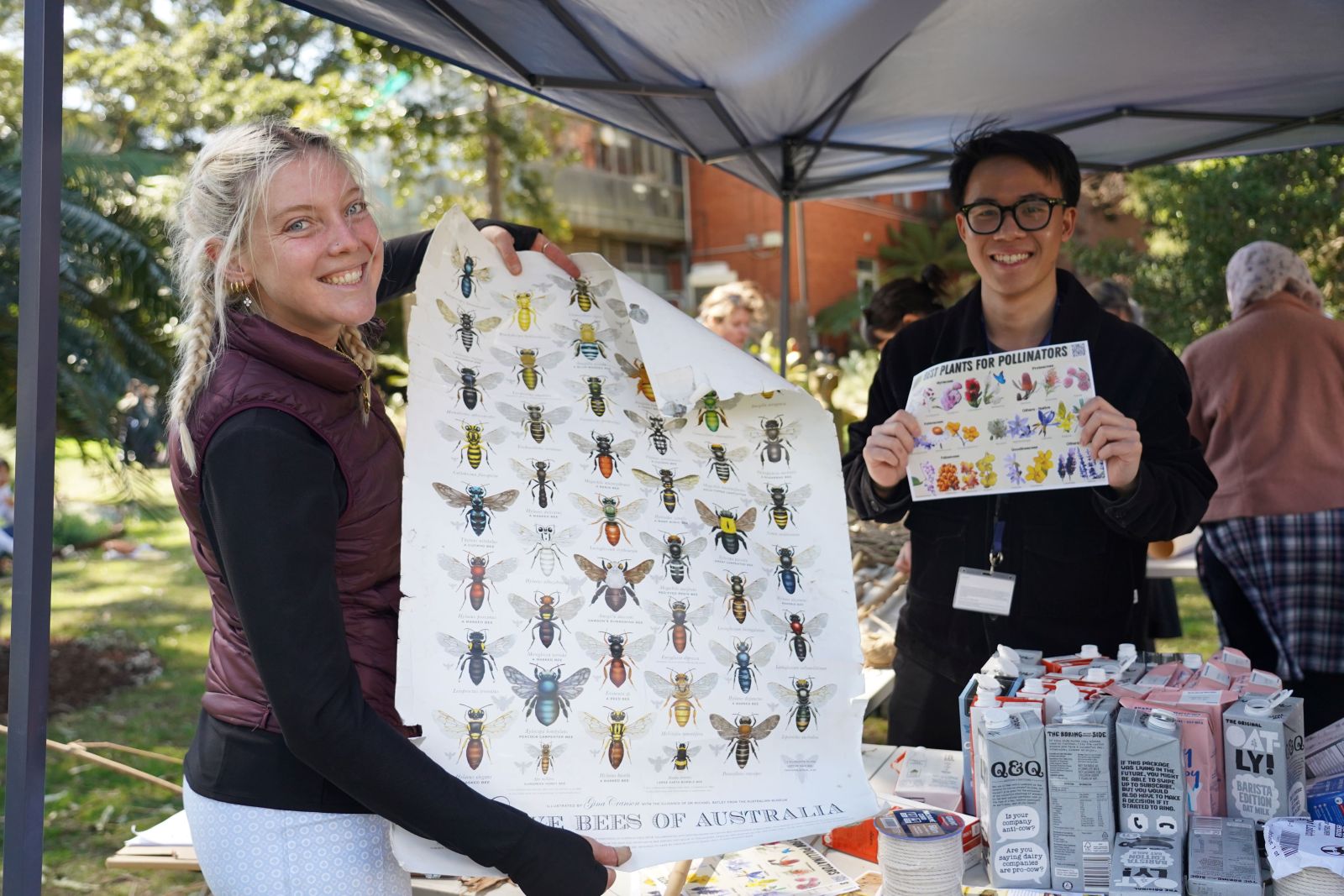
The University of Melbourne’s Sustainability Week 2025 was a flagship, university-wide initiative designed to drive behaviour change at scale. The program engaged more than 2,000 students, staff and community members through 42+ events delivered across five themed days, moving beyond awareness-raising to embed sustainability into the student and staff experience.
Delivered through a collaborative, community-led model, Sustainability Week connected institutional frameworks including Melbourne Plus and Green Impact, creating clear pathways for continued engagement beyond the event itself. The program addressed key sustainability priorities including circular economy, climate action, biodiversity, health and wellbeing, and social sustainability.
By combining large-scale engagement with structured follow-on opportunities, Sustainability Week 2025 created a scalable model for long-term cultural change. It strengthened cross-campus collaboration, increased participation in sustainability programs, and contributed directly to the University of Melbourne Sustainability Plan 2030.
Student Champion

Griffith University
Natalia Drazek
Bachelor of Environmental Science / Bachelor of Business
Miss Natalia Drazek is a Griffith University student studying a Bachelor of Environmental Science / Bachelor of Business. Her work as a sustainability student champion connects research, student engagement and community partnerships to create practical, scalable impact.
Through her leadership, Natalia has contributed to circular economy research, student food security, community-based conservation and international sustainability projects. Her approach focuses on translating complex sustainability challenges into accessible programs, tools and partnerships that benefit students, communities and organisations.
By combining research capability with student-led action, Natalia has demonstrated how young leaders can create measurable environmental and social outcomes while building pathways for ongoing sustainability impact beyond university.
Sustainability Institution of the Year
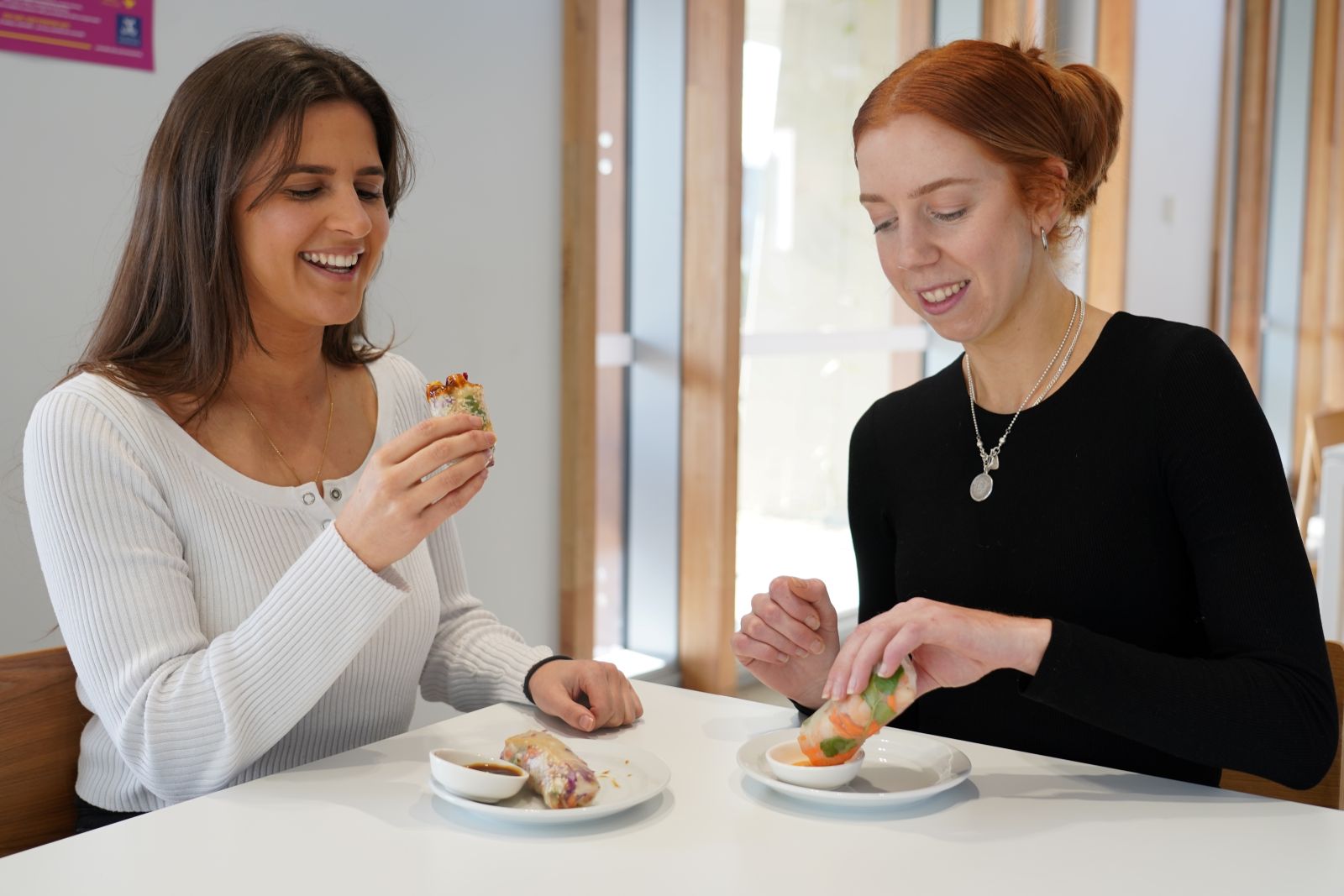
The University of Melbourne
Closing the Loop: A Whole-of-Estate Circular Economy Program
The University of Melbourne’s Closing the Loop: A Whole-of-Estate Circular Economy Program embeds circular economy principles across the University’s physical estate, from demolition and capital works to daily waste management, events, dining and student engagement. Rather than treating circular economy as a standalone initiative, the program integrates reuse, donation, recovery, procurement and behaviour change into the way the University builds, operates and connects with its community.
Through contractual sustainability targets, reusable service ware, asset recovery, Indigenous procurement, volunteer engagement and transparent reporting, the University demonstrates how circular economy can be delivered at scale. The program creates environmental, financial and social value while influencing contractor behaviour and sector practice beyond the campus.
Nature Positive
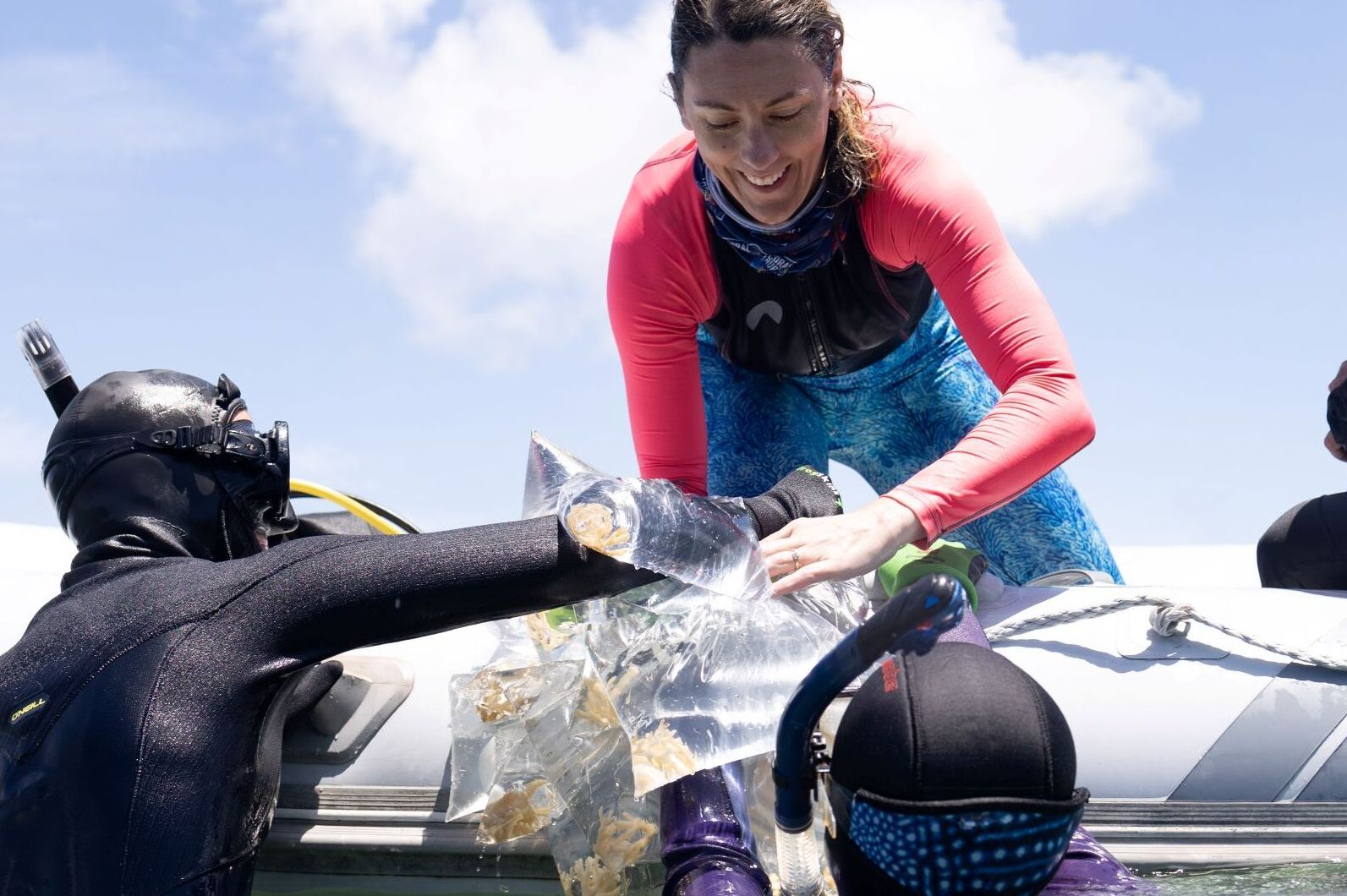
University of Technology Sydney
Coral Nurture Program
The University of Technology Sydney’s Coral Nurture Program is a science-led, industry-supported reef restoration initiative working to restore high-value sites across the Great Barrier Reef. In partnership with Wavelength Reef Cruises and other tourism operators, researchers, Traditional Owners and local communities, the program combines coral propagation, outplanting and long-term monitoring to enhance biodiversity, coral cover and ecosystem resilience.
By embedding restoration into tourism operations, the Coral Nurture Program demonstrates how conservation, science, community stewardship and reef-based livelihoods can reinforce one another. With more than 133,000 corals planted across 119 species, the program provides a scalable model for achieving nature-positive outcomes while supporting climate resilience, education and global reef restoration practice.
Next Generation Learning & Skills
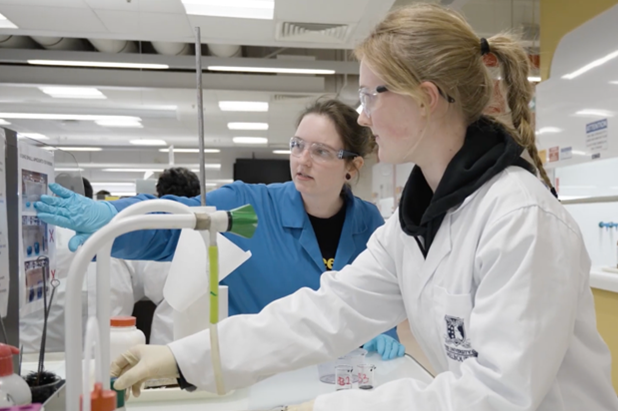
The University of Melbourne
The Undergraduate Chemistry Practical Subject Rejuvenation
The University of Melbourne’s Undergraduate Chemistry Practical Subject Rejuvenation has transformed first-year laboratory education by embedding sustainability into both curriculum and laboratory practice. Reaching more than 3,000 students annually, the initiative ensures future scientists learn to consider environmental impact, resource use, waste management and safer chemical practices alongside scientific technique and experimental outcomes.
The project redesigned the practical chemistry program to include sustainability as an explicit learning outcome, with each experiment incorporating a defined sustainability takeaway. Students now learn in laboratories that model best practice through reusable materials, optimised reaction scales, improved waste systems, sustainable procurement and safer chemical substitutions.
Diversity, Equity & Inclusion
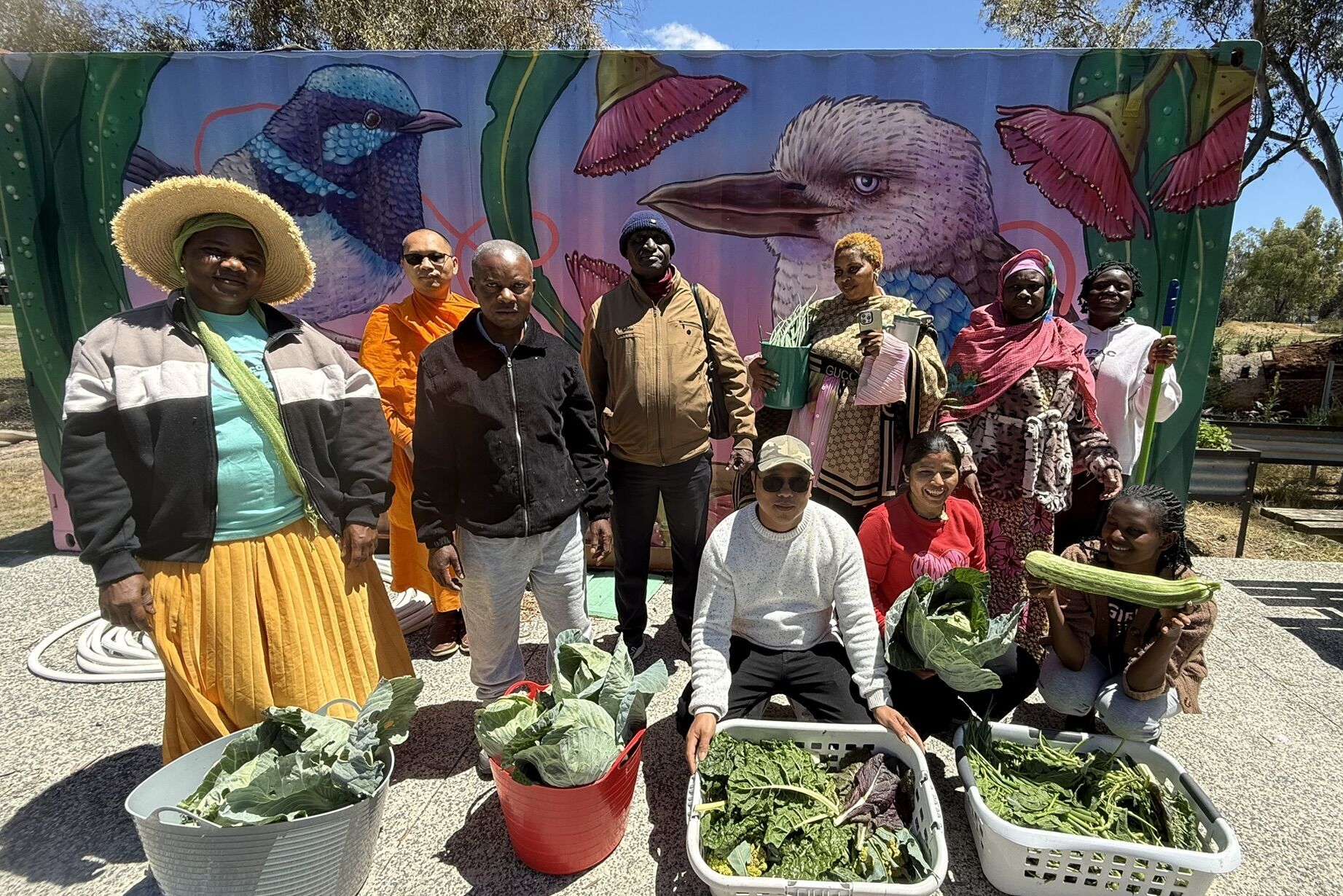
Wodonga Institute of TAFE
Growing Belonging
Wodonga Institute of TAFE’s ‘Growing Belonging’ project created an inclusive community garden learning environment for English language students, connecting language development with sustainability, wellbeing and community participation. Designed for culturally and linguistically diverse learners, including students from refugee backgrounds, the project moved learning beyond the classroom into a hands-on outdoor space where communication could develop naturally through shared tasks.
Co-designed by the Environmental Strategic Project Lead and English Language educators, the garden enabled 42 students to contribute to planting decisions, composting, worm farming, food growing, watering, harvesting and garden care. Learners used English in authentic, low-pressure settings while drawing on their own cultural knowledge, agricultural experience and lived expertise.
Student Champion

Murdoch University
Chloe Elsegood
Bachelor of Science, Honours
Chloe is a Bachelor of Science Honours student at Murdoch University whose leadership has delivered practical biodiversity and student engagement outcomes through the Murdoch Community Garden. As Secretary and then President, Chloe initiated and led a native bushland revegetation project at the Environmental Technology Centre site, creating new habitat while strengthening student connection to campus nature.
The project restored approximately 975m² of bushland, including a 140m² Miyawaki Forest planted with locally native species. Through grant funding, stakeholder collaboration and volunteer engagement, Chloe created a lasting educational and ecological asset that supports native wildlife, student learning and ongoing community stewardship.
Digital Futures
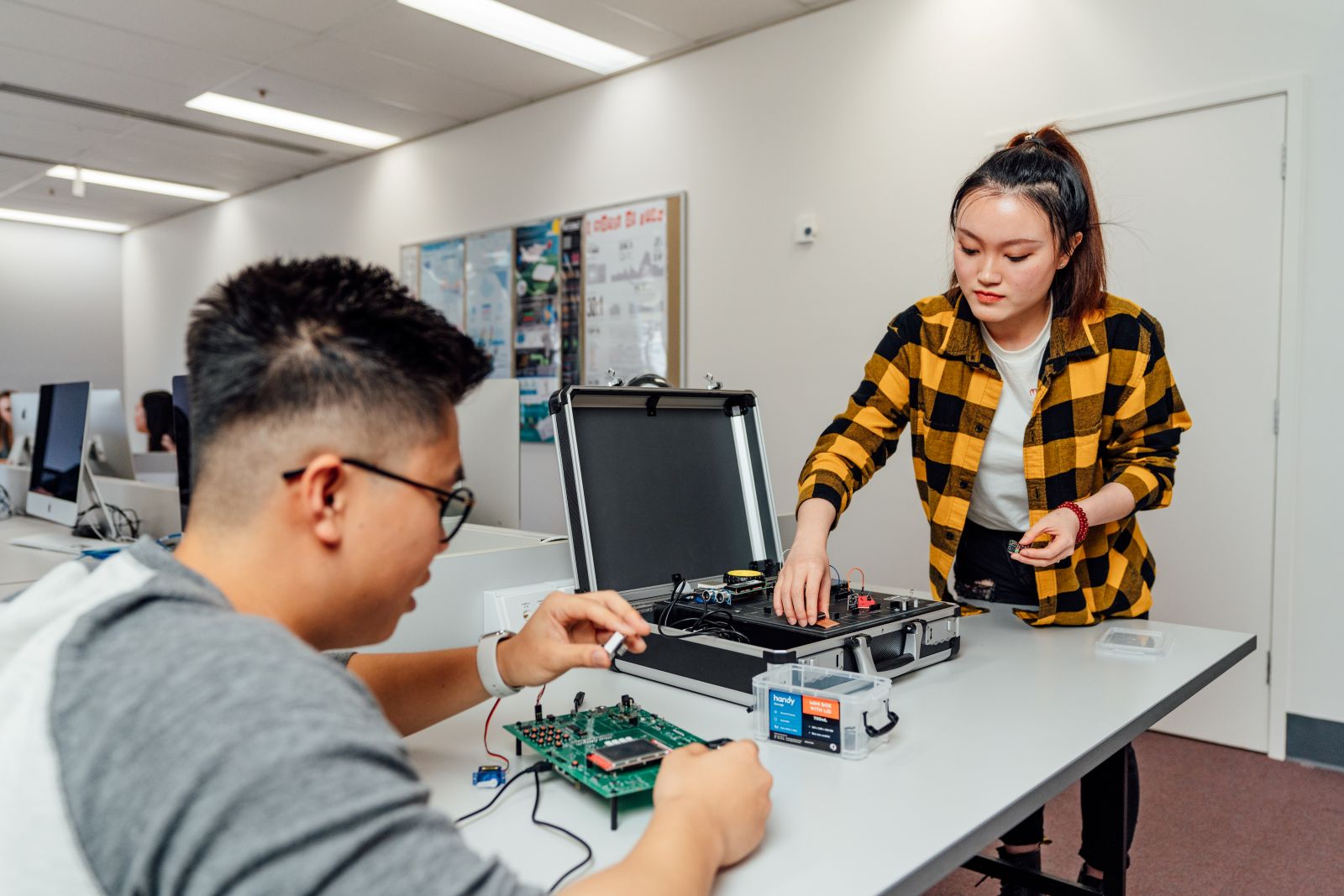
University of Tasmania
Digital Futures for Sustainability: Embedding Impact Across Systems, Behaviour and Scale
The University of Tasmania has developed a sector-leading digital futures sustainability model that embeds environmental and social impact directly into digital systems, decisions and behaviours. The initiative moves beyond isolated projects by integrating sustainability across the digital ecosystem, from IT asset lifecycle management to responsible AI use and low-carbon digital marketing.
By embedding sustainability into digital platforms, AI guidance frameworks and marketing technologies, the University enables real-time, data-informed decision-making at scale. In 2025, the model diverted 728 devices from landfill, avoided 3.9 tonnes of e-waste, recovered around $31,000 in asset value, and reduced digital marketing emissions by 33–48%, while improving campaign performance.
Distinctively, the model links operations with behaviour change, empowering students and staff to make informed digital choices. This integrated, scalable approach demonstrates how digital transformation can accelerate sustainability outcomes across institutions and beyond.
Nature Positive
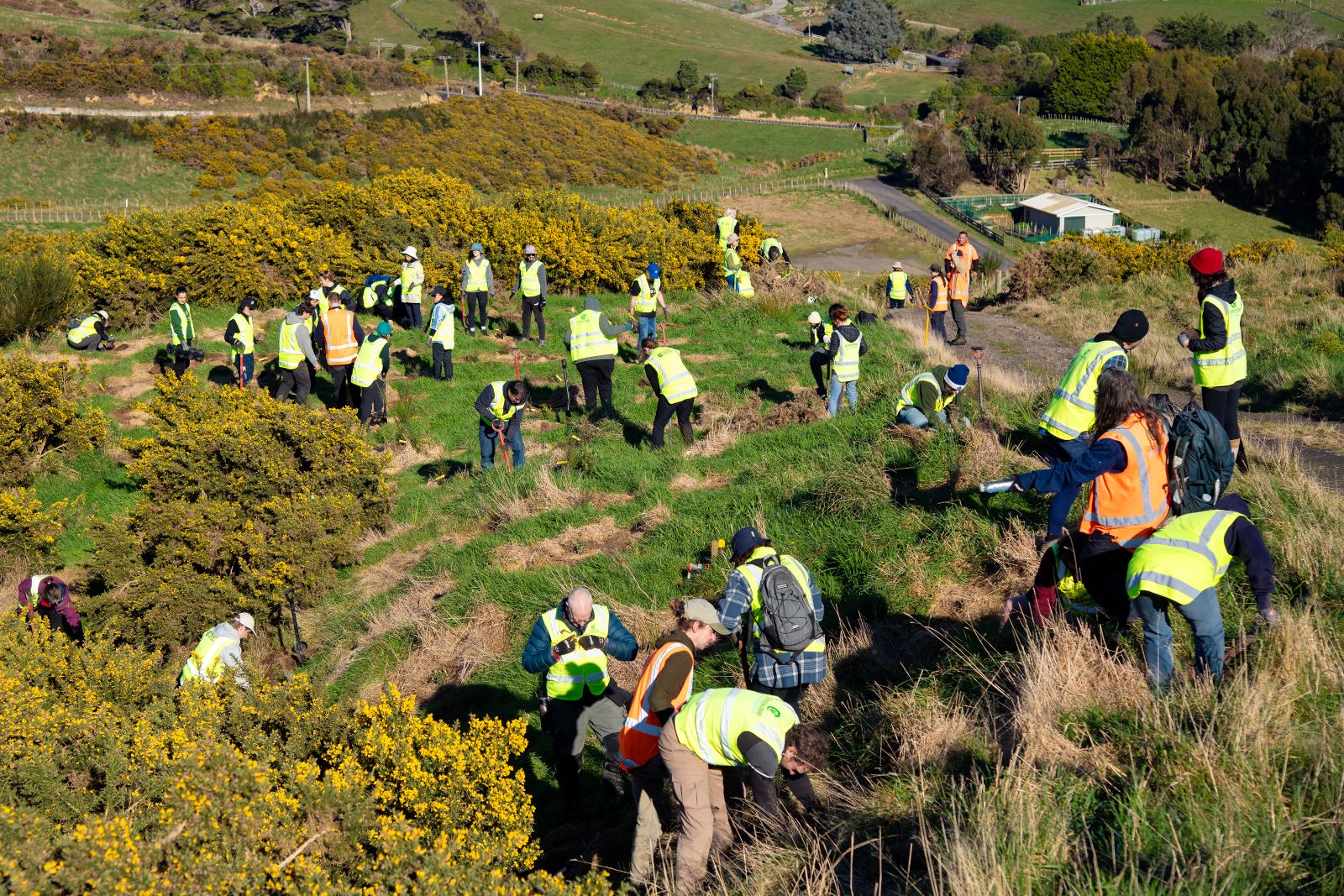
Te Herenga Waka – Victoria University of Wellington
Growing our Future
Te Herenga Waka – Victoria University of Wellington’s Growing our Future project is regenerating native forest on a 26-hectare site on the edge of Wellington, creating a restoration area larger than all the University’s campuses combined. Developed in partnership with Wellington City Council, the project responds to the limited space available for large-scale biodiversity enhancement on the University’s urban campuses by restoring nearby public land within the city’s Outer Green Belt.
Since 2021, the project has planted more than 28,000 native trees, helping to close a gap in a corridor of native habitat along Wellington’s western ridge. The restored site provides a stepping stone for native fauna, including kiwi, while contributing to biodiversity, carbon sequestration, soil stabilisation, water filtration and community access to nature.
Powerful Partnerships
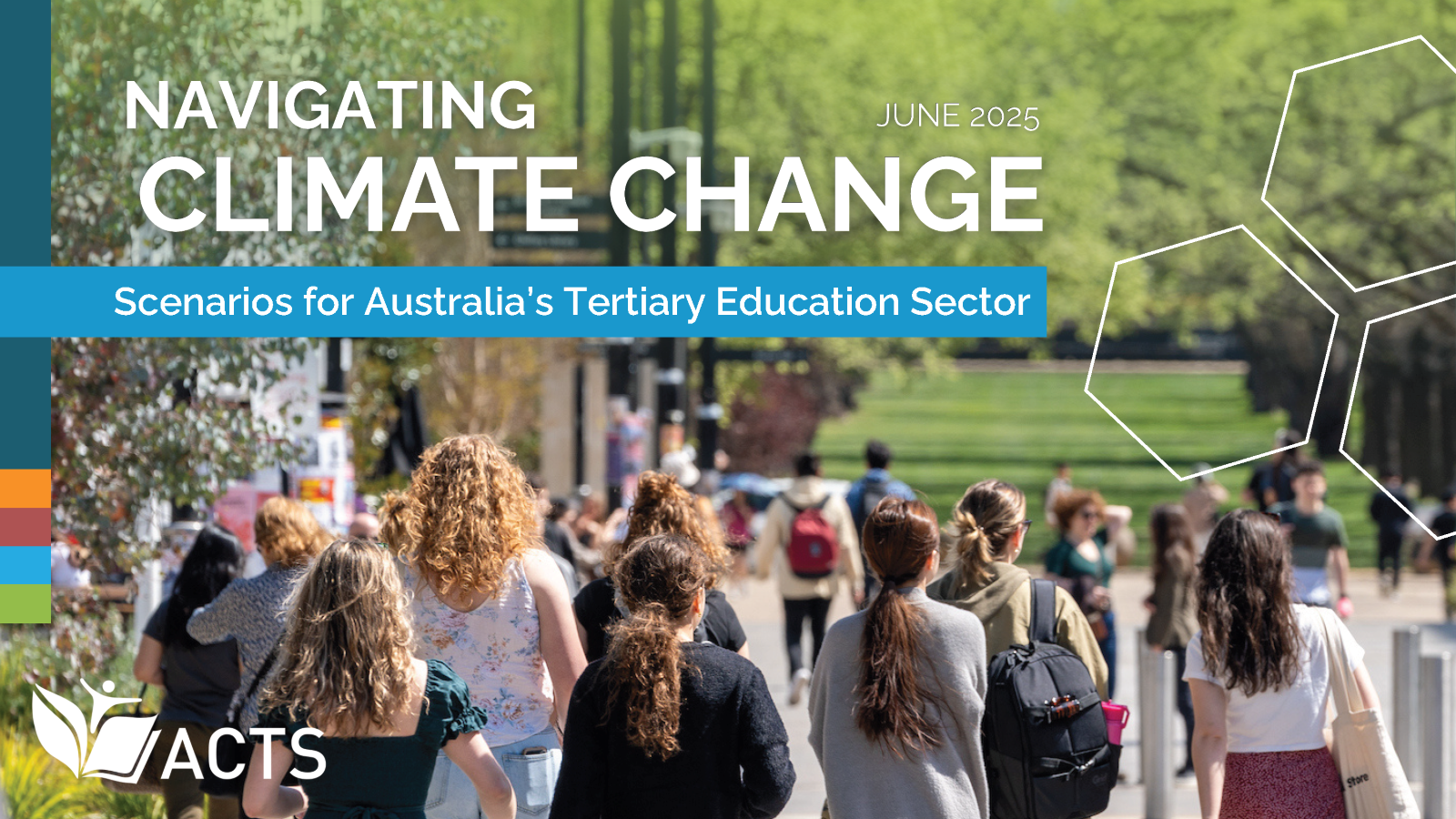
Climate Scenarios Working Group
A sector-wide partnership to navigate climate futures
The Climate Scenarios Working Group brought together twelve Australian universities through the ACTS network to create the sector’s first shared climate scenario framework. Inspired by earlier work in Aotearoa New Zealand, the partnership recognised that climate change presents shared, systemic risks that are better addressed through collective action than isolated institutional efforts.
By pooling funding, expertise and delivery capacity, the partnership avoided duplication, reduced costs and created a publicly available framework now being used to inform climate risk assessments, strategic planning and sustainability reporting. The collaboration has since evolved into an expanded Climate Risk and Adaptation Group, demonstrating lasting sector value.
Staff Champion
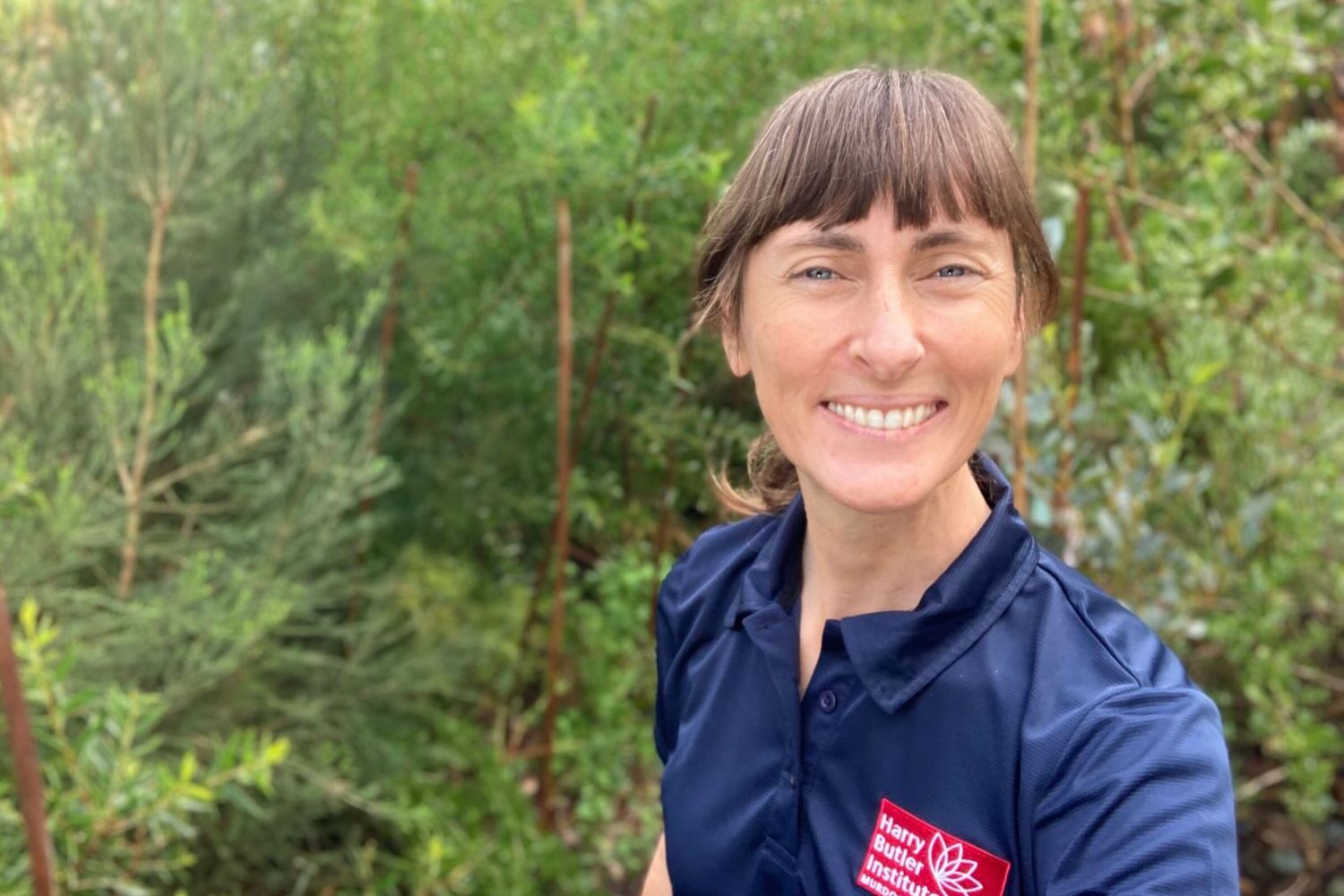
Murdoch University
Dr Grey Coupland
Research Fellow – Ecology
Dr Grey Coupland developed and leads Murdoch University’s Miyawaki Forest Outreach Program, empowering students and communities to create dense native pocket forests that support urban greening, biodiversity restoration and climate action. Since 2021, the program has grown to 24 school and community forests, engaged more than 5,200 participants, and generated over 40,000 citizen-science data points on biodiversity, soil health and urban cooling.
By combining circular-economy composting, hands-on ecological restoration, STEM learning and long-term forest monitoring, Grey has helped transform schools into living laboratories and supported communities to take practical environmental action. The program has informed WA’s approach to urban greening, received UNESCO Green Citizens recognition, and gained national finalist recognition through the Banksia Foundation Awards and Australian Museum Eureka Prizes, demonstrating meaningful environmental and societal impact beyond the university.
Sustainability Leadership

The University of Melbourne
Raveena Grace
Sustainability Coordinator
Raveena Grace is the Sustainability Coordinator at the University of Melbourne and a passionate sustainability leader dedicated to empowering staff and students to create positive change. Driven by a belief in the power of collective action, Raveena designs programs that inspire individuals to become changemakers within their communities.
Over the past eight years, Raveena has led flagship initiatives including Green Impact, Sustainability Week, the Sustainability Awards, Sustainability Advocates and sustainable events programs, engaging tens of thousands of people in sustainability action. Her leadership has delivered more than 8,700 verified sustainability actions, over 1,000 events, and significant environmental outcomes through waste reduction, reuse and emissions reduction. Through sector-leading tools such as the Sustainable Events Framework, Environmental Management System and ACTS Sustainable Events Certification, Raveena’s work is creating lasting behavioural and cultural change within the University and across the global Green Impact network.
Staff Champion
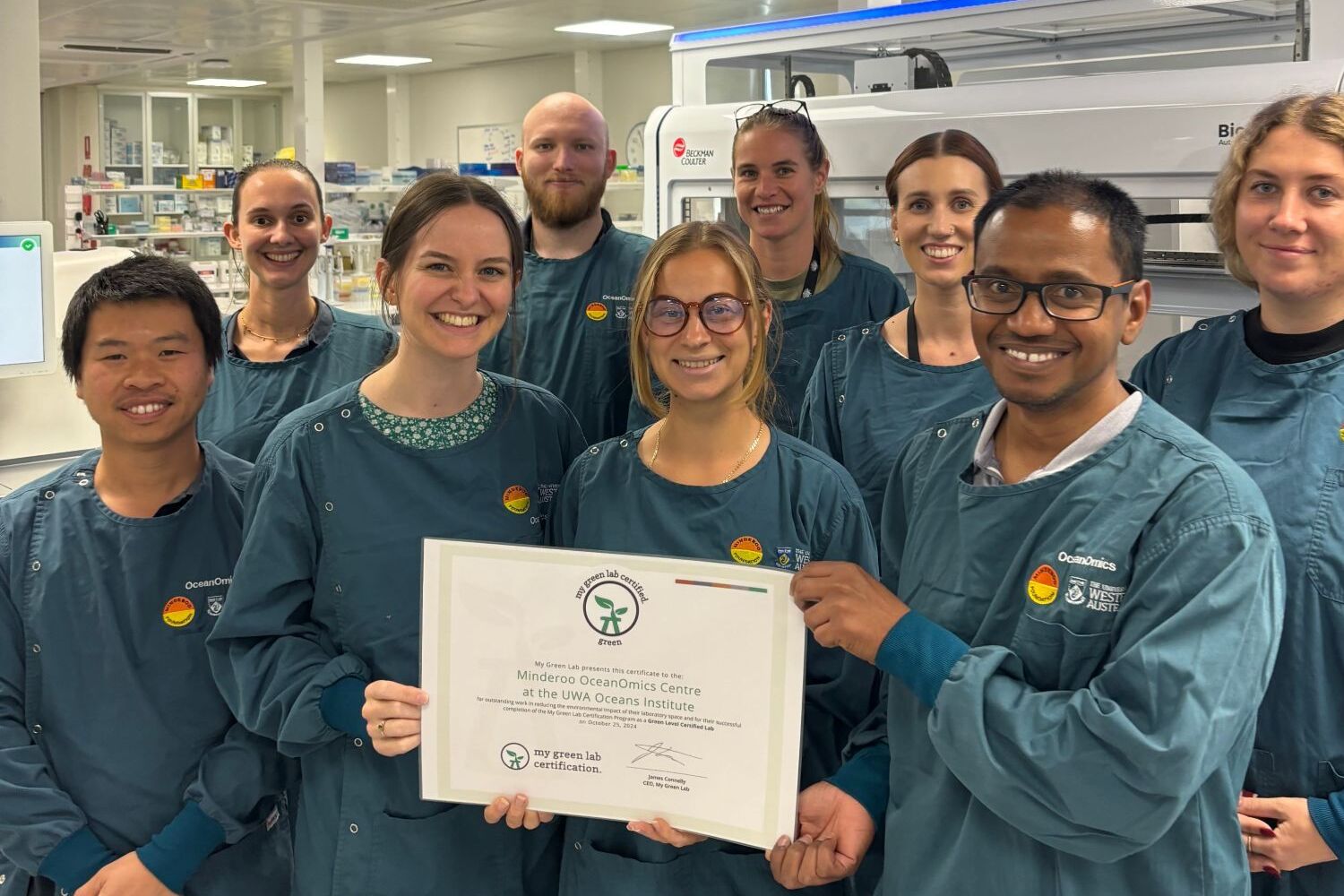
The University of Western Australia
Ibrahim Faseeh
Manager, Research Operations, Minderoo OceanOmics Centre
Ibrahim Faseeh is the Manager, Research Operations at the Minderoo OceanOmics Centre at The University of Western Australia, where he oversees laboratory operations, safety, resource management, and sustainability initiatives within advanced wet laboratory research environments.
With a strong background in quality assurance, operational management, and regulatory compliance in life science research, Ibrahim is passionate about improving the environmental sustainability of research laboratories through practical and evidence-based solutions. He has led the implementation of internationally recognised laboratory sustainability frameworks, helping the OceanOmics Centre become the first research laboratory in Western Australia to achieve My Green Lab Green certification and the first laboratory at UWA to achieve LEAF Gold certification.
Through collaboration, staff engagement, and operational leadership, Ibrahim continues to champion sustainable laboratory practices and contribute to broader institutional sustainability initiatives across the university sector.
Student Champion

University of Tasmania
Jack Oates Pryor
President, Tasmanian University Student Association (TUSA)
Jack Oates Pryor is President of the Tasmanian University Student Association and a student sustainability leader committed to embedding student voice, equity and sustainability into university governance and student life. Through a Students-as-Partners approach, Jack has worked to move beyond consultation towards genuine co-design between students, TUSA and the University of Tasmania.
Jack’s leadership has supported major student wellbeing, food security, transport, reconciliation and governance initiatives across Tasmania. By connecting environmental, social and economic sustainability, Jack has helped strengthen student participation, expand support services and embed values-driven decision-making across institutional systems.
Sustainability Institution of the Year

Ōtākou Whakaihu Waka/University of Otago
Tī Kōuka: A vision of a thriving future
Tī Kōuka: A vision of a thriving future is Ōtākou Whakaihu Waka – University of Otago’s institution-wide sustainability framework, moving sustainability from aspiration into measurable action. Grounded in mātauraka Māori and shaped by the characteristics of the Tī Kōuka tree valued by Kāi Tahu Whānui, the framework provides a shared, place-based approach for embedding sustainability across governance, operations, research, education, student life and external impact.
Co-led by Toitū te Taiao and the Office of Māori Development, Tī Kōuka positions Ōtākou Whakaihu Waka – University of Otago as a Tiriti-led, regenerative university. It has supported major progress, including a 32% reduction in total emissions since 2019, 45% reduction in staff air travel emissions, 68% reduction in landfill emissions, and growing integration of sustainability across curriculum and research.
Through localised planning, student leadership, mātauraka Māori, operational innovation and community partnerships, Tī Kōuka demonstrates how a university can embed sustainability as a whole-of-institution responsibility and create long-term cultural, environmental and social change.
Student Champion

The University of Queensland
Megan Barkman
Masters Student of Civil and Environmental Engineering
Megan Barkman is a Master of Civil and Environmental Engineering student at The University of Queensland whose leadership has strengthened student engagement, climate education and environmental action across campus. Through roles including President of the UQ Climate and Energy Society and UQ Union Environment Officer, Megan has created opportunities for students to engage with sustainability through discussion, practical action, industry connection and cross-political collaboration.
Her work has helped students build confidence, connect with professionals and contribute to campus sustainability strategy. By creating initiatives designed to last beyond individual leadership cycles, Megan has helped embed a stronger culture of climate action, biodiversity awareness and student-led sustainability at UQ.
Diversity, Equity & Inclusion
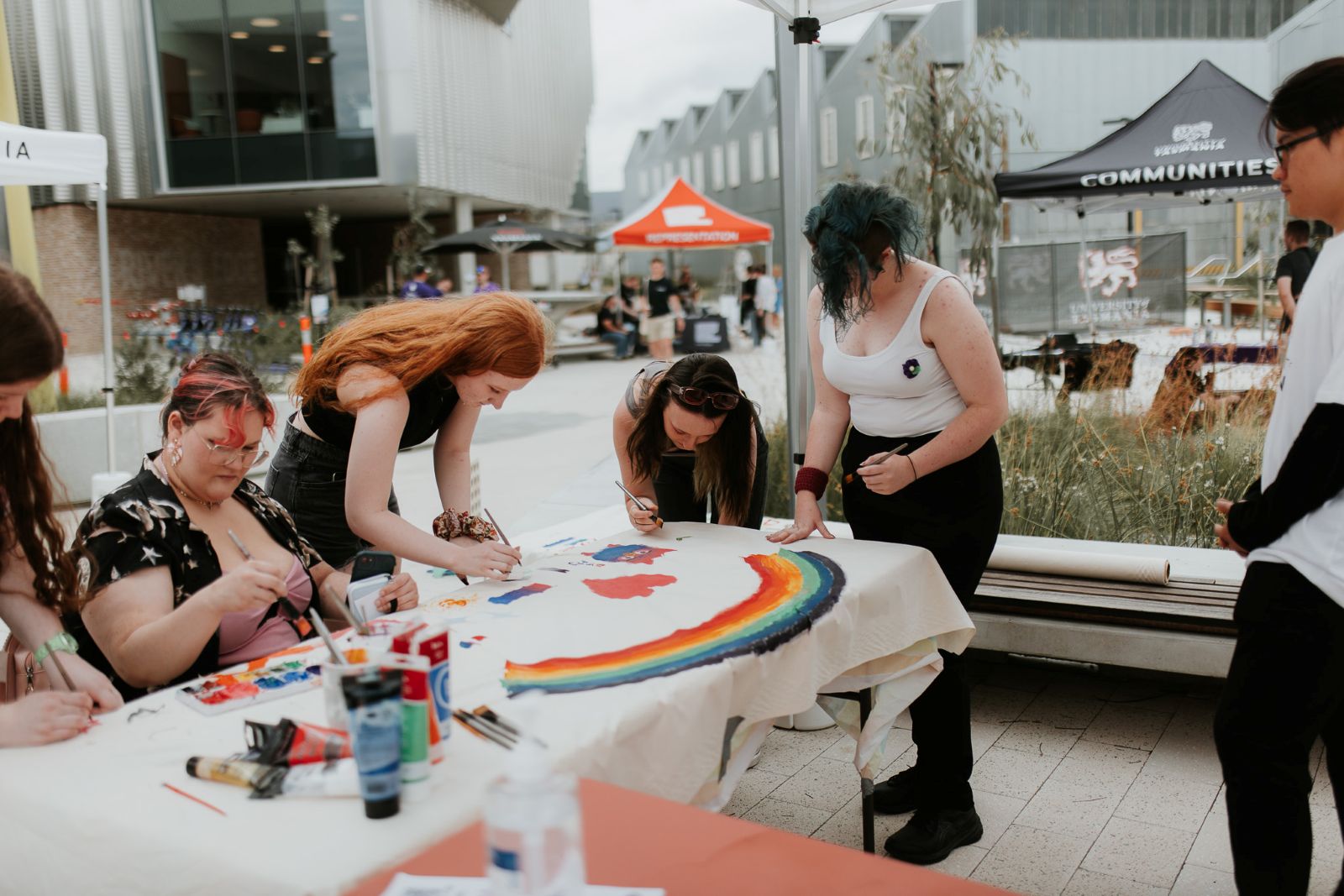
University of Tasmania
This is Me - Innovation and leadership matter for inclusivity
The University of Tasmania’s ‘This is Me’ project is a whole-of-system identity transformation designed to ensure everyone can have their names, pronouns, titles and gender accurately reflected across university systems. Created in response to gender-diverse staff and students reporting exclusionary identity update processes, the project replaces manual, inconsistent workflows with self-service, real-time identity updates across more than 100 IT systems.
Co-designed with lived-experience participants, the project prioritised user dignity and safety over technical convenience. ‘This is Me’ demonstrates how inclusive digital infrastructure can reduce harm, improve data integrity, strengthen belonging and set a new benchmark for diversity, equity and inclusion in tertiary education.
Sustainability Leadership
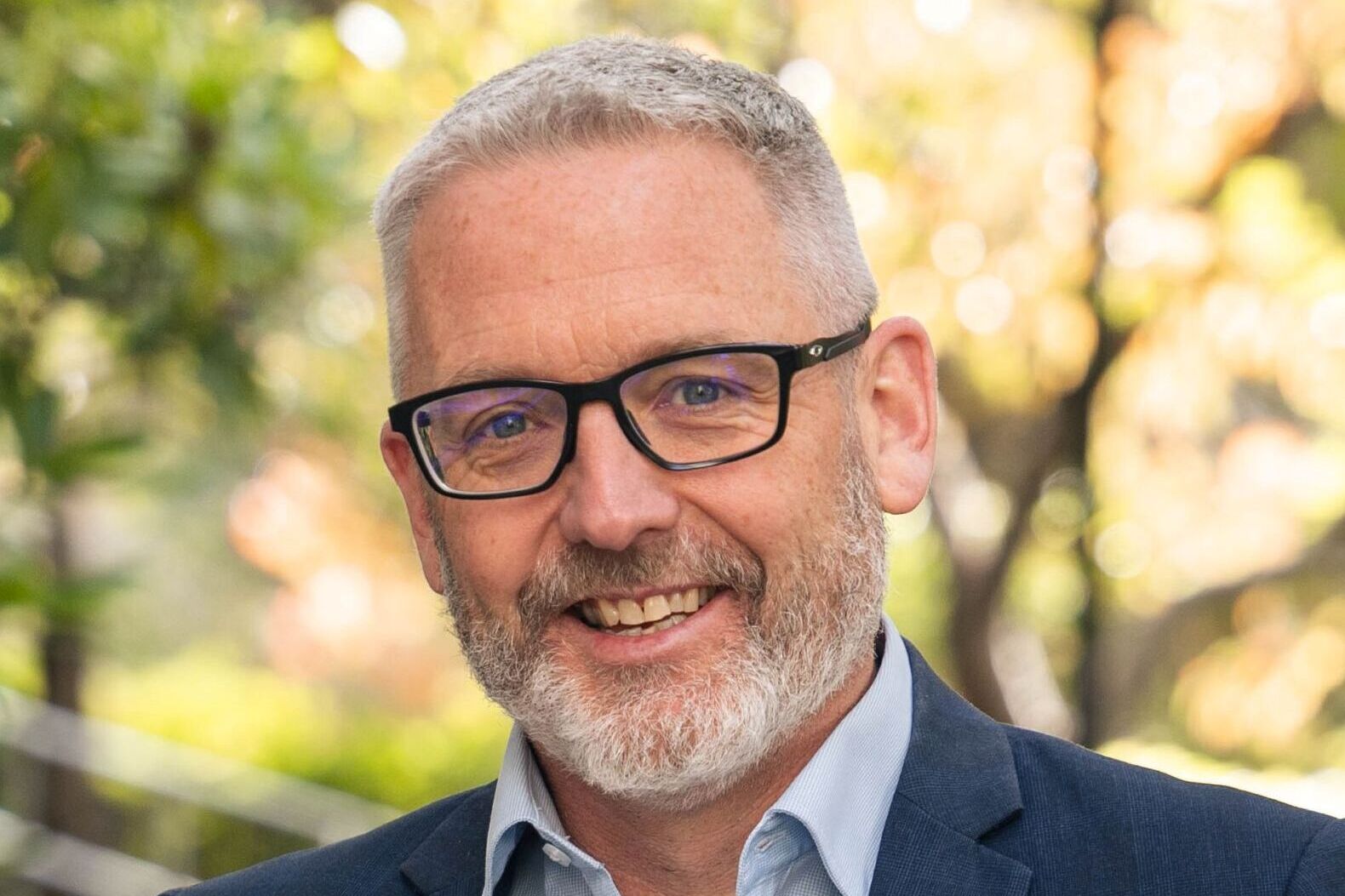
Ōtākou Whakaihu Waka / University of Otago
Dr Ray O’Brien
Tumuaki / Head of Sustainability
Dr Ray O’Brien has led research-informed, whole-of-institution change towards a more sustainable and Tiriti-led university through the Leadership by Learning Design model he developed. As Tumuaki / Head of Sustainability, Ray co-led the development of Tī Kōuka: The Sustainability Strategic Framework, that has reshaped how Ōtākou Whakaihu Waka / University of Otago governs, teaches, researches and operates.
Ray’s leadership is grounded in active decolonisation, embracing complexity, futures thinking and transformational learning experiences. As an ally, his approach is to create space, support others to lead and help embed sustainability across learning, research and operations. This work has contributed a significant number of papers and publications aligning to the SDGs, a reduction in total emissions, and award-winning, sector-leading practice across Aotearoa New Zealand.
Student Engagement
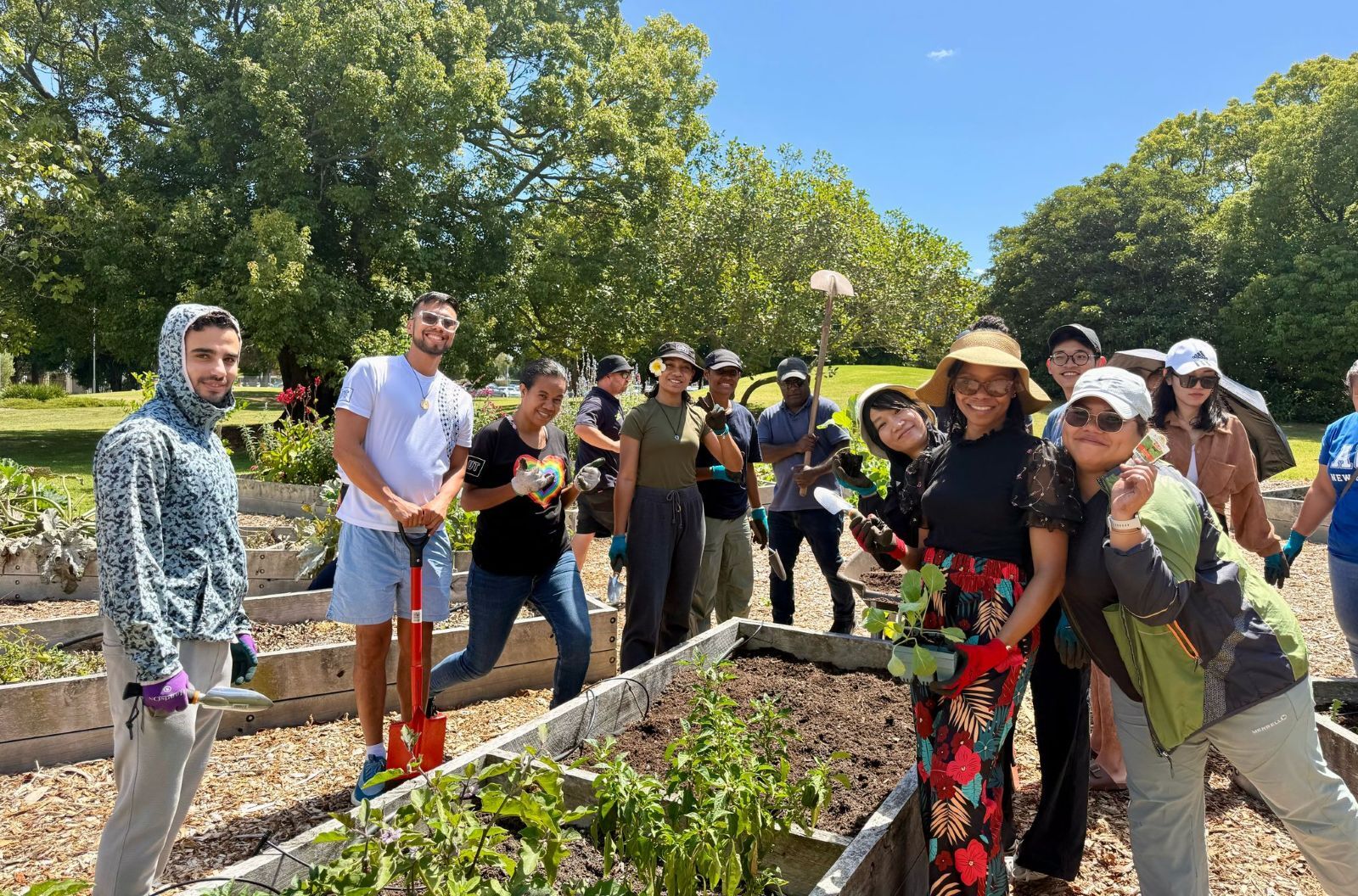
Auckland University of Technology
Empowering the Next Generation of Sustainability Leaders at AUT
Auckland University of Technology’s ‘Empowering the Next Generation of Sustainability Leaders’ program supports students to engage with sustainability through practical, inclusive and community-focused action. Delivered through a combination of staff-supported activities and student-led initiatives, the program creates accessible pathways for students to build confidence, develop leadership skills and contribute to sustainability across campus life.
Through Green Impact and a range of hands-on engagement opportunities, students are supported to move from participation into leadership, designing and delivering projects that reflect their interests and communities. The program has strengthened student agency, built cross-campus collaboration and embedded sustainability as a shared part of the student experience. AUT has created a scalable model for student engagement that develops future sustainability leaders while delivering social, environmental and wellbeing benefits across the university community.
Powerful Partnerships
Victoria University
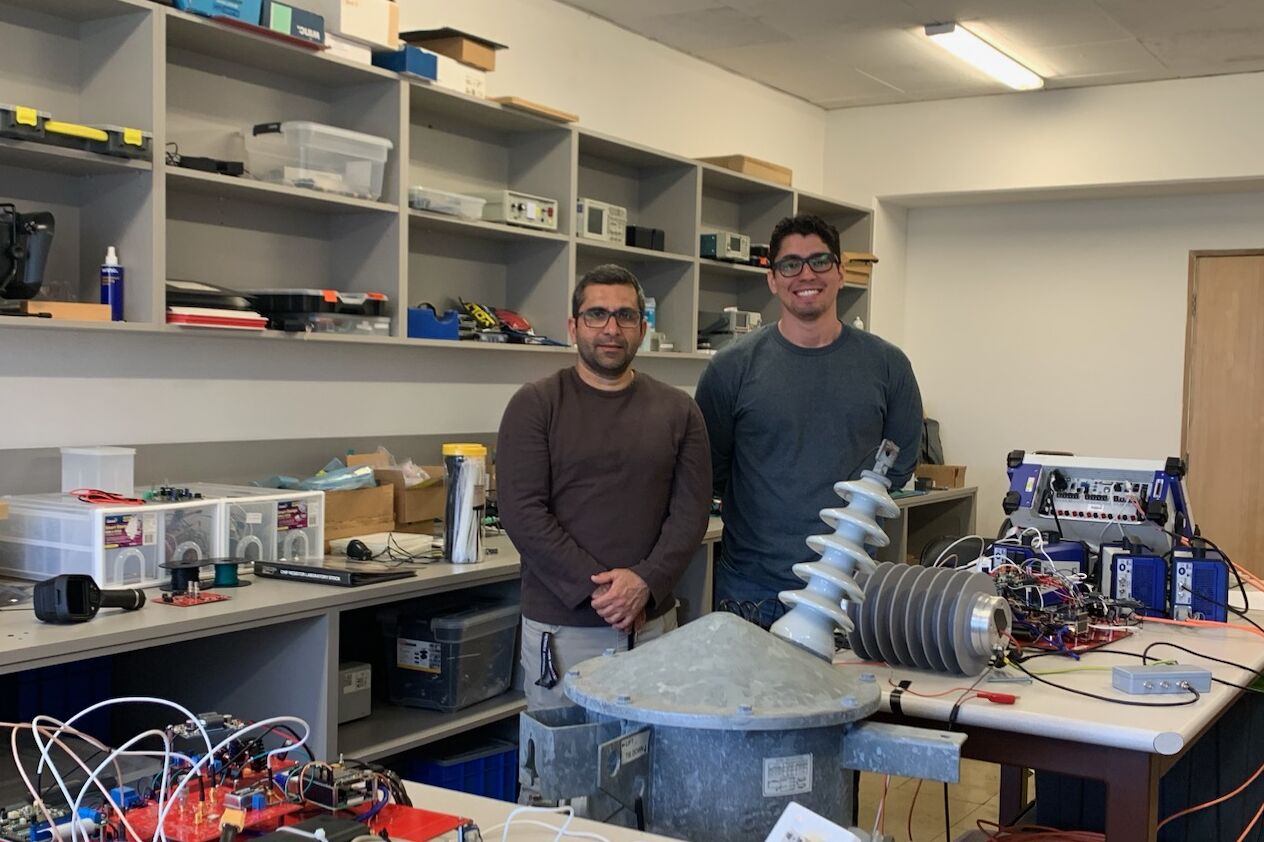
Stopping Broken Powerlines Before They Spark Disaster
Victoria University’s ‘Stopping Broken Powerlines Before They Spark Disaster’ is an eight-year partnership with Powercor addressing a critical bushfire protection gap in rural and regional electricity infrastructure. The project responds to the risks posed by ageing Single Wire Earth Return powerlines, which supply electricity across approximately 200,000 kilometres of rural and regional Australia and can ignite vegetation if they break while energised.
The initiative combines Victoria University’s research capability with Powercor’s live-network access, operational expertise and field crews. Now trialled across five regional Victorian SWER networks and moving towards rollout across ten additional networks by 2027, the project demonstrates how sustained university–industry collaboration can deliver practical climate resilience and public safety outcomes.
Creating Impact
University of Tasmania
Circular creativity student workshops
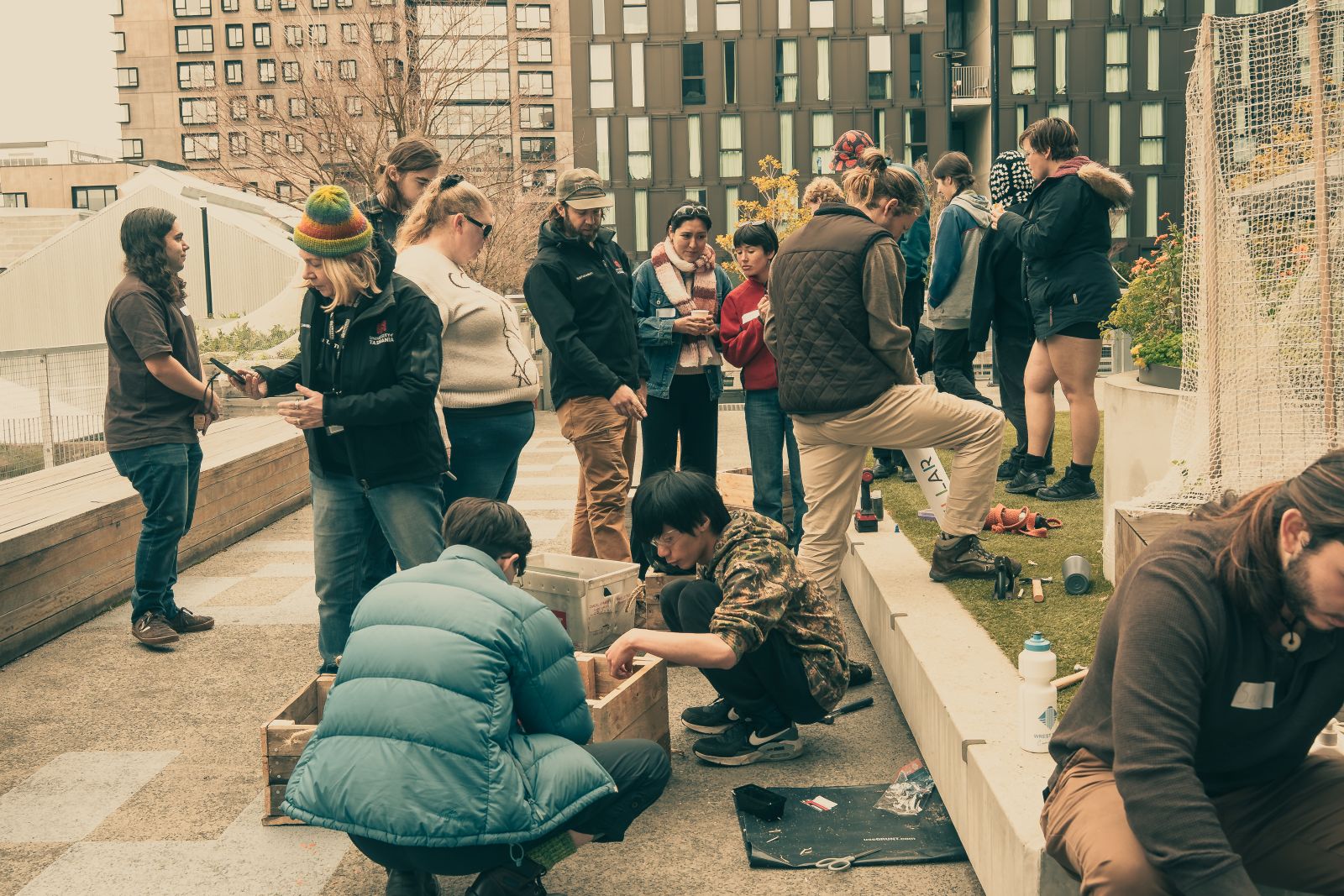
The University of Tasmania’s Circular Creativity Student Workshops is a youth-led project demonstrating how students can inspire community hope and practical sustainability action with limited resources. The project promoted upcycling and encouraged participants to see potential in everyday waste items, while also responding to student cost-of-living pressures by creating opportunities for connection, creativity, saving money and reducing waste.
Seven student leaders from the Student Living University Gardening Society, across Hobart and Sandy Bay, and Togatus student magazine collaborated to design and deliver the project. Supported by a Youth Climate Action Fund microgrant, they co-designed and ran three participatory workshops across two campuses, engaging 35 participants, 80% of whom were young people.
Through the workshops, students upcycled waste materials into 12 food garden beds, created origami seed packets from old magazines, and generated online engagement. The project demonstrates a low-cost, replicable model for community-centred circular economy action that builds skills, confidence, social connection and sustainability leadership.
Student Engagement
Charles Sturt University
Student Voices, Sustainable Choices: Leading Impact from the Ground Up
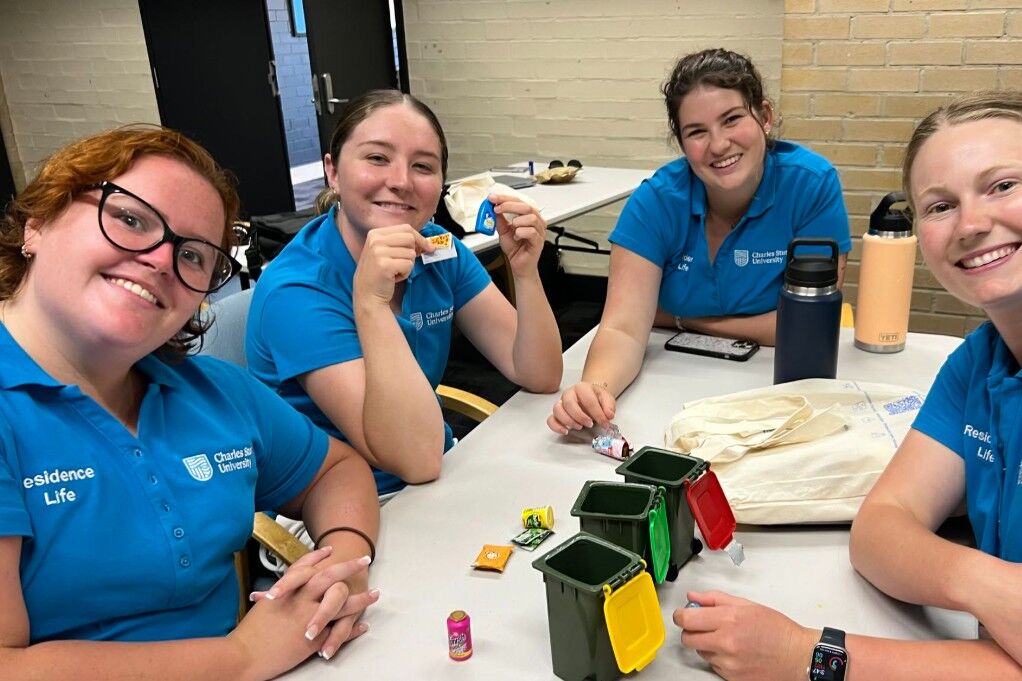
Charles Sturt University’s ‘Student Voices, Sustainable Choices’ initiative empowers students to lead sustainability action through its Student Sustainability Advisers program. Now in its eighth year, the program uses a peer-to-peer model where students design and deliver initiatives that resonate with their campus communities.
Supported by the University’s Sustainability team, advisers help embed sustainable behaviours into everyday student life through education, events, volunteering, resource reuse and community engagement. The program strengthens student leadership while extending the reach of a small professional sustainability team across regional campuses.
By giving students paid, practical experience in sustainability engagement, the initiative builds confidence, employability and a stronger culture of care for people, place and the environment.
2026 FINALISTS
- All
- 2022: Benefitting Society
- 2022: Creating Impact
- 2022: Next Generation Learning and Skills
- 2022: Powerful Partnerships
- 2022: Research with Impact – Student
- 2022: Student Engagement
- 2022: Sustainability Champion – Staff
- 2022: Sustainability Champion – Student
- 2026
- ACTS Staff
- ACTS Student
- Benefitting Society
- Benefitting Society
- Benefitting Society
- Benefitting Society
- Building Back Better
- Climate Action
- Climate Action
- Climate Action
- Climate Action
- Creating Impact
- Creating Impact
- Creating Impact
- Creating Impact
- Creating Impact
- Digital Futures
- Diversity Equity & Inclusion
- Diversity, Equity & Inclusion
- Diversity, Equity & Inclusion in Sustainability
- Diversity, Equity and Inclusion
- Highly Commended
- Leading the Circular Economy
- Leading the Circular Economy
- Leading the Circular Economy
- Nature Positive
- Nature Positive
- Nature Positive
- Next Generation Learning & Skills
- Next Generation Learning & Skills
- Next Generation Learning & Skills
- Next Generation Learning & Skills
- Next Generation Learning and Skills
- Powerful Partnerships
- Powerful Partnerships
- Staff Champion
- Staff Champion
- Staff Champion
- Student Champion
- Student Champion
- Student Champion
- Student Engagement
- Student Engagement
- Student Engagement
- Student Engagement
- Student Engagement
- Sustainability Champion – Staff
- Sustainability Champion – Student
- Sustainability Institution of the Year
- Sustainability Institution of the Year
- Sustainability Institution of the Year
- Sustainability Institution of the Year
- Sustainability Institution of the Year
- Sustainability Leadership
- Sustainability Leadership
- Sustainability Leadership
- Winners
- Winners
Benefitting Society
Griffith University
Performance and Ecology Research Lab (P+ERL): Advancing Climate Care in the Performing Arts
Benefitting Society
Griffith University
Making it Matter: Driving Social Impact Through Community Internships and SDG Partnerships
Benefitting Society
Macquarie University
Macquarie University Food Hub: Nourishing Students, Reducing Waste, Building Community
Benefitting Society
Murdoch University
Connecting children in hospital with nature: eight integrated initiatives
Benefitting Society
University of Tasmania
Island of Ideas – engaging society for informed change
Climate Action
The Australian National University
Becoming Carbon Smart: A multi-dimensional transition
Climate Action
Monash University
Decarbonising Pharmaceutical Science: A Whole-of-Institute Climate Health Transformation
Climate Action
Ōtākou Whakaihu Waka - University of Otago
Navigating to Net Zero: Values, Data, Action
Climate Action
University of Technology Sydney
UTS towards Climate Positive
Sustainability Leadership
University of Technology Sydney
Associate Professor Paul James Brown
Next Generation Learning & Skills
Curtin University
Wicked Problems, Collaborative Solutions: The Curtin University Sustainability Challenge
Nature Positive
UNSW Sydney
Delivering net gain in Nature Value across a major urban campus
Student Champion
Griffith University
Hosna Saba
Digital Futures
University of Technology Sydney
Energy Intelligence: An AI-Driven Building Optimisation Program for a Smarter, Lower-Carbon Campus
Powerful Partnerships
University of the Sunshine Coast
UniSC Milbi Centre – Sea Turtle Research and Rehabilitation
Sustainability Institution of the Year
Auckland University of Technology
Perseverance with Purpose – Sustainability at AUT
Powerful Partnerships
Griffith University
25 Years of Shared Leadership for Sustainability Education: the EcoCentre Partnership
Student Champion
Ōtākou Whakaihu Waka – University of Otago
Lily Bond
Sustainability Leadership
University of Tasmania
Mary Gill
Student Engagement
The Australian National University
Campus as classroom: ANU Green’s work-integrated sustainability internships
Next Generation Learning & Skills
Flinders University
Embedding sustainability in teaching through a Gamified Sustainability Learning Lab
Staff Champion
The Australian National University
Millan Pintos-Lopez
Powerful Partnerships
The University of Sydney
The Wiser Healthcare NetZero Leads Partnership
Sustainability Leadership
Macquarie University
John Macris
Creating Impact
Massey University
Rage to Rags
Staff Champion
Victoria University
Celeste Young
Next Generation Learning & Skills
University of Technology Sydney
Transformative Learning at Scale: A University-Wide Transdisciplinary Electives Program
Next Generation Learning & Skills
Western Sydney University
Integrating regenerative living labs in science curriculum
Powerful Partnerships
The University of Melbourne
Health Service Environmental Sustainability Competition
Diversity, Equity & Inclusion
Envirotech Education
Removing barriers to sustainable blue economy careers: bilingual, on Country cross-cultural marine VET pathways
Creating Impact
The University of Sydney
Beyond the Cohort: Building Sustainable Systems in Healthcare Education
Creating Impact
The University of Melbourne
Sustainability Week 2025: Driving Behaviour Change at Scale
Student Champion
Griffith University
Natalia Drazek
Sustainability Institution of the Year
The University of Melbourne
Closing the Loop: A Whole-of-Estate Circular Economy Program
Nature Positive
University of Technology Sydney
Coral Nurture Program
Next Generation Learning & Skills
The University of Melbourne
The Undergraduate Chemistry Practical Subject Rejuvenation
Diversity, Equity & Inclusion
Wodonga Institute of TAFE
Growing Belonging
Student Champion
Murdoch University
Chloe Elsegood
Digital Futures
University of Tasmania
Digital Futures for Sustainability: Embedding Impact Across Systems, Behaviour and Scale
Nature Positive
Te Herenga Waka – Victoria University of Wellington
Growing our Future
Powerful Partnerships
Climate Scenarios Working Group
A sector-wide partnership to navigate climate futures
Staff Champion
Murdoch University
Dr Grey Coupland
Sustainability Leadership
The University of Melbourne
Raveena Grace
Staff Champion
The University of Western Australia
Ibrahim Faseeh
Student Champion
University of Tasmania
Jack Oates Pryor
Sustainability Institution of the Year
Ōtākou Whakaihu Waka/University of Otago
Tī Kōuka: A vision of a thriving future
Student Champion
The University of Queensland
Megan Barkman
Diversity, Equity & Inclusion
University of Tasmania
This is Me - Innovation and leadership matter for inclusivity
Sustainability Leadership
Ōtākou Whakaihu Waka / University of Otago
Dr Ray O’Brien
Student Engagement
Auckland University of Technology
Empowering the Next Generation of Sustainability Leaders at AUT
Powerful Partnerships
Victoria University
Stopping Broken Powerlines Before They Spark Disaster
Creating Impact
University of Tasmania
Circular creativity student workshops
Student Engagement
Charles Sturt University
Student Voices, Sustainable Choices: Leading Impact from the Ground Up
Organisational Awards
Click + to read the category criteria
Individual Awards
Click + to read the category criteria