Benefitting Society category
Murdoch University’s ‘Connecting Children in Hospital with Nature’ initiative reconnects children undergoing cancer treatment with the natural environment through accessible, nature-based educational resources focused on native Western Australian plants and ecosystems. Led by Dr Janene Sproul, the program responds to the reality that children in oncology care often spend long periods in highly controlled clinical environments where access to plants, gardens and natural elements is restricted.
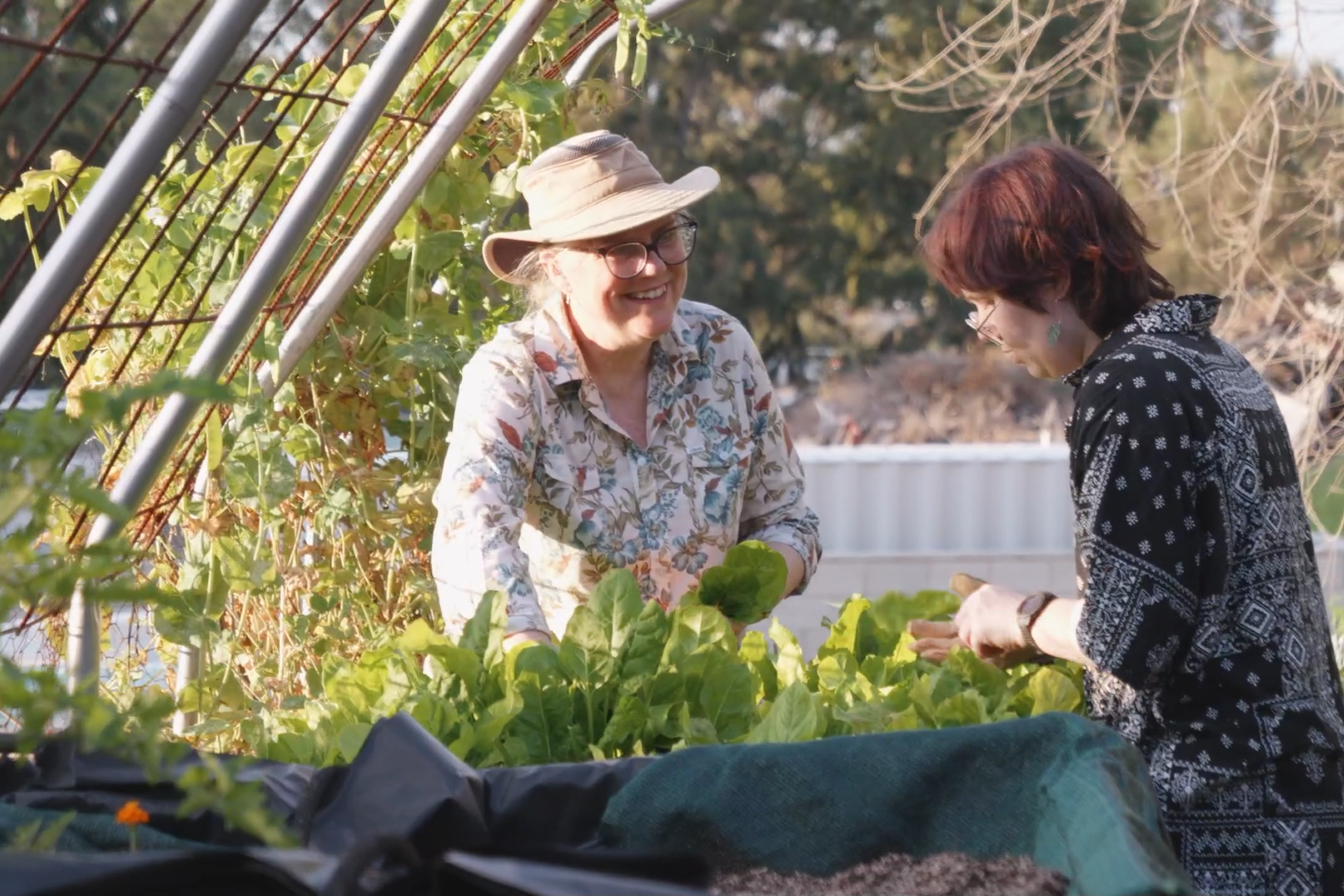
The initiative brings together eight interconnected projects, including the Taxonomy Tournament, Nature Cuddlebooks, Forever Flowering Gardens, decodable readers, digital ecosystem games, community garden learning and dieback action programs. These resources are designed for use across hospital, school, home and community settings, supporting wellbeing, learning continuity and ecological literacy.
Developed through interdisciplinary collaboration and in partnership with Aboriginal Elders on Country, the project embeds First Nations knowledge, language and cultural permissions alongside scientific learning. It demonstrates how education, healthcare and community action can work together to support children’s wellbeing, environmental stewardship and connection to place.
Impacts & Benefits
- Reconnected children in oncology care with nature, supporting wellbeing, learning continuity and emotional connection during long-term hospitalisation.
- Created eight integrated nature-based initiatives, including tactile books, pop-up native gardens, digital games, taxonomy resources and school learning tools.
- Built ecological literacy in schools and communities, focusing on native Western Australian plants, biodiversity, biosecurity and ecosystem health.
- Provided free, reusable educational resources, reducing barriers for teachers, families and hospital schools while supporting the K–10 Science curriculum.
- Strengthened community and student engagement, including around 2,000 Taxonomy Tournament participants annually and 300–400 monthly Murdoch Community Garden visits.
Leadership & Engagement
- Embedded First Nations knowledge respectfully, incorporating Aboriginal language and cultural permissions through partnerships with Elders and cultural custodians.
- Resources designed for constrained clinical settings, creating low-mobility, repeatable and accessible activities suitable for children experiencing pain, fatigue or treatment limitations.
- Extended impact across hospital, school and community contexts, enabling shared learning between children, families, classmates, teachers and carers.
- Built future educator and workforce capability, involving pre-service teachers, tertiary students and graduates in biodiversity education, dieback action and research pathways.
Wider Societal Impact
- Reduced isolation for children in hospital, creating shared learning experiences that connect them with classmates, families and community during treatment.
- Strengthened environmental stewardship across generations, helping children, families, teachers and volunteers better understand local ecosystems and native species.
- Created a scalable model for healthcare and education, showing how nature-based learning can support wellbeing and curriculum outcomes in constrained environments.
- Supported cultural inclusion and accessibility, with multilingual resources and culturally grounded approaches that include First Nations language and knowledge.
- Built resilient community connections, linking hospital care, schools, community gardens, conservation activities and tertiary education through shared place-based learning.


Top 3 learnings
Supported by

Category finalists
Benefitting Society
Benefitting Society
Benefitting Society
Benefitting Society
Benefitting Society
Benefitting Society
Benefitting Society
Benefitting Society
Benefitting Society category
Murdoch University’s ‘Connecting Children in Hospital with Nature’ initiative reconnects children undergoing cancer treatment with the natural environment through accessible, nature-based educational resources focused on native Western Australian plants and ecosystems. Led by Dr Janene Sproul, the program responds to the reality that children in oncology care often spend long periods in highly controlled clinical environments where access to plants, gardens and natural elements is restricted.
The initiative brings together eight interconnected projects, including the Taxonomy Tournament, Nature Cuddlebooks, Forever Flowering Gardens, decodable readers, digital ecosystem games, community garden learning and dieback action programs. These resources are designed for use across hospital, school, home and community settings, supporting wellbeing, learning continuity and ecological literacy.
Developed through interdisciplinary collaboration and in partnership with Aboriginal Elders on Country, the project embeds First Nations knowledge, language and cultural permissions alongside scientific learning. It demonstrates how education, healthcare and community action can work together to support children’s wellbeing, environmental stewardship and connection to place.
Top 3 learnings
Impacts & Benefits
- Reconnected children in oncology care with nature, supporting wellbeing, learning continuity and emotional connection during long-term hospitalisation.
- Created eight integrated nature-based initiatives, including tactile books, pop-up native gardens, digital games, taxonomy resources and school learning tools.
- Built ecological literacy in schools and communities, focusing on native Western Australian plants, biodiversity, biosecurity and ecosystem health.
- Provided free, reusable educational resources, reducing barriers for teachers, families and hospital schools while supporting the K–10 Science curriculum.
- Strengthened community and student engagement, including around 2,000 Taxonomy Tournament participants annually and 300–400 monthly Murdoch Community Garden visits.
Leadership & Engagement
- Embedded First Nations knowledge respectfully, incorporating Aboriginal language and cultural permissions through partnerships with Elders and cultural custodians.
- Resources designed for constrained clinical settings, creating low-mobility, repeatable and accessible activities suitable for children experiencing pain, fatigue or treatment limitations.
- Extended impact across hospital, school and community contexts, enabling shared learning between children, families, classmates, teachers and carers.
- Built future educator and workforce capability, involving pre-service teachers, tertiary students and graduates in biodiversity education, dieback action and research pathways.
Wider Societal Impact
- Reduced isolation for children in hospital, creating shared learning experiences that connect them with classmates, families and community during treatment.
- Strengthened environmental stewardship across generations, helping children, families, teachers and volunteers better understand local ecosystems and native species.
- Created a scalable model for healthcare and education, showing how nature-based learning can support wellbeing and curriculum outcomes in constrained environments.
- Supported cultural inclusion and accessibility, with multilingual resources and culturally grounded approaches that include First Nations language and knowledge.
- Built resilient community connections, linking hospital care, schools, community gardens, conservation activities and tertiary education through shared place-based learning.
Supported by
Category finalists
Benefitting Society
Benefitting Society
Benefitting Society
Benefitting Society
Benefitting Society
Benefitting Society
Benefitting Society
Benefitting Society