Staff Champion category
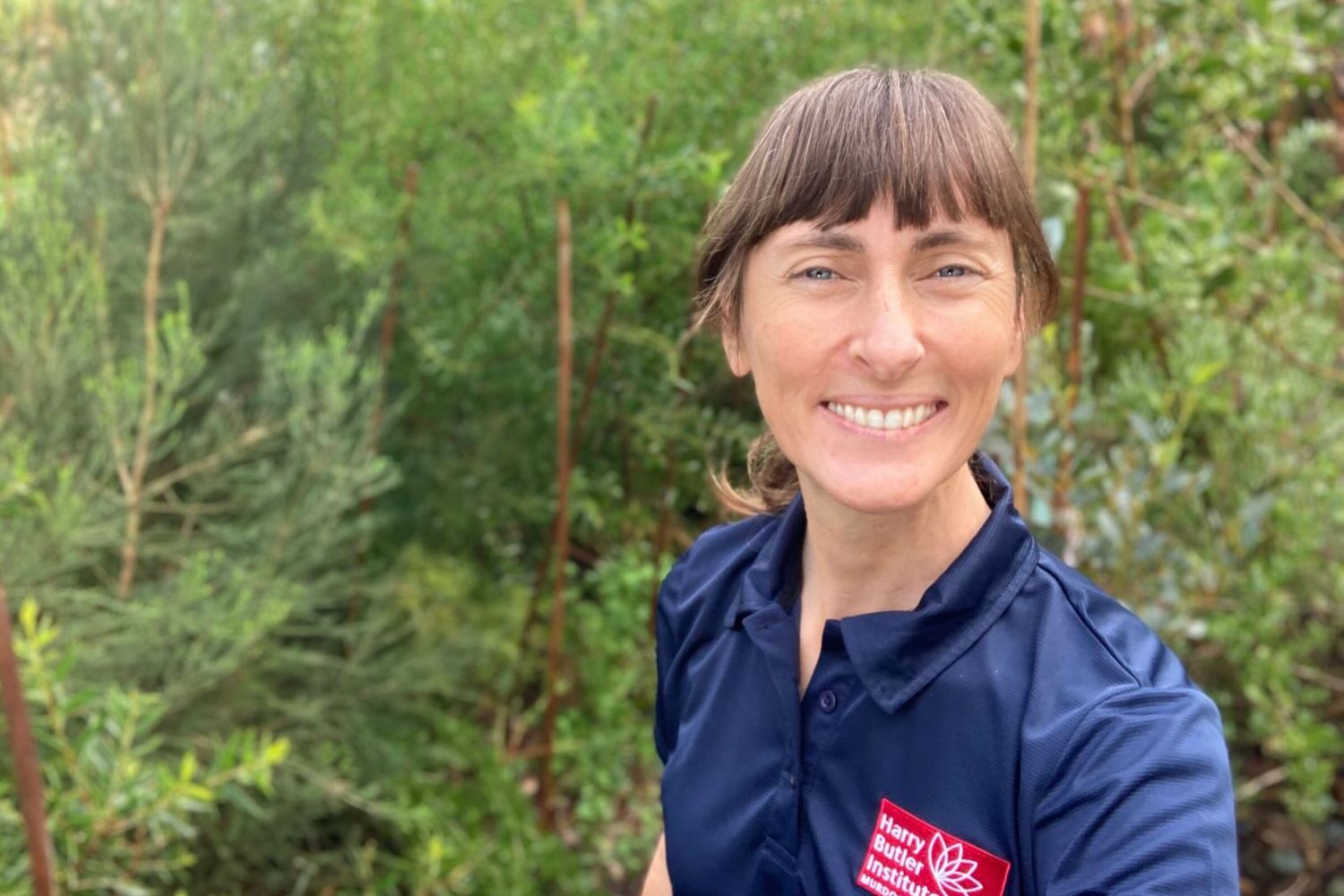
Dr Grey Coupland developed and leads Murdoch University’s Miyawaki Forest Outreach Program, empowering students and communities to create dense native pocket forests that support urban greening, biodiversity restoration and climate action. Since 2021, the program has grown to 24 school and community forests, engaged more than 5,200 participants, and generated over 40,000 citizen-science data points on biodiversity, soil health and urban cooling.
By combining circular-economy composting, hands-on ecological restoration, STEM learning and long-term forest monitoring, Grey has helped transform schools into living laboratories and supported communities to take practical environmental action. The program has informed WA’s approach to urban greening, received UNESCO Green Citizens recognition, and gained national finalist recognition through the Banksia Foundation Awards and Australian Museum Eureka Prizes, demonstrating meaningful environmental and societal impact beyond the university.
Impacts & Benefits
- Generated strong environmental evidence, including over 40,000 data points on biodiversity, soil health and urban cooling.
- Created measurable biodiversity and cooling benefits, with monitoring recording 48 bird species, more than 103,000 ground-dwelling organism observations, and some forest soils up to 4°C cooler than nearby unvegetated areas.
- Embedded circular economy learning, turning food scraps, paper waste and coffee grounds into compost to restore degraded planting sites.
- Influenced wider sustainability action, informing WA’s urban greening agenda, strengthening school and community stewardship, and creating a model for replication beyond Murdoch University.
Leadership & Engagement
- Created a long-term sustainability model that integrates ecological restoration, citizen science, education and community engagement.
- Led broad cross-sector collaboration with schools, local governments, community groups, industry partners and Murdoch University.
- Expanded the program’s reach and impact, growing it to 24 forests and more than 5,200 participants, including over 5,100 student citizen scientists.
- Strengthened Murdoch University’s sustainability leadership by translating research into practical action on biodiversity, urban heat and climate resilience.
- Shared the model widely to support replication, through public talks, media, conferences, international partnerships and the Pocket Forests WA platform.
Wider Societal Impact
- Created a practical model for community-led climate action.
- Delivered public environmental benefits, including wildlife habitat, improved amenity and measurable urban cooling in low-canopy areas.
- Built ecological literacy and community agency, helping students and communities respond to climate and biodiversity challenges through hands-on action.
- Generated evidence for nature-based solutions, with monitoring data showing biodiversity gains and cooler soil and surface temperatures.
- Influenced policy and replication, with Miyawaki or pocket forests included in WA’s ‘Let’s Grow’ grants and inspiring adoption through state, interstate and international partnerships.


Top 3 learnings
Supported by

Category finalists
Staff Champion
Staff Champion
Staff Champion
Staff Champion
Staff Champion
Staff Champion
Staff Champion category
Dr Grey Coupland developed and leads Murdoch University’s Miyawaki Forest Outreach Program, empowering students and communities to create dense native pocket forests that support urban greening, biodiversity restoration and climate action. Since 2021, the program has grown to 24 school and community forests, engaged more than 5,200 participants, and generated over 40,000 citizen-science data points on biodiversity, soil health and urban cooling.
By combining circular-economy composting, hands-on ecological restoration, STEM learning and long-term forest monitoring, Grey has helped transform schools into living laboratories and supported communities to take practical environmental action. The program has informed WA’s approach to urban greening, received UNESCO Green Citizens recognition, and gained national finalist recognition through the Banksia Foundation Awards and Australian Museum Eureka Prizes, demonstrating meaningful environmental and societal impact beyond the university.
Top 3 learnings
Impacts & Benefits
- Generated strong environmental evidence, including over 40,000 data points on biodiversity, soil health and urban cooling.
- Created measurable biodiversity and cooling benefits, with monitoring recording 48 bird species, more than 103,000 ground-dwelling organism observations, and some forest soils up to 4°C cooler than nearby unvegetated areas.
- Embedded circular economy learning, turning food scraps, paper waste and coffee grounds into compost to restore degraded planting sites.
- Influenced wider sustainability action, informing WA’s urban greening agenda, strengthening school and community stewardship, and creating a model for replication beyond Murdoch University.
Leadership & Engagement
- Created a long-term sustainability model that integrates ecological restoration, citizen science, education and community engagement.
- Led broad cross-sector collaboration with schools, local governments, community groups, industry partners and Murdoch University.
- Expanded the program’s reach and impact, growing it to 24 forests and more than 5,200 participants, including over 5,100 student citizen scientists.
- Strengthened Murdoch University’s sustainability leadership by translating research into practical action on biodiversity, urban heat and climate resilience.
- Shared the model widely to support replication, through public talks, media, conferences, international partnerships and the Pocket Forests WA platform.
Wider Societal Impact
- Created a practical model for community-led climate action.
- Delivered public environmental benefits, including wildlife habitat, improved amenity and measurable urban cooling in low-canopy areas.
- Built ecological literacy and community agency, helping students and communities respond to climate and biodiversity challenges through hands-on action.
- Generated evidence for nature-based solutions, with monitoring data showing biodiversity gains and cooler soil and surface temperatures.
- Influenced policy and replication, with Miyawaki or pocket forests included in WA’s ‘Let’s Grow’ grants and inspiring adoption through state, interstate and international partnerships.
Supported by
Related finalists
Staff Champion
Staff Champion
Staff Champion
Staff Champion
Staff Champion
Staff Champion