Staff Champion category
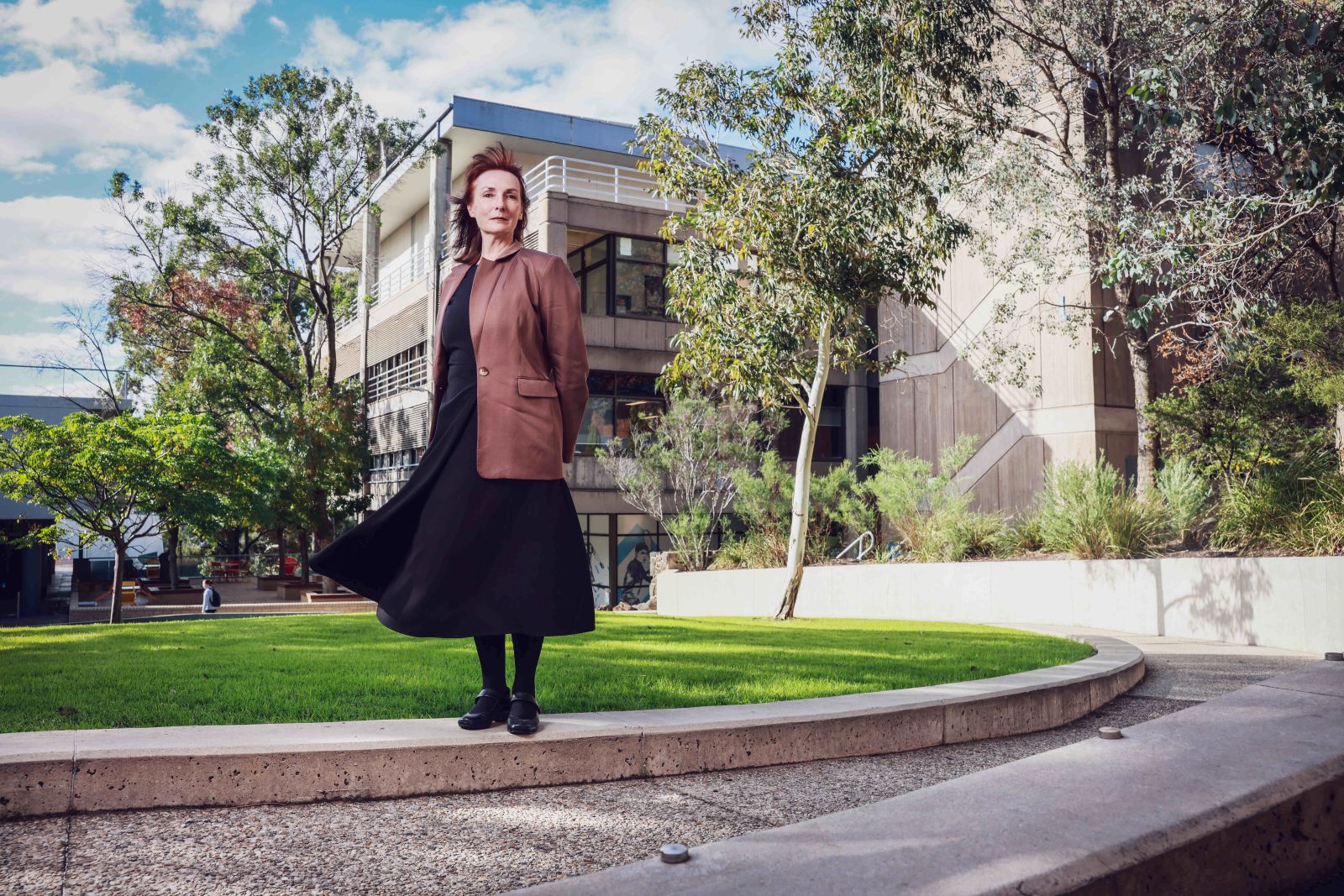
For over a decade, Celeste Young has worked alongside communities, volunteers and emergency management organisations to help Australia adapt to the growing impacts of climate-driven disasters. Grounded in the belief that those most affected hold valuable knowledge and solutions, Celeste’s work brings community voices into critical conversations about recovery, volunteering, inclusion and capability.
Through community-engaged research, workshops and long-term partnerships, her work has influenced Australia’s Disaster Risk Reduction Framework, informed the National Emergency Volunteering Strategy, shaped recovery policy following the Black Summer bushfires, and supported workforce capability planning across emergency management and beyond. Celeste’s leadership is helping communities, institutions and emergency management systems better adapt, respond and thrive in an increasingly uncertain climate future.
Impacts & Benefits
- Shifted recovery thinking from vulnerability to capability by identifying distinct community capabilities following the Black Summer bushfires and COVID-19, highlighting the role of trust, local leadership, generosity, connection and practical know-how in disaster recovery.
- Strengthened community voice in recovery systems, with participants recognising that the research accurately reflected their lived experience and created “more space” for communities to speak and be heard.
- Influenced state and national policy, including supporting the recognition of Arts as a formal recovery sector by Bushfire Recovery Victoria.
- Embedded inclusion into risk planning, helping agencies treat diversity and inclusion as organisational capability issues.
- Demonstrated measurable sector value, including a 20:1 return on investment for an Indigenous pathways program and formal endorsement of the Emergency Management Sustainable Volunteering Blueprint.
Leadership & Engagement
- Built genuine partnerships between communities, practitioners, governments and emergency management organisations.
- Advocated for community voices by promoting the principle of working with communities, rather than for
- Created space for difficult conversations across complex issues including recovery, volunteering, inclusion and organisational capability.
- Connected research with practical action through strong networks across Australia, New Zealand and internationally.
- Demonstrated inclusive leadership by building trust, amplifying diverse perspectives and turning them into lasting change.
Wider Societal Impact
- Supported climate adaptation by shifting focus from short-term disaster response to long-term recovery, resilience and community capability.
- Reframed communities as active contributors, recognising local knowledge, trust, connection and leadership as critical to recovery.
- Strengthened emergency management systems by informing approaches to inclusion, social risk, organisational capability and volunteer sustainability.
- Influenced national strategy, with the Sustainable Volunteering Blueprint helping shape Australia’s National Emergency Volunteering Strategy.


Top 3 learnings
Supported by

Category finalists

Staff Champion
Staff Champion
Staff Champion
Staff Champion
Staff Champion
Staff Champion
Staff Champion category
For over a decade, Celeste Young has worked alongside communities, volunteers and emergency management organisations to help Australia adapt to the growing impacts of climate-driven disasters. Grounded in the belief that those most affected hold valuable knowledge and solutions, Celeste’s work brings community voices into critical conversations about recovery, volunteering, inclusion and capability.
Through community-engaged research, workshops and long-term partnerships, her work has influenced Australia’s Disaster Risk Reduction Framework, informed the National Emergency Volunteering Strategy, shaped recovery policy following the Black Summer bushfires, and supported workforce capability planning across emergency management and beyond. Celeste’s leadership is helping communities, institutions and emergency management systems better adapt, respond and thrive in an increasingly uncertain climate future.
Top 3 learnings
Impacts & Benefits
- Shifted recovery thinking from vulnerability to capability by identifying distinct community capabilities following the Black Summer bushfires and COVID-19, highlighting the role of trust, local leadership, generosity, connection and practical know-how in disaster recovery.
- Strengthened community voice in recovery systems, with participants recognising that the research accurately reflected their lived experience and created “more space” for communities to speak and be heard.
- Influenced state and national policy, including supporting the recognition of Arts as a formal recovery sector by Bushfire Recovery Victoria.
- Embedded inclusion into risk planning, helping agencies treat diversity and inclusion as organisational capability issues.
- Demonstrated measurable sector value, including a 20:1 return on investment for an Indigenous pathways program and formal endorsement of the Emergency Management Sustainable Volunteering Blueprint.
Leadership & Engagement
- Built genuine partnerships between communities, practitioners, governments and emergency management organisations.
- Advocated for community voices by promoting the principle of working with communities, rather than for
- Created space for difficult conversations across complex issues including recovery, volunteering, inclusion and organisational capability.
- Connected research with practical action through strong networks across Australia, New Zealand and internationally.
- Demonstrated inclusive leadership by building trust, amplifying diverse perspectives and turning them into lasting change.
Wider Societal Impact
- Supported climate adaptation by shifting focus from short-term disaster response to long-term recovery, resilience and community capability.
- Reframed communities as active contributors, recognising local knowledge, trust, connection and leadership as critical to recovery.
- Strengthened emergency management systems by informing approaches to inclusion, social risk, organisational capability and volunteer sustainability.
- Influenced national strategy, with the Sustainable Volunteering Blueprint helping shape Australia’s National Emergency Volunteering Strategy.
Supported by
Related finalists
Staff Champion
Staff Champion
Staff Champion
Staff Champion
Staff Champion
Staff Champion