Next Generation Learning & Skills category
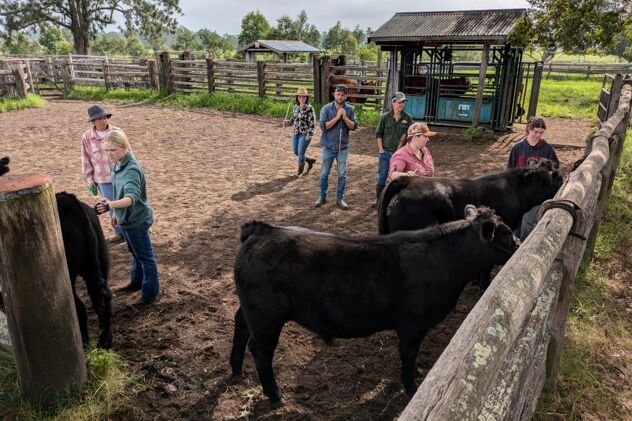
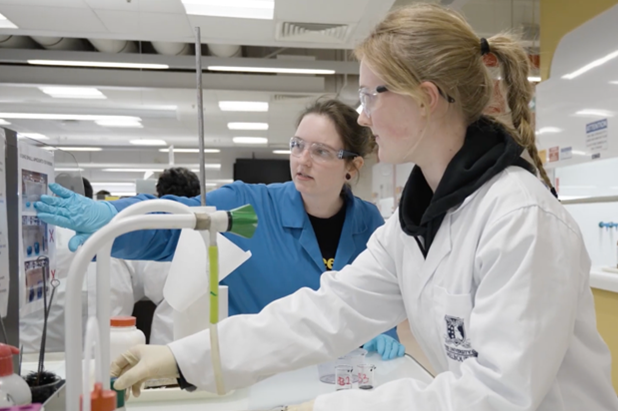
Western Sydney University’s ‘Integrating Regenerative Living Labs in Science Curriculum’ initiative embeds the Hawkesbury campus’s unique environmental and agricultural assets directly into science teaching and learning. The program uses regenerative agriculture, water recycling, biodiversity stewardship, emerging rewilding initiatives and digital tools such as GIS, drones and AI as practical learning environments for students.
Led through the School of Science in collaboration with the Western Environmental Sustainability team and Hawkesbury Farm, the initiative has shifted living lab activity from isolated subject-based use to a more strategic, coordinated curriculum model. Students engage with real-world land management, climate adaptation, ecosystem restoration, animal welfare, water management and agroecology challenges through undergraduate subjects, Work Integrated Learning, postgraduate research and practical farm activities.
By integrating campus operations, curriculum, data stewardship and industry-relevant skills development, the initiative supports job-ready graduates equipped to respond to climate change, nature risk and evolving land management challenges in Western Sydney and beyond.
Impacts & Benefits
- Engages around 450 Western Sydney University students and staff annually across nine undergraduate School of Science subjects, postgraduate activity and research.
- Uses Hawkesbury Farm as a real-world learning environment, connecting students with regenerative agriculture, livestock operations, water recycling and land stewardship.
- Builds practical skills for future scientists, including GIS, drones, AI, monitoring, assessment, problem-solving, teamwork and applied land management.
- Supports wider education pathways, including Richmond Agricultural College students, school groups, National Science Week and Pathways to Dreaming activities.
- Demonstrates circular land management, using composted green waste, bedding, hay, fodder and locally sourced chicken manure to produce soil conditioners returned to pasture.
Leadership & Engagement
- Strategically integrates living labs into curriculum.
- Connects teaching, operations and research, linking the farm team, School of Science, Hawkesbury Institute for the Environment and student-led activities.
- Supports interdisciplinary learning, spanning environmental science, climate science, ecology, agricultural technology, biosecurity and sustainable environments.
- Creates peer mentoring and leadership opportunities, particularly through the growing student show team and livestock-related activities.
- Strengthens partnerships across the region, including Richmond Agricultural College, NSW Local Land Services, Greening Australia, Northwest Disability Services and Agritech tenants.
Wider Societal Impact
- Prepares graduates for changing land management needs, building skills relevant to climate adaptation, nature risk, agroecology and sustainable agriculture.
- Supports practical approaches to resilience and transition, showing how universities can use campus assets to build capability for local and global sustainability challenges.
- Contributes to Western Sydney’s regional needs, strengthening education pathways and applied sustainability skills in a rapidly changing peri-urban landscape.
- Provides a transferable living lab model, relevant to secondary, tertiary, vocational and lifelong learning settings.
- Promotes regenerative and nature-based solutions, demonstrating how water recycling, biodiversity stewardship, rewilding and farm systems can support more sustainable land management.


Top 3 learnings
Supported by
Category finalists

Next Generation Learning & Skills
Next Generation Learning & Skills
Next Generation Learning & Skills
Next Generation Learning & Skills

Next Generation Learning & Skills
Next Generation Learning & Skills
Next Generation Learning & Skills
Next Generation Learning & Skills
Next Generation Learning & Skills category
Western Sydney University’s ‘Integrating Regenerative Living Labs in Science Curriculum’ initiative embeds the Hawkesbury campus’s unique environmental and agricultural assets directly into science teaching and learning. The program uses regenerative agriculture, water recycling, biodiversity stewardship, emerging rewilding initiatives and digital tools such as GIS, drones and AI as practical learning environments for students.
Led through the School of Science in collaboration with the Western Environmental Sustainability team and Hawkesbury Farm, the initiative has shifted living lab activity from isolated subject-based use to a more strategic, coordinated curriculum model. Students engage with real-world land management, climate adaptation, ecosystem restoration, animal welfare, water management and agroecology challenges through undergraduate subjects, Work Integrated Learning, postgraduate research and practical farm activities.
By integrating campus operations, curriculum, data stewardship and industry-relevant skills development, the initiative supports job-ready graduates equipped to respond to climate change, nature risk and evolving land management challenges in Western Sydney and beyond.
Top 3 learnings
Impacts & Benefits
- Engages around 450 Western Sydney University students and staff annually across nine undergraduate School of Science subjects, postgraduate activity and research.
- Uses Hawkesbury Farm as a real-world learning environment, connecting students with regenerative agriculture, livestock operations, water recycling and land stewardship.
- Builds practical skills for future scientists, including GIS, drones, AI, monitoring, assessment, problem-solving, teamwork and applied land management.
- Supports wider education pathways, including Richmond Agricultural College students, school groups, National Science Week and Pathways to Dreaming activities.
- Demonstrates circular land management, using composted green waste, bedding, hay, fodder and locally sourced chicken manure to produce soil conditioners returned to pasture.
Leadership & Engagement
- Strategically integrates living labs into curriculum.
- Connects teaching, operations and research, linking the farm team, School of Science, Hawkesbury Institute for the Environment and student-led activities.
- Supports interdisciplinary learning, spanning environmental science, climate science, ecology, agricultural technology, biosecurity and sustainable environments.
- Creates peer mentoring and leadership opportunities, particularly through the growing student show team and livestock-related activities.
- Strengthens partnerships across the region, including Richmond Agricultural College, NSW Local Land Services, Greening Australia, Northwest Disability Services and Agritech tenants.
Wider Societal Impact
- Prepares graduates for changing land management needs, building skills relevant to climate adaptation, nature risk, agroecology and sustainable agriculture.
- Supports practical approaches to resilience and transition, showing how universities can use campus assets to build capability for local and global sustainability challenges.
- Contributes to Western Sydney’s regional needs, strengthening education pathways and applied sustainability skills in a rapidly changing peri-urban landscape.
- Provides a transferable living lab model, relevant to secondary, tertiary, vocational and lifelong learning settings.
- Promotes regenerative and nature-based solutions, demonstrating how water recycling, biodiversity stewardship, rewilding and farm systems can support more sustainable land management.
Supported by
Category finalists
Next Generation Learning & Skills
Next Generation Learning & Skills
Next Generation Learning & Skills
Next Generation Learning & Skills
Next Generation Learning & Skills
Next Generation Learning & Skills
Next Generation Learning & Skills
Next Generation Learning & Skills