Creating Impact category
The University of Melbourne’s Sustainability Week 2025 was a flagship, university-wide initiative designed to drive behaviour change at scale. The program engaged more than 2,000 students, staff and community members through 42+ events delivered across five themed days, moving beyond awareness-raising to embed sustainability into the student and staff experience.
Delivered through a collaborative, community-led model, Sustainability Week connected institutional frameworks including Melbourne Plus and Green Impact, creating clear pathways for continued engagement beyond the event itself. The program addressed key sustainability priorities including circular economy, climate action, biodiversity, health and wellbeing, and social sustainability.
By combining large-scale engagement with structured follow-on opportunities, Sustainability Week 2025 created a scalable model for long-term cultural change. It strengthened cross-campus collaboration, increased participation in sustainability programs, and contributed directly to the University of Melbourne Sustainability Plan 2030.
Impacts & Benefits
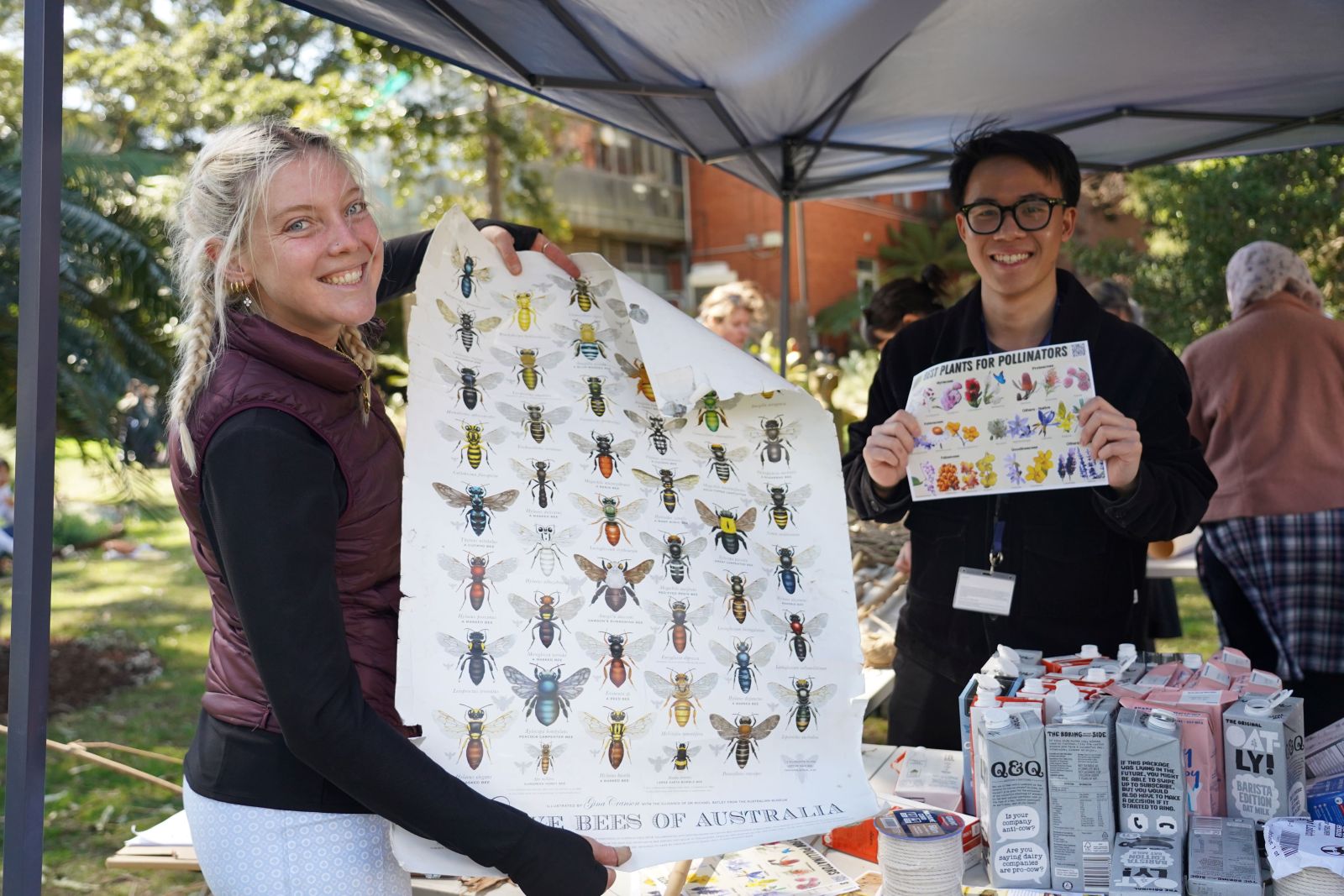
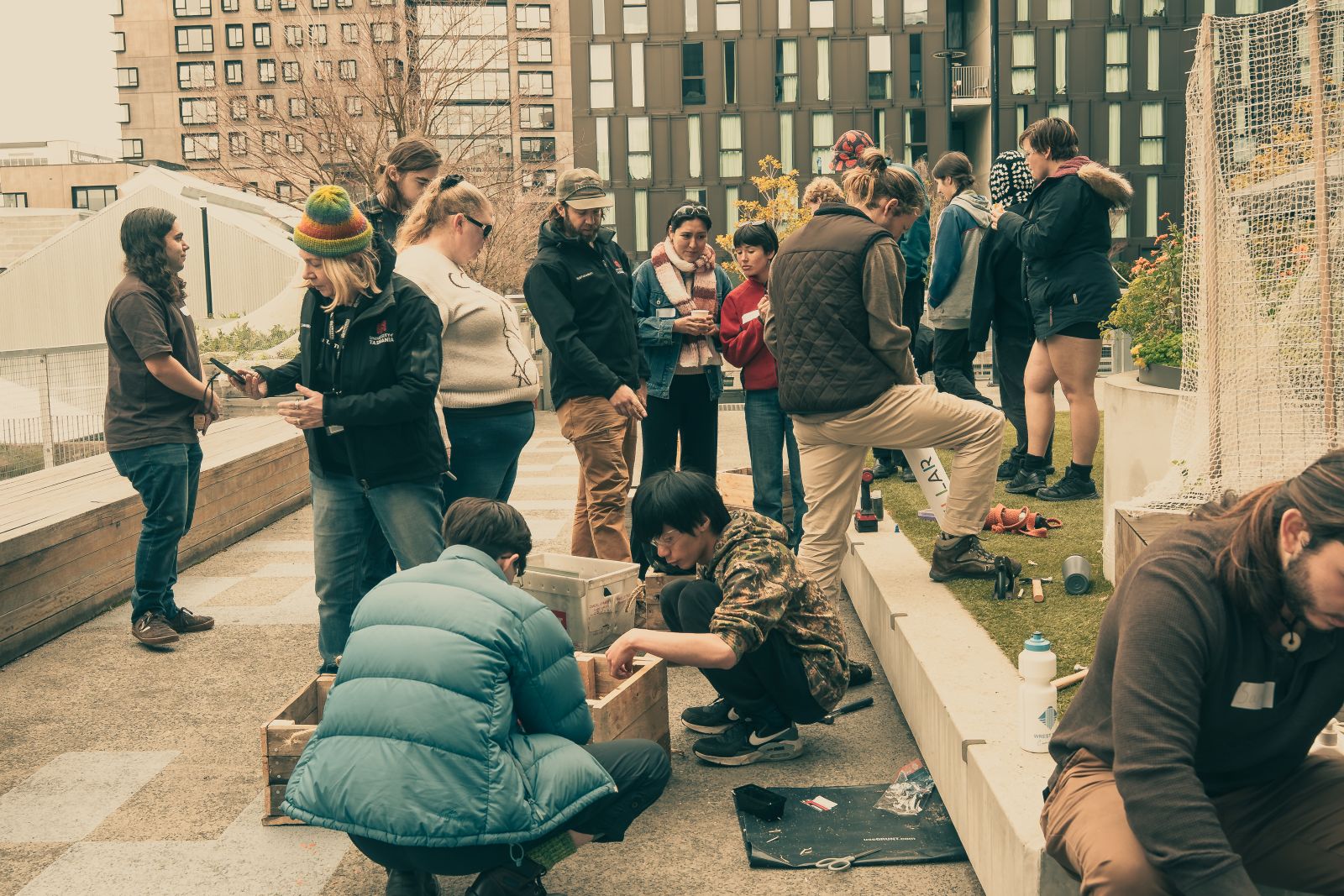
- Engaged more than 2,250 participants across 42+ events and activities, including panels, workshops, screenings, activations, art installations and a campus BioBlitz.
- Created pathways from awareness to action, with 20 teams and 11 individuals completing linked Green Impact actions.
- Supported circular event delivery, using the C2R Events Service to engage 1,520 participants and facilitate the reuse of 3,010 items.
- Built a stronger sustainability community, connecting students, staff, faculties, operational teams, student groups and external partners.
- Achieved strong participant satisfaction, with survey responses showing high ratings for event delivery, variety, speakers and likelihood of future participation.
Leadership & Engagement
- Delivered a community-led engagement model, positioning students and staff as active contributors and co-designers rather than passive participants.
- Used a distributed delivery approach, enabling faculties, student groups, operational teams and external partners to host events under a shared theme.
- Expanded reach through coordinated communications, including faculty newsletters, staff channels, social media, personalised stakeholder emails and Vice-Chancellor amplification.
- Created a scalable, low-cost model, delivering 42+ events for under $5,000 by leveraging existing systems, resources, venues and networks.
Wider Societal Impact
- Normalised sustainability as a shared responsibility, shifting engagement from isolated action to collective, community-led participation.
- Created a transferable model for large organisations, relevant to universities, TAFEs, government, healthcare, corporates and community organisations.
- Extended sector-wide visibility, with hybrid and online expert panels promoted through ACTS and Group of Eight networks.
- Built student employability and leadership skills, supporting systems thinking, collaboration, sustainability literacy, communication and problem-solving through recognised co-curricular engagement.

Top 3 learnings
Supported by
Category finalists
Creating Impact
Creating Impact
Creating Impact
Creating Impact

Creating Impact
Creating Impact
Creating Impact category
The University of Melbourne’s Sustainability Week 2025 was a flagship, university-wide initiative designed to drive behaviour change at scale. The program engaged more than 2,000 students, staff and community members through 42+ events delivered across five themed days, moving beyond awareness-raising to embed sustainability into the student and staff experience.
Delivered through a collaborative, community-led model, Sustainability Week connected institutional frameworks including Melbourne Plus and Green Impact, creating clear pathways for continued engagement beyond the event itself. The program addressed key sustainability priorities including circular economy, climate action, biodiversity, health and wellbeing, and social sustainability.
By combining large-scale engagement with structured follow-on opportunities, Sustainability Week 2025 created a scalable model for long-term cultural change. It strengthened cross-campus collaboration, increased participation in sustainability programs, and contributed directly to the University of Melbourne Sustainability Plan 2030.
Top 3 learnings
Impacts & Benefits
- Engaged more than 2,250 participants across 42+ events and activities, including panels, workshops, screenings, activations, art installations and a campus BioBlitz.
- Created pathways from awareness to action, with 20 teams and 11 individuals completing linked Green Impact actions.
- Supported circular event delivery, using the C2R Events Service to engage 1,520 participants and facilitate the reuse of 3,010 items.
- Built a stronger sustainability community, connecting students, staff, faculties, operational teams, student groups and external partners.
- Achieved strong participant satisfaction, with survey responses showing high ratings for event delivery, variety, speakers and likelihood of future participation.
Leadership & Engagement
- Delivered a community-led engagement model, positioning students and staff as active contributors and co-designers rather than passive participants.
- Used a distributed delivery approach, enabling faculties, student groups, operational teams and external partners to host events under a shared theme.
- Expanded reach through coordinated communications, including faculty newsletters, staff channels, social media, personalised stakeholder emails and Vice-Chancellor amplification.
- Created a scalable, low-cost model, delivering 42+ events for under $5,000 by leveraging existing systems, resources, venues and networks.
Wider Societal Impact
- Normalised sustainability as a shared responsibility, shifting engagement from isolated action to collective, community-led participation.
- Created a transferable model for large organisations, relevant to universities, TAFEs, government, healthcare, corporates and community organisations.
- Extended sector-wide visibility, with hybrid and online expert panels promoted through ACTS and Group of Eight networks.
- Built student employability and leadership skills, supporting systems thinking, collaboration, sustainability literacy, communication and problem-solving through recognised co-curricular engagement.
Supported by
Category finalists
Creating Impact
Creating Impact
Creating Impact
Creating Impact
Creating Impact
Creating Impact