Sustainability Institution of the Year category
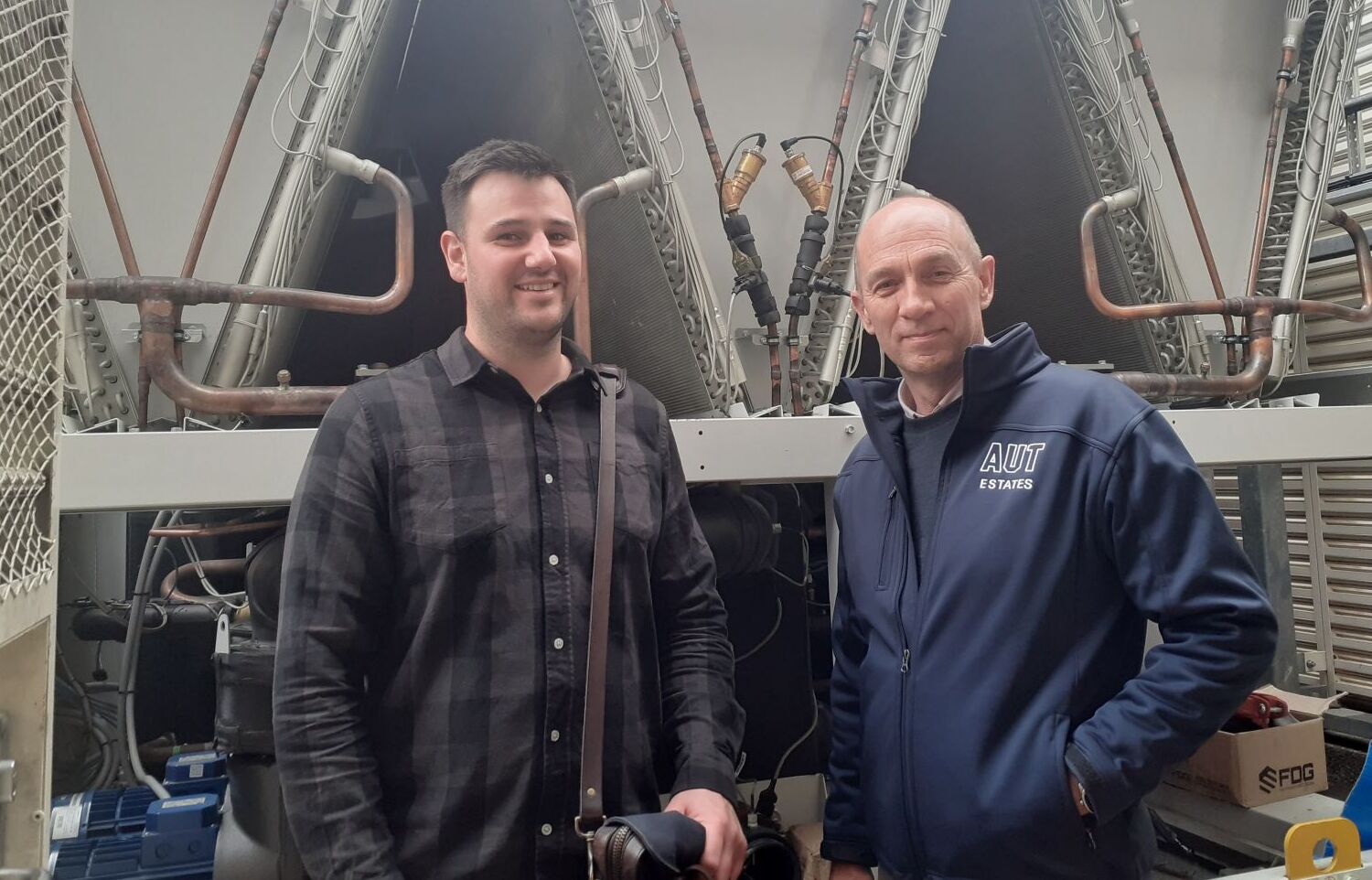
Auckland University of Technology’s Perseverance with Purpose – Sustainability at AUT reflects a whole-of-institution commitment to embedding sustainability across learning and teaching, research, leadership and governance, facilities and operations, and partnerships and engagement. Since launching its first Sustainability Plan in 2018, AUT has worked steadily towards 2025 targets, using influence, reporting, collaboration and practical action to drive progress despite limited dedicated sustainability funding.
The initiative has delivered measurable outcomes across the University. Between 2020 and 2025, the proportion of students enrolled in one or more sustainability-focused course increased from 10% to 20%, while SDG-related research outputs increased from 17% to 36%. Operationally, AUT reduced carbon emissions by 34% between 2018 and 2025, reduced air travel emissions by 48%, improved waste diversion, introduced compostable collections across three campuses and planted 59 different species of native plants.
By combining persistence, executive support, cross-functional collaboration and staff and student engagement, AUT demonstrates how a university can make significant sustainability progress through existing systems, budgets and relationships.
Impacts & Benefits
- Reduced carbon emissions by 34% between 2018 and 2025, including a 48% reduction in air travel emissions.
- Expanded sustainability learning, with students enrolled in one or more sustainability-focused course increasing from 10% in 2020 to 20% in 2025.
- Increased SDG-related research outputs, rising from 17% in 2020 to 36% in 2025, with SDG research now included as a KPI in AUT’s Annual Report.
- Improved waste and circular economy outcomes, moving from 20% to 40% of general waste going to recycling or compost, and introducing organics collection across three campuses.
- Enhanced campus biodiversity and connection, planting at least 2,000 native plants and 59 different native species through staff and student planting sessions.
Leadership & Engagement
- Embedded sustainability across key university functions, including teaching, research, operations, governance and engagement.
- Established stronger governance structures, including the Regenerative Action and Sustainability Committee with senior executive co-leadership.
- Developed Te Ara Mauri Ora – AUT’s Regenerative Action and Sustainability Plan (currently at draft stage) showing the transition from sustainability to regeneration and include specific KPIs for Māori and Pacifica staff and students.
- Used influence and persistence to drive change, achieving significant outcomes despite limited dedicated sustainability budget.
- Engaged staff and students through practical action, including Green Impact, native planting, waste initiatives and sustainability communications.
- Built a growing sustainability culture, with staff increasingly approaching the sustainability team to initiate projects rather than waiting to be prompted.
Wider Societal Impact
- Prepared more graduates with sustainability knowledge, supporting employers across business, engineering, construction, hospitality and other sectors.
- Reduced emissions and landfill impacts, contributing to broader climate action, methane reduction and more responsible resource use.
- Supported biodiversity in urban campuses, increasing indigenous planting and creating habitat that supports native bird life.
- Created a replicable model for constrained institutions, showing how sustainability progress can be achieved through existing budgets, procurement decisions and cross-team collaboration.
- Shared learning across the tertiary sector, including through AUT’s annual sustainability reports, STENZ, ACTS working groups, guest lectures, newsletters and internal communications.



Top 3 learnings
Supported by

Category finalists

Sustainability Institution of the Year
Sustainability Institution of the Year

Sustainability Institution of the Year
Sustainability Institution of the Year
Sustainability Institution of the Year category
Auckland University of Technology’s Perseverance with Purpose – Sustainability at AUT reflects a whole-of-institution commitment to embedding sustainability across learning and teaching, research, leadership and governance, facilities and operations, and partnerships and engagement. Since launching its first Sustainability Plan in 2018, AUT has worked steadily towards 2025 targets, using influence, reporting, collaboration and practical action to drive progress despite limited dedicated sustainability funding.
The initiative has delivered measurable outcomes across the University. Between 2020 and 2025, the proportion of students enrolled in one or more sustainability-focused course increased from 10% to 20%, while SDG-related research outputs increased from 17% to 36%. Operationally, AUT reduced carbon emissions by 34% between 2018 and 2025, reduced air travel emissions by 48%, improved waste diversion, introduced compostable collections across three campuses and planted 59 different species of native plants.
By combining persistence, executive support, cross-functional collaboration and staff and student engagement, AUT demonstrates how a university can make significant sustainability progress through existing systems, budgets and relationships.
Top 3 learnings
Impacts & Benefits
- Reduced carbon emissions by 34% between 2018 and 2025, including a 48% reduction in air travel emissions.
- Expanded sustainability learning, with students enrolled in one or more sustainability-focused course increasing from 10% in 2020 to 20% in 2025.
- Increased SDG-related research outputs, rising from 17% in 2020 to 36% in 2025, with SDG research now included as a KPI in AUT’s Annual Report.
- Improved waste and circular economy outcomes, moving from 20% to 40% of general waste going to recycling or compost, and introducing organics collection across three campuses.
- Enhanced campus biodiversity and connection, planting at least 2,000 native plants and 59 different native species through staff and student planting sessions.
Leadership & Engagement
- Embedded sustainability across key university functions, including teaching, research, operations, governance and engagement.
- Established stronger governance structures, including the Regenerative Action and Sustainability Committee with senior executive co-leadership.
- Developed Te Ara Mauri Ora – AUT’s Regenerative Action and Sustainability Plan (currently at draft stage) showing the transition from sustainability to regeneration and include specific KPIs for Māori and Pacifica staff and students.
- Used influence and persistence to drive change, achieving significant outcomes despite limited dedicated sustainability budget.
- Engaged staff and students through practical action, including Green Impact, native planting, waste initiatives and sustainability communications.
- Built a growing sustainability culture, with staff increasingly approaching the sustainability team to initiate projects rather than waiting to be prompted.
Wider Societal Impact
- Prepared more graduates with sustainability knowledge, supporting employers across business, engineering, construction, hospitality and other sectors.
- Reduced emissions and landfill impacts, contributing to broader climate action, methane reduction and more responsible resource use.
- Supported biodiversity in urban campuses, increasing indigenous planting and creating habitat that supports native bird life.
- Created a replicable model for constrained institutions, showing how sustainability progress can be achieved through existing budgets, procurement decisions and cross-team collaboration.
- Shared learning across the tertiary sector, including through AUT’s annual sustainability reports, STENZ, ACTS working groups, guest lectures, newsletters and internal communications.
Supported by
Category finalists
Sustainability Institution of the Year
Sustainability Institution of the Year
Sustainability Institution of the Year
Sustainability Institution of the Year