Sustainability Leadership category
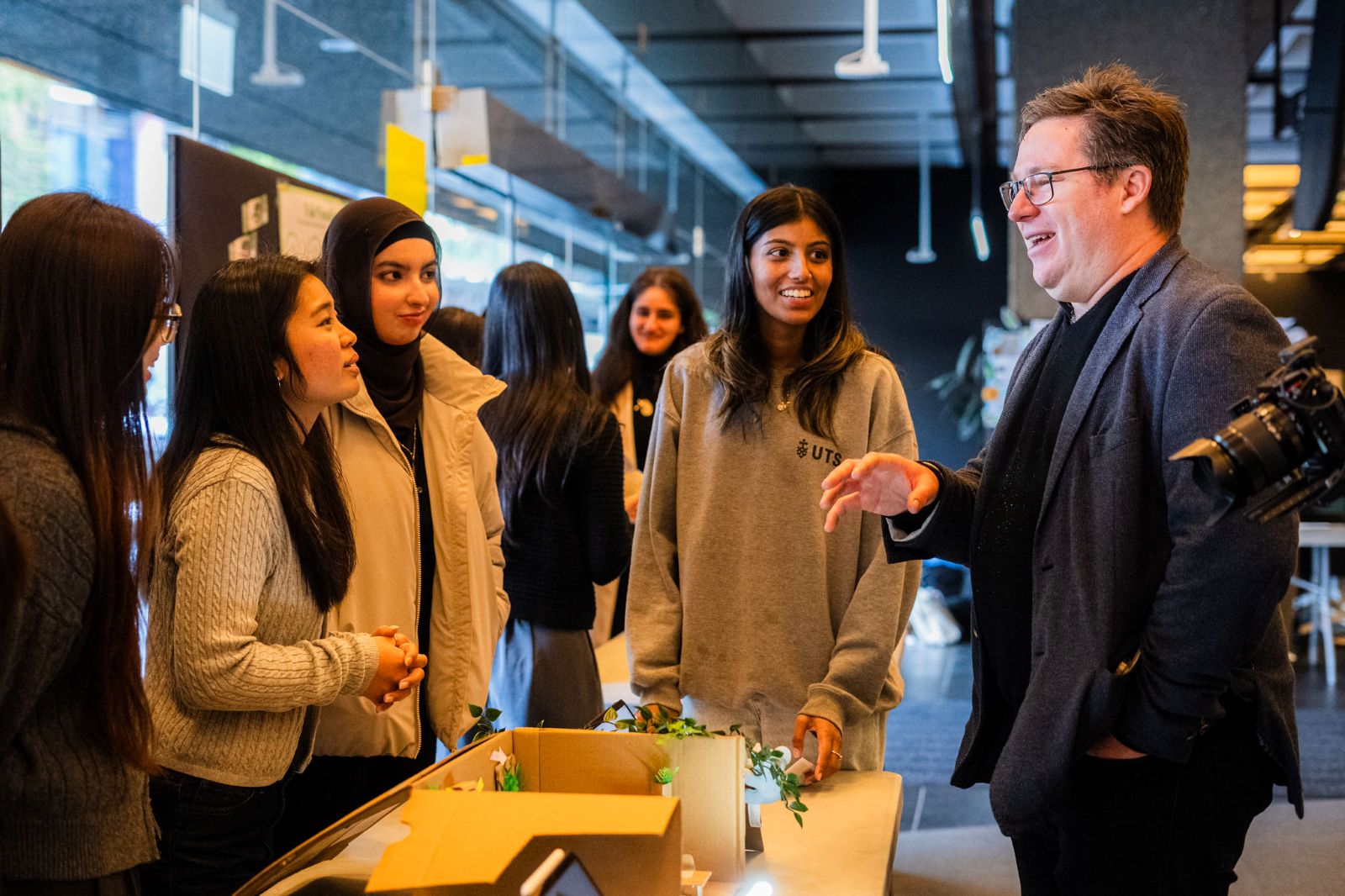
Associate Professor Paul Brown has spent the past 15 years spearheading sustainability innovation across teaching, research and organisational strategy at the University of Technology Sydney (UTS). Through collaborative, future-focused leadership, Paul has helped embed sustainability into curricula, operations and institutional decision-making, while building cross-sector partnerships that address complex sustainability challenges.
As a long-standing member of the UTS Sustainability Steering Committee, Paul has contributed to major initiatives including more ambitious carbon targets, a Green Revolving Fund, renewable energy procurement, divestment and the University’s early Climate Emergency declaration. His teaching and research have engaged thousands of students and staff, informed policy and industry practice, and supported UTS’ transformation into a recognised sustainability leader, including as International Green Gown Awards Sustainability Institution of the Year 2025. By bridging academia and practice, Paul empowers others to act and helps create lasting sustainability capability across the University and beyond.
Impacts & Benefits
- Helped transform UTS into a sustainability leader, contributing to whole-of-institution change, improved environmental performance and international recognition.
- Embedded sustainability across the curriculum, reaching thousands of students through business, accounting and transdisciplinary innovation programs.
- Developed award-recognised education models, supporting best practice in sustainability teaching and inspiring broader curriculum change.
- Mentored future sustainability innovators, supporting student start-ups, early-career professionals and high school outreach initiatives.
- Catalysed scalable innovation pathways, including contributing to the development of Creative Intelligence and Innovation and leading the redevelopment of the Diploma in Innovation to equip students from all faculties to tackle real-world sustainability challenges.
Leadership & Engagement
- Provided sustained institutional leadership, helping keep sustainability central to UTS strategy, governance and decision-making over more than a decade.
- Championed bold cross-boundary innovation, including first-of-kind living lab, carbon capture and algal bioeconomy initiatives.
- Built collaborative networks for change, bringing together students, staff, industry partners, community members and sector experts to co-create solutions.
- Integrated research, education and practice, ensuring projects produce practical tools, policy insights and real-world outcomes alongside academic knowledge.
- Fostered a culture of experimentation and empowerment, encouraging others to tackle complex sustainability challenges and become champions for change.
Wider Societal Impact
- Expanded sustainability education beyond UTS, co-creating open-access Net Zero Planning and Learning Cards to help secondary schools plan decarbonisation pathways.
- Empowered young people as climate change agents, supporting school students, undergraduates and teachers to design and pitch sustainability solutions.
- Created new models of community engagement, including the emerging Citizen Design Science platform connecting youth, researchers and industry mentors.
- Informed policy and industry transitions, contributing research on waste avoidance, circular economy, green infrastructure, energy innovation and sustainable industry practice.
- Shared tools and learning openly, using publications, workshops, online platforms and professional networks to help others replicate and build on sustainability initiatives.

Top 3 learnings
Supported by

Category finalists

Sustainability Leadership
Sustainability Leadership
Sustainability Leadership
Sustainability Leadership
Sustainability Leadership
Sustainability Leadership
Sustainability Leadership category
Associate Professor Paul Brown has spent the past 15 years spearheading sustainability innovation across teaching, research and organisational strategy at the University of Technology Sydney (UTS). Through collaborative, future-focused leadership, Paul has helped embed sustainability into curricula, operations and institutional decision-making, while building cross-sector partnerships that address complex sustainability challenges.
As a long-standing member of the UTS Sustainability Steering Committee, Paul has contributed to major initiatives including more ambitious carbon targets, a Green Revolving Fund, renewable energy procurement, divestment and the University’s early Climate Emergency declaration. His teaching and research have engaged thousands of students and staff, informed policy and industry practice, and supported UTS’ transformation into a recognised sustainability leader, including as International Green Gown Awards Sustainability Institution of the Year 2025. By bridging academia and practice, Paul empowers others to act and helps create lasting sustainability capability across the University and beyond.
Top 3 learnings
Impacts & Benefits
- Helped transform UTS into a sustainability leader, contributing to whole-of-institution change, improved environmental performance and international recognition.
- Embedded sustainability across the curriculum, reaching thousands of students through business, accounting and transdisciplinary innovation programs.
- Developed award-recognised education models, supporting best practice in sustainability teaching and inspiring broader curriculum change.
- Mentored future sustainability innovators, supporting student start-ups, early-career professionals and high school outreach initiatives.
- Catalysed scalable innovation pathways, including contributing to the development of Creative Intelligence and Innovation and leading the redevelopment of the Diploma in Innovation to equip students from all faculties to tackle real-world sustainability challenges.
Leadership & Engagement
- Provided sustained institutional leadership, helping keep sustainability central to UTS strategy, governance and decision-making over more than a decade.
- Championed bold cross-boundary innovation, including first-of-kind living lab, carbon capture and algal bioeconomy initiatives.
- Built collaborative networks for change, bringing together students, staff, industry partners, community members and sector experts to co-create solutions.
- Integrated research, education and practice, ensuring projects produce practical tools, policy insights and real-world outcomes alongside academic knowledge.
- Fostered a culture of experimentation and empowerment, encouraging others to tackle complex sustainability challenges and become champions for change.
Wider Societal Impact
- Expanded sustainability education beyond UTS, co-creating open-access Net Zero Planning and Learning Cards to help secondary schools plan decarbonisation pathways.
- Empowered young people as climate change agents, supporting school students, undergraduates and teachers to design and pitch sustainability solutions.
- Created new models of community engagement, including the emerging Citizen Design Science platform connecting youth, researchers and industry mentors.
- Informed policy and industry transitions, contributing research on waste avoidance, circular economy, green infrastructure, energy innovation and sustainable industry practice.
- Shared tools and learning openly, using publications, workshops, online platforms and professional networks to help others replicate and build on sustainability initiatives.
Supported by
Related finalists
Sustainability Leadership
Sustainability Leadership
Sustainability Leadership
Sustainability Leadership
Sustainability Leadership
Sustainability Leadership