Nature Positive category
UNSW Sydney’s Nature Positive initiative demonstrates how a major urban university can deliver measurable biodiversity improvement while continuing to grow. Through an institution-wide approach, UNSW has transformed biodiversity from a series of isolated greening projects into a measurable organisational performance outcome.
The initiative established a bespoke Nature Value metric, created a campus baseline, embedded biodiversity requirements into planning and operations, and introduced transparent governance, monitoring and reporting. By 2024, UNSW achieved its Environmental Sustainability Plan target of net gain in Nature Value across the Kensington campus and maintaining this result in 2025.
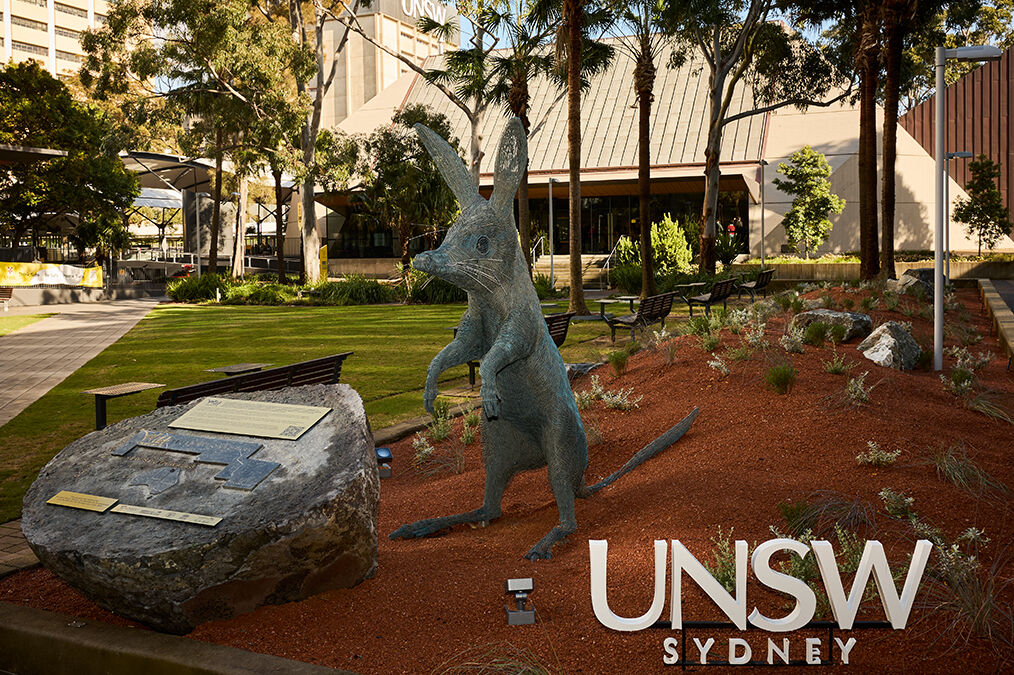
Key actions included converting the D14 building site into green space, expanding tree canopy, strengthening integrated green-blue infrastructure, supporting the Greater Bilby landscape and developing the Muru Mirrung Trail. Through its Nature Positive Roadmap, UNSW is now embedding biodiversity, climate resilience and ecological restoration into long-term institutional decision-making.



Top 3 learnings
Supported by

Category finalists
Nature Positive
Nature Positive
Nature Positive
Nature Positive
Nature Positive category
UNSW Sydney’s Nature Positive initiative demonstrates how a major urban university can deliver measurable biodiversity improvement while continuing to grow. Through an institution-wide approach, UNSW has transformed biodiversity from a series of isolated greening projects into a measurable organisational performance outcome.
The initiative established a bespoke Nature Value metric, created a campus baseline, embedded biodiversity requirements into planning and operations, and introduced transparent governance, monitoring and reporting. By 2024, UNSW achieved its Environmental Sustainability Plan target of net gain in Nature Value across the Kensington campus and maintaining this result in 2025.
Key actions included converting the D14 building site into green space, expanding tree canopy, strengthening integrated green-blue infrastructure, supporting the Greater Bilby landscape and developing the Muru Mirrung Trail. Through its Nature Positive Roadmap, UNSW is now embedding biodiversity, climate resilience and ecological restoration into long-term institutional decision-making.
Top 3 learnings
Supported by
Category finalists
Nature Positive
Nature Positive
Nature Positive
Nature Positive