Diversity, Equity & Inclusion category
Envirotech Education’s ‘Removing Barriers to Sustainable Blue Economy Careers’ initiative creates inclusive, accredited marine conservation training pathways for learners who have historically been excluded from tertiary and vocational education. Through bilingual, on-Country delivery, community-controlled governance and practical conservation placements, the program supports diverse learners to access sustainable careers.
The initiative centres on Marine Habitat Conservation and Restoration VET qualifications developed by Envirotech with community and industry partners. Delivery is shaped through partnerships, including Traditional Owner organisations, research institutions and marine conservation partners. In the Torres Strait, the program supports bilingual delivery in Meriam Mir, a critically endangered Indigenous language.
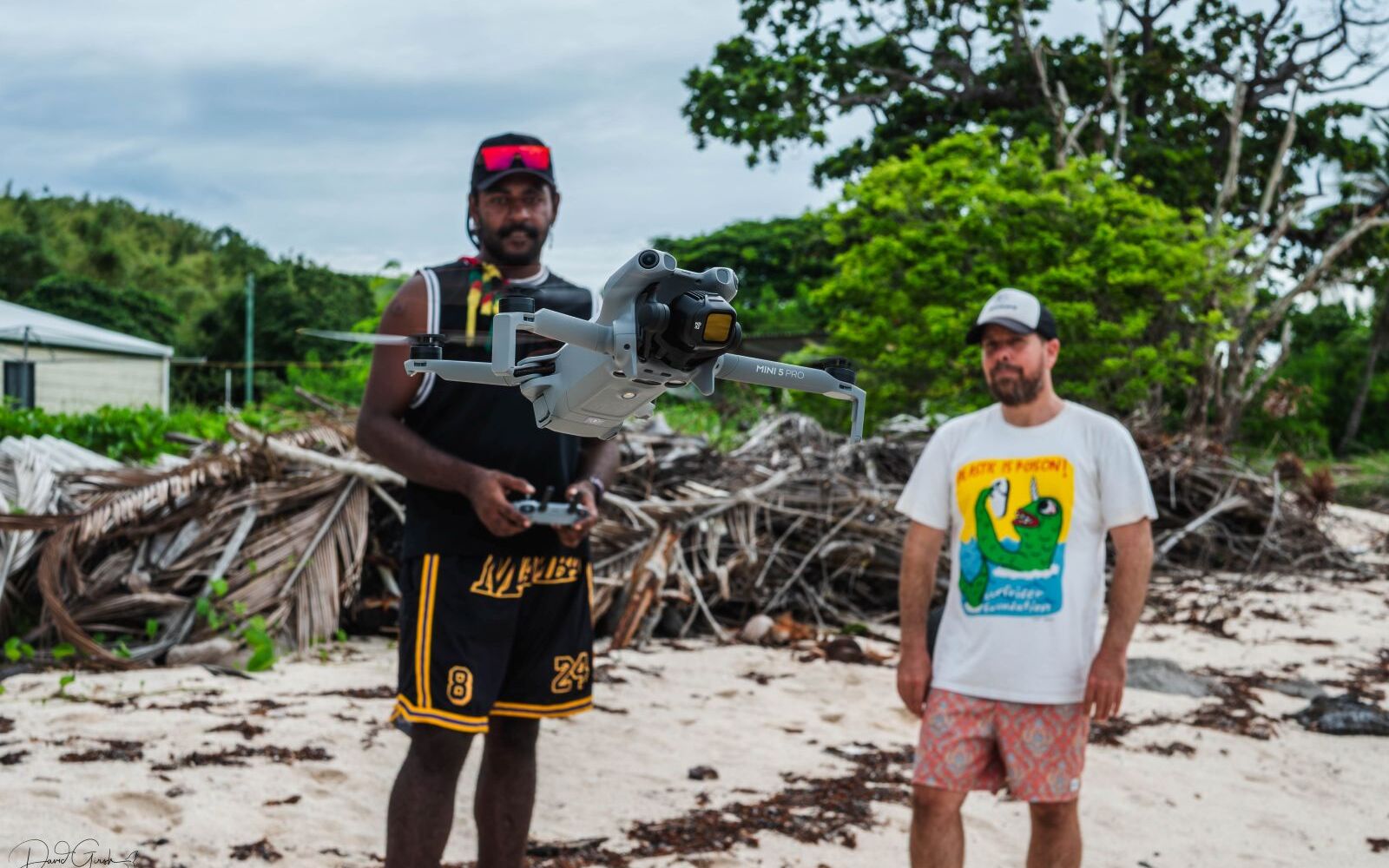
Through living lab assessment, students contribute directly to real conservation outcomes and community-led research. The model demonstrates how inclusive vocational education can remove barriers, build local capability and create pathways into marine conservation, restoration and climate-resilient livelihoods.
Impacts & Benefits
- Supported 643 VET enrolments and 258 completions, with students from more than 60 countries across marine conservation and restoration qualifications.
- Enabled 27 Torres Strait Islander students to access qualifications on sea Country, reducing relocation, cost and cultural barriers.
- Delivered real conservation outcomes, including 59,825 metres of fishing line and 17,057 fishing tackle items removed from Queensland waterways.
- Created bilingual marine VET delivery in Meriam Mir, supporting language revitalisation alongside conservation training.
- Built pathways for diverse learners, including Indigenous students, culturally diverse women, older career changers, international students and learners from remote communities.
Leadership & Engagement
- Created a community-governed Eco-VET model, combining Envirotech’s RTO accreditation with Indigenous-led Adult Community Education.
- Embedded Traditional Owner authority, with Torres Strait delivery shaped through PuipiKak Malu Indigenous Corporation, the Meriam Board and local cultural governance.
- Partnered across sectors, including Indigenous corporations, universities, philanthropic funders, government, international marine sites and industry projects.
- Integrated learning with real conservation practice, using Vocational Industry Placement and field-based assessment to build practical workforce capability.
- Expanded equity through on Country delivery, enabling learners to study where they live, work with local knowledge holders and contribute to community priorities.
Wider Societal Impact
- Strengthened remote community capability, supporting local enterprises to build skills, manage projects, attract funding and develop sustainable blue economy opportunities.
- Supported Indigenous data sovereignty and cultural authority, with on-Country research, heritage surveys and language projects governed by local organisations.
- Contributed to marine workforce development, creating accredited pathways in marine habitat conservation and restoration where formal VET options are limited.
- Linked conservation with social inclusion, showing that diverse learners can generate high-impact ecological, cultural and economic outcomes.
- Created a replicable model for communities, with relevance to RTOs, universities, Traditional Owner organisations, conservation groups and international partners.

Top 3 learnings
Supported by

Category finalists
Diversity, Equity & Inclusion
Diversity, Equity & Inclusion
Diversity, Equity & Inclusion
Diversity, Equity & Inclusion
Diversity, Equity & Inclusion category
Envirotech Education’s ‘Removing Barriers to Sustainable Blue Economy Careers’ initiative creates inclusive, accredited marine conservation training pathways for learners who have historically been excluded from tertiary and vocational education. Through bilingual, on-Country delivery, community-controlled governance and practical conservation placements, the program supports diverse learners to access sustainable careers.
The initiative centres on Marine Habitat Conservation and Restoration VET qualifications developed by Envirotech with community and industry partners. Delivery is shaped through partnerships, including Traditional Owner organisations, research institutions and marine conservation partners. In the Torres Strait, the program supports bilingual delivery in Meriam Mir, a critically endangered Indigenous language.
Through living lab assessment, students contribute directly to real conservation outcomes and community-led research. The model demonstrates how inclusive vocational education can remove barriers, build local capability and create pathways into marine conservation, restoration and climate-resilient livelihoods.
Top 3 learnings
Impacts & Benefits
- Supported 643 VET enrolments and 258 completions, with students from more than 60 countries across marine conservation and restoration qualifications.
- Enabled 27 Torres Strait Islander students to access qualifications on sea Country, reducing relocation, cost and cultural barriers.
- Delivered real conservation outcomes, including 59,825 metres of fishing line and 17,057 fishing tackle items removed from Queensland waterways.
- Created bilingual marine VET delivery in Meriam Mir, supporting language revitalisation alongside conservation training.
- Built pathways for diverse learners, including Indigenous students, culturally diverse women, older career changers, international students and learners from remote communities.
Leadership & Engagement
- Created a community-governed Eco-VET model, combining Envirotech’s RTO accreditation with Indigenous-led Adult Community Education.
- Embedded Traditional Owner authority, with Torres Strait delivery shaped through PuipiKak Malu Indigenous Corporation, the Meriam Board and local cultural governance.
- Partnered across sectors, including Indigenous corporations, universities, philanthropic funders, government, international marine sites and industry projects.
- Integrated learning with real conservation practice, using Vocational Industry Placement and field-based assessment to build practical workforce capability.
- Expanded equity through on Country delivery, enabling learners to study where they live, work with local knowledge holders and contribute to community priorities.
Wider Societal Impact
- Strengthened remote community capability, supporting local enterprises to build skills, manage projects, attract funding and develop sustainable blue economy opportunities.
- Supported Indigenous data sovereignty and cultural authority, with on-Country research, heritage surveys and language projects governed by local organisations.
- Contributed to marine workforce development, creating accredited pathways in marine habitat conservation and restoration where formal VET options are limited.
- Linked conservation with social inclusion, showing that diverse learners can generate high-impact ecological, cultural and economic outcomes.
- Created a replicable model for communities, with relevance to RTOs, universities, Traditional Owner organisations, conservation groups and international partners.
Supported by
Category finalists
Diversity, Equity & Inclusion
Diversity, Equity & Inclusion
Diversity, Equity & Inclusion
Diversity, Equity & Inclusion