Nature Positive/Winners category
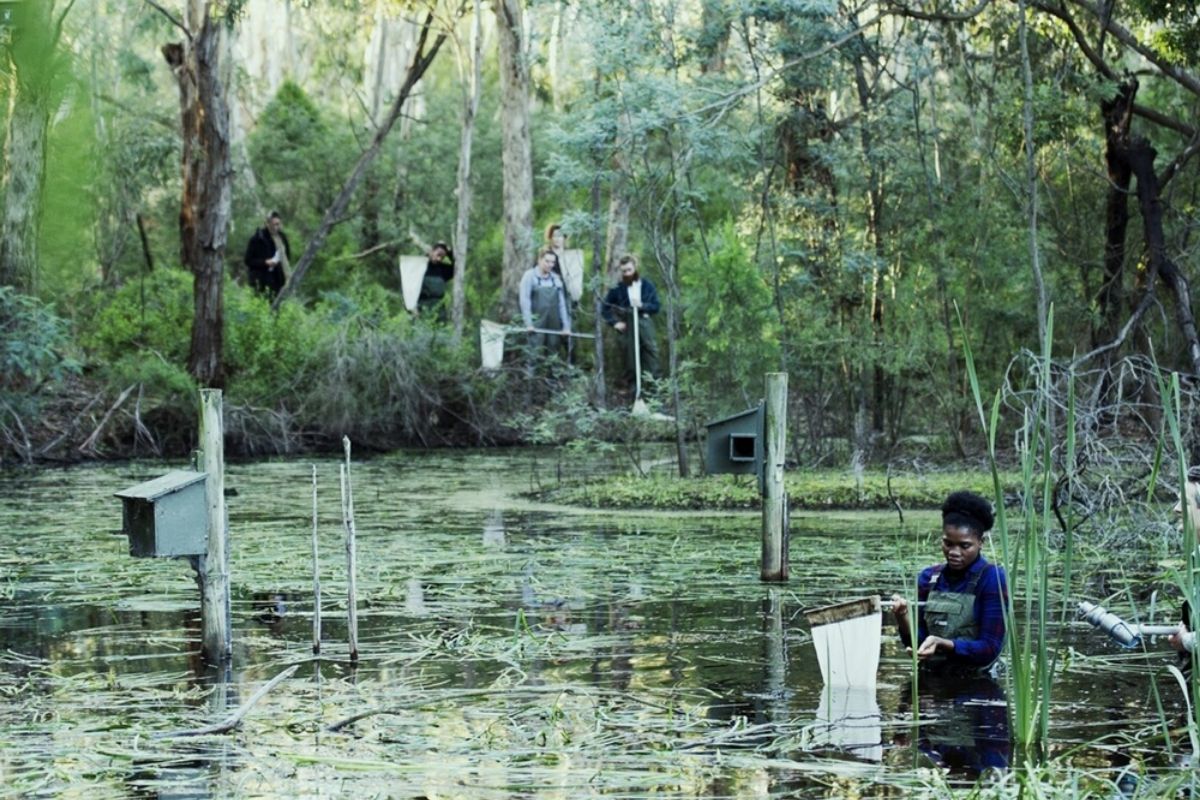
La Trobe University’s “Nangak Tamboree: Embracing Biodiversity and Indigenous Cultural Learning in a University City” is an extensive ecological and cultural restoration project centred around the Nangak Tamboree, a 2 km waterway and open space network running through La Trobe’s Bundoora Campus. The initiative integrates environmental sustainability with Indigenous cultural heritage, creating a living laboratory that fosters biodiversity, provides educational experiences, and strengthens community connections. In collaboration with the Wurundjeri Woi-wurrung Cultural Heritage Aboriginal Corporation and other partners, La Trobe has implemented innovative practices in land management, cultural burning, waterway health, and species conservation, making the project a benchmark for nature-positive actions in urban settings.
Environmental and Social Benefits
- Biodiversity Enhancement: The initiative has recorded 1,343 species of flora and fauna within Nangak Tamboree, with significant habitat restoration efforts including planting over 148,000 Indigenous plants. These efforts support the reintroduction of native species, such as the Emu and endangered plant species like the Matted Flax-lily.
- Cultural and Environmental Stewardship: Through extensive collaboration with the Wurundjeri Woi-wurrung people, the project incorporates traditional land management practices, including cultural burning, which has already shown positive outcomes, such as the re-emergence of the critically endangered Matted Flax-lily.
- Community Engagement: The project has engaged over 9,419 people through education, citizen science activities, and events. Additionally, 4,645 volunteer hours were dedicated to plant production, land management, and seed collection in 2023 alone, highlighting the community’s active involvement in the initiative.
Leadership and Engagement
- Collaborative Development: The initiative was co-created with key stakeholders, including the Wurundjeri Woi-wurrung Cultural Heritage Aboriginal Corporation, Melbourne Water, and the Darebin Creek Management Committee. This collaborative approach ensures that the project aligns with both ecological and cultural goals, fostering a shared vision for sustainability.
- Education and Research Integration: The Nangak Tamboree Wildlife Sanctuary serves as an outdoor lab, offering educational experiences across all levels, from primary school to tertiary education. In 2023, the Sanctuary hosted 62 school visits, provided 24 work experience placements, and facilitated 574 internship hours for students, integrating learning with practical conservation efforts.
- Innovative Practices: The project employs unique strategies such as using goats for weed management to reduce chemical reliance, the installation of 36 raingardens to improve stormwater management, and the establishment of a native fish hatchery to support the reintroduction of native fish species, making it a leader in sustainable urban ecology.
Significance to the Sector
- Sector Leadership: The Nangak Tamboree project is distinctive in its holistic approach, combining biodiversity enhancement with Indigenous cultural learning. It provides a replicable model for integrating ecological restoration with cultural heritage in urban environments, setting a new standard for university-led sustainability projects.
- Educational Impact: The initiative’s use of the Sanctuary as a living laboratory and its integration into La Trobe’s curriculum provide students with hands-on experience in land management, conservation, and Indigenous cultural practices. This approach enhances student employability and contributes to the development of future environmental leaders.
- Global and National Recognition: The project’s methodologies and outcomes are gaining recognition both nationally and internationally. The recent presentation at the 2024 AUDE Conference in the UK highlights its potential as a model for biodiversity and sustainability initiatives globally.
Wider Societal Impact
- Cultural Heritage Preservation: The project’s strong emphasis on Indigenous cultural heritage, particularly through collaborations with the Wurundjeri Woi-wurrung people, ensures that cultural practices are preserved and promoted within the university’s operations. This approach fosters respect and understanding of Indigenous knowledge systems among the broader community.
- Public Engagement and Education: The initiative offers a wide range of public engagement activities, from citizen science events to educational workshops, attracting over 12,230 visitors to the Sanctuary in 2023. This engagement promotes a deeper connection to nature and encourages public participation in conservation efforts.
- Sustainable Urban Development: As the Nangak Tamboree becomes a key feature of La Trobe’s University City, it serves as a model for sustainable urban development, demonstrating how universities can lead in creating green, culturally significant spaces that benefit both the environment and the community.
La Trobe University’s “Nangak Tamboree” initiative shows a comprehensive approach to enhancing biodiversity while embracing Indigenous cultural heritage. Through innovative land management practices, strong community engagement, and integration into educational frameworks, the project not only restores ecological health but also serves as a model for other institutions seeking to create nature-positive, culturally enriched urban spaces. Its success highlights the university’s leadership in sustainability and its commitment to fostering a deeper connection between people, culture, and the environment.

Top 3 learnings
Supported by
Category finalists

Sustainability Institution of the Year/Winners
Sustainability Institution of the Year/Winners
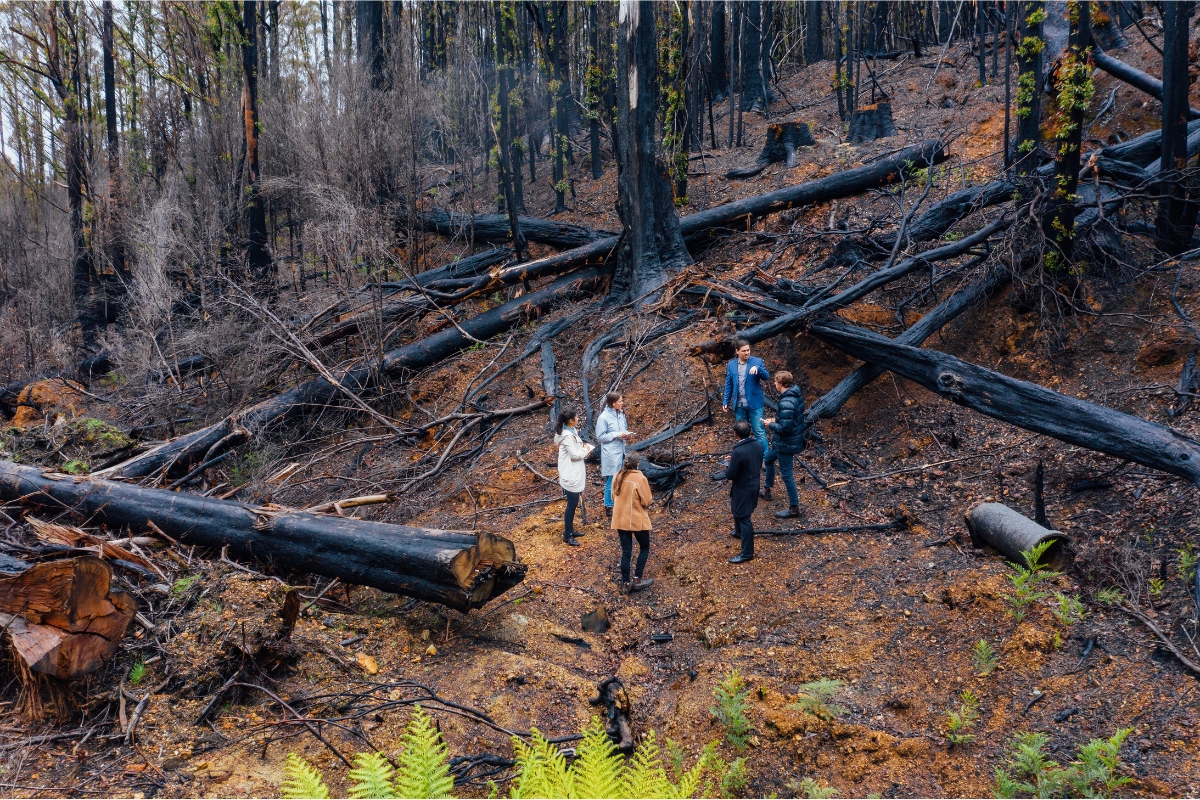
Climate Action/Winners
Climate Action/Winners
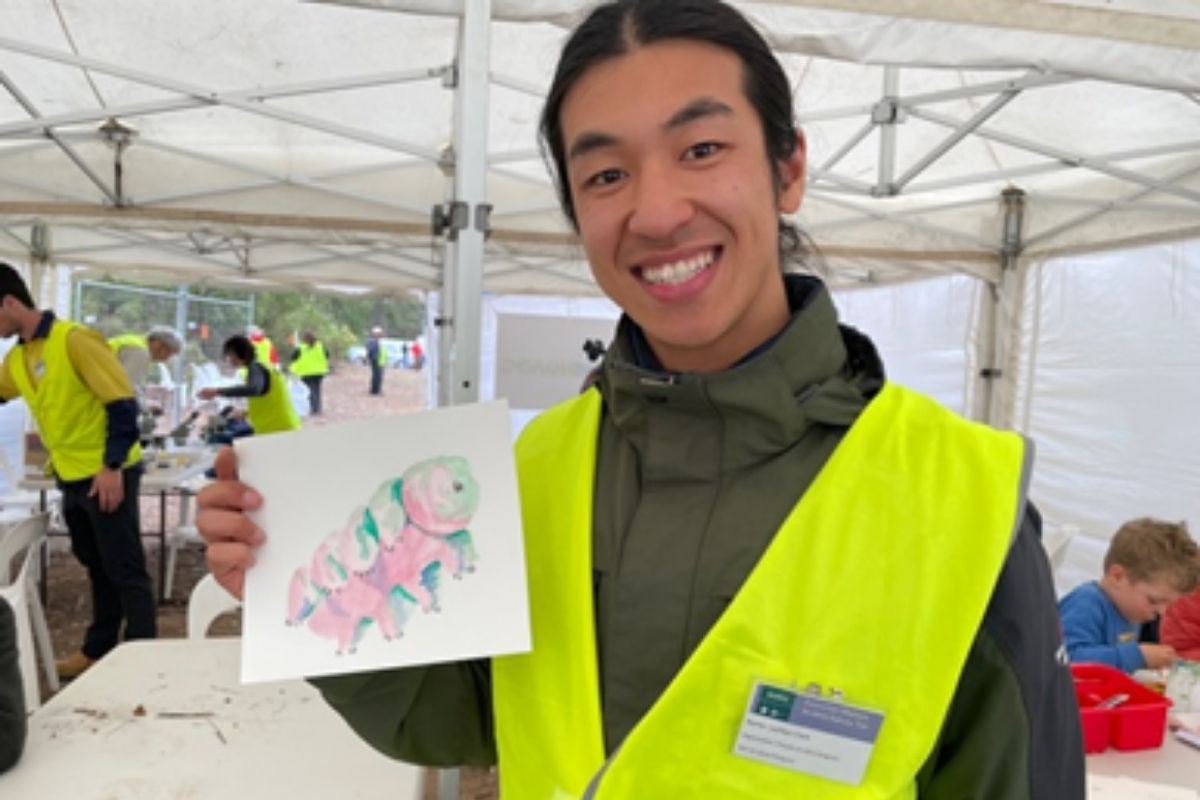
Creating Impact/Winners
Creating Impact/Winners
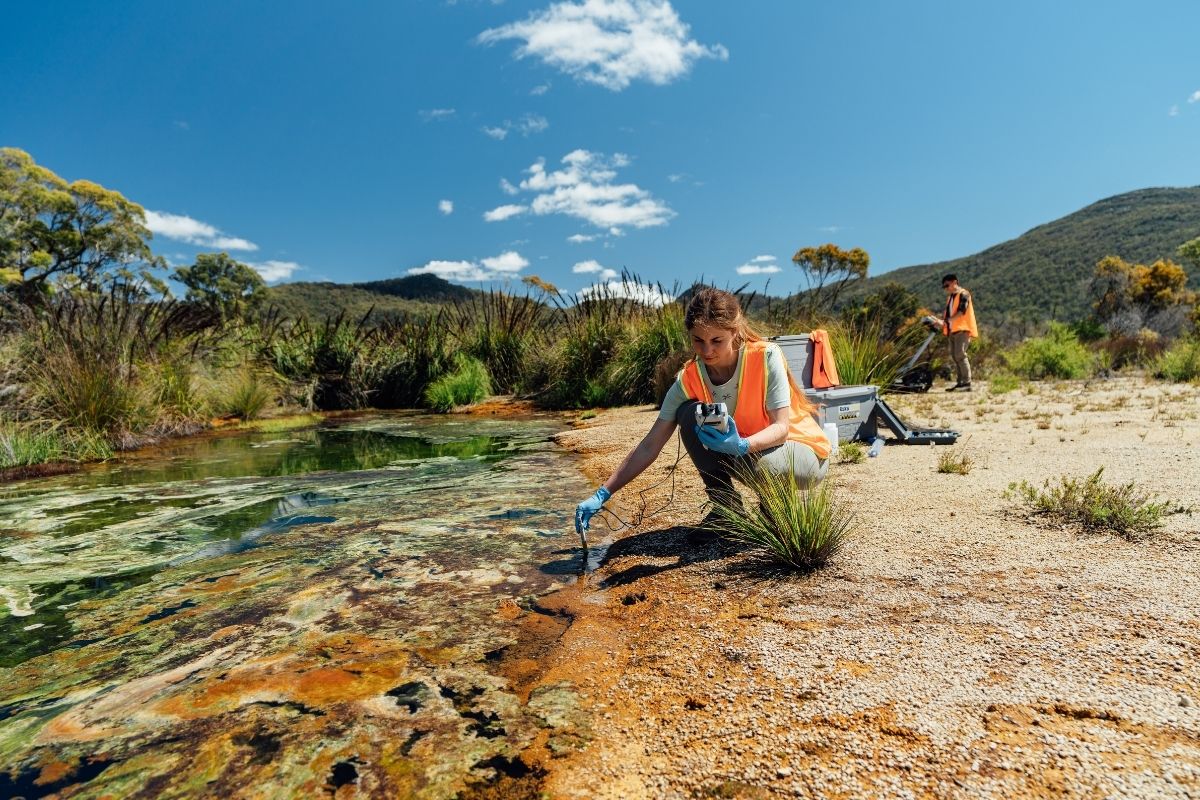
Next Generation Learning & Skills/Winners
Next Generation Learning & Skills/Winners
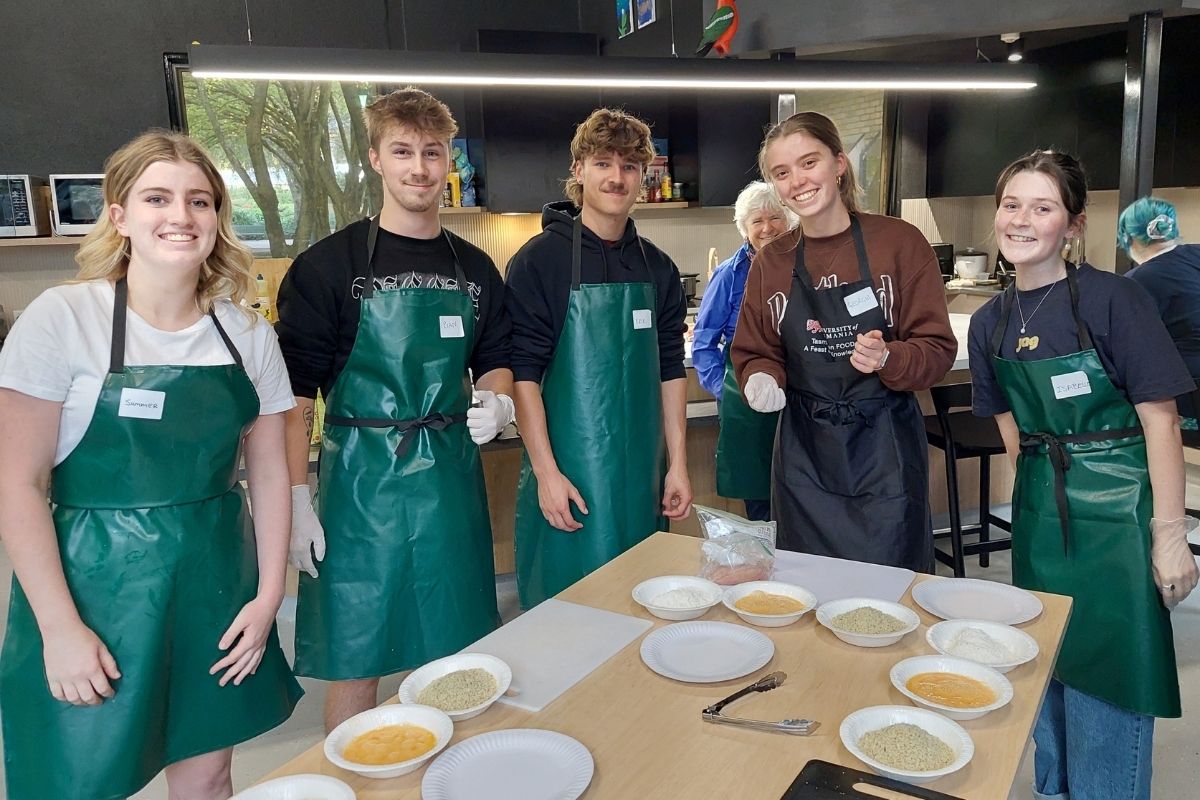
Student Engagement/Winners
Student Engagement/Winners
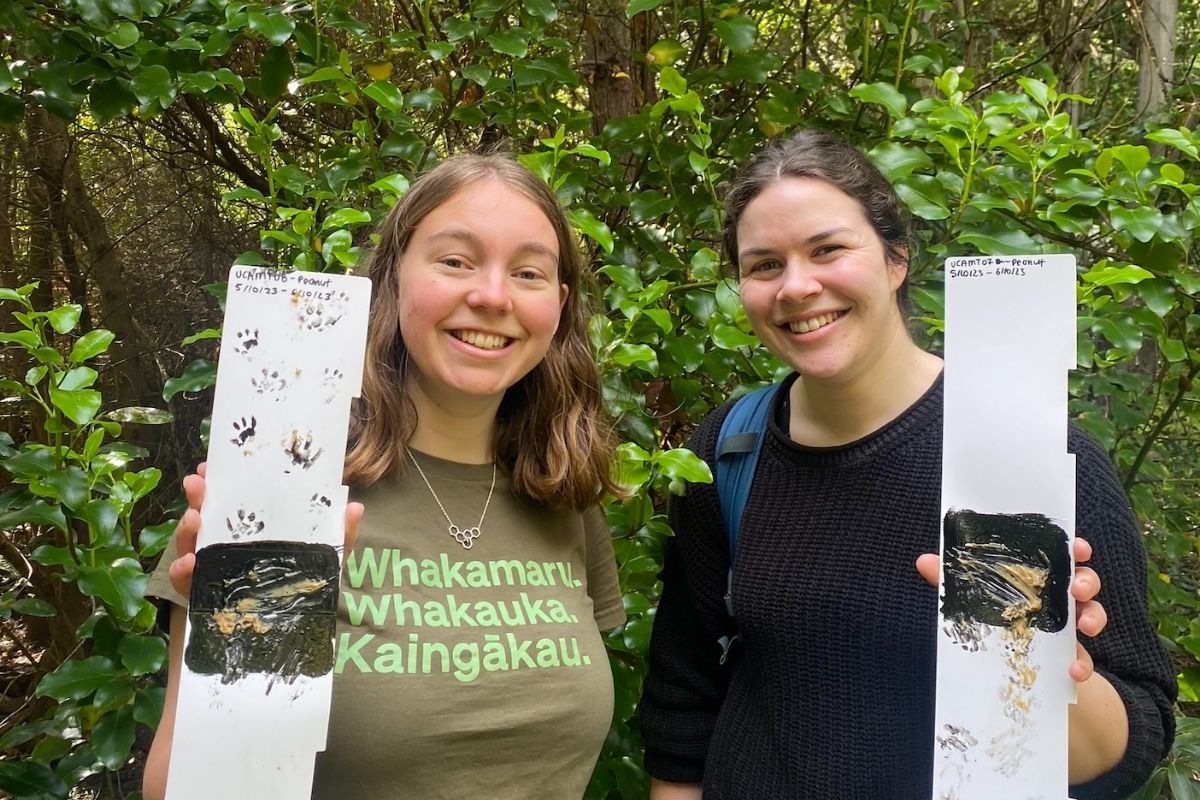
Nature Positive
Nature Positive
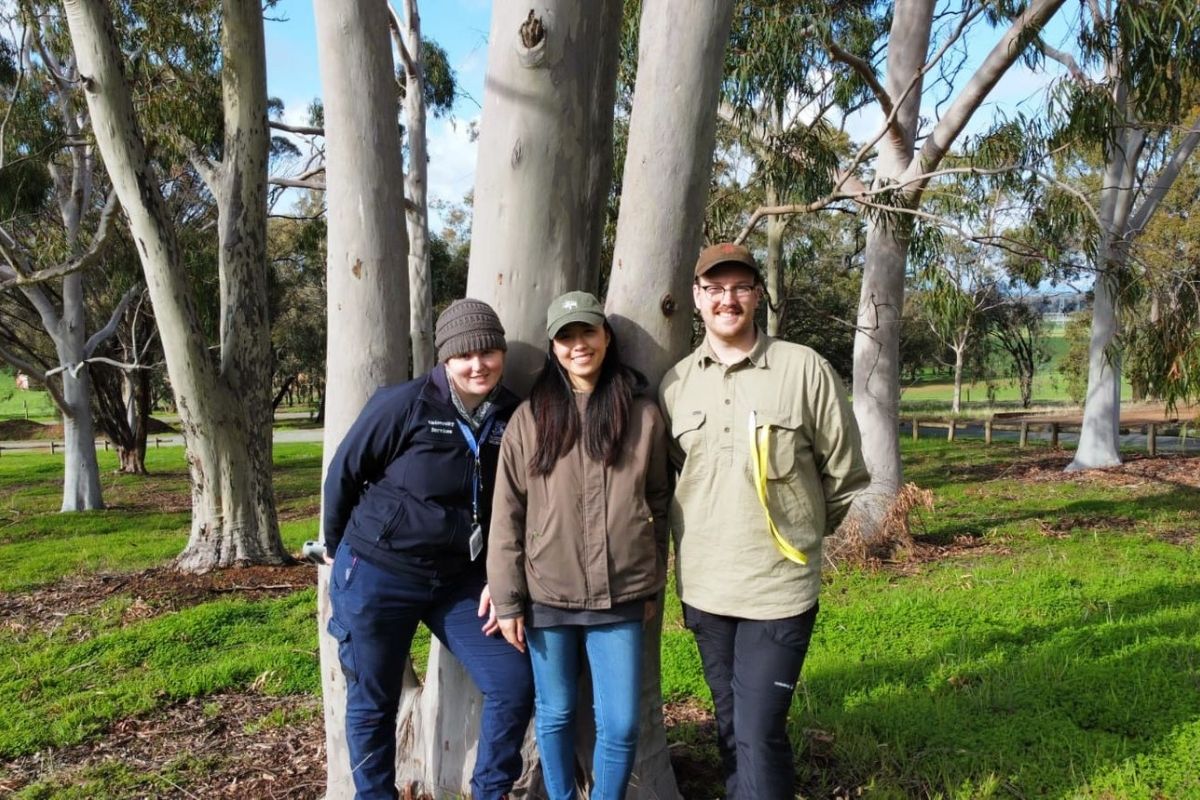
Highly Commended/Nature Positive
Highly Commended/Nature Positive
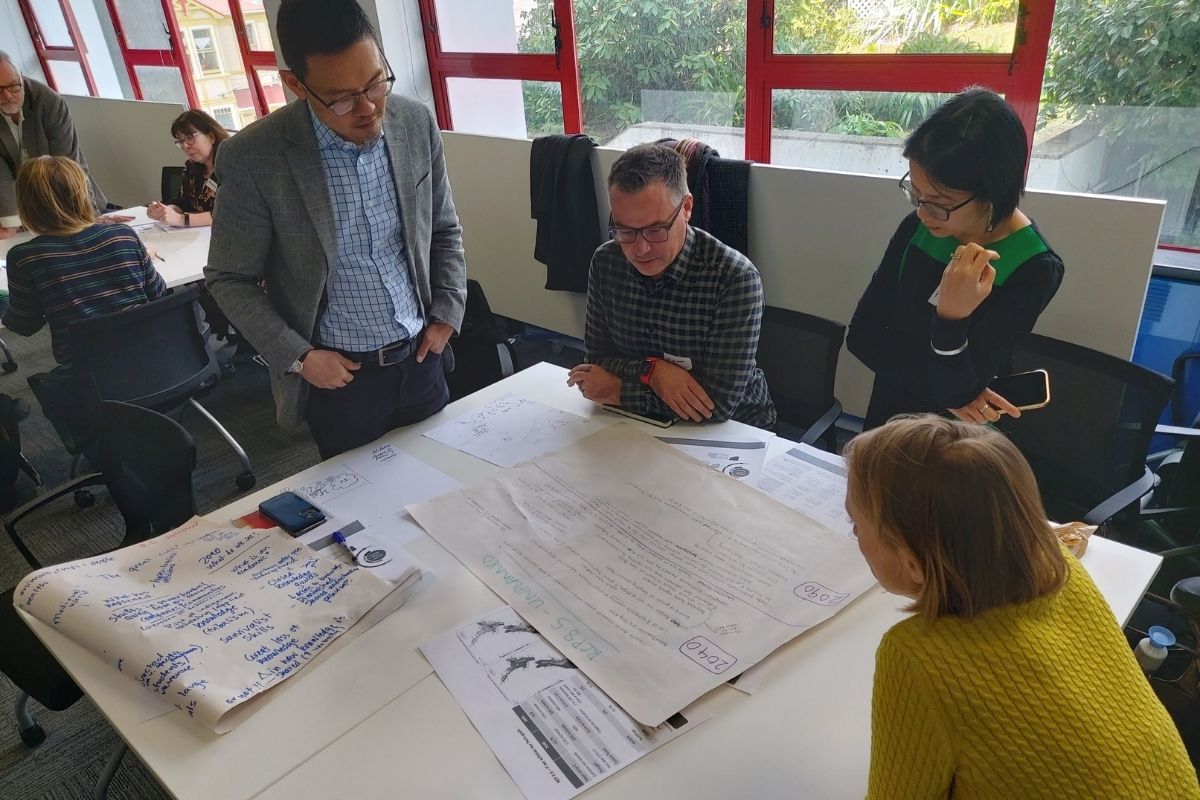
Powerful Partnerships/Winners
Powerful Partnerships/Winners
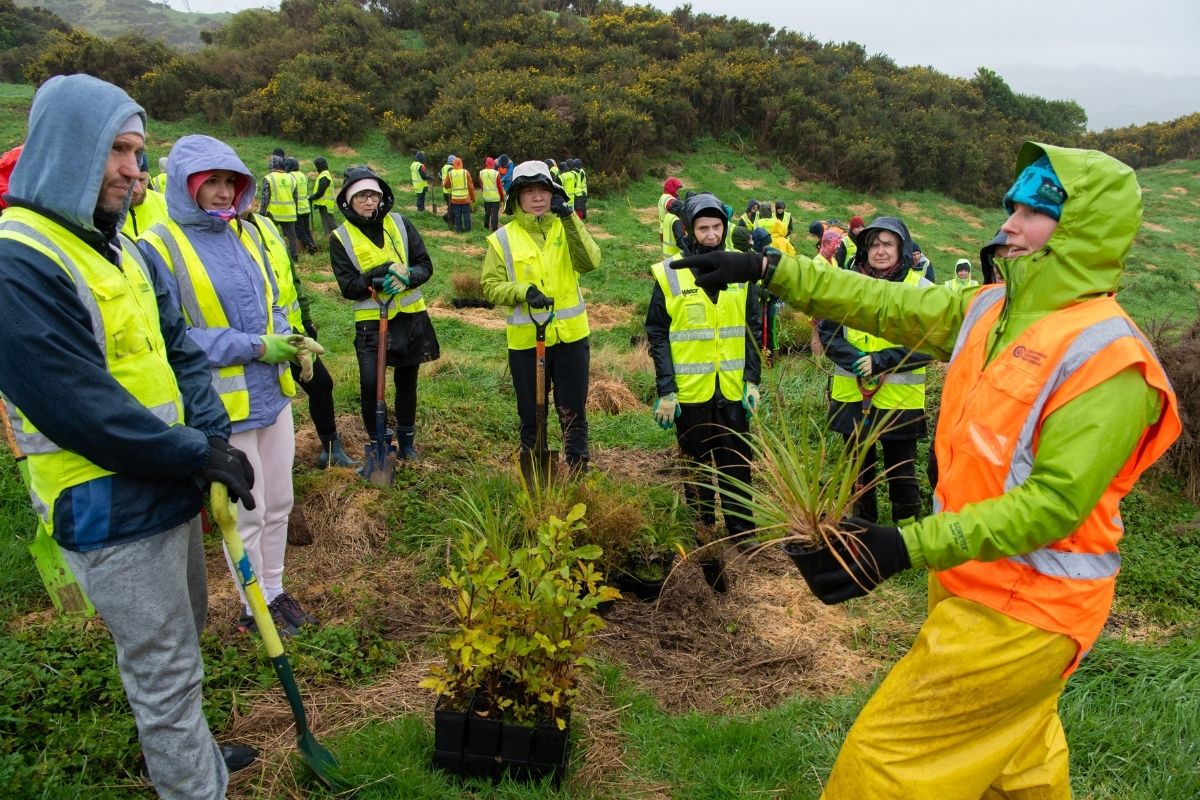
Nature Positive
Nature Positive
Diversity, Equity and Inclusion/Winners
Diversity, Equity and Inclusion/Winners

Staff Champion/Winners
Staff Champion/Winners

Student Champion/Winners
Student Champion/Winners


Nature Positive/Winners category
La Trobe University’s “Nangak Tamboree: Embracing Biodiversity and Indigenous Cultural Learning in a University City” is an extensive ecological and cultural restoration project centred around the Nangak Tamboree, a 2 km waterway and open space network running through La Trobe’s Bundoora Campus. The initiative integrates environmental sustainability with Indigenous cultural heritage, creating a living laboratory that fosters biodiversity, provides educational experiences, and strengthens community connections. In collaboration with the Wurundjeri Woi-wurrung Cultural Heritage Aboriginal Corporation and other partners, La Trobe has implemented innovative practices in land management, cultural burning, waterway health, and species conservation, making the project a benchmark for nature-positive actions in urban settings.
Top 3 learnings
Environmental and Social Benefits
- Biodiversity Enhancement: The initiative has recorded 1,343 species of flora and fauna within Nangak Tamboree, with significant habitat restoration efforts including planting over 148,000 Indigenous plants. These efforts support the reintroduction of native species, such as the Emu and endangered plant species like the Matted Flax-lily.
- Cultural and Environmental Stewardship: Through extensive collaboration with the Wurundjeri Woi-wurrung people, the project incorporates traditional land management practices, including cultural burning, which has already shown positive outcomes, such as the re-emergence of the critically endangered Matted Flax-lily.
- Community Engagement: The project has engaged over 9,419 people through education, citizen science activities, and events. Additionally, 4,645 volunteer hours were dedicated to plant production, land management, and seed collection in 2023 alone, highlighting the community’s active involvement in the initiative.
Leadership and Engagement
- Collaborative Development: The initiative was co-created with key stakeholders, including the Wurundjeri Woi-wurrung Cultural Heritage Aboriginal Corporation, Melbourne Water, and the Darebin Creek Management Committee. This collaborative approach ensures that the project aligns with both ecological and cultural goals, fostering a shared vision for sustainability.
- Education and Research Integration: The Nangak Tamboree Wildlife Sanctuary serves as an outdoor lab, offering educational experiences across all levels, from primary school to tertiary education. In 2023, the Sanctuary hosted 62 school visits, provided 24 work experience placements, and facilitated 574 internship hours for students, integrating learning with practical conservation efforts.
- Innovative Practices: The project employs unique strategies such as using goats for weed management to reduce chemical reliance, the installation of 36 raingardens to improve stormwater management, and the establishment of a native fish hatchery to support the reintroduction of native fish species, making it a leader in sustainable urban ecology.
Significance to the Sector
- Sector Leadership: The Nangak Tamboree project is distinctive in its holistic approach, combining biodiversity enhancement with Indigenous cultural learning. It provides a replicable model for integrating ecological restoration with cultural heritage in urban environments, setting a new standard for university-led sustainability projects.
- Educational Impact: The initiative’s use of the Sanctuary as a living laboratory and its integration into La Trobe’s curriculum provide students with hands-on experience in land management, conservation, and Indigenous cultural practices. This approach enhances student employability and contributes to the development of future environmental leaders.
- Global and National Recognition: The project’s methodologies and outcomes are gaining recognition both nationally and internationally. The recent presentation at the 2024 AUDE Conference in the UK highlights its potential as a model for biodiversity and sustainability initiatives globally.
Wider Societal Impact
- Cultural Heritage Preservation: The project’s strong emphasis on Indigenous cultural heritage, particularly through collaborations with the Wurundjeri Woi-wurrung people, ensures that cultural practices are preserved and promoted within the university’s operations. This approach fosters respect and understanding of Indigenous knowledge systems among the broader community.
- Public Engagement and Education: The initiative offers a wide range of public engagement activities, from citizen science events to educational workshops, attracting over 12,230 visitors to the Sanctuary in 2023. This engagement promotes a deeper connection to nature and encourages public participation in conservation efforts.
- Sustainable Urban Development: As the Nangak Tamboree becomes a key feature of La Trobe’s University City, it serves as a model for sustainable urban development, demonstrating how universities can lead in creating green, culturally significant spaces that benefit both the environment and the community.
La Trobe University’s “Nangak Tamboree” initiative shows a comprehensive approach to enhancing biodiversity while embracing Indigenous cultural heritage. Through innovative land management practices, strong community engagement, and integration into educational frameworks, the project not only restores ecological health but also serves as a model for other institutions seeking to create nature-positive, culturally enriched urban spaces. Its success highlights the university’s leadership in sustainability and its commitment to fostering a deeper connection between people, culture, and the environment.
Supported by
Category finalists
Sustainability Institution of the Year/Winners
Sustainability Institution of the Year/Winners
Climate Action/Winners
Climate Action/Winners
Creating Impact/Winners
Creating Impact/Winners
Next Generation Learning & Skills/Winners
Next Generation Learning & Skills/Winners
Student Engagement/Winners
Student Engagement/Winners
Nature Positive
Nature Positive
Highly Commended/Nature Positive
Highly Commended/Nature Positive
Powerful Partnerships/Winners
Powerful Partnerships/Winners
Nature Positive
Nature Positive
Diversity, Equity and Inclusion/Winners
Diversity, Equity and Inclusion/Winners
Staff Champion/Winners
Staff Champion/Winners
Student Champion/Winners
Student Champion/Winners