Next Generation Learning & Skills/Winners category
The University of Tasmania (UTAS) has introduced the “Sustainability University Major (SUM)” as a transformative curriculum initiative designed to embed sustainability as a core competency across undergraduate programs. Launched in 2023, the SUM allows students from various disciplines to pursue sustainability as a second major, integrating knowledge from fields such as Science, Arts, ICT, Economics, Business, and Health. This interdisciplinary approach equips students with the skills and knowledge needed to address complex global challenges, emphasising systems thinking, values-based decision-making, and practical change-making. The SUM has rapidly grown in popularity, with 150 students currently enrolled, and projections indicate enrolment will exceed 250 by 2025.
Environmental and Social Benefits
- Widespread Sustainability Literacy: The SUM equips students with sustainability competencies across multiple disciplines, ensuring graduates are prepared to apply sustainable practices in diverse professional contexts. This broad dissemination of sustainability knowledge supports the development of a workforce capable of addressing environmental and social challenges.
- Interdisciplinary Learning: The program fosters collaboration between different academic disciplines, encouraging students to approach sustainability from various perspectives. This interdisciplinary focus promotes innovative problem-solving and prepares students to tackle complex, real-world issues.
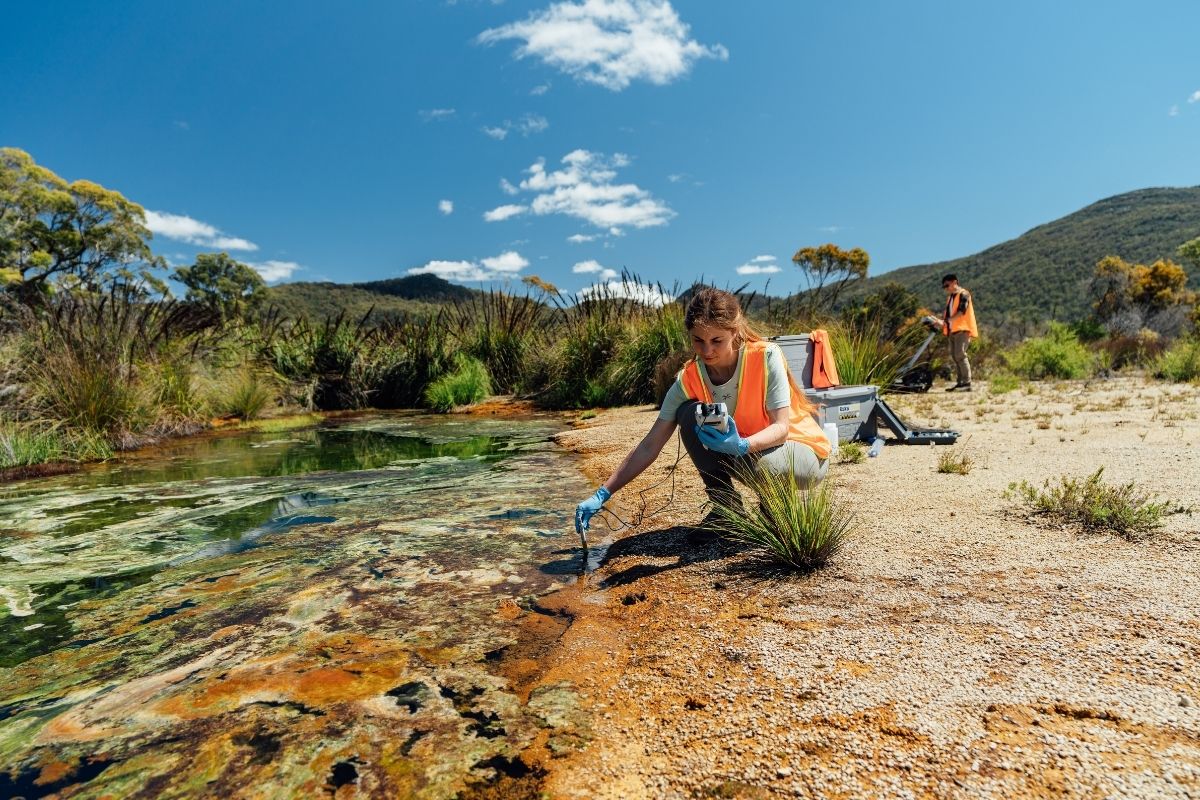
- Community and Industry Impact: Through the Sustainability Placement Experience unit, students engage with local organisations to implement sustainability projects, directly contributing to the community’s environmental goals and strengthening university-community partnerships.
Leadership and Engagement
- Collaborative Governance: The SUM is jointly governed by all Colleges of UTAS, ensuring broad institutional support and integration across academic departments. This governance model promotes shared responsibility for sustainability education and fosters collaboration between faculty members from different disciplines.
- Student and Staff Involvement: The initiative has garnered strong support from both students and staff, with over 20 academic staff from nine different Schools/Centres involved in developing and delivering the curriculum. This widespread engagement reflects the university community’s commitment to sustainability and enhances the program’s impact.
- Rapid Implementation: The development and rollout of the SUM were driven by both top-down executive leadership and bottom-up advocacy from the Education for Sustainability Community of Practice. The initiative’s swift implementation demonstrates UTAS’s agility in responding to student demand and advancing sustainability education.
Significance to the Sector
- Innovative Curriculum Structure: The SUM represents a modern approach to sustainability education in Australia, offering a cross-university major that integrates sustainability into a wide range of degree programs. This model has the potential to be replicated by other universities seeking to embed sustainability across their curricula.
- Sector Leadership: UTAS’s SUM sets a new benchmark for interdisciplinary sustainability education, with its innovative structure and comprehensive governance model. The program’s success positions UTAS as a leader in sustainability education, influencing practices across the higher education sector.
- Global Recognition: As a leading Australian university to offer a sustainability major with such broad interdisciplinary reach, UTAS’s initiative has gathered attention both nationally and internationally, contributing to global efforts to enhance sustainability education.
Wider Societal Impact
- Workforce Development: Graduates of the SUM are equipped with the knowledge and skills to drive sustainability in various sectors, from government and industry to non-profit organisations. This contributes to the creation of a workforce capable of leading sustainability initiatives and addressing global challenges.
- Public Awareness and Engagement: The SUM enhances public awareness of sustainability by involving students in community-based projects and promoting sustainability literacy across a wide audience. These efforts support broader societal goals of environmental stewardship and social equity.
- Long-Term Impact on Education: The success of the SUM is expected to influence the development of similar interdisciplinary programs at other universities, leading to a broader adoption of sustainability education and a greater emphasis on interdisciplinary learning in higher education.
The University of Tasmania’s “Sustainability University Major (SUM)” is a significant initiative that highlights the university’s commitment to sustainability and interdisciplinary education. By integrating sustainability into a wide range of degree programs, the SUM not only prepares students to address complex global challenges but also sets a new standard for higher education. The initiative’s success demonstrates the power of collaborative governance and innovative curriculum design in advancing sustainability education, making it a model for other institutions to follow.

Top 3 learnings
Supported by
Category finalists
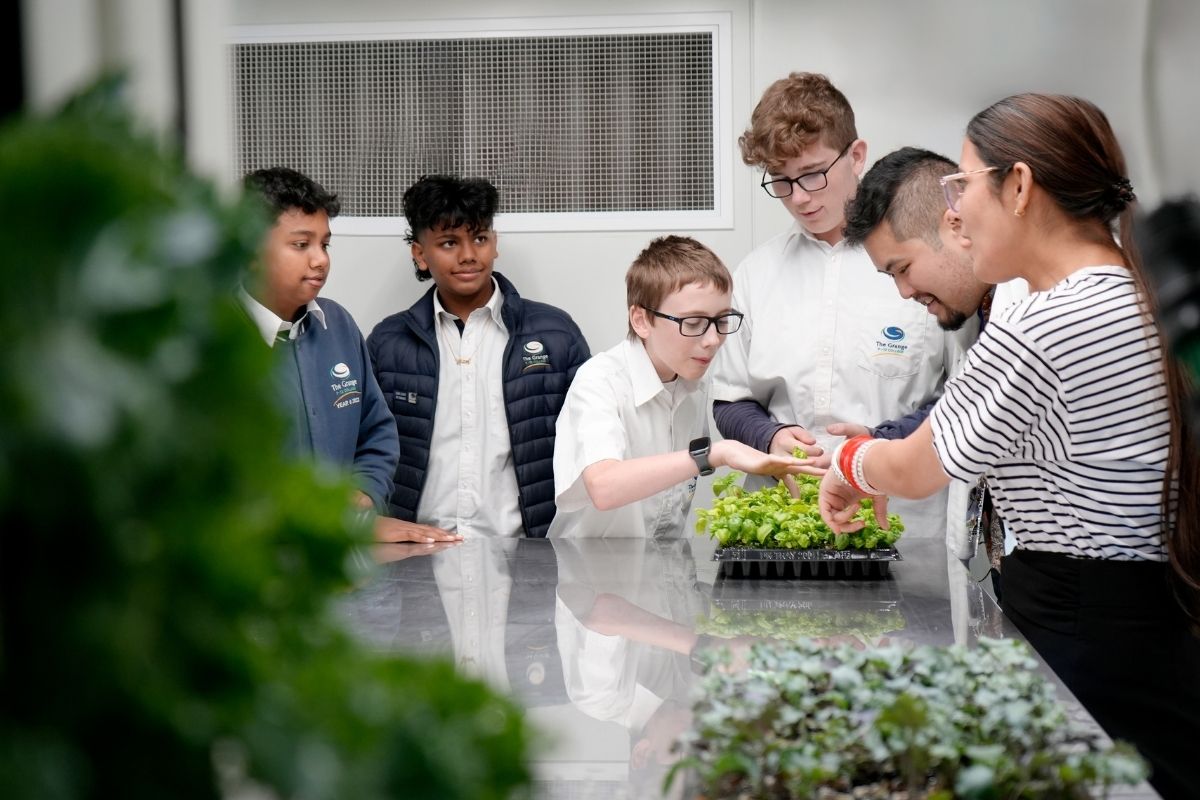
Next Generation Learning & Skills
Next Generation Learning & Skills

Sustainability Institution of the Year/Winners
Sustainability Institution of the Year/Winners
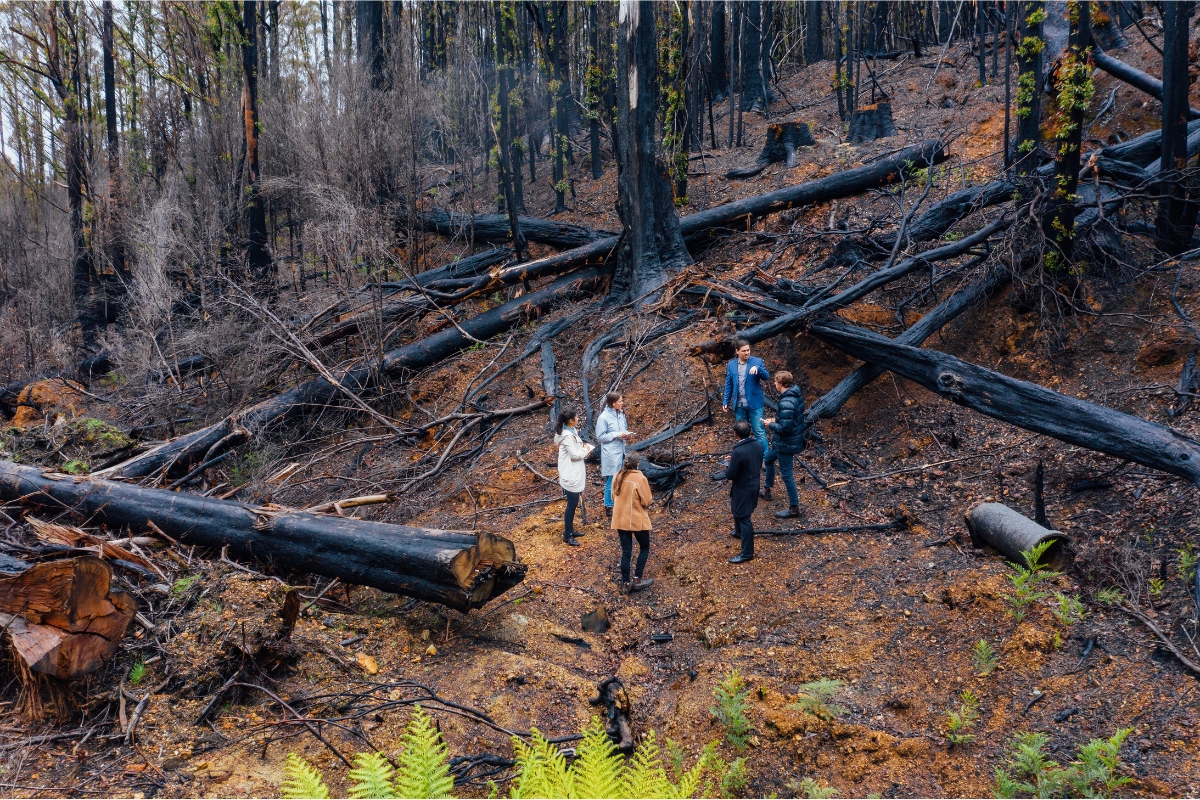
Climate Action/Winners
Climate Action/Winners
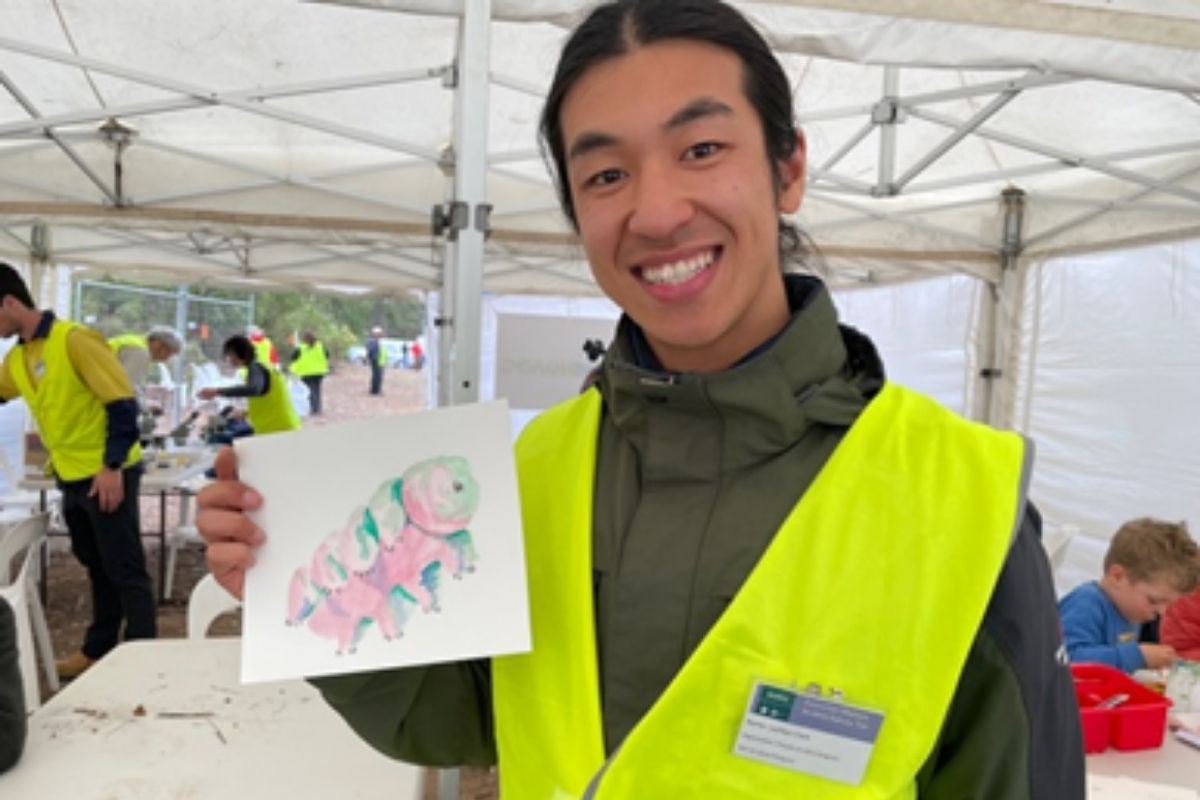
Creating Impact/Winners
Creating Impact/Winners

Student Engagement/Winners
Student Engagement/Winners
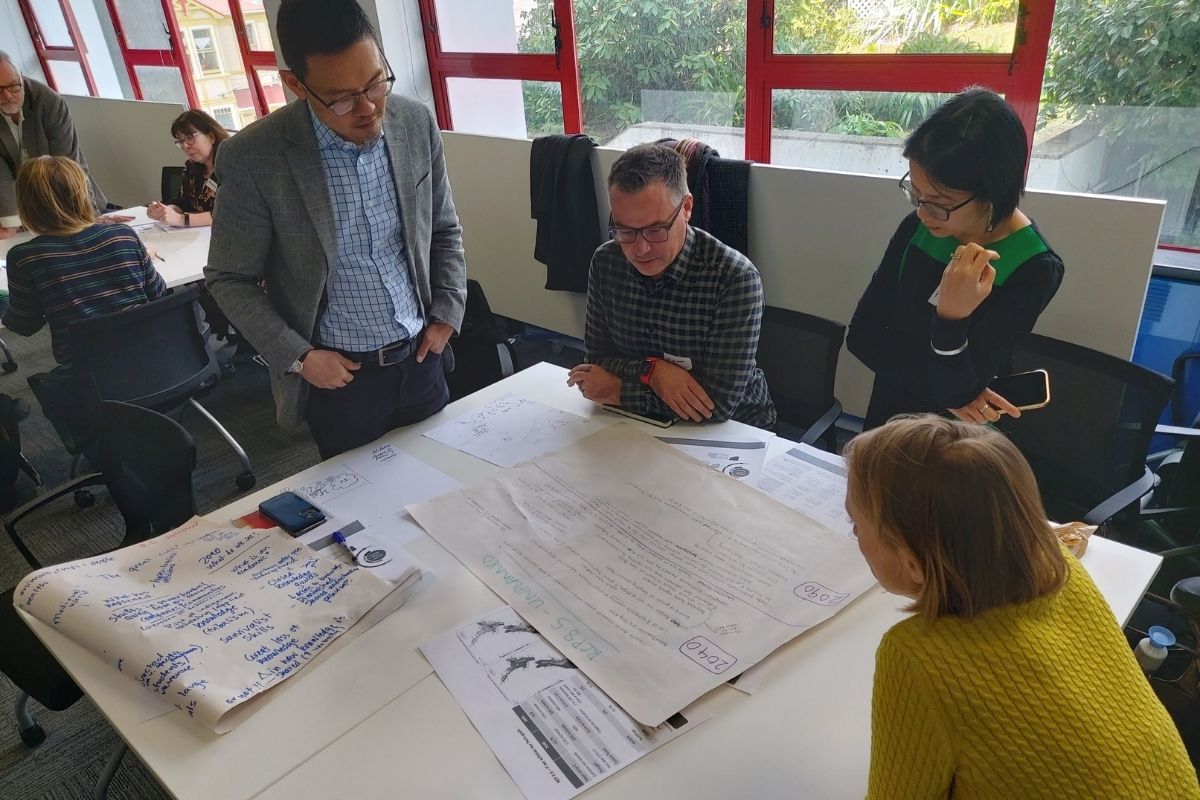
Powerful Partnerships/Winners
Powerful Partnerships/Winners

Next Generation Learning & Skills
Next Generation Learning & Skills
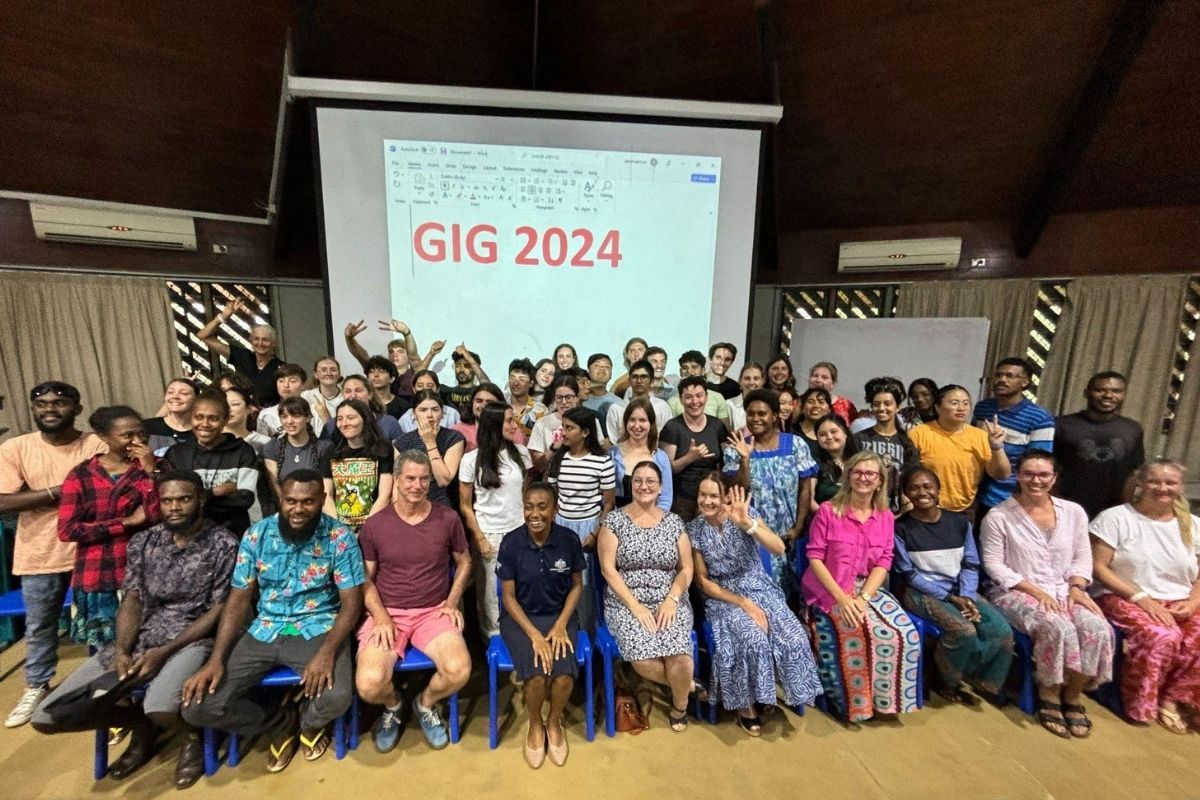
Diversity, Equity and Inclusion/Winners
Diversity, Equity and Inclusion/Winners

Next Generation Learning & Skills
Next Generation Learning & Skills
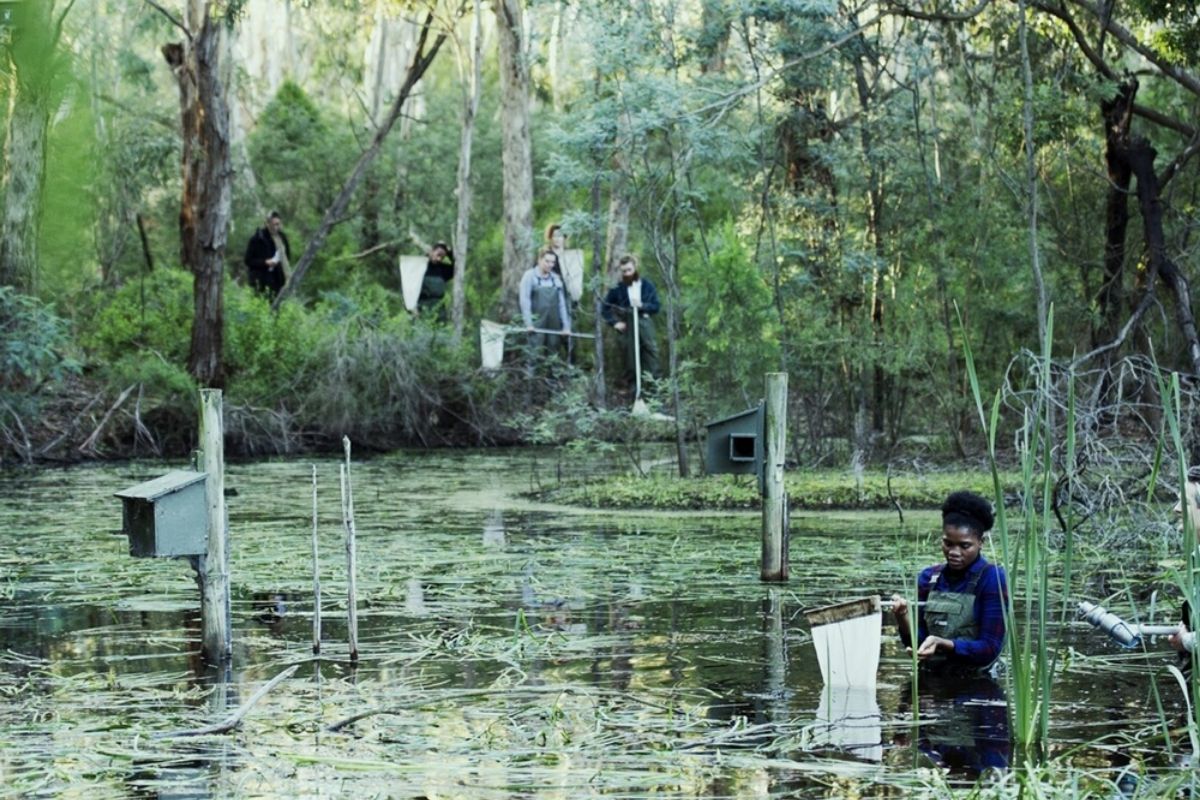
Nature Positive/Winners
Nature Positive/Winners

Staff Champion/Winners
Staff Champion/Winners

Student Champion/Winners
Student Champion/Winners


Next Generation Learning & Skills/Winners category
The University of Tasmania (UTAS) has introduced the “Sustainability University Major (SUM)” as a transformative curriculum initiative designed to embed sustainability as a core competency across undergraduate programs. Launched in 2023, the SUM allows students from various disciplines to pursue sustainability as a second major, integrating knowledge from fields such as Science, Arts, ICT, Economics, Business, and Health. This interdisciplinary approach equips students with the skills and knowledge needed to address complex global challenges, emphasising systems thinking, values-based decision-making, and practical change-making. The SUM has rapidly grown in popularity, with 150 students currently enrolled, and projections indicate enrolment will exceed 250 by 2025.
Top 3 learnings
Environmental and Social Benefits
- Widespread Sustainability Literacy: The SUM equips students with sustainability competencies across multiple disciplines, ensuring graduates are prepared to apply sustainable practices in diverse professional contexts. This broad dissemination of sustainability knowledge supports the development of a workforce capable of addressing environmental and social challenges.
- Interdisciplinary Learning: The program fosters collaboration between different academic disciplines, encouraging students to approach sustainability from various perspectives. This interdisciplinary focus promotes innovative problem-solving and prepares students to tackle complex, real-world issues.
- Community and Industry Impact: Through the Sustainability Placement Experience unit, students engage with local organisations to implement sustainability projects, directly contributing to the community’s environmental goals and strengthening university-community partnerships.
Leadership and Engagement
- Collaborative Governance: The SUM is jointly governed by all Colleges of UTAS, ensuring broad institutional support and integration across academic departments. This governance model promotes shared responsibility for sustainability education and fosters collaboration between faculty members from different disciplines.
- Student and Staff Involvement: The initiative has garnered strong support from both students and staff, with over 20 academic staff from nine different Schools/Centres involved in developing and delivering the curriculum. This widespread engagement reflects the university community’s commitment to sustainability and enhances the program’s impact.
- Rapid Implementation: The development and rollout of the SUM were driven by both top-down executive leadership and bottom-up advocacy from the Education for Sustainability Community of Practice. The initiative’s swift implementation demonstrates UTAS’s agility in responding to student demand and advancing sustainability education.
Significance to the Sector
- Innovative Curriculum Structure: The SUM represents a modern approach to sustainability education in Australia, offering a cross-university major that integrates sustainability into a wide range of degree programs. This model has the potential to be replicated by other universities seeking to embed sustainability across their curricula.
- Sector Leadership: UTAS’s SUM sets a new benchmark for interdisciplinary sustainability education, with its innovative structure and comprehensive governance model. The program’s success positions UTAS as a leader in sustainability education, influencing practices across the higher education sector.
- Global Recognition: As a leading Australian university to offer a sustainability major with such broad interdisciplinary reach, UTAS’s initiative has gathered attention both nationally and internationally, contributing to global efforts to enhance sustainability education.
Wider Societal Impact
- Workforce Development: Graduates of the SUM are equipped with the knowledge and skills to drive sustainability in various sectors, from government and industry to non-profit organisations. This contributes to the creation of a workforce capable of leading sustainability initiatives and addressing global challenges.
- Public Awareness and Engagement: The SUM enhances public awareness of sustainability by involving students in community-based projects and promoting sustainability literacy across a wide audience. These efforts support broader societal goals of environmental stewardship and social equity.
- Long-Term Impact on Education: The success of the SUM is expected to influence the development of similar interdisciplinary programs at other universities, leading to a broader adoption of sustainability education and a greater emphasis on interdisciplinary learning in higher education.
The University of Tasmania’s “Sustainability University Major (SUM)” is a significant initiative that highlights the university’s commitment to sustainability and interdisciplinary education. By integrating sustainability into a wide range of degree programs, the SUM not only prepares students to address complex global challenges but also sets a new standard for higher education. The initiative’s success demonstrates the power of collaborative governance and innovative curriculum design in advancing sustainability education, making it a model for other institutions to follow.
Supported by
Category finalists
Next Generation Learning & Skills
Next Generation Learning & Skills
Sustainability Institution of the Year/Winners
Sustainability Institution of the Year/Winners
Climate Action/Winners
Climate Action/Winners
Creating Impact/Winners
Creating Impact/Winners
Student Engagement/Winners
Student Engagement/Winners
Powerful Partnerships/Winners
Powerful Partnerships/Winners
Next Generation Learning & Skills
Next Generation Learning & Skills
Diversity, Equity and Inclusion/Winners
Diversity, Equity and Inclusion/Winners
Next Generation Learning & Skills
Next Generation Learning & Skills
Nature Positive/Winners
Nature Positive/Winners
Staff Champion/Winners
Staff Champion/Winners
Student Champion/Winners
Student Champion/Winners