Climate Action/Winners category
The University of Tasmania (UTAS) has undertaken a comprehensive and innovative climate action approach aimed at significantly reducing its carbon footprint and promoting sustainability. UTAS achieved carbon neutral certification in 2016 through the Commonwealth Climate Active program. Subsequently, the university joined the Race to Zero campaign, completed fossil fuel divestment, implemented the Curious Climate Schools outreach program and became the first Australasian signatory of the CANIE Accord. In 2022, UTAS published its Emissions Reduction Strategic Plan (ERSP) for 2022-2030, outlining 42 actions across all three emission scopes to reduce gross emissions by at least 50% by 2030, based on 2015 levels. This approach and the significant contribution to climate science have earned UTAS the top global ranking for SDG13 Climate Action in the Times Higher Education Impact Rankings for 2022, 2023, and 2024. UTAS has tabled its 2023 Annual Report in the Tasmanian Parliament, addressing proposed climate and sustainability risks reporting requirements, and is now implementing an ‘internal carbon budget’ to drive behaviour change towards reducing carbon emissions.
Environmental and Social Benefits
- Emission Reductions: UTAS’s initiatives have led to substantial carbon emissions reductions, as detailed in the ERSP and the annual Climate Active Public Disclosure Statements. Key projects include the installation of solar systems, reducing natural gas use, energy efficiency upgrades, electrifying the vehicle fleet, and implementing flexible working arrangements.
- Resource Conservation: The ERSP emphasises minimising waste through initiatives like the Re-Use program and on-site composting, which contribute to a circular economy and reduced greenhouse gas emissions.
- Social Empowerment: The ERSP supports empowering staff and students through sustainability programs, enabling them to actively participate in and lead climate action projects, fostering a culture of sustainability across the university.
Leadership and Engagement
- Student and Staff Involvement: Over 2,650 students have participated in the Sustainability Integration Program for Students (SIPS) since 2012, with more than 250 working directly on climate action projects, aligning with the ERSP’s goals of comprehensive community involvement.
- Community Engagement: The ERSP has facilitated engagement with local and state governments, businesses, and NGOs to advance climate action initiatives. This includes the Climate Action Network for International Educators (CANIE) and as founding members of the Climate Action Barometer – international education (CAB).
- Policy Influence and Partnerships: The ERSP has guided UTAS through the Tasmanian Policy Exchange in contributing to policy discussions and legislative developments, providing evidence-based recommendations to support Tasmania’s climate goals.
Significance to the Sector
- Global Recognition: The ERSP has contributed to UTAS being the #1 global university for SDG13 Climate Action in the Times Higher Education Impact Rankings for three consecutive years (2022-2024).
- Innovative Practices: The ERSP’s holistic approach to climate action, including its internal carbon budgeting mechanism and focus on embodied carbon reduction in building projects, sets a benchmark for other institutions.
- Educational Leadership: Through initiatives like the Curious Climate Tasmania program, the ERSP has advanced climate education, engaging over 100 primary and high school classes and addressing more than 600 climate-related questions.
Wider Societal Impact
- Economic and Social Co-Benefits: The ERSP’s carbon offset strategy seeks to provide local employment, protect cultural practices, and enhance environmental awareness. The university’s efforts in sustainable procurement and circular economy practices have influenced broader industry standards.
- Global Influence: As a founding member of the Climate Action Barometer in International Education, the ERSP has enabled UTAS to contribute to global sustainability benchmarks and support international education’s role in addressing climate change.
The University of Tasmania’s climate action initiative, driven by the Emissions Reduction Strategic Plan, exemplifies a comprehensive and impactful approach to sustainability. Through innovative projects, strong leadership, and broad engagement, UTAS has significantly reduced its carbon footprint, influenced policy, and empowered its community, making substantial contributions to local and global climate goals.



Top 3 learnings
Supported by

Category finalists

Sustainability Institution of the Year/Winners
Sustainability Institution of the Year/Winners

Creating Impact/Winners
Creating Impact/Winners
Next Generation Learning & Skills/Winners
Next Generation Learning & Skills/Winners

Student Engagement/Winners
Student Engagement/Winners
Climate Action
Climate Action
Climate Action
Climate Action
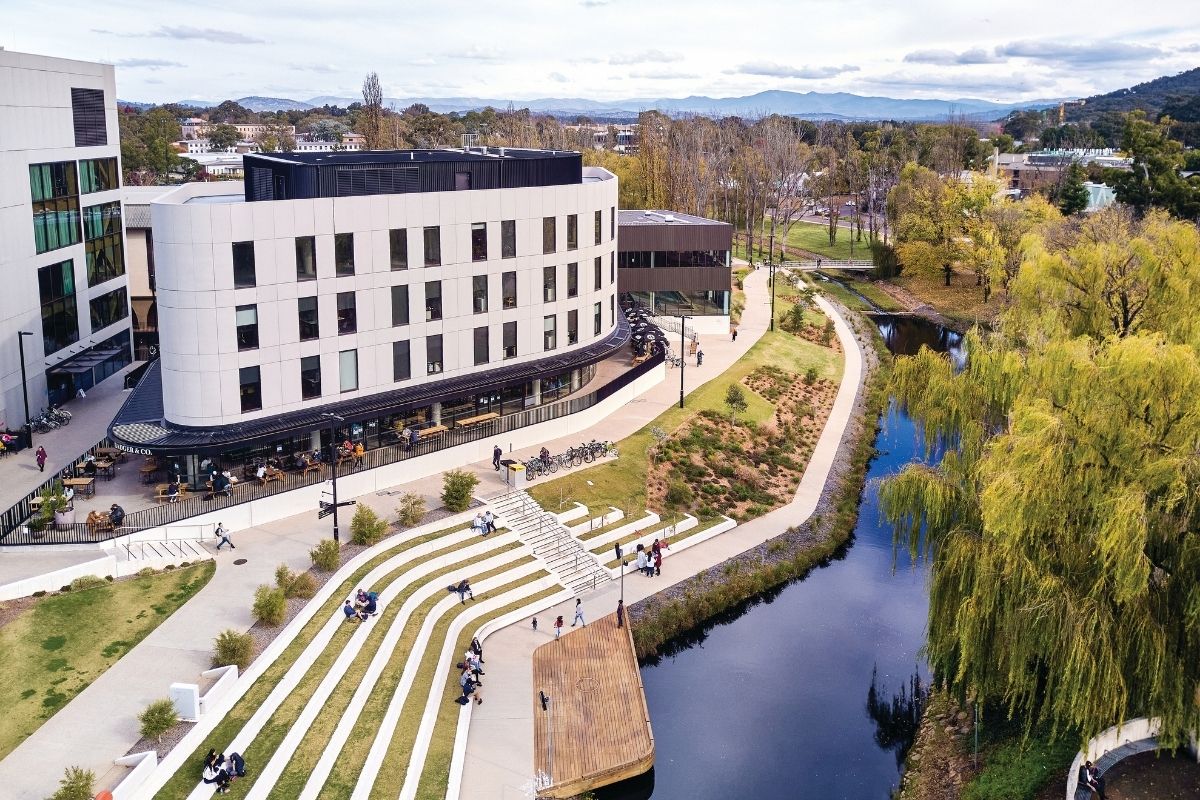
Climate Action/Highly Commended
Climate Action/Highly Commended
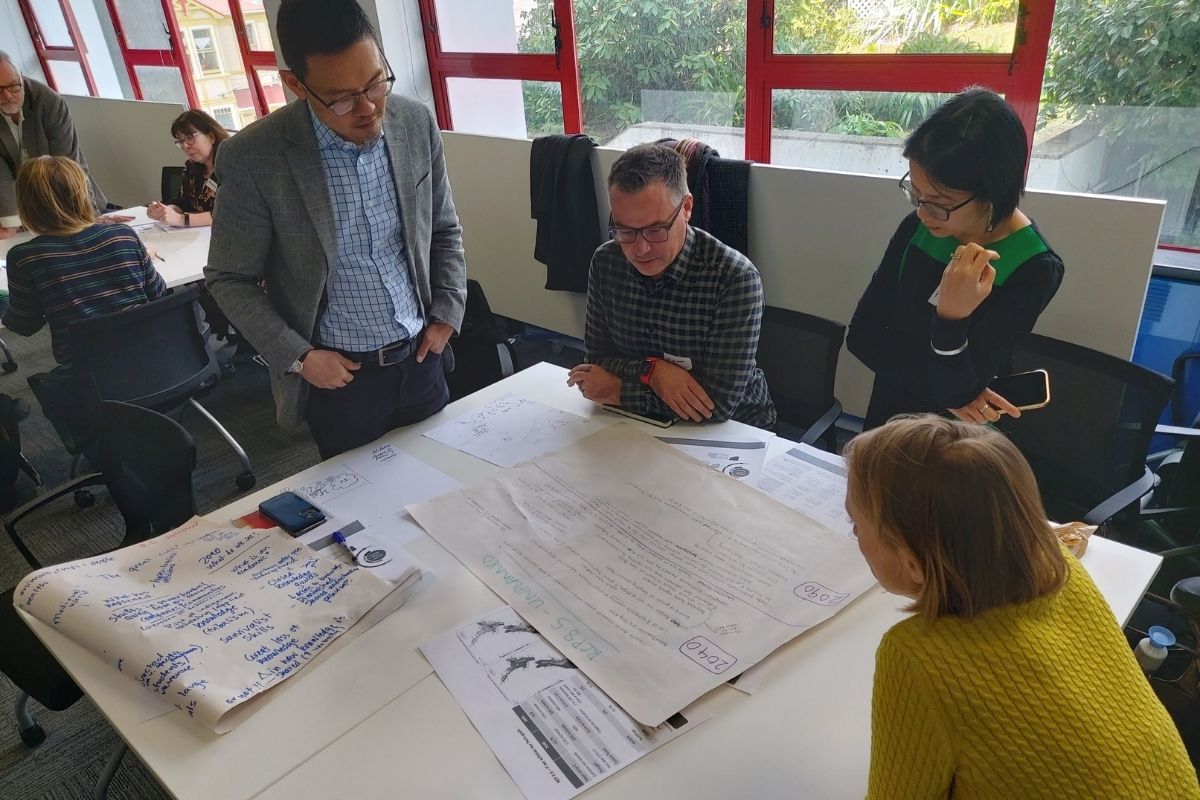
Powerful Partnerships/Winners
Powerful Partnerships/Winners

Diversity, Equity and Inclusion/Winners
Diversity, Equity and Inclusion/Winners
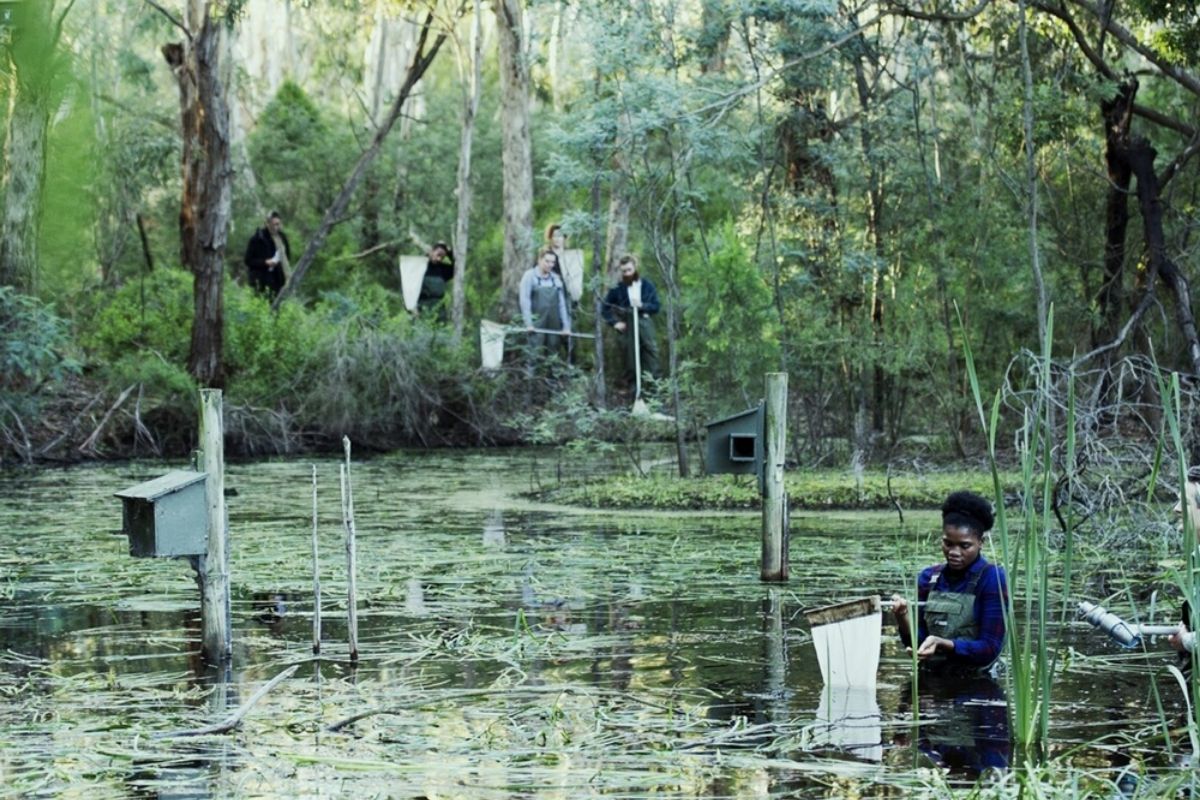
Nature Positive/Winners
Nature Positive/Winners

Staff Champion/Winners
Staff Champion/Winners

Student Champion/Winners
Student Champion/Winners


Climate Action/Winners category
The University of Tasmania (UTAS) has undertaken a comprehensive and innovative climate action approach aimed at significantly reducing its carbon footprint and promoting sustainability. UTAS achieved carbon neutral certification in 2016 through the Commonwealth Climate Active program. Subsequently, the university joined the Race to Zero campaign, completed fossil fuel divestment, implemented the Curious Climate Schools outreach program and became the first Australasian signatory of the CANIE Accord. In 2022, UTAS published its Emissions Reduction Strategic Plan (ERSP) for 2022-2030, outlining 42 actions across all three emission scopes to reduce gross emissions by at least 50% by 2030, based on 2015 levels. This approach and the significant contribution to climate science have earned UTAS the top global ranking for SDG13 Climate Action in the Times Higher Education Impact Rankings for 2022, 2023, and 2024. UTAS has tabled its 2023 Annual Report in the Tasmanian Parliament, addressing proposed climate and sustainability risks reporting requirements, and is now implementing an ‘internal carbon budget’ to drive behaviour change towards reducing carbon emissions.
Top 3 learnings
Environmental and Social Benefits
- Emission Reductions: UTAS’s initiatives have led to substantial carbon emissions reductions, as detailed in the ERSP and the annual Climate Active Public Disclosure Statements. Key projects include the installation of solar systems, reducing natural gas use, energy efficiency upgrades, electrifying the vehicle fleet, and implementing flexible working arrangements.
- Resource Conservation: The ERSP emphasises minimising waste through initiatives like the Re-Use program and on-site composting, which contribute to a circular economy and reduced greenhouse gas emissions.
- Social Empowerment: The ERSP supports empowering staff and students through sustainability programs, enabling them to actively participate in and lead climate action projects, fostering a culture of sustainability across the university.
Leadership and Engagement
- Student and Staff Involvement: Over 2,650 students have participated in the Sustainability Integration Program for Students (SIPS) since 2012, with more than 250 working directly on climate action projects, aligning with the ERSP’s goals of comprehensive community involvement.
- Community Engagement: The ERSP has facilitated engagement with local and state governments, businesses, and NGOs to advance climate action initiatives. This includes the Climate Action Network for International Educators (CANIE) and as founding members of the Climate Action Barometer – international education (CAB).
- Policy Influence and Partnerships: The ERSP has guided UTAS through the Tasmanian Policy Exchange in contributing to policy discussions and legislative developments, providing evidence-based recommendations to support Tasmania’s climate goals.
Significance to the Sector
- Global Recognition: The ERSP has contributed to UTAS being the #1 global university for SDG13 Climate Action in the Times Higher Education Impact Rankings for three consecutive years (2022-2024).
- Innovative Practices: The ERSP’s holistic approach to climate action, including its internal carbon budgeting mechanism and focus on embodied carbon reduction in building projects, sets a benchmark for other institutions.
- Educational Leadership: Through initiatives like the Curious Climate Tasmania program, the ERSP has advanced climate education, engaging over 100 primary and high school classes and addressing more than 600 climate-related questions.
Wider Societal Impact
- Economic and Social Co-Benefits: The ERSP’s carbon offset strategy seeks to provide local employment, protect cultural practices, and enhance environmental awareness. The university’s efforts in sustainable procurement and circular economy practices have influenced broader industry standards.
- Global Influence: As a founding member of the Climate Action Barometer in International Education, the ERSP has enabled UTAS to contribute to global sustainability benchmarks and support international education’s role in addressing climate change.
The University of Tasmania’s climate action initiative, driven by the Emissions Reduction Strategic Plan, exemplifies a comprehensive and impactful approach to sustainability. Through innovative projects, strong leadership, and broad engagement, UTAS has significantly reduced its carbon footprint, influenced policy, and empowered its community, making substantial contributions to local and global climate goals.
Supported by
Category finalists
Sustainability Institution of the Year/Winners
Sustainability Institution of the Year/Winners
Creating Impact/Winners
Creating Impact/Winners
Next Generation Learning & Skills/Winners
Next Generation Learning & Skills/Winners
Student Engagement/Winners
Student Engagement/Winners
Climate Action
Climate Action
Climate Action
Climate Action
Climate Action/Highly Commended
Climate Action/Highly Commended
Powerful Partnerships/Winners
Powerful Partnerships/Winners
Diversity, Equity and Inclusion/Winners
Diversity, Equity and Inclusion/Winners
Nature Positive/Winners
Nature Positive/Winners
Staff Champion/Winners
Staff Champion/Winners
Student Champion/Winners
Student Champion/Winners