Student Engagement/Winners category
The University of Tasmania (UTAS) has introduced the “Sustainable Food Solutions” initiative, a multifaceted program designed to address food insecurity among students while promoting sustainable food practices. This initiative, a key element of UTAS’ Healthy Sustainable and Equitable Food Strategic Plan 2023-2028, encompasses three primary components:
- Edible Campus involves students in the process of growing, harvesting, and distributing fresh produce.
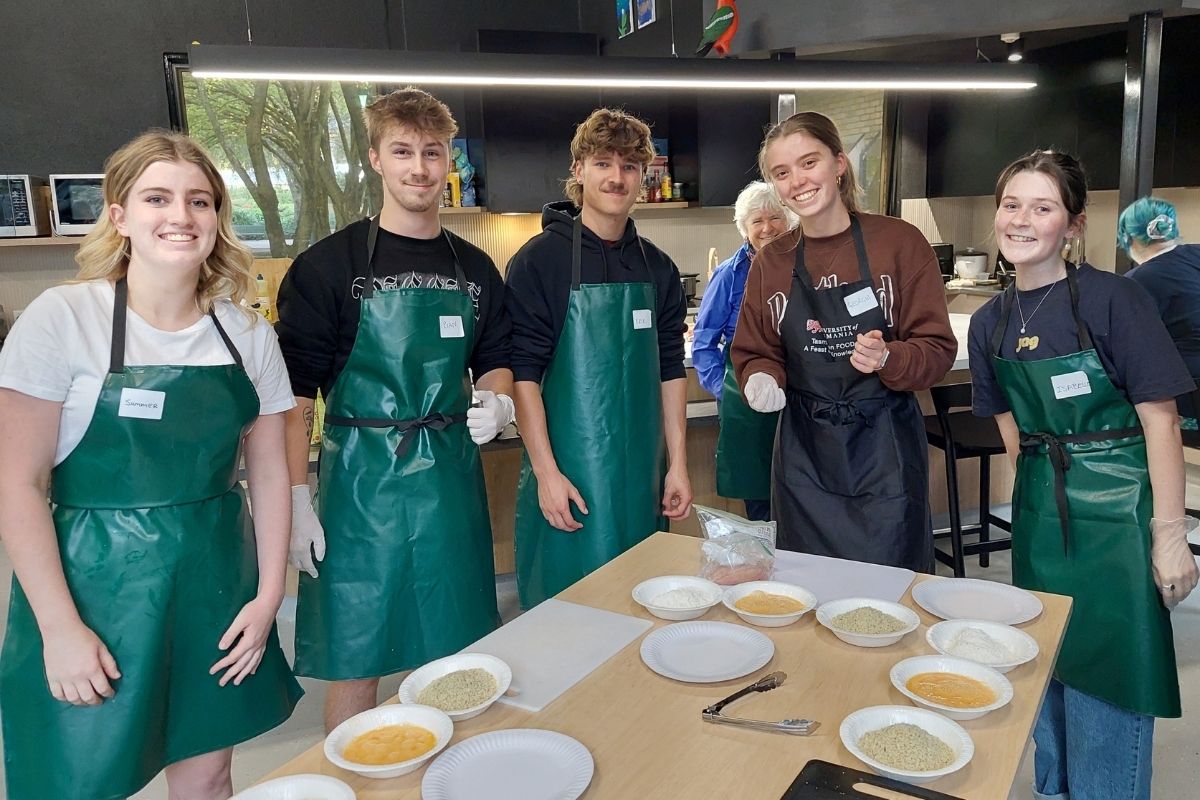
- The Student Foodies Program run by Health & Nutrition Science students, teaching food literacy and healthy eating through cooking and sharing low-cost, nutritious meals.
- Tasmanian University Students Association (TUSA), operates the Food Hub and Food Education Program providing free food and cooking classes to students in need.
Together, these programs engage students as both implementers and beneficiaries, aiming to reduce hunger, enhance food literacy, and foster a more sustainable campus food system.
Environmental and Social Benefits
- Food Security: The initiative directly addresses the pressing issue of food insecurity, with over 50% of UTAS students experiencing some level of food insecurity. By providing access to fresh produce, nutritious meals, and food education, Sustainable Food Solutions supports student health, well-being, and academic performance.
- Sustainable Practices: The initiative promotes organic gardening, composting, and the use of locally sourced produce, contributing to reduced food miles, waste, and chemical usage. These practices align with the university’s sustainability goals and enhance the environmental footprint of campus food systems.
- Community Engagement: The initiative has created a vibrant community around food production and education. Programs like Edible Campus and the Food Hub not only provide essential resources but also foster social connections, improving mental health and building a strong sense of community among students.
Leadership and Engagement
- Student Leadership: Sustainable Food Solutions is distinctive for its student-driven approach. In particular, the Student Foodies Program is led by Bachelor of Nutrition Science students who design and deliver food literacy courses. Additionally, students play a critical role in the management and operation of the Food Hub, driving both its day-to-day activities and strategic direction.
- Collaborative Partnerships: The initiative is supported by partnerships with various stakeholders, including local government, community organisations, and internal university departments. These collaborations ensure the sustainability and scalability of the programs while maximising their impact.
- Active Participation: The initiative engages a wide range of participants, with hundreds of students involved in gardening, food preparation, and distribution activities. This high level of engagement is crucial to the success and sustainability of the programs.
Significance to the Sector
- Innovative Model: Sustainable Food Solutions represents an innovative approach to addressing food insecurity within a university setting. The integration of food production, education, and relief into a cohesive program sets a benchmark for other institutions aiming to address similar challenges.
- Scalability and Replicability: The initiative’s components, particularly Edible Campus and the Food Hub, are designed to be scalable and replicable across other universities. The project’s success at UTAS demonstrates its potential for broader application in diverse educational contexts.
- Alignment with SDGs: The initiative contributes to multiple United Nations Sustainable Development Goals (SDGs), including Goal 2 (Zero Hunger) and Goal 12 (Responsible Consumption and Production), positioning UTAS as a leader in sustainable development within the higher education sector.
Wider Societal Impact
- Skill Development: Students participating in Sustainable Food Solutions gain valuable skills in gardening, cooking, and food literacy, which they can apply in their personal and professional lives. These skills contribute to healthier, more sustainable communities beyond the university.
- Cultural Integration: The initiative incorporates Tasmanian Aboriginal cultural knowledge and practices, particularly through the planting of native food species. This cultural integration enriches the educational experience and fosters a deeper understanding of sustainability.
- Community Outreach: The public nature of the Inveresk Community Garden and the outreach activities associated with the initiative extend its impact beyond the university, engaging the broader community in sustainable practices and raising awareness about food security issues.
The “Sustainable Food Solutions” initiative at the University of Tasmania exemplifies a comprehensive, student-driven approach to addressing food insecurity while promoting sustainability. Through its innovative programs, strategic partnerships, and strong community engagement, the initiative not only supports the immediate needs of students but also contributes to the long-term goal of creating a more sustainable and equitable food system. This project serves as a model for other institutions, demonstrating the powerful impact of integrated, community-focused solutions on both a local and global scale.

Top 3 learnings
Supported by

Category finalists

Sustainability Institution of the Year/Winners
Sustainability Institution of the Year/Winners
Climate Action/Winners
Climate Action/Winners
Creating Impact/Winners
Creating Impact/Winners
Next Generation Learning & Skills/Winners
Next Generation Learning & Skills/Winners
Powerful Partnerships/Winners
Powerful Partnerships/Winners
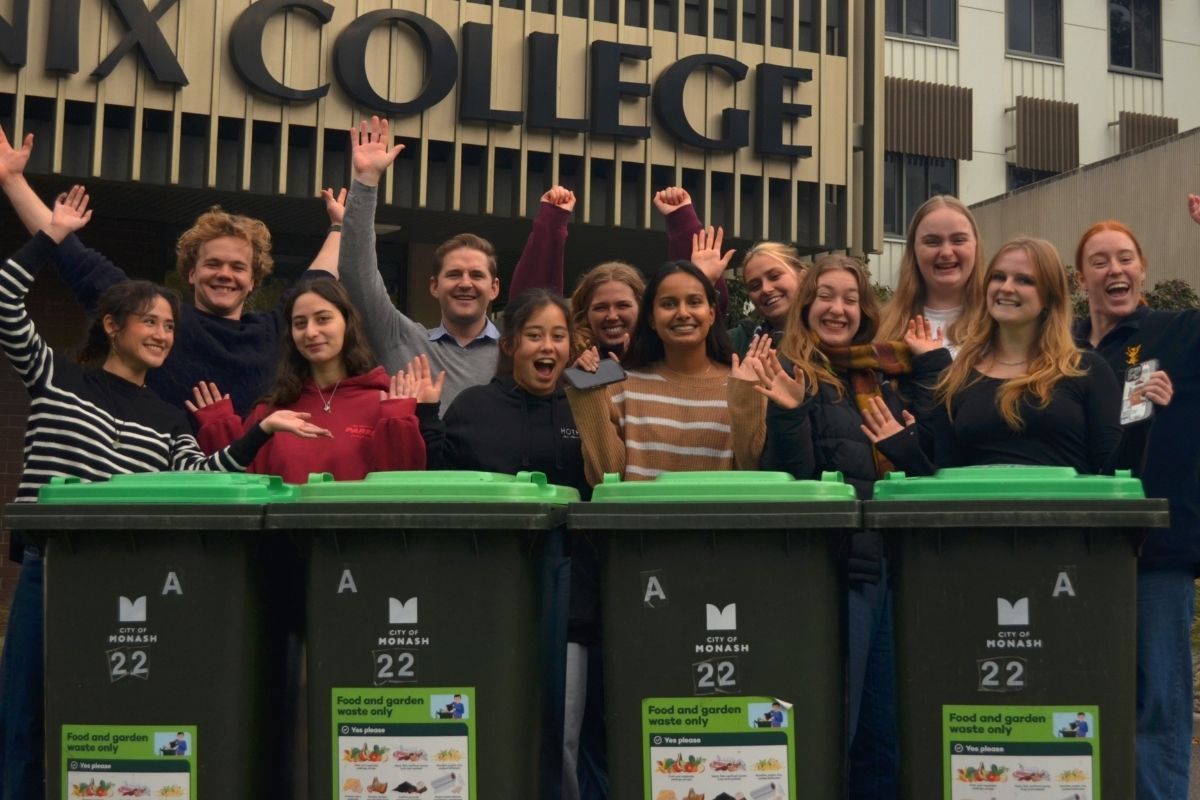
Student Engagement
Student Engagement
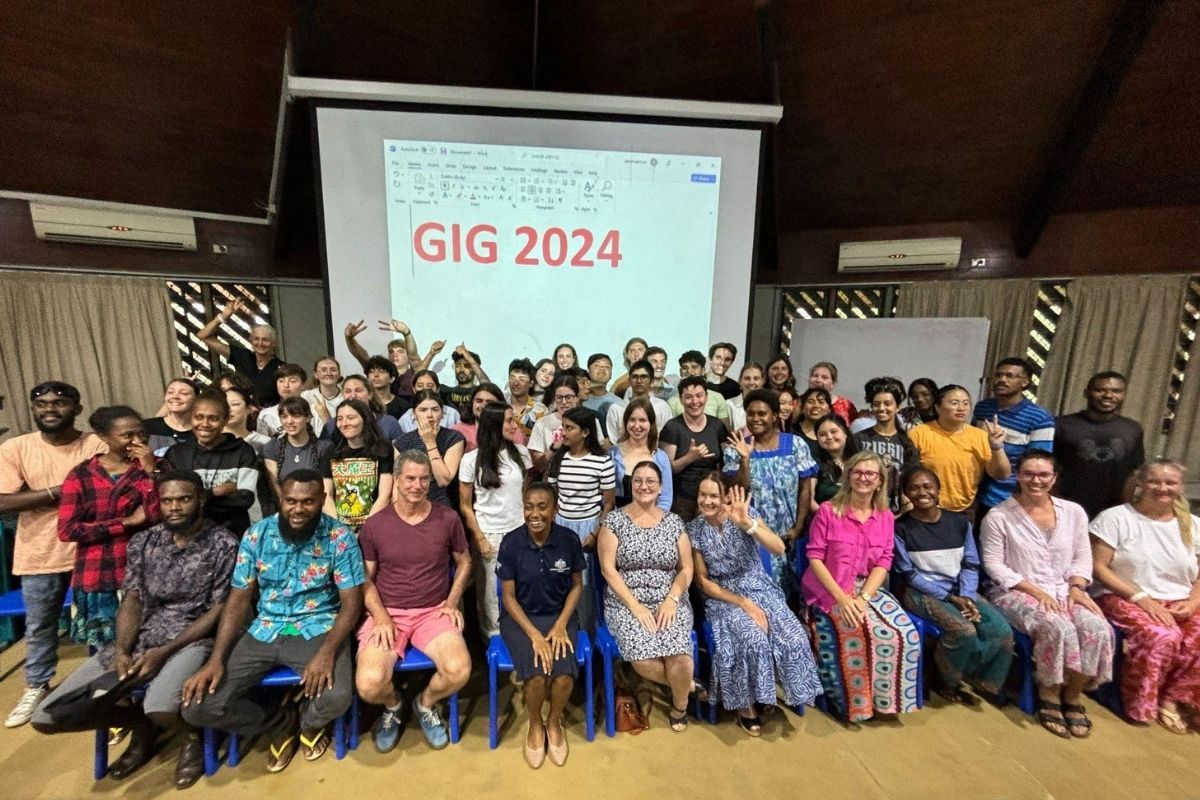
Diversity, Equity and Inclusion/Winners
Diversity, Equity and Inclusion/Winners
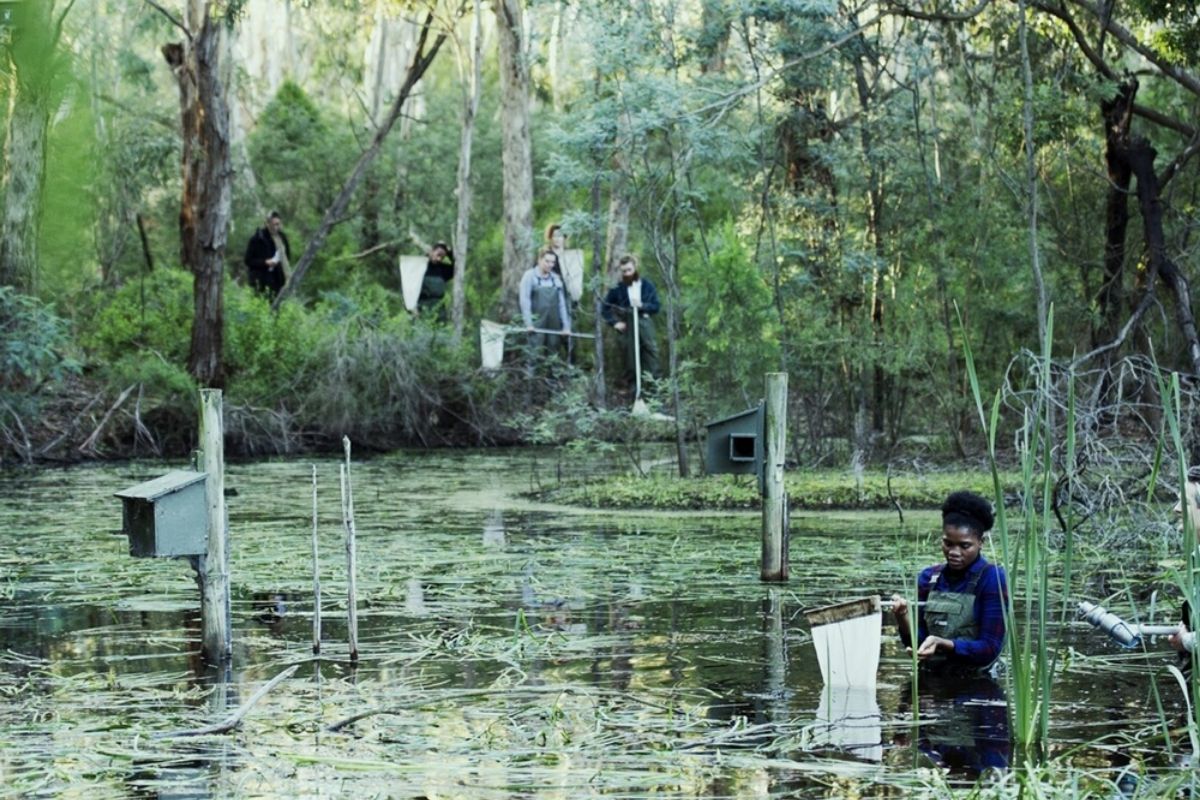
Nature Positive/Winners
Nature Positive/Winners

Staff Champion/Winners
Staff Champion/Winners

Student Champion/Winners
Student Champion/Winners


Student Engagement/Winners category
The University of Tasmania (UTAS) has introduced the “Sustainable Food Solutions” initiative, a multifaceted program designed to address food insecurity among students while promoting sustainable food practices. This initiative, a key element of UTAS’ Healthy Sustainable and Equitable Food Strategic Plan 2023-2028, encompasses three primary components:
- Edible Campus involves students in the process of growing, harvesting, and distributing fresh produce.
- The Student Foodies Program run by Health & Nutrition Science students, teaching food literacy and healthy eating through cooking and sharing low-cost, nutritious meals.
- Tasmanian University Students Association (TUSA), operates the Food Hub and Food Education Program providing free food and cooking classes to students in need.
Together, these programs engage students as both implementers and beneficiaries, aiming to reduce hunger, enhance food literacy, and foster a more sustainable campus food system.
Top 3 learnings
Environmental and Social Benefits
- Food Security: The initiative directly addresses the pressing issue of food insecurity, with over 50% of UTAS students experiencing some level of food insecurity. By providing access to fresh produce, nutritious meals, and food education, Sustainable Food Solutions supports student health, well-being, and academic performance.
- Sustainable Practices: The initiative promotes organic gardening, composting, and the use of locally sourced produce, contributing to reduced food miles, waste, and chemical usage. These practices align with the university’s sustainability goals and enhance the environmental footprint of campus food systems.
- Community Engagement: The initiative has created a vibrant community around food production and education. Programs like Edible Campus and the Food Hub not only provide essential resources but also foster social connections, improving mental health and building a strong sense of community among students.
Leadership and Engagement
- Student Leadership: Sustainable Food Solutions is distinctive for its student-driven approach. In particular, the Student Foodies Program is led by Bachelor of Nutrition Science students who design and deliver food literacy courses. Additionally, students play a critical role in the management and operation of the Food Hub, driving both its day-to-day activities and strategic direction.
- Collaborative Partnerships: The initiative is supported by partnerships with various stakeholders, including local government, community organisations, and internal university departments. These collaborations ensure the sustainability and scalability of the programs while maximising their impact.
- Active Participation: The initiative engages a wide range of participants, with hundreds of students involved in gardening, food preparation, and distribution activities. This high level of engagement is crucial to the success and sustainability of the programs.
Significance to the Sector
- Innovative Model: Sustainable Food Solutions represents an innovative approach to addressing food insecurity within a university setting. The integration of food production, education, and relief into a cohesive program sets a benchmark for other institutions aiming to address similar challenges.
- Scalability and Replicability: The initiative’s components, particularly Edible Campus and the Food Hub, are designed to be scalable and replicable across other universities. The project’s success at UTAS demonstrates its potential for broader application in diverse educational contexts.
- Alignment with SDGs: The initiative contributes to multiple United Nations Sustainable Development Goals (SDGs), including Goal 2 (Zero Hunger) and Goal 12 (Responsible Consumption and Production), positioning UTAS as a leader in sustainable development within the higher education sector.
Wider Societal Impact
- Skill Development: Students participating in Sustainable Food Solutions gain valuable skills in gardening, cooking, and food literacy, which they can apply in their personal and professional lives. These skills contribute to healthier, more sustainable communities beyond the university.
- Cultural Integration: The initiative incorporates Tasmanian Aboriginal cultural knowledge and practices, particularly through the planting of native food species. This cultural integration enriches the educational experience and fosters a deeper understanding of sustainability.
- Community Outreach: The public nature of the Inveresk Community Garden and the outreach activities associated with the initiative extend its impact beyond the university, engaging the broader community in sustainable practices and raising awareness about food security issues.
The “Sustainable Food Solutions” initiative at the University of Tasmania exemplifies a comprehensive, student-driven approach to addressing food insecurity while promoting sustainability. Through its innovative programs, strategic partnerships, and strong community engagement, the initiative not only supports the immediate needs of students but also contributes to the long-term goal of creating a more sustainable and equitable food system. This project serves as a model for other institutions, demonstrating the powerful impact of integrated, community-focused solutions on both a local and global scale.
Supported by
Category finalists
Sustainability Institution of the Year/Winners
Sustainability Institution of the Year/Winners
Climate Action/Winners
Climate Action/Winners
Creating Impact/Winners
Creating Impact/Winners
Next Generation Learning & Skills/Winners
Next Generation Learning & Skills/Winners
Powerful Partnerships/Winners
Powerful Partnerships/Winners
Student Engagement
Student Engagement
Diversity, Equity and Inclusion/Winners
Diversity, Equity and Inclusion/Winners
Nature Positive/Winners
Nature Positive/Winners
Staff Champion/Winners
Staff Champion/Winners
Student Champion/Winners
Student Champion/Winners