Climate Action category
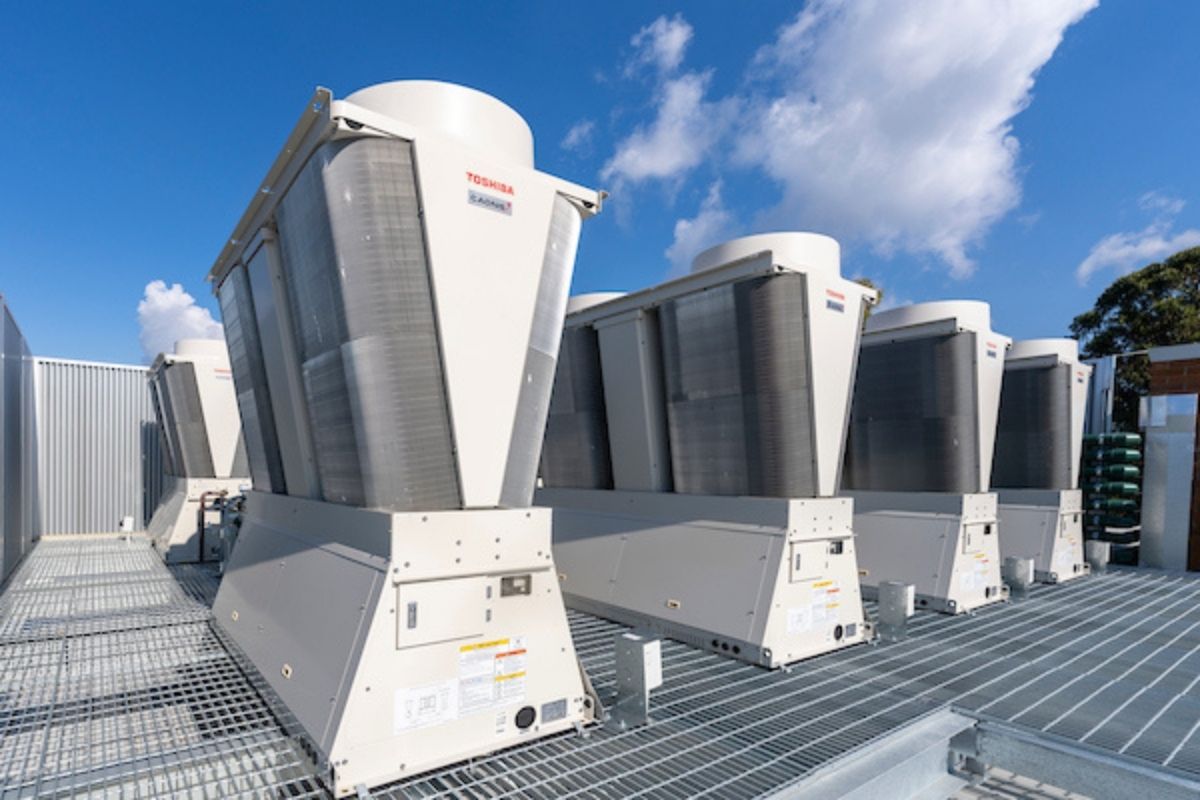
The Australian National University (ANU) has undertaken an innovative climate action initiative titled “Heat Pumped – Fossil-free heating for cold Canberrans.” This project involves the replacement of fossil fuel gas boilers with electric heat pumps across eight buildings on the ANU campus. The initiative aligns with the University’s strategic goals of reducing carbon emissions and promoting environmental sustainability as outlined in their Strategic Plan 2021-2025 and Corporate Plan 2024-2027. The project showcases their commitment to innovative and sustainable solutions in building management and climate action.
Environmental and Social Benefits
- Emission Reductions: The installation of electric heat pumps, powered by 100% renewable electricity, has reduced their carbon footprint by 900 tCO2e per annum, which is 6.5% of the university’s total emissions from gas. This aligns with the University’s climate goals and contributes to national emission reduction targets.
- Resource Conservation: The project emphasises the reuse of existing infrastructure and retrofitting buildings, which conserves resources and minimises waste. By avoiding the installation of new gas boilers, ANU prevents the creation of stranded assets.
- Social Empowerment: The initiative has provided extensive learning opportunities for students and staff, fostering a culture of sustainability and empowering the university community to engage in climate action.
Leadership and Engagement
- Student and Staff Involvement: An internal team of engineers led the project, supported by specialist contractors. The initiative included guest lectures and guided tours for students, directly engaging approximately 100 students and enhancing their understanding of sustainable building practices.
- Community and Industry Partnerships: The project involved collaboration with various stakeholders, including the CSIRO, ACT government, and industry consultants. The University’s engineering team also contributed to the Australian Institute of Refrigeration, Air-conditioning and Heating (AIRAH) by establishing a Special Technical Group for building electrification.
- Policy Influence: The project’s success demonstrates compliance with the ACT government’s policy of phasing out gas by 2045 and sets a benchmark for other institutions and sectors aiming to transition to renewable energy solutions.
Significance to the Sector
- Global Recognition: This project is one of the first large-scale implementations of heat pump technology in existing buildings within a cold climate, making it a model for similar initiatives globally. The project’s innovative solutions and successful implementation provide a valuable case study for the education and HVAC industries.
- Innovative Practices: The initiative utilised various heat pump technologies and system configurations, including modular installations and waste heat recovery, showcasing novel approaches to overcoming technical challenges associated with retrofitting buildings for renewable energy.
- Educational Leadership: By integrating the project into academic curricula and providing hands-on learning experiences, ANU has enhanced its educational offerings and reinforced its role as a leader in sustainability education.
Wider Societal Impact
- Economic and Social Co-Benefits: The project has not only reduced emissions but also demonstrated the financial viability of transitioning to electric heating solutions. It provides a pathway for other institutions and sectors to achieve similar environmental and economic benefits.
- Global Influence: The project’s relevance extends beyond the university sector, influencing the HVAC industry, construction, and maintenance sectors globally. It offers a replicable model for international audiences, particularly in colder climates reliant on gas for heating.
- Future Leaders: The initiative equips students with practical knowledge and skills in sustainable building practices, preparing them to become future leaders in climate action and environmental sustainability.
The Australian National University’s “Heat Pumped – Fossil-free heating for cold Canberrans” initiative exemplifies a pioneering approach to sustainability and climate action. Through innovative design, strong leadership, and extensive community engagement, ANU has significantly reduced its carbon footprint, set new standards for green building practices, and empowered its community. This project not only contributes to the University’s sustainability goals but also serves as a model for institutions and industries globally, showcasing the feasibility and benefits of transitioning to renewable energy solutions in existing buildings.



Top 3 learnings
Supported by

Category finalists
Climate Action/Winners
Climate Action/Winners
Climate Action
Climate Action
Climate Action/Highly Commended
Climate Action/Highly Commended
Climate Action category
The Australian National University (ANU) has undertaken an innovative climate action initiative titled “Heat Pumped – Fossil-free heating for cold Canberrans.” This project involves the replacement of fossil fuel gas boilers with electric heat pumps across eight buildings on the ANU campus. The initiative aligns with the University’s strategic goals of reducing carbon emissions and promoting environmental sustainability as outlined in their Strategic Plan 2021-2025 and Corporate Plan 2024-2027. The project showcases their commitment to innovative and sustainable solutions in building management and climate action.
Top 3 learnings
Environmental and Social Benefits
- Emission Reductions: The installation of electric heat pumps, powered by 100% renewable electricity, has reduced their carbon footprint by 900 tCO2e per annum, which is 6.5% of the university’s total emissions from gas. This aligns with the University’s climate goals and contributes to national emission reduction targets.
- Resource Conservation: The project emphasises the reuse of existing infrastructure and retrofitting buildings, which conserves resources and minimises waste. By avoiding the installation of new gas boilers, ANU prevents the creation of stranded assets.
- Social Empowerment: The initiative has provided extensive learning opportunities for students and staff, fostering a culture of sustainability and empowering the university community to engage in climate action.
Leadership and Engagement
- Student and Staff Involvement: An internal team of engineers led the project, supported by specialist contractors. The initiative included guest lectures and guided tours for students, directly engaging approximately 100 students and enhancing their understanding of sustainable building practices.
- Community and Industry Partnerships: The project involved collaboration with various stakeholders, including the CSIRO, ACT government, and industry consultants. The University’s engineering team also contributed to the Australian Institute of Refrigeration, Air-conditioning and Heating (AIRAH) by establishing a Special Technical Group for building electrification.
- Policy Influence: The project’s success demonstrates compliance with the ACT government’s policy of phasing out gas by 2045 and sets a benchmark for other institutions and sectors aiming to transition to renewable energy solutions.
Significance to the Sector
- Global Recognition: This project is one of the first large-scale implementations of heat pump technology in existing buildings within a cold climate, making it a model for similar initiatives globally. The project’s innovative solutions and successful implementation provide a valuable case study for the education and HVAC industries.
- Innovative Practices: The initiative utilised various heat pump technologies and system configurations, including modular installations and waste heat recovery, showcasing novel approaches to overcoming technical challenges associated with retrofitting buildings for renewable energy.
- Educational Leadership: By integrating the project into academic curricula and providing hands-on learning experiences, ANU has enhanced its educational offerings and reinforced its role as a leader in sustainability education.
Wider Societal Impact
- Economic and Social Co-Benefits: The project has not only reduced emissions but also demonstrated the financial viability of transitioning to electric heating solutions. It provides a pathway for other institutions and sectors to achieve similar environmental and economic benefits.
- Global Influence: The project’s relevance extends beyond the university sector, influencing the HVAC industry, construction, and maintenance sectors globally. It offers a replicable model for international audiences, particularly in colder climates reliant on gas for heating.
- Future Leaders: The initiative equips students with practical knowledge and skills in sustainable building practices, preparing them to become future leaders in climate action and environmental sustainability.
The Australian National University’s “Heat Pumped – Fossil-free heating for cold Canberrans” initiative exemplifies a pioneering approach to sustainability and climate action. Through innovative design, strong leadership, and extensive community engagement, ANU has significantly reduced its carbon footprint, set new standards for green building practices, and empowered its community. This project not only contributes to the University’s sustainability goals but also serves as a model for institutions and industries globally, showcasing the feasibility and benefits of transitioning to renewable energy solutions in existing buildings.
Supported by
Category finalists
Climate Action/Winners
Climate Action/Winners
Climate Action
Climate Action
Climate Action/Highly Commended
Climate Action/Highly Commended