Climate Action/Highly Commended category
The Australian National University (ANU) has launched the “Carbon Smart Travel” initiative, aiming to significantly reduce travel-related carbon emissions, which accounted for 40% of the university’s reported carbon footprint in 2023. This ambitious program aligns with the University’s ambition of reaching Below Zero emissions by 2040 and is part of the broader ANU Corporate Plan 2024-2027. The initiative involves developing tools, resources, and institutional support to empower staff to make informed decisions about travel, balancing the necessity of travel with the need to reduce negative environmental impacts.

Environmental and Social Benefits
- Emission Reductions: The initiative has achieved a reduction of 9000 tonnes CO2e in travel emissions in 2023 compared to 2019 levels, thanks to changes in travel and work behaviour post-pandemic and the uptake of low-carbon travel options.
- Resource Conservation: By promoting virtual meetings and rethinking travel, the initiative conserves resources and reduces the overall carbon footprint associated with university operations.
- Social Empowerment: A survey conducted between January and March 2024 showed that 97% of respondents had taken at least one action to reduce travel emissions, and 77% supported the emissions reduction target, indicating strong community engagement and support. Respondents were supportive of measures that empower them to achieve their goals with a lower carbon footprint.
Leadership and Engagement
- Student and Staff Involvement: The initiative has involved multiple stakeholders, including the ANU Travel Lab, which brings together interdisciplinary researchers to develop strategies for reducing travel emissions. Over 400 staff participated in the initial survey, contributing to the program’s development and success.
- Community and Industry Partnerships: ANU has collaborated with various organisations, including ACTS, the CSIRO, the Australasian Universities Air Travel Consortium, and the International Alliance of Research Universities, to share knowledge and best practices.
- Policy Influence: The initiative goes beyond standard reporting requirements by publicly reporting on all travel emissions, including international travel and other modes of transport, setting a new benchmark for transparency and accountability.
Significance to the Sector
- Global Recognition: The University’s approach to reducing travel emissions is distinctive for its participatory nature, involving staff and students in co-designing measures and fostering a sense of ownership. The initiative has been recognised for its innovative strategies and significant impact on reducing emissions.
- Innovative Practices: The Carbon Smart Travel initiative includes tools such as the Travel Emissions Tracker app and the Carbon Smart Travel guide, which provide practical guidance and transparency, helping staff and students make informed travel decisions.
- Educational Leadership: The program integrates sustainability into academic curricula and offers hands-on learning opportunities, contributing to the development of job-ready graduates equipped with knowledge and skills in sustainability and climate action.
Wider Societal Impact
- Economic and Social Co-Benefits: The initiative has highlighted the efficiency and cost benefits of reducing travel, such as better work-life balance and expanded networks through virtual meetings. It also demonstrates the potential for significant financial savings associated with reduced travel emissions.
- Global Influence: The tools and resources developed by ANU can be adapted by other organisations, making the initiative relevant to various sectors, including business, government, and non-profit organisations. The participatory approach serves as a model for engaging staff and students in sustainability efforts.
The Australian National University’s “Carbon Smart Travel” initiative shows a comprehensive and impactful approach to reducing travel emissions. Through innovative strategies, strong community engagement, and leadership in sustainability, ANU has significantly reduced its carbon footprint and set a new standard for climate action in the education sector. This project not only contributes to the University’s sustainability goals but also offers a replicable model for other institutions and sectors globally, demonstrating the feasibility and benefits of reducing travel-related emissions.



Top 3 learnings
Supported by

Category finalists
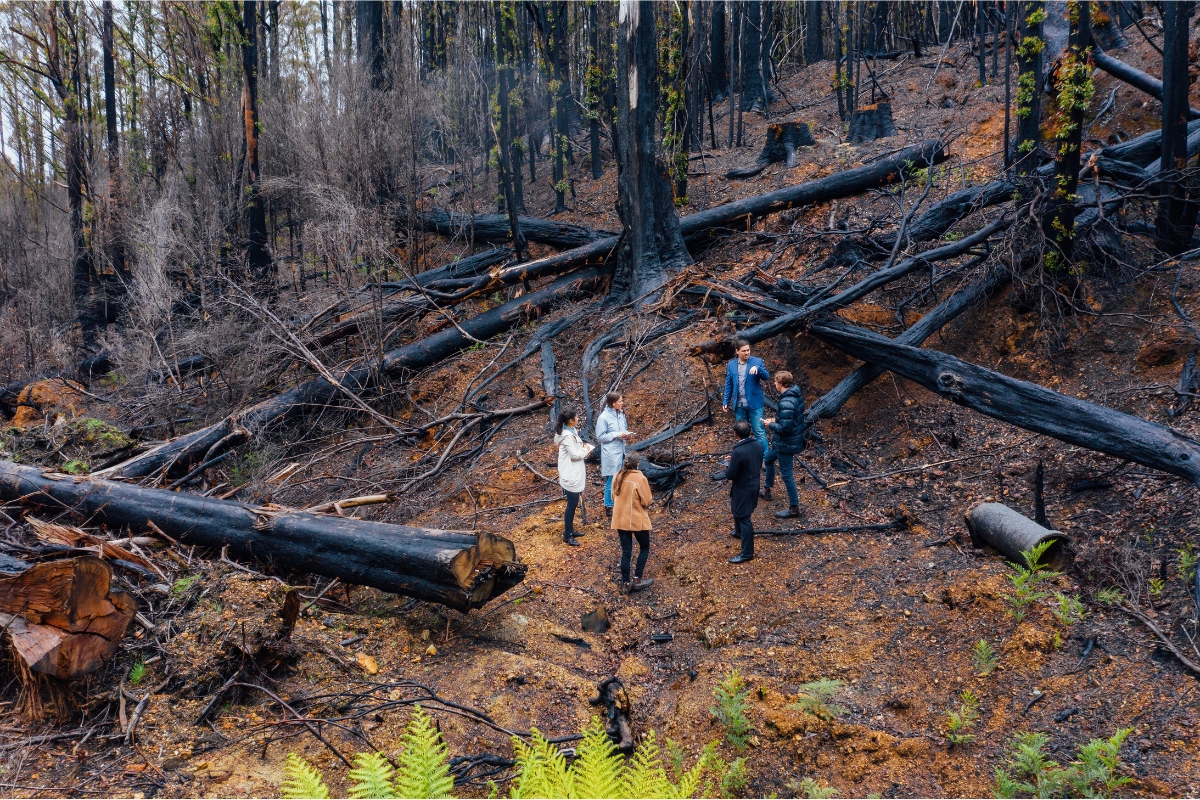
Climate Action/Winners
Climate Action/Winners

Climate Action
Climate Action
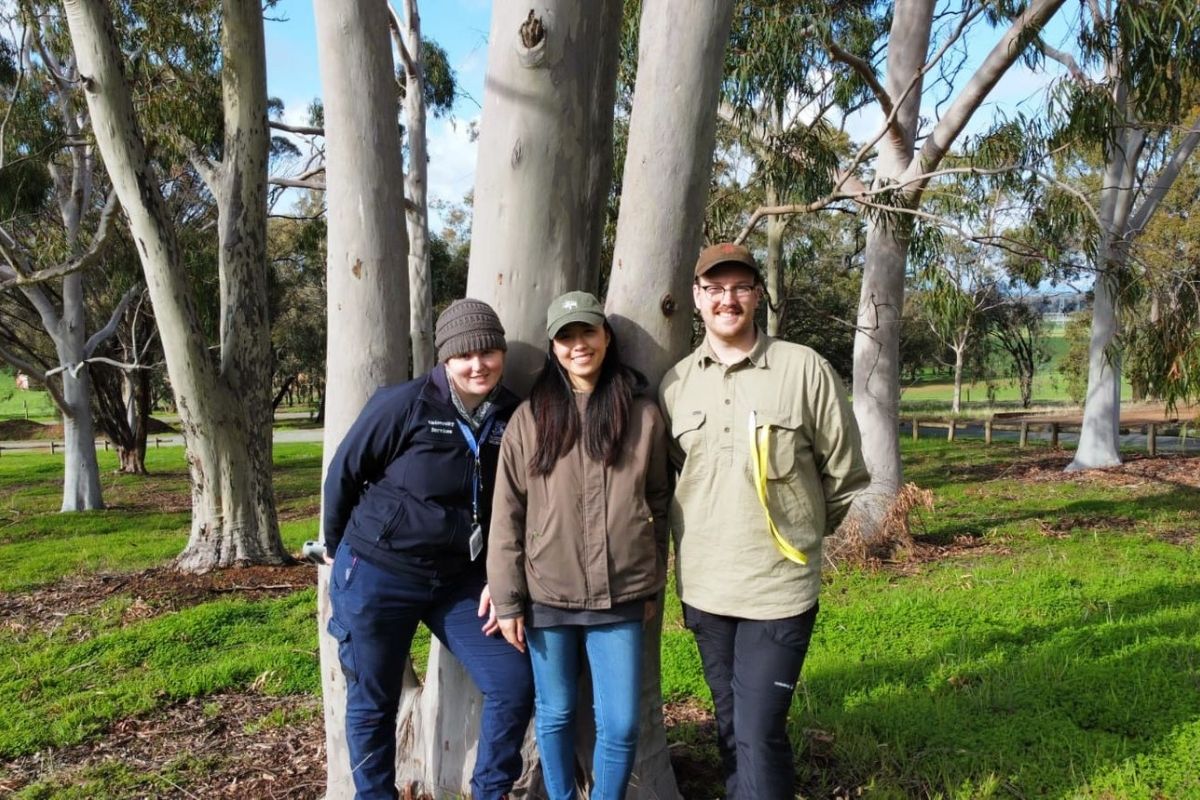
Highly Commended/Nature Positive
Highly Commended/Nature Positive

Climate Action
Climate Action

Diversity, Equity and Inclusion/Highly Commended
Diversity, Equity and Inclusion/Highly Commended
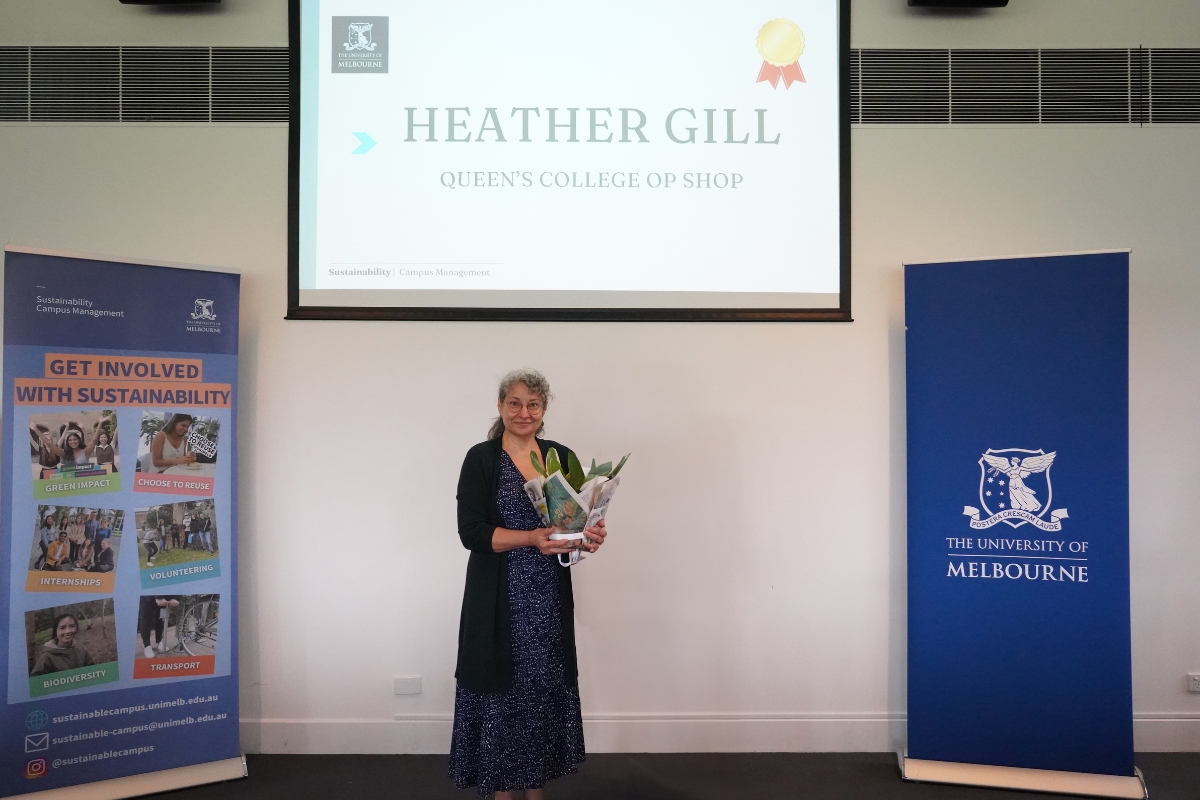
Highly Commended/Staff Champion
Highly Commended/Staff Champion

Highly Commended/Sustainability Leadership
Highly Commended/Sustainability Leadership

Climate Action/Highly Commended category
The Australian National University (ANU) has launched the “Carbon Smart Travel” initiative, aiming to significantly reduce travel-related carbon emissions, which accounted for 40% of the university’s reported carbon footprint in 2023. This ambitious program aligns with the University’s ambition of reaching Below Zero emissions by 2040 and is part of the broader ANU Corporate Plan 2024-2027. The initiative involves developing tools, resources, and institutional support to empower staff to make informed decisions about travel, balancing the necessity of travel with the need to reduce negative environmental impacts.
Top 3 learnings
Environmental and Social Benefits
- Emission Reductions: The initiative has achieved a reduction of 9000 tonnes CO2e in travel emissions in 2023 compared to 2019 levels, thanks to changes in travel and work behaviour post-pandemic and the uptake of low-carbon travel options.
- Resource Conservation: By promoting virtual meetings and rethinking travel, the initiative conserves resources and reduces the overall carbon footprint associated with university operations.
- Social Empowerment: A survey conducted between January and March 2024 showed that 97% of respondents had taken at least one action to reduce travel emissions, and 77% supported the emissions reduction target, indicating strong community engagement and support. Respondents were supportive of measures that empower them to achieve their goals with a lower carbon footprint.
Leadership and Engagement
- Student and Staff Involvement: The initiative has involved multiple stakeholders, including the ANU Travel Lab, which brings together interdisciplinary researchers to develop strategies for reducing travel emissions. Over 400 staff participated in the initial survey, contributing to the program’s development and success.
- Community and Industry Partnerships: ANU has collaborated with various organisations, including ACTS, the CSIRO, the Australasian Universities Air Travel Consortium, and the International Alliance of Research Universities, to share knowledge and best practices.
- Policy Influence: The initiative goes beyond standard reporting requirements by publicly reporting on all travel emissions, including international travel and other modes of transport, setting a new benchmark for transparency and accountability.
Significance to the Sector
- Global Recognition: The University’s approach to reducing travel emissions is distinctive for its participatory nature, involving staff and students in co-designing measures and fostering a sense of ownership. The initiative has been recognised for its innovative strategies and significant impact on reducing emissions.
- Innovative Practices: The Carbon Smart Travel initiative includes tools such as the Travel Emissions Tracker app and the Carbon Smart Travel guide, which provide practical guidance and transparency, helping staff and students make informed travel decisions.
- Educational Leadership: The program integrates sustainability into academic curricula and offers hands-on learning opportunities, contributing to the development of job-ready graduates equipped with knowledge and skills in sustainability and climate action.
Wider Societal Impact
- Economic and Social Co-Benefits: The initiative has highlighted the efficiency and cost benefits of reducing travel, such as better work-life balance and expanded networks through virtual meetings. It also demonstrates the potential for significant financial savings associated with reduced travel emissions.
- Global Influence: The tools and resources developed by ANU can be adapted by other organisations, making the initiative relevant to various sectors, including business, government, and non-profit organisations. The participatory approach serves as a model for engaging staff and students in sustainability efforts.
The Australian National University’s “Carbon Smart Travel” initiative shows a comprehensive and impactful approach to reducing travel emissions. Through innovative strategies, strong community engagement, and leadership in sustainability, ANU has significantly reduced its carbon footprint and set a new standard for climate action in the education sector. This project not only contributes to the University’s sustainability goals but also offers a replicable model for other institutions and sectors globally, demonstrating the feasibility and benefits of reducing travel-related emissions.
Supported by
Category finalists
Climate Action/Winners
Climate Action/Winners
Climate Action
Climate Action
Highly Commended/Nature Positive
Highly Commended/Nature Positive
Climate Action
Climate Action
Diversity, Equity and Inclusion/Highly Commended
Diversity, Equity and Inclusion/Highly Commended
Highly Commended/Staff Champion
Highly Commended/Staff Champion
Highly Commended/Sustainability Leadership
Highly Commended/Sustainability Leadership