Creating Impact/Highly Commended category
Auckland University of Technology (AUT) has launched a comprehensive waste management initiative, “No Time to Waste at AUT,” aimed at reducing general waste to landfill by 50% by 2025, as outlined in its Sustainability Plan. The initiative encompasses two key components: on-site sorting of general waste, recycling, and organic waste at the university’s campuses, and an ambitious target to divert 90% of construction and demolition (C&D) waste from landfill during the refurbishment and construction of two key university buildings. These efforts reflect AUT’s commitment to sustainability, leveraging procurement practices to drive significant environmental impact.
Environmental and Social Benefits
- Waste Diversion: The on-site sorting initiative has successfully reduced the amount of waste sent to landfill from 80% in 2018 to 50% in 2023, with 52.5 tonnes being recycled or composted*. This shift maximises the recovery of valuable materials and reduces the demand for landfill space.
- CO2e Emissions Reduction: By diverting waste from landfill, AUT lowers its CO2e emissions, contributing to its broader sustainability goals.
- Construction Waste Management: The initiative’s success in diverting 90% of C&D waste from the building project sets a standard in the construction industry, showcasing the potential for substantial environmental benefits through better waste management practices.
Leadership and Engagement
- Cross-Campus Collaboration: The initiative involved various teams within AUT, including Estates, Procurement, and the Sustainability team, ensuring broad engagement and shared responsibility. The collaboration with Naylor Love Construction to achieve the 90% C&D waste diversion target demonstrates strong leadership in sustainable construction practices.
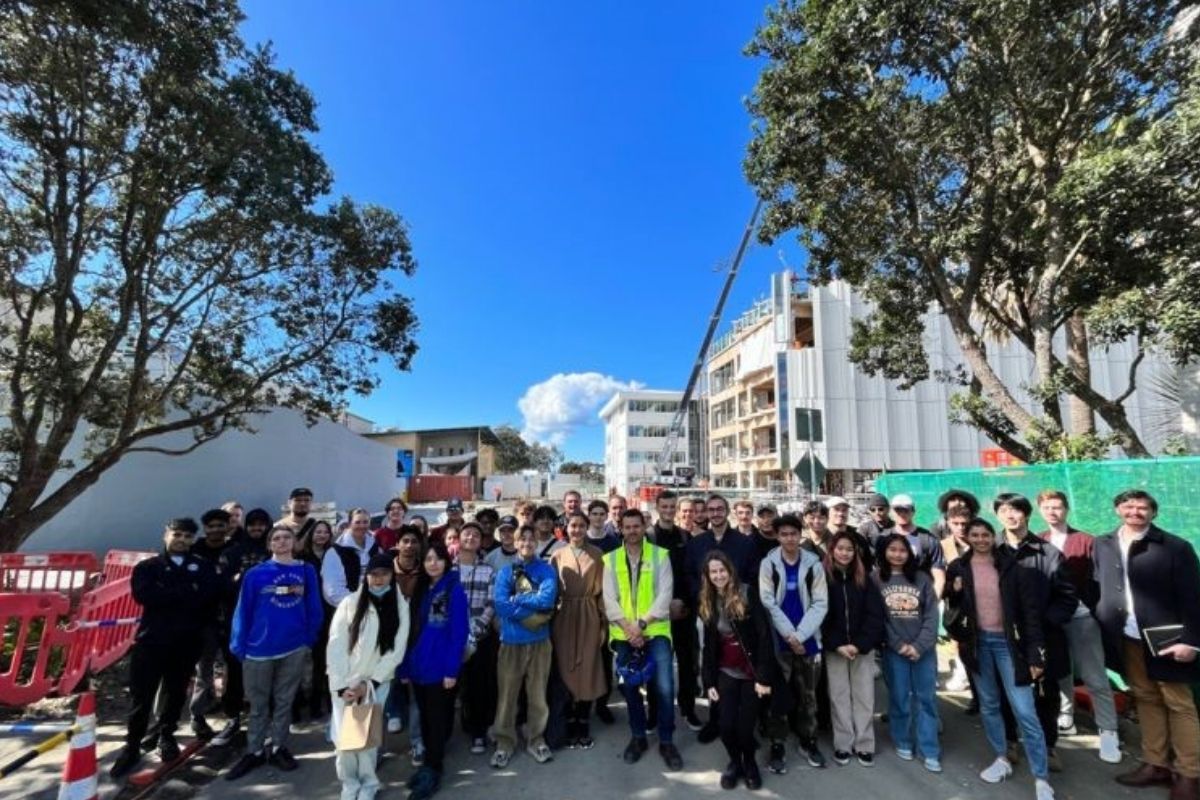
- Educational Integration: Architecture students at AUT had the opportunity to visit the construction site and participate in lectures on waste reduction, linking academic learning with real-world sustainability practices.
- Data-Driven Approach: The use of actual weight data from waste streams enables more targeted and effective communication strategies to further reduce waste and contamination, reinforcing the initiative’s impact.
Significance to the Sector
- Innovative Practices: AUT is one of only a few organisations in New Zealand implementing on-site waste sorting, placing the university at the forefront of waste management innovation. The initiative not only reduces waste to landfill but also sets a precedent for others in the sector to follow.
- Sustainability Leadership: The integration of waste reduction targets into procurement contracts, such as the 90% C&D waste diversion clause with Naylor Love, exemplifies how strategic procurement can drive sustainability outcomes. This approach can be replicated across the sector, influencing broader industry practices.
- Scalability: The initiative’s success, achieved without a dedicated sustainability budget, highlights its scalability. Other institutions can adopt similar practices by leveraging existing resources and procurement strategies.
Wider Societal Impact
- Industry Influence: The initiative has broader implications for the construction industry in New Zealand, demonstrating that achieving high levels of waste diversion is possible and financially beneficial. Naylor Love’s development of a micro-credential for Resource Sorters, now part of their nationwide operations, exemplifies the initiative’s far-reaching impact.
- Sustainability Education: By involving students and incorporating sustainability into the curriculum, AUT is educating the next generation of professionals who will advocate for and implement sustainable practices in their careers.
- Community Engagement: The waste sorting initiative’s expansion across all campuses and its potential to include on-campus composting foster a culture of sustainability among staff and students, encouraging broader community engagement in environmental responsibility.
Auckland University of Technology’s “No Time to Waste at AUT” initiative demonstrates a transformative approach to waste management, combining innovative practices, strategic procurement, and strong leadership to achieve significant environmental benefits. The initiative not only aligns with AUT’s sustainability goals but also serves as a model for the sector, showcasing the potential for positive change through targeted waste reduction efforts. This project demonstrates how institutions can drive industry-wide improvements, influence future professionals, and contribute to a more sustainable future.
* As this initiative is implemented across all of AUT’s campuses the waste sent to landfill is fluctuating. In July 2024 diversion from landfill was 40% with two campuses having onsite sorting. When the third campus has onsite sorting, it is expected to consistently divert 50% from landfill.

Top 3 learnings
Supported by
Category finalists
Creating Impact/Winners
Creating Impact/Winners
Creating Impact
Creating Impact
Highly Commended/Nature Positive
Highly Commended/Nature Positive
Climate Action/Highly Commended
Climate Action/Highly Commended
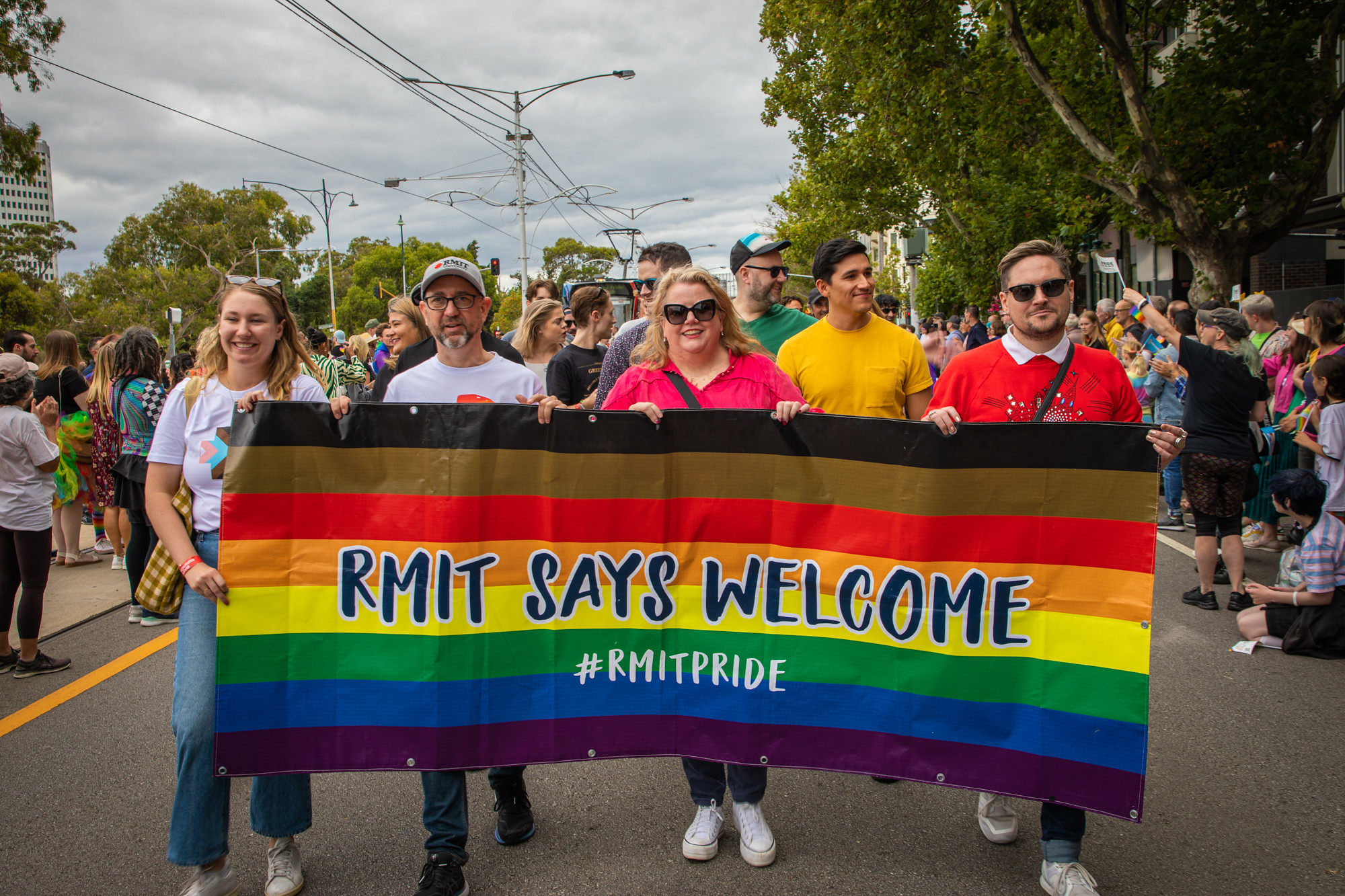
Diversity, Equity and Inclusion/Highly Commended
Diversity, Equity and Inclusion/Highly Commended
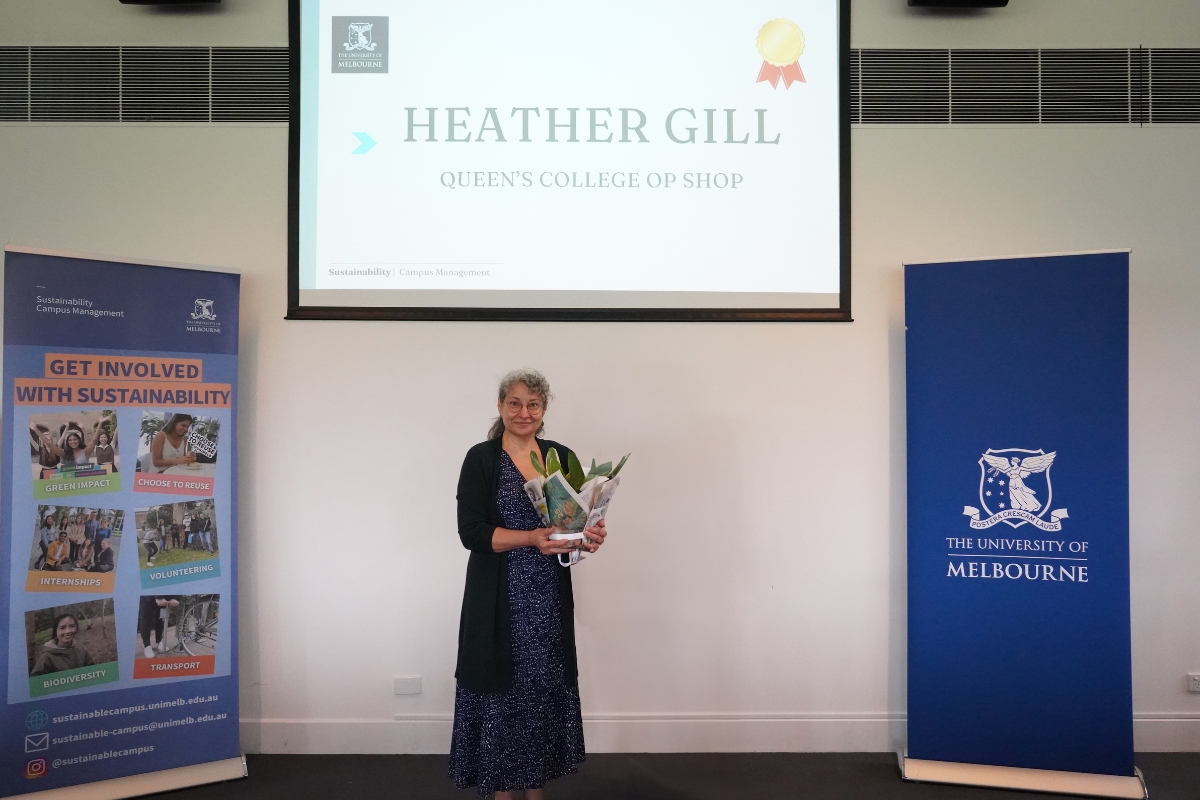
Highly Commended/Staff Champion
Highly Commended/Staff Champion
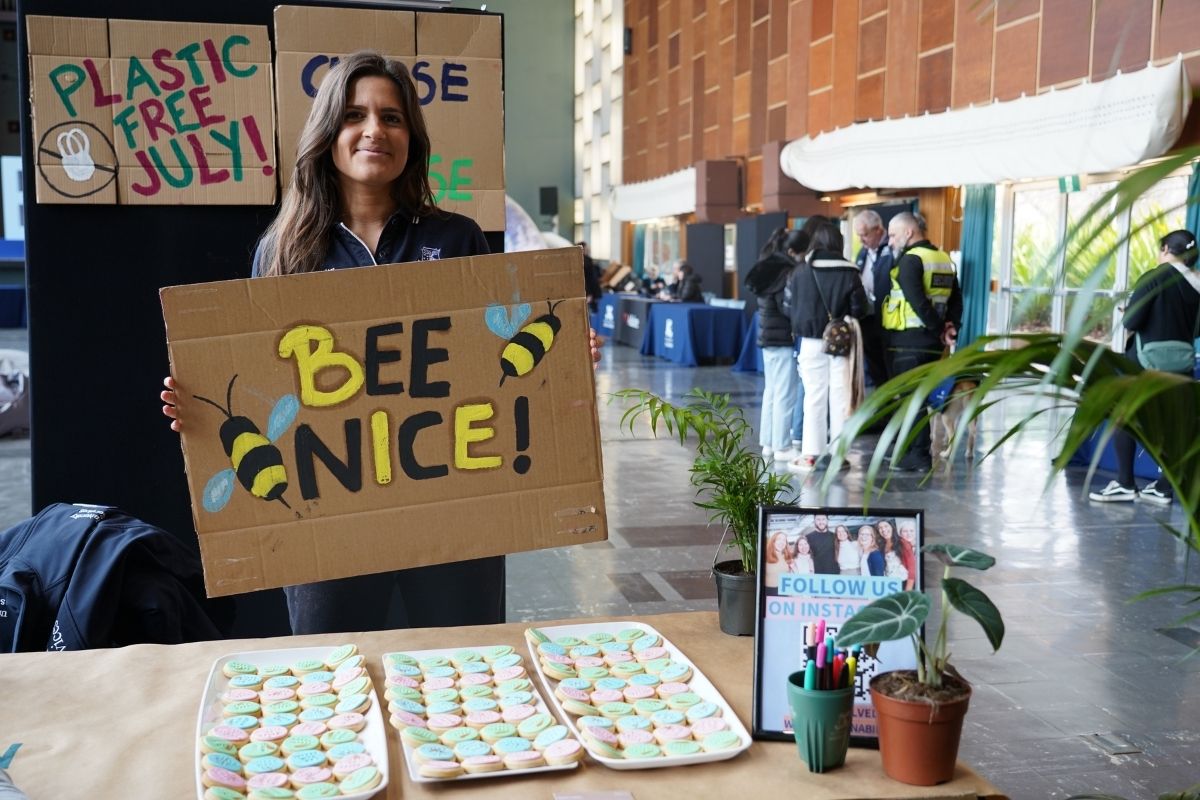
Highly Commended/Sustainability Leadership
Highly Commended/Sustainability Leadership

Creating Impact/Highly Commended category
Auckland University of Technology (AUT) has launched a comprehensive waste management initiative, “No Time to Waste at AUT,” aimed at reducing general waste to landfill by 50% by 2025, as outlined in its Sustainability Plan. The initiative encompasses two key components: on-site sorting of general waste, recycling, and organic waste at the university’s campuses, and an ambitious target to divert 90% of construction and demolition (C&D) waste from landfill during the refurbishment and construction of two key university buildings. These efforts reflect AUT’s commitment to sustainability, leveraging procurement practices to drive significant environmental impact.
Top 3 learnings
Environmental and Social Benefits
- Waste Diversion: The on-site sorting initiative has successfully reduced the amount of waste sent to landfill from 80% in 2018 to 50% in 2023, with 52.5 tonnes being recycled or composted*. This shift maximises the recovery of valuable materials and reduces the demand for landfill space.
- CO2e Emissions Reduction: By diverting waste from landfill, AUT lowers its CO2e emissions, contributing to its broader sustainability goals.
- Construction Waste Management: The initiative’s success in diverting 90% of C&D waste from the building project sets a standard in the construction industry, showcasing the potential for substantial environmental benefits through better waste management practices.
Leadership and Engagement
- Cross-Campus Collaboration: The initiative involved various teams within AUT, including Estates, Procurement, and the Sustainability team, ensuring broad engagement and shared responsibility. The collaboration with Naylor Love Construction to achieve the 90% C&D waste diversion target demonstrates strong leadership in sustainable construction practices.
- Educational Integration: Architecture students at AUT had the opportunity to visit the construction site and participate in lectures on waste reduction, linking academic learning with real-world sustainability practices.
- Data-Driven Approach: The use of actual weight data from waste streams enables more targeted and effective communication strategies to further reduce waste and contamination, reinforcing the initiative’s impact.
Significance to the Sector
- Innovative Practices: AUT is one of only a few organisations in New Zealand implementing on-site waste sorting, placing the university at the forefront of waste management innovation. The initiative not only reduces waste to landfill but also sets a precedent for others in the sector to follow.
- Sustainability Leadership: The integration of waste reduction targets into procurement contracts, such as the 90% C&D waste diversion clause with Naylor Love, exemplifies how strategic procurement can drive sustainability outcomes. This approach can be replicated across the sector, influencing broader industry practices.
- Scalability: The initiative’s success, achieved without a dedicated sustainability budget, highlights its scalability. Other institutions can adopt similar practices by leveraging existing resources and procurement strategies.
Wider Societal Impact
- Industry Influence: The initiative has broader implications for the construction industry in New Zealand, demonstrating that achieving high levels of waste diversion is possible and financially beneficial. Naylor Love’s development of a micro-credential for Resource Sorters, now part of their nationwide operations, exemplifies the initiative’s far-reaching impact.
- Sustainability Education: By involving students and incorporating sustainability into the curriculum, AUT is educating the next generation of professionals who will advocate for and implement sustainable practices in their careers.
- Community Engagement: The waste sorting initiative’s expansion across all campuses and its potential to include on-campus composting foster a culture of sustainability among staff and students, encouraging broader community engagement in environmental responsibility.
Auckland University of Technology’s “No Time to Waste at AUT” initiative demonstrates a transformative approach to waste management, combining innovative practices, strategic procurement, and strong leadership to achieve significant environmental benefits. The initiative not only aligns with AUT’s sustainability goals but also serves as a model for the sector, showcasing the potential for positive change through targeted waste reduction efforts. This project demonstrates how institutions can drive industry-wide improvements, influence future professionals, and contribute to a more sustainable future.
* As this initiative is implemented across all of AUT’s campuses the waste sent to landfill is fluctuating. In July 2024 diversion from landfill was 40% with two campuses having onsite sorting. When the third campus has onsite sorting, it is expected to consistently divert 50% from landfill.
Supported by
Category finalists
Creating Impact/Winners
Creating Impact/Winners
Creating Impact
Creating Impact
Highly Commended/Nature Positive
Highly Commended/Nature Positive
Climate Action/Highly Commended
Climate Action/Highly Commended
Diversity, Equity and Inclusion/Highly Commended
Diversity, Equity and Inclusion/Highly Commended
Highly Commended/Staff Champion
Highly Commended/Staff Champion
Highly Commended/Sustainability Leadership
Highly Commended/Sustainability Leadership