Diversity, Equity and Inclusion/Highly Commended category
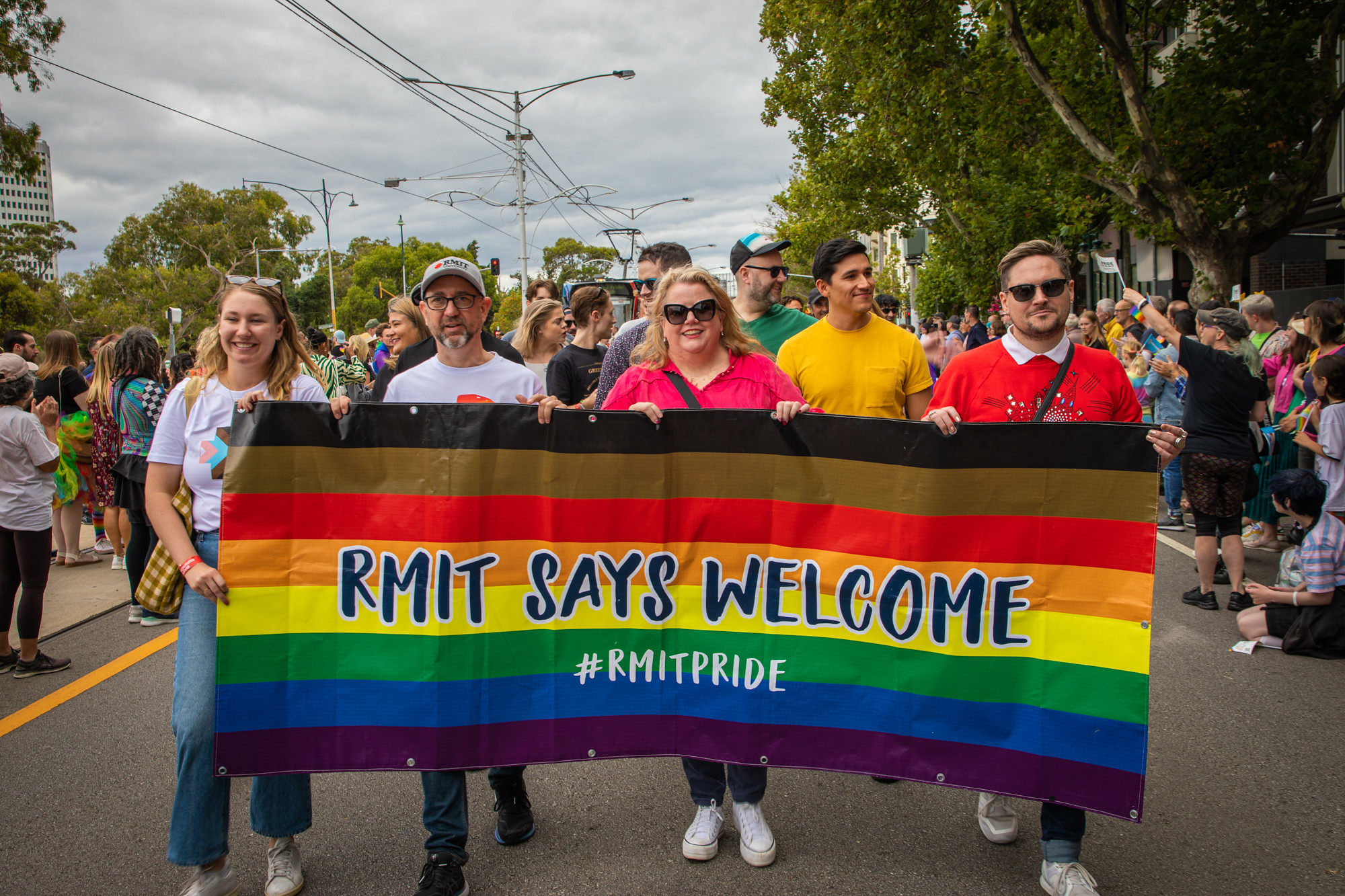
RMIT University developed the Sustainability & Equity Evaluation (SEE) Tool to ‘Weave Together Our Values’. The tool and its associated workshop and resources create an innovative approach to integrating equity, sustainability, and governance considerations into the university’s core decision-making processes. This tool was co-developed by the Sustainability, Diversity & Inclusion (D&I), and Indigenous Engagement teams over two years and was designed to embed RMIT’s values into strategic projects, policies, and operational practices. The SEE Tool facilitates a holistic evaluation process, ensuring that initiatives align with the university’s sustainability goals and the United Nations Sustainable Development Goals (SDGs).
Environmental and Social Benefits
- Comprehensive Impact Assessment: The SEE Tool ensures thorough evaluations across environmental, social, governance and economic impact criteria, aligning initiatives with the SDGs and enhancing RMIT’s commitment to sustainable development. It also respects, preserves and integrates Indigenous knowledge and practices and ensures the self-determination of our Frist Peoples as a fundamental principle.
- Mitigation of Negative Impacts: By identifying potential negative impacts early, the tool enables the development of proactive mitigation strategies, minimising social and environmental impacts and allowing trade-offs to be well understood.
- Promotion of Diversity and Inclusivity: The tool’s equity and social impact criteria ensure that all initiatives promote diversity, inclusion, and equal rights, fostering a supportive environment for all RMIT stakeholders and wider community.
Leadership and Engagement
- Collaborative Development: The SEE Tool was developed collaboratively by a cross-functional team from Sustainability, D&I, and Indigenous Engagement, reflecting RMIT’s commitment to a unified approach to sustainability and equity.
- Broad Institutional Support: The tool has received widespread support across the university, with over 45 staff members (and counting) actively involved in its application and dissemination. Its adoption in strategic governance processes demonstrates strong leadership and commitment to institutional values.
- Training and Capacity Building: A ‘train the trainer’ model has been implemented to broaden the tool’s reach, empowering more staff to conduct evaluations and apply the tool’s principles in their work, thereby enhancing institutional capacity in sustainability and equity.
Significance to the Sector
- Innovative Framework: The SEE Tool is a pioneering approach within the higher education sector, integrating sustainability, equity, and governance into a single, scalable framework that can be applied to any initiative, regardless of size or scope.
- Replicability and Influence: RMIT’s approach to embedding the SEE Tool in its governance processes provides a replicable model for other institutions. The tool’s flexibility and comprehensive scope make it adaptable to various sectors, potentially influencing broader organisational practices.
Wider Societal Impact
- Enhanced Community Engagement: The SEE Tool promotes the inclusion of diverse voices in decision-making, particularly those from underrepresented groups, ensuring that the outcomes of university initiatives benefit the broader community.
- Social Responsibility: The tool’s focus on equity, sustainability, and good governance helps to embed social responsibility into RMIT’s culture, fostering a more inclusive and sustainable society.
- Long-Term Impact: As RMIT continues to apply the SEE Tool across its operations, the university’s projects and policies will have increasingly consistent and positive impacts on the environment and society, contributing to global sustainability efforts and the advancement of social equity.
The “Weaving Together Our Values” initiative at RMIT University, embodied by the SEE Tool, represents a transformative approach to integrating sustainability, equity, and governance into institutional processes. By fostering collaboration across departments and embedding these values into the core of its strategic decision-making, RMIT not only enhances its own operations but also sets a benchmark for the sector. This initiative exemplifies how universities can lead in promoting sustainable development, equity, and social responsibility on a global scale.
Top 3 learnings
Supported by
Category finalists
Diversity, Equity and Inclusion
Diversity, Equity and Inclusion
Highly Commended/Nature Positive
Highly Commended/Nature Positive
Climate Action/Highly Commended
Climate Action/Highly Commended
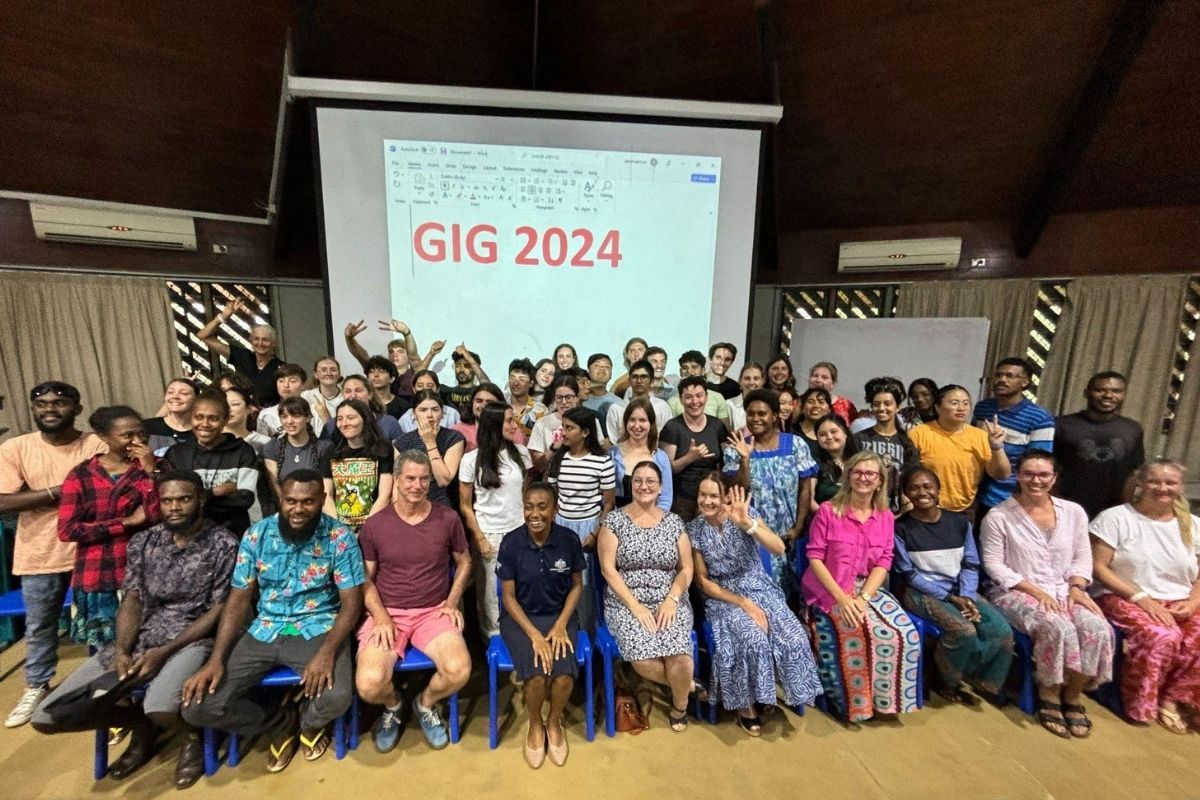
Diversity, Equity and Inclusion/Winners
Diversity, Equity and Inclusion/Winners
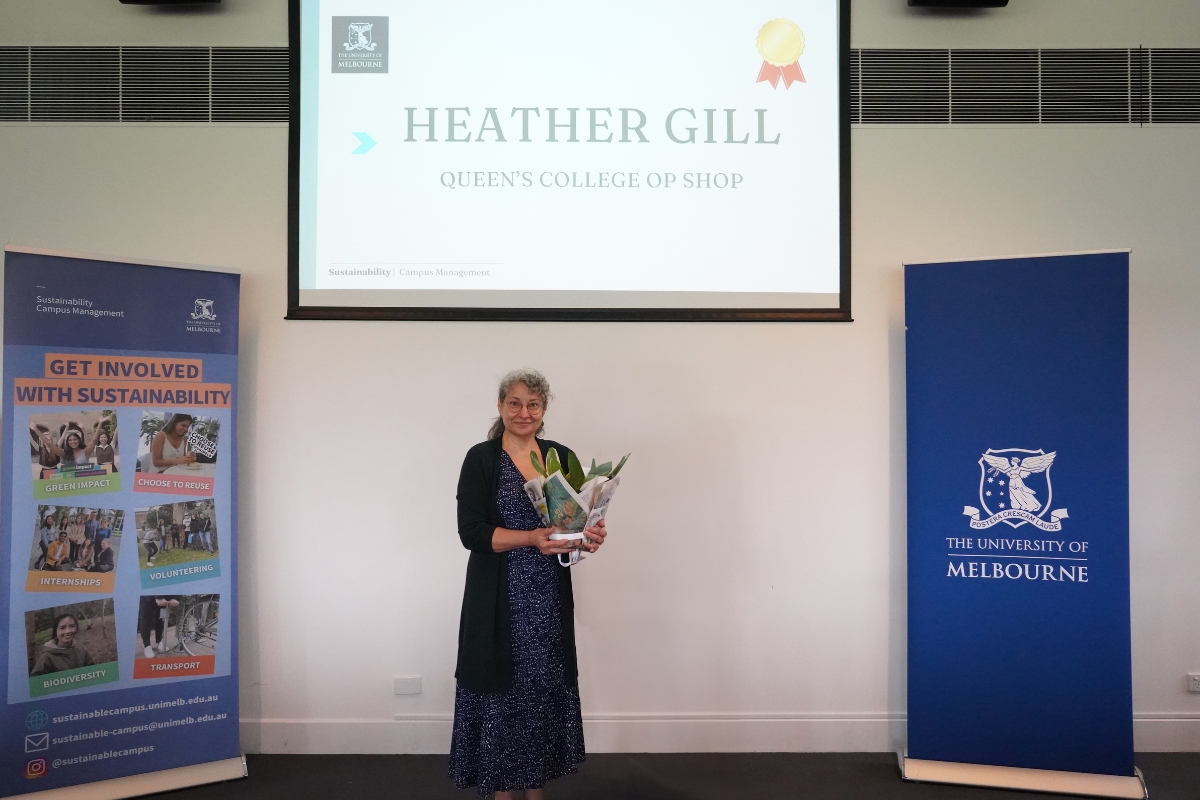
Highly Commended/Staff Champion
Highly Commended/Staff Champion
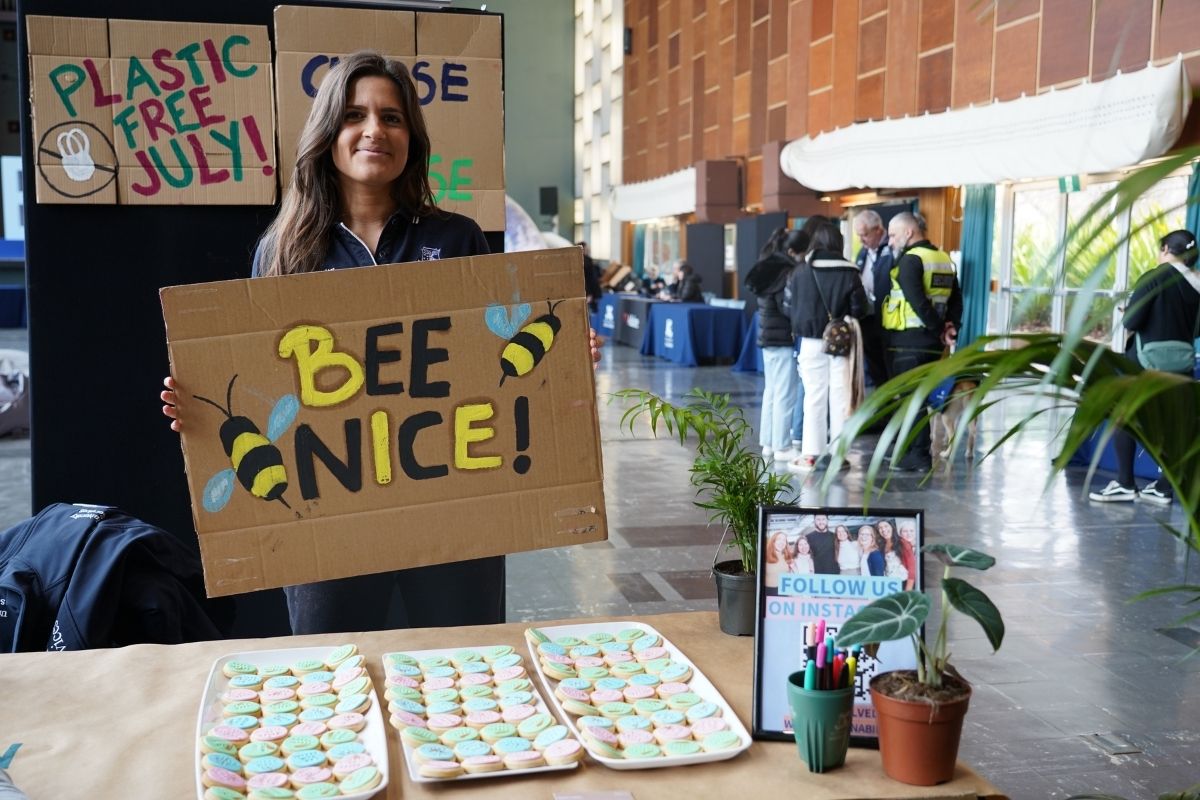
Highly Commended/Sustainability Leadership
Highly Commended/Sustainability Leadership
Diversity, Equity and Inclusion/Highly Commended category
RMIT University developed the Sustainability & Equity Evaluation (SEE) Tool to ‘Weave Together Our Values’. The tool and its associated workshop and resources create an innovative approach to integrating equity, sustainability, and governance considerations into the university’s core decision-making processes. This tool was co-developed by the Sustainability, Diversity & Inclusion (D&I), and Indigenous Engagement teams over two years and was designed to embed RMIT’s values into strategic projects, policies, and operational practices. The SEE Tool facilitates a holistic evaluation process, ensuring that initiatives align with the university’s sustainability goals and the United Nations Sustainable Development Goals (SDGs).
Top 3 learnings
Environmental and Social Benefits
- Comprehensive Impact Assessment: The SEE Tool ensures thorough evaluations across environmental, social, governance and economic impact criteria, aligning initiatives with the SDGs and enhancing RMIT’s commitment to sustainable development. It also respects, preserves and integrates Indigenous knowledge and practices and ensures the self-determination of our Frist Peoples as a fundamental principle.
- Mitigation of Negative Impacts: By identifying potential negative impacts early, the tool enables the development of proactive mitigation strategies, minimising social and environmental impacts and allowing trade-offs to be well understood.
- Promotion of Diversity and Inclusivity: The tool’s equity and social impact criteria ensure that all initiatives promote diversity, inclusion, and equal rights, fostering a supportive environment for all RMIT stakeholders and wider community.
Leadership and Engagement
- Collaborative Development: The SEE Tool was developed collaboratively by a cross-functional team from Sustainability, D&I, and Indigenous Engagement, reflecting RMIT’s commitment to a unified approach to sustainability and equity.
- Broad Institutional Support: The tool has received widespread support across the university, with over 45 staff members (and counting) actively involved in its application and dissemination. Its adoption in strategic governance processes demonstrates strong leadership and commitment to institutional values.
- Training and Capacity Building: A ‘train the trainer’ model has been implemented to broaden the tool’s reach, empowering more staff to conduct evaluations and apply the tool’s principles in their work, thereby enhancing institutional capacity in sustainability and equity.
Significance to the Sector
- Innovative Framework: The SEE Tool is a pioneering approach within the higher education sector, integrating sustainability, equity, and governance into a single, scalable framework that can be applied to any initiative, regardless of size or scope.
- Replicability and Influence: RMIT’s approach to embedding the SEE Tool in its governance processes provides a replicable model for other institutions. The tool’s flexibility and comprehensive scope make it adaptable to various sectors, potentially influencing broader organisational practices.
Wider Societal Impact
- Enhanced Community Engagement: The SEE Tool promotes the inclusion of diverse voices in decision-making, particularly those from underrepresented groups, ensuring that the outcomes of university initiatives benefit the broader community.
- Social Responsibility: The tool’s focus on equity, sustainability, and good governance helps to embed social responsibility into RMIT’s culture, fostering a more inclusive and sustainable society.
- Long-Term Impact: As RMIT continues to apply the SEE Tool across its operations, the university’s projects and policies will have increasingly consistent and positive impacts on the environment and society, contributing to global sustainability efforts and the advancement of social equity.
The “Weaving Together Our Values” initiative at RMIT University, embodied by the SEE Tool, represents a transformative approach to integrating sustainability, equity, and governance into institutional processes. By fostering collaboration across departments and embedding these values into the core of its strategic decision-making, RMIT not only enhances its own operations but also sets a benchmark for the sector. This initiative exemplifies how universities can lead in promoting sustainable development, equity, and social responsibility on a global scale.
Supported by
Category finalists
Diversity, Equity and Inclusion
Diversity, Equity and Inclusion
Highly Commended/Nature Positive
Highly Commended/Nature Positive
Climate Action/Highly Commended
Climate Action/Highly Commended
Diversity, Equity and Inclusion/Winners
Diversity, Equity and Inclusion/Winners
Highly Commended/Staff Champion
Highly Commended/Staff Champion
Highly Commended/Sustainability Leadership
Highly Commended/Sustainability Leadership