Creating Impact category
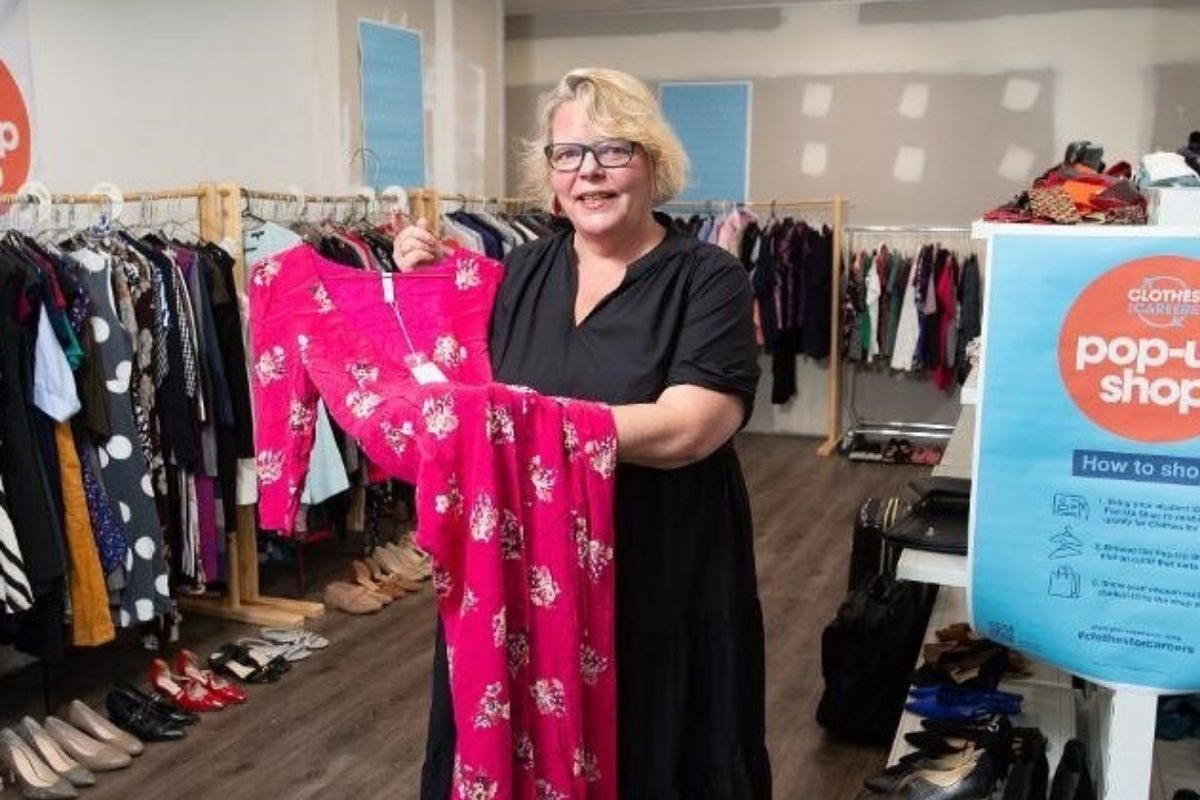
Queensland University of Technology (QUT) launched the “Clothes for Careers Student Wardrobe Project,” a pop-up shop to support students entering professional careers, by providing free ‘gently worn’ second-hand corporate workwear donated by QUT staff, students, and broader QUT community. This initiative addresses the financial burden of purchasing professional attire, for students engaged in Work Integrated Learning such as internships and placements, and those seeking part-time, full-time or graduate employment. The project aligns with QUT’s priorities of social justice, inclusion, and sustainability. As well as boosting student confidence and career readiness, the project showcases and contributes to the circular economy by reducing fashion waste.
Environmental and Social Benefits
- Cost of Living Relief: The project eases the financial pressures faced by students, particularly those undertaking work integrated learning placements, which are often required as part of a course and professional accreditation and are generally not paid. It directly supports students’ ability to present themselves professionally without the associated costs.
- Circular Economy Promotion: By collecting and redistributing gently used clothing, the project reduces textile waste and promotes sustainable fashion practices within the QUT community.
- Wellbeing Enhancement: The project has positively impacted the wellbeing of both staff and students. Students benefit from reduced stress related to the need to purchase professional attire, while staff experience increased satisfaction from contributing to a meaningful cause.
Leadership and Engagement
- Staff and Student Involvement: The initiative was driven by a small working group of 10 staff and one student, all volunteering their time outside of their core responsibilities. Approximately 60 staff members volunteered to run the pop-up shop, with hundreds more donating clothing.
- Community and Career Support: The project was strategically aligned with QUT’s Career Development and Employability services, with career educators located in the pop-up shop to provide career guidance and advice. This holistic approach ensures students are not only dressed for success but also equipped with necessary career tools.
- Senior Executive Support: The project received strong backing from QUT’s senior leadership, enabling staff to contribute despite resource constraints. This high level of engagement underscores the university’s commitment to student success and sustainability.
Significance to the Sector
- Student Support in Challenging Times: The project responds to the increasing cost of living pressures on students, offering a practical solution that directly supports their transition into professional careers. It is distinct in its origin, being driven by staff initiative rather than a formal university program and highlights the importance of grassroots efforts in supporting student wellbeing.
- Scalable and Replicable Model: The Clothes for Careers project is simple, cost-effective, and easily replicable across other educational institutions and sectors. Its focus on sustainability, student support, and community engagement makes it a model for similar initiatives globally.
- Integration with Career Services: The project’s integration with QUT’s career services provides a comprehensive approach to student readiness, addressing both the material and educational needs of students as they prepare to enter the workforce.
Wider Societal Impact
- Community Building and Giving Culture: The project fosters a culture of giving within QUT, contributing to staff wellbeing through the positive effects of donation and volunteering. Many staff also reached out to their local communities for donations. This culture of support may inspire students to continue giving back to their communities after graduation, creating a ripple effect of social responsibility.
- Support for Broader Student Needs: The initiative aligns with broader efforts to support students facing financial challenges, indirectly addressing issues such as food insecurity. By reducing the cost burden of professional attire, students can allocate their resources to other essential needs.
- Promoting Wellbeing through Giving: The project highlights the psychological benefits of giving, contributing to a sense of community and increased wellness among staff and students alike. This approach is particularly well-suited to educational institutions and large organisations, where short-term, impactful projects can have a lasting positive effect.
QUT’s “Clothes for Careers Student Wardrobe Project” exemplifies a successful, scalable approach to supporting students in their transition to the world of work and professional careers. Through collective effort, sustainability practices, and strategic alignment with career services, the initiative has not only reduced the financial burden on students but also fostered a strong sense of community and wellbeing within the university. This project serves as a model for other institutions and sectors, demonstrating the powerful impact of grassroots initiatives in creating lasting change.


Top 3 learnings
Supported by

Category finalists
Creating Impact/Winners
Creating Impact/Winners
Creating Impact
Creating Impact
Creating Impact category
Queensland University of Technology (QUT) launched the “Clothes for Careers Student Wardrobe Project,” a pop-up shop to support students entering professional careers, by providing free ‘gently worn’ second-hand corporate workwear donated by QUT staff, students, and broader QUT community. This initiative addresses the financial burden of purchasing professional attire, for students engaged in Work Integrated Learning such as internships and placements, and those seeking part-time, full-time or graduate employment. The project aligns with QUT’s priorities of social justice, inclusion, and sustainability. As well as boosting student confidence and career readiness, the project showcases and contributes to the circular economy by reducing fashion waste.
Top 3 learnings
Environmental and Social Benefits
- Cost of Living Relief: The project eases the financial pressures faced by students, particularly those undertaking work integrated learning placements, which are often required as part of a course and professional accreditation and are generally not paid. It directly supports students’ ability to present themselves professionally without the associated costs.
- Circular Economy Promotion: By collecting and redistributing gently used clothing, the project reduces textile waste and promotes sustainable fashion practices within the QUT community.
- Wellbeing Enhancement: The project has positively impacted the wellbeing of both staff and students. Students benefit from reduced stress related to the need to purchase professional attire, while staff experience increased satisfaction from contributing to a meaningful cause.
Leadership and Engagement
- Staff and Student Involvement: The initiative was driven by a small working group of 10 staff and one student, all volunteering their time outside of their core responsibilities. Approximately 60 staff members volunteered to run the pop-up shop, with hundreds more donating clothing.
- Community and Career Support: The project was strategically aligned with QUT’s Career Development and Employability services, with career educators located in the pop-up shop to provide career guidance and advice. This holistic approach ensures students are not only dressed for success but also equipped with necessary career tools.
- Senior Executive Support: The project received strong backing from QUT’s senior leadership, enabling staff to contribute despite resource constraints. This high level of engagement underscores the university’s commitment to student success and sustainability.
Significance to the Sector
- Student Support in Challenging Times: The project responds to the increasing cost of living pressures on students, offering a practical solution that directly supports their transition into professional careers. It is distinct in its origin, being driven by staff initiative rather than a formal university program and highlights the importance of grassroots efforts in supporting student wellbeing.
- Scalable and Replicable Model: The Clothes for Careers project is simple, cost-effective, and easily replicable across other educational institutions and sectors. Its focus on sustainability, student support, and community engagement makes it a model for similar initiatives globally.
- Integration with Career Services: The project’s integration with QUT’s career services provides a comprehensive approach to student readiness, addressing both the material and educational needs of students as they prepare to enter the workforce.
Wider Societal Impact
- Community Building and Giving Culture: The project fosters a culture of giving within QUT, contributing to staff wellbeing through the positive effects of donation and volunteering. Many staff also reached out to their local communities for donations. This culture of support may inspire students to continue giving back to their communities after graduation, creating a ripple effect of social responsibility.
- Support for Broader Student Needs: The initiative aligns with broader efforts to support students facing financial challenges, indirectly addressing issues such as food insecurity. By reducing the cost burden of professional attire, students can allocate their resources to other essential needs.
- Promoting Wellbeing through Giving: The project highlights the psychological benefits of giving, contributing to a sense of community and increased wellness among staff and students alike. This approach is particularly well-suited to educational institutions and large organisations, where short-term, impactful projects can have a lasting positive effect.
QUT’s “Clothes for Careers Student Wardrobe Project” exemplifies a successful, scalable approach to supporting students in their transition to the world of work and professional careers. Through collective effort, sustainability practices, and strategic alignment with career services, the initiative has not only reduced the financial burden on students but also fostered a strong sense of community and wellbeing within the university. This project serves as a model for other institutions and sectors, demonstrating the powerful impact of grassroots initiatives in creating lasting change.
Supported by
Category finalists
Creating Impact/Winners
Creating Impact/Winners
Creating Impact
Creating Impact