Nature Positive category
Te Herenga Waka – Victoria University of Wellington (VUW) has embarked on an ambitious reforestation project titled “Growing Our Future,” aimed at enhancing biodiversity, sequestering carbon, and fostering a deeper connection between the university and the local community. This initiative involves the regeneration of a 26-hectare block of land within Wellington’s Outer Green Belt, transforming former pastureland into a thriving native forest. The project, which began in 2021, is a unique partnership between VUW and the Wellington City Council, formalised through a 33-year lease agreement. The project not only serves as an ecological restoration effort but also provides valuable teaching, research, and volunteer opportunities for students, staff, and alumni.
Environmental and Social Benefits
- Biodiversity Enhancement: The project contributes to the restoration of native forest cover, filling a critical gap in the 18km-long Outer Green Belt corridor. This restoration effort is expected to enhance the habitat for native species, including the endangered kiwi, which are part of the Capital Kiwi project.
- Carbon Sequestration: By planting over 10,000 native trees, the project will sequester an estimated 3,000 tonnes of carbon over the 33-year lease period, contributing to VUW’s sustainability goals and supporting New Zealand’s broader carbon reduction targets.
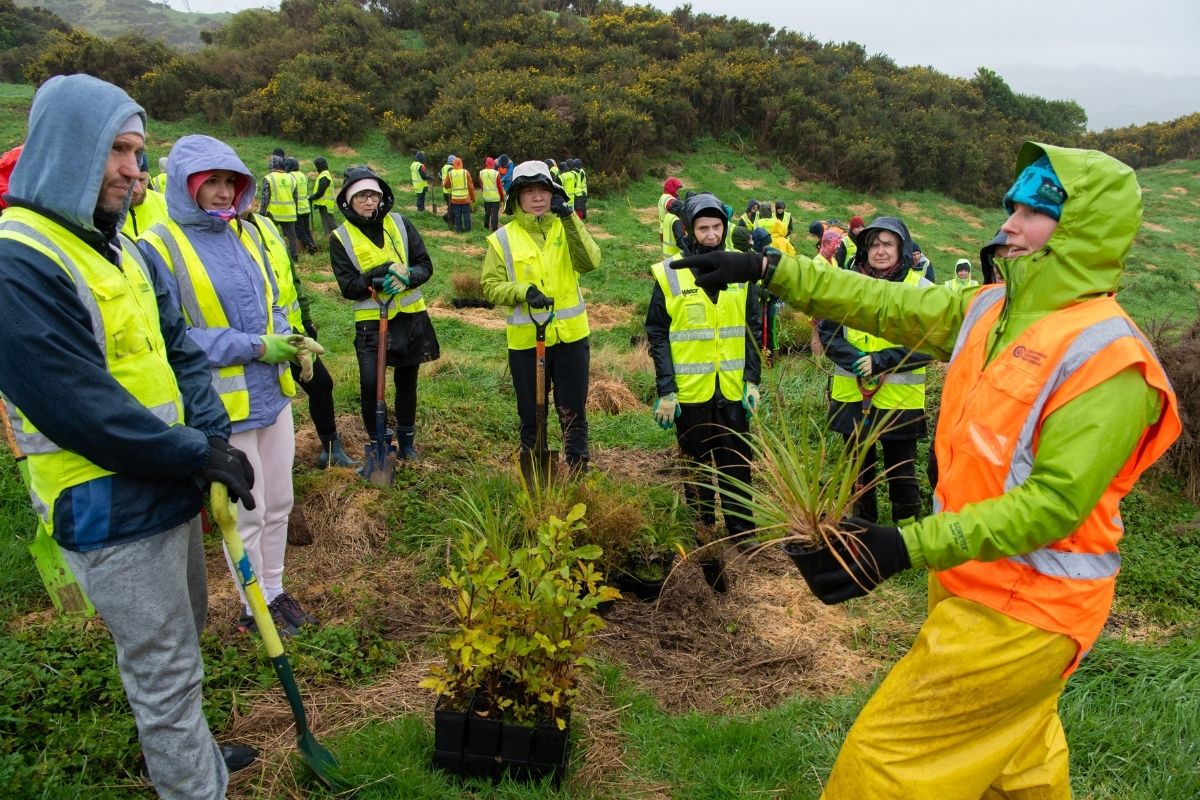
- Community Engagement: The initiative has engaged over 600 volunteers from the university community, including students, staff, and alumni. These planting events not only contribute to the ecological restoration but also strengthen the sense of community and connection to the natural environment.
Leadership and Engagement
- Innovative Partnership: The partnership between VUW and the Wellington City Council is a first-of-its-kind legal arrangement in New Zealand, where a public university leases public reserve land for restoration and carbon credit purposes. This sets a precedent for other institutions and local governments to collaborate on similar ecological projects.
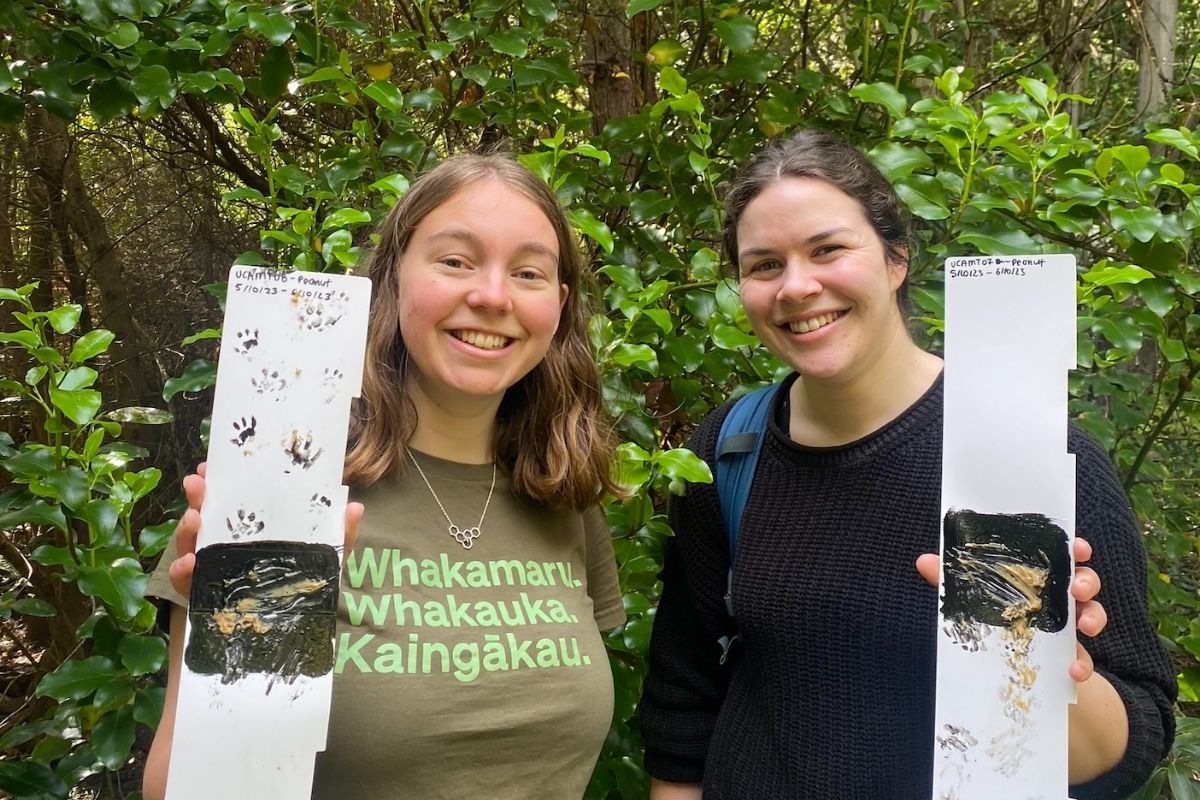
- Academic Integration: VUW’s Centre for Biodiversity and Restoration Ecology plays a crucial role in the project, with students and staff conducting research on site characteristics, plant growth rates, and the effectiveness of native species as nursery crops. This integration of academic research with practical conservation efforts enriches the educational experience and contributes to the scientific community.
- Volunteer Engagement: The project has seen significant volunteer involvement, with annual tree planting days attracting a diverse group of participants. For many, especially international students, this has been their first experience in ecological restoration, fostering a lifelong connection to nature.
Significance to the Sector
- Scalable Model: The “Growing Our Future” project is a scalable model that can be replicated by other universities and organisations looking to engage in large-scale ecological restoration. The unique legal framework and partnership with the local council demonstrate how urban universities can contribute to regional biodiversity and climate goals.
- Sector Leadership: VUW’s leadership in this initiative underscores its commitment to sustainability and sets a high standard for integrating ecological restoration with academic and community engagement. The project’s success has the potential to influence environmental policies and practices at other educational institutions.
- Educational Impact: By providing hands-on learning and research opportunities, the initiative enhances the educational experience for students, equipping them with practical skills in conservation and environmental management.
Wider Societal Impact
- Cultural and Recreational Value: As the forest cover becomes established, the project will extend the Skyline track, a popular walking route in Wellington, enhancing public access and recreational opportunities. The project also fosters a connection to the land, contributing to the well-being of the community.
- Mental and Physical Health: The act of planting and the opportunity to connect with nature provide significant mental and physical health benefits to the volunteers, fostering a sense of well-being and environmental stewardship.
- Broader Community Impact: The project has generated significant interest and support from the wider community, as evidenced by the successful alumni fundraising campaign and the positive response from volunteers. The project’s visibility and success have the potential to inspire other community-led environmental initiatives.
The “Growing Our Future” initiative by Te Herenga Waka – Victoria University of Wellington represents a pioneering approach to urban ecological restoration, combining environmental, educational, and community benefits. Through innovative partnerships, strong leadership, and a commitment to sustainability, VUW is setting a new standard for biodiversity restoration in urban settings. This project not only enhances the natural environment but also fosters a strong sense of community and provides invaluable learning opportunities, making it a model for universities and organisations worldwide.

Top 3 learnings
Supported by

Category finalists
Nature Positive
Nature Positive
Highly Commended/Nature Positive
Highly Commended/Nature Positive
Nature Positive/Winners
Nature Positive/Winners
Nature Positive category
Te Herenga Waka – Victoria University of Wellington (VUW) has embarked on an ambitious reforestation project titled “Growing Our Future,” aimed at enhancing biodiversity, sequestering carbon, and fostering a deeper connection between the university and the local community. This initiative involves the regeneration of a 26-hectare block of land within Wellington’s Outer Green Belt, transforming former pastureland into a thriving native forest. The project, which began in 2021, is a unique partnership between VUW and the Wellington City Council, formalised through a 33-year lease agreement. The project not only serves as an ecological restoration effort but also provides valuable teaching, research, and volunteer opportunities for students, staff, and alumni.
Top 3 learnings
Environmental and Social Benefits
- Biodiversity Enhancement: The project contributes to the restoration of native forest cover, filling a critical gap in the 18km-long Outer Green Belt corridor. This restoration effort is expected to enhance the habitat for native species, including the endangered kiwi, which are part of the Capital Kiwi project.
- Carbon Sequestration: By planting over 10,000 native trees, the project will sequester an estimated 3,000 tonnes of carbon over the 33-year lease period, contributing to VUW’s sustainability goals and supporting New Zealand’s broader carbon reduction targets.
- Community Engagement: The initiative has engaged over 600 volunteers from the university community, including students, staff, and alumni. These planting events not only contribute to the ecological restoration but also strengthen the sense of community and connection to the natural environment.
Leadership and Engagement
- Innovative Partnership: The partnership between VUW and the Wellington City Council is a first-of-its-kind legal arrangement in New Zealand, where a public university leases public reserve land for restoration and carbon credit purposes. This sets a precedent for other institutions and local governments to collaborate on similar ecological projects.
- Academic Integration: VUW’s Centre for Biodiversity and Restoration Ecology plays a crucial role in the project, with students and staff conducting research on site characteristics, plant growth rates, and the effectiveness of native species as nursery crops. This integration of academic research with practical conservation efforts enriches the educational experience and contributes to the scientific community.
- Volunteer Engagement: The project has seen significant volunteer involvement, with annual tree planting days attracting a diverse group of participants. For many, especially international students, this has been their first experience in ecological restoration, fostering a lifelong connection to nature.
Significance to the Sector
- Scalable Model: The “Growing Our Future” project is a scalable model that can be replicated by other universities and organisations looking to engage in large-scale ecological restoration. The unique legal framework and partnership with the local council demonstrate how urban universities can contribute to regional biodiversity and climate goals.
- Sector Leadership: VUW’s leadership in this initiative underscores its commitment to sustainability and sets a high standard for integrating ecological restoration with academic and community engagement. The project’s success has the potential to influence environmental policies and practices at other educational institutions.
- Educational Impact: By providing hands-on learning and research opportunities, the initiative enhances the educational experience for students, equipping them with practical skills in conservation and environmental management.
Wider Societal Impact
- Cultural and Recreational Value: As the forest cover becomes established, the project will extend the Skyline track, a popular walking route in Wellington, enhancing public access and recreational opportunities. The project also fosters a connection to the land, contributing to the well-being of the community.
- Mental and Physical Health: The act of planting and the opportunity to connect with nature provide significant mental and physical health benefits to the volunteers, fostering a sense of well-being and environmental stewardship.
- Broader Community Impact: The project has generated significant interest and support from the wider community, as evidenced by the successful alumni fundraising campaign and the positive response from volunteers. The project’s visibility and success have the potential to inspire other community-led environmental initiatives.
The “Growing Our Future” initiative by Te Herenga Waka – Victoria University of Wellington represents a pioneering approach to urban ecological restoration, combining environmental, educational, and community benefits. Through innovative partnerships, strong leadership, and a commitment to sustainability, VUW is setting a new standard for biodiversity restoration in urban settings. This project not only enhances the natural environment but also fosters a strong sense of community and provides invaluable learning opportunities, making it a model for universities and organisations worldwide.
Supported by
Category finalists
Nature Positive
Nature Positive
Highly Commended/Nature Positive
Highly Commended/Nature Positive
Nature Positive/Winners
Nature Positive/Winners