Nature Positive category
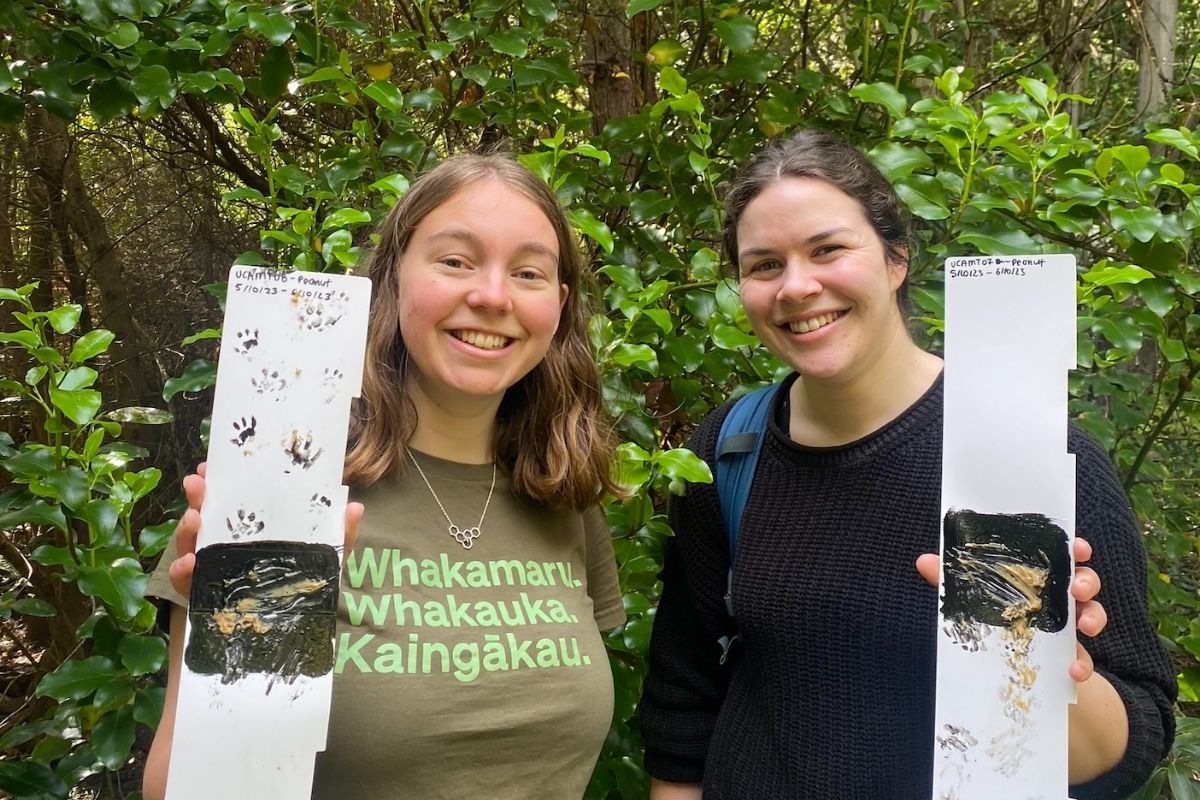
The University of Canterbury (UC) has launched the “Catching On” project, a comprehensive biodiversity enhancement and predator control initiative. This project, enacted as part of the UC Biodiversity Plan 2022-2024, aims to restore native biodiversity on the university’s Ilam campus and integrate it into the broader ecological corridor of Ōtautahi|Christchurch. The initiative is a collaborative effort involving UC’s Sustainability Office, the student-led Environmental Science Society (EnviroSoc), and Predator Free Riccarton (PFR), focusing on reducing the impact of introduced predators, such as rats and possums, which have severely affected New Zealand’s native flora and fauna.
Environmental and Social Benefits
- Biodiversity Restoration: The project is pivotal in restoring native bird populations and enhancing the ecological health of the campus. The removal of predators is expected to increase the successful breeding of native birds and improve the habitat for other native species, including invertebrates and reptiles.
- Community Involvement: The project has engaged over 35 students from EnviroSoc, who volunteer weekly to maintain and monitor trap lines across the campus. This hands-on involvement not only supports environmental conservation but also fosters a strong sense of community and environmental stewardship among participants.
- Educational Integration: The initiative provides students with practical conservation experience, bridging the gap between theoretical knowledge and real-world application. The project also offers leadership opportunities for students, enhancing their skills in project management, teamwork, and environmental science.
Leadership and Engagement
- Collaborative Approach: The project’s success is rooted in its collaborative nature, involving various stakeholders including students, university staff, and the wider community. The partnership with Predator Free Riccarton has been crucial in expanding the project’s reach and effectiveness, integrating the university’s efforts with community-led conservation initiatives.
- Student Leadership: EnviroSoc has played a central role in the project, with students taking on leadership roles as trapping coordinators and team leaders. This involvement has not only driven the project’s success but has also provided valuable leadership experience to the participating students.
- Ongoing Engagement: The project has fostered ongoing engagement through regular meetings, workshops, and collaborative events such as the “Trapping, Tracking and Triumphs” Hui. These activities have strengthened the connections between the university and the local community, promoting broader participation in the predator-free movement.
Significance to the Sector
- Sector Leadership: The “Catching On” project positions UC as a leader in urban ecological restoration, setting a standard for other universities in New Zealand and beyond. The initiative’s integration with the broader Predator Free 2050 national goal highlights its significance as a model for predator control and biodiversity restoration in urban settings.
- Scalable and Replicable Model: The project’s framework, combining student engagement, community collaboration, and practical conservation efforts, offers a scalable and replicable model that can be adopted by other institutions and communities.
- Enhancing Campus as an Ecological Corridor: The project aligns with UC’s strategic vision to transform its campus into a key link within Christchurch’s ecological corridor, contributing to the restoration of native habitats across the city and supporting biodiversity at a regional level.
Wider Societal Impact
- Broader Community Benefits: The project extends beyond the university campus, impacting the surrounding neighbourhoods and connecting with local conservation efforts. The collaborative work with PFR and local schools amplifies the project’s reach, contributing to a predator-free environment across a larger urban area.
- Educational and Career Opportunities: Students involved in the project gain practical skills that enhance their employability in the environmental sector. The project also creates opportunities for internships and research, providing a pathway for students to pursue careers in conservation and environmental management.
- National and Global Relevance: The project supports New Zealand’s national Predator Free 2050 initiative and serves as an example of successful urban ecological restoration that can be applied globally. Its focus on student-led conservation and community collaboration provides a template for similar projects worldwide.
The “Catching On” initiative at the University of Canterbury demonstrates a powerful approach to biodiversity restoration and predator control, integrating academic, community, and environmental goals. Through innovative collaboration, strong leadership, and a commitment to sustainability, the project not only enhances the local environment but also sets a benchmark for ecological restoration in urban university settings. This initiative not only supports the ecological health of the campus but also contributes to broader national and global conservation efforts, making it a model for other institutions to follow.



Top 3 learnings
Supported by

Category finalists
Highly Commended/Nature Positive
Highly Commended/Nature Positive
Nature Positive
Nature Positive
Nature Positive/Winners
Nature Positive/Winners
Nature Positive category
The University of Canterbury (UC) has launched the “Catching On” project, a comprehensive biodiversity enhancement and predator control initiative. This project, enacted as part of the UC Biodiversity Plan 2022-2024, aims to restore native biodiversity on the university’s Ilam campus and integrate it into the broader ecological corridor of Ōtautahi|Christchurch. The initiative is a collaborative effort involving UC’s Sustainability Office, the student-led Environmental Science Society (EnviroSoc), and Predator Free Riccarton (PFR), focusing on reducing the impact of introduced predators, such as rats and possums, which have severely affected New Zealand’s native flora and fauna.
Top 3 learnings
Environmental and Social Benefits
- Biodiversity Restoration: The project is pivotal in restoring native bird populations and enhancing the ecological health of the campus. The removal of predators is expected to increase the successful breeding of native birds and improve the habitat for other native species, including invertebrates and reptiles.
- Community Involvement: The project has engaged over 35 students from EnviroSoc, who volunteer weekly to maintain and monitor trap lines across the campus. This hands-on involvement not only supports environmental conservation but also fosters a strong sense of community and environmental stewardship among participants.
- Educational Integration: The initiative provides students with practical conservation experience, bridging the gap between theoretical knowledge and real-world application. The project also offers leadership opportunities for students, enhancing their skills in project management, teamwork, and environmental science.
Leadership and Engagement
- Collaborative Approach: The project’s success is rooted in its collaborative nature, involving various stakeholders including students, university staff, and the wider community. The partnership with Predator Free Riccarton has been crucial in expanding the project’s reach and effectiveness, integrating the university’s efforts with community-led conservation initiatives.
- Student Leadership: EnviroSoc has played a central role in the project, with students taking on leadership roles as trapping coordinators and team leaders. This involvement has not only driven the project’s success but has also provided valuable leadership experience to the participating students.
- Ongoing Engagement: The project has fostered ongoing engagement through regular meetings, workshops, and collaborative events such as the “Trapping, Tracking and Triumphs” Hui. These activities have strengthened the connections between the university and the local community, promoting broader participation in the predator-free movement.
Significance to the Sector
- Sector Leadership: The “Catching On” project positions UC as a leader in urban ecological restoration, setting a standard for other universities in New Zealand and beyond. The initiative’s integration with the broader Predator Free 2050 national goal highlights its significance as a model for predator control and biodiversity restoration in urban settings.
- Scalable and Replicable Model: The project’s framework, combining student engagement, community collaboration, and practical conservation efforts, offers a scalable and replicable model that can be adopted by other institutions and communities.
- Enhancing Campus as an Ecological Corridor: The project aligns with UC’s strategic vision to transform its campus into a key link within Christchurch’s ecological corridor, contributing to the restoration of native habitats across the city and supporting biodiversity at a regional level.
Wider Societal Impact
- Broader Community Benefits: The project extends beyond the university campus, impacting the surrounding neighbourhoods and connecting with local conservation efforts. The collaborative work with PFR and local schools amplifies the project’s reach, contributing to a predator-free environment across a larger urban area.
- Educational and Career Opportunities: Students involved in the project gain practical skills that enhance their employability in the environmental sector. The project also creates opportunities for internships and research, providing a pathway for students to pursue careers in conservation and environmental management.
- National and Global Relevance: The project supports New Zealand’s national Predator Free 2050 initiative and serves as an example of successful urban ecological restoration that can be applied globally. Its focus on student-led conservation and community collaboration provides a template for similar projects worldwide.
The “Catching On” initiative at the University of Canterbury demonstrates a powerful approach to biodiversity restoration and predator control, integrating academic, community, and environmental goals. Through innovative collaboration, strong leadership, and a commitment to sustainability, the project not only enhances the local environment but also sets a benchmark for ecological restoration in urban university settings. This initiative not only supports the ecological health of the campus but also contributes to broader national and global conservation efforts, making it a model for other institutions to follow.
Supported by
Category finalists
Highly Commended/Nature Positive
Highly Commended/Nature Positive
Nature Positive
Nature Positive
Nature Positive/Winners
Nature Positive/Winners