Nature Positive category
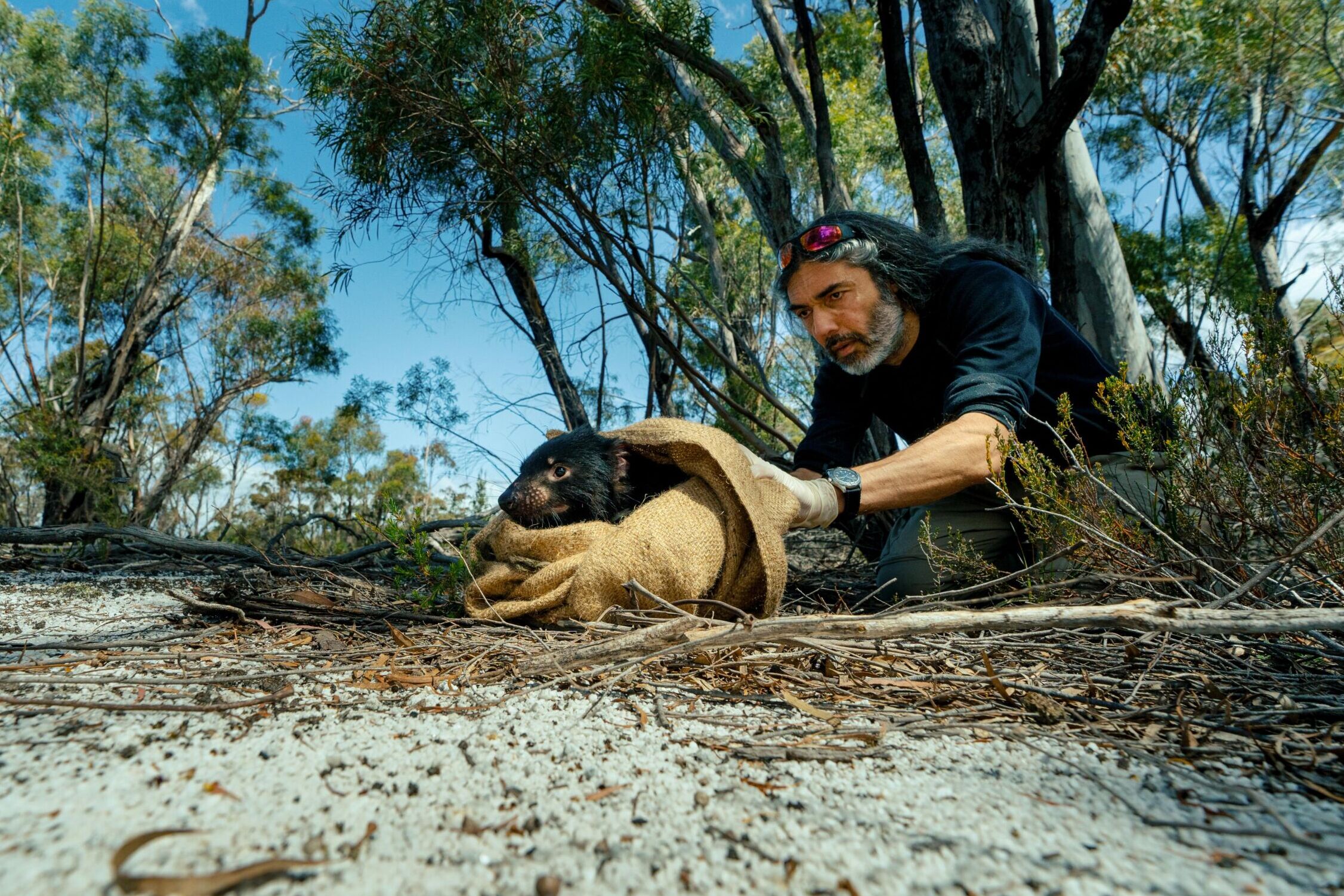
The University of Tasmania (UTAS) is leading a comprehensive, place-based response to the global biodiversity crisis. Their Nature Positive approach encompasses a range of initiatives covering on-campus conservation, community engagement, citizen science, academic integration, and applied research. From managing campus ecosystems to restoring riparian landscapes and pioneering species recovery programs, UTAS aligns academic inquiry with ecological action. Highlights include the restoration of Newnham Creek, citizen-led BioBlitzes, and the world’s largest captive breeding event for the critically endangered red handfish. This effort is bolstered by its role as a founding member of the Nature Positive Universities Network and its position as Australia’s top-ranked university for SDG14 Life Below Water and SDG15 Life on Land in the Times Higher Education Impact Rankings.
Environmental and Social Benefits
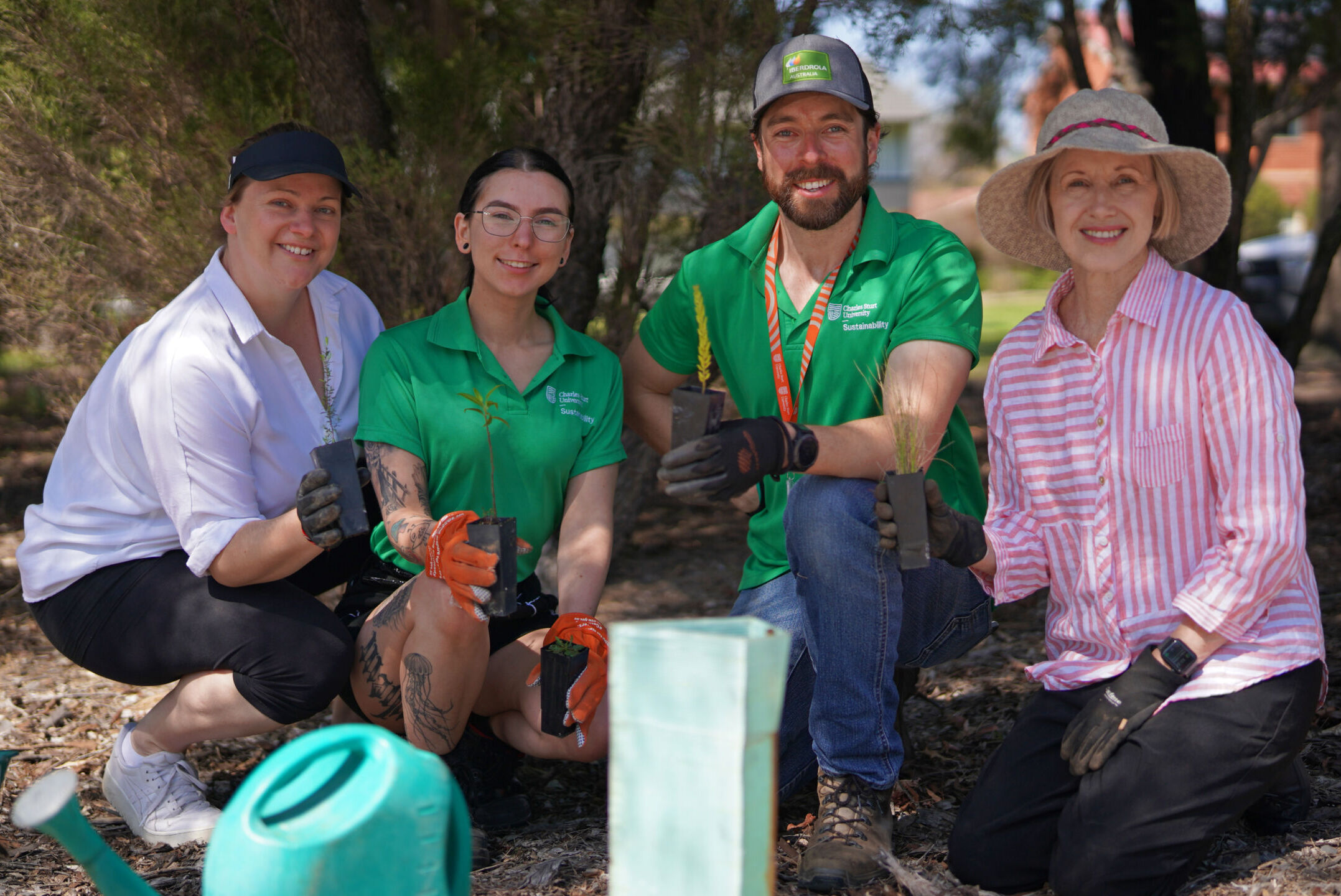
- UTAS is actively enhancing its natural environments, such as transforming 700m of degraded riparian land at Newnham Creek into a biodiverse habitat, improving water quality, and introducing dozens of native species.
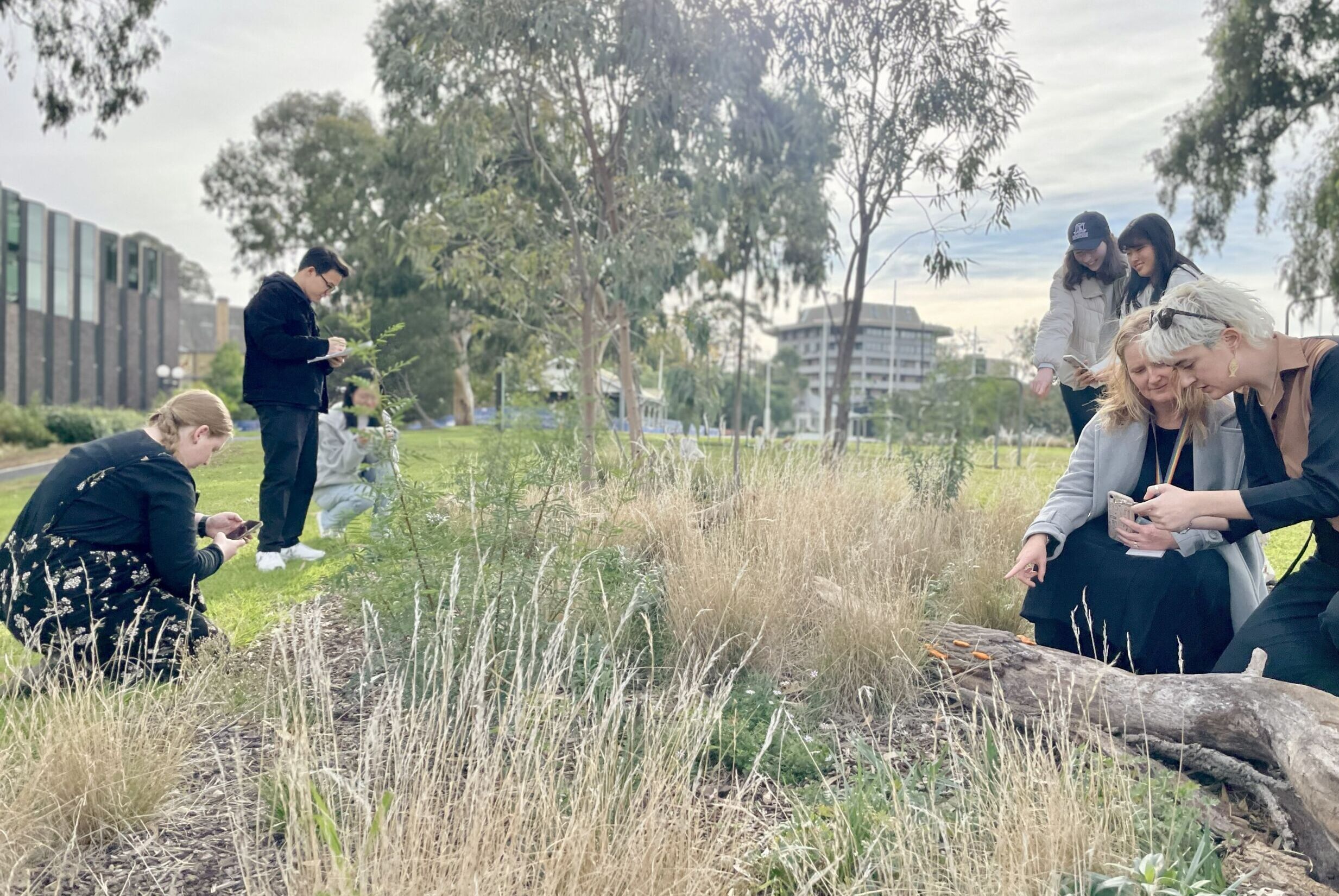
- Citizen science events like BioBlitzes and platforms such as Redmap support documenting hundreds of species, species movements, inspired nesting box programs for endangered parrots, and promoted ecological stewardship across Tasmania and Australia.
- The Backyard Biodiversity unit and other courses equip students with skills to protect ecosystems. Over 12% of participants come from low socioeconomic backgrounds, supported through fee waivers to ensure equitable access.
Leadership and Engagement
- Nature Positive is embedded across UTAS operations, learning, and research, with broad internal buy-in. This includes VC-endorsed strategies, sustainable procurement, and interdisciplinary project integration.
- Success has hinged on collaboration with stakeholders including Bonorong Wildlife Sanctuary, Bookend Trust, Sea Forest, local councils, Landcare, and philanthropic donors—raising over $1M in 2024 alone.
- Hundreds of staff and students contribute annually through research, internships, working bees, and conservation programs, such as Species Hotels and student-led Landcare projects.
Significance to the Sector
- UTAS demonstrates how universities can tailor biodiversity initiatives to their local ecosystems, while aligning with global frameworks like the Nature Positive Universities Pledge.
- Projects like the kelp restoration trial (10 hectares underway) and red handfish breeding program provide transferrable solutions to similar ecological crises worldwide.
- Through research publications, partnerships, and outreach, UTAS actively shares lessons with the tertiary sector, local government, schools, and NGOs to promote replication.
Wider Societal Impact
- Biodiversity conservation efforts have inspired school children and citizens, reshaping perceptions of local ecosystems and catalysing behavioural change in both personal and professional contexts.
- Nature Positive education supports graduate employability across diverse fields by cultivating environmental literacy, systems thinking, and hands-on restoration experience.
- Improved habitat health supports cultural connections to nature and community wellbeing, reinforcing Tasmania’s identity as a leader in ecological regeneration.


Top 3 learnings
Supported by

Category finalists

Nature Positive
Nature Positive
Nature Positive
Nature Positive

Nature Positive
Nature Positive
Nature Positive
Nature Positive
Nature Positive category
The University of Tasmania (UTAS) is leading a comprehensive, place-based response to the global biodiversity crisis. Their Nature Positive approach encompasses a range of initiatives covering on-campus conservation, community engagement, citizen science, academic integration, and applied research. From managing campus ecosystems to restoring riparian landscapes and pioneering species recovery programs, UTAS aligns academic inquiry with ecological action. Highlights include the restoration of Newnham Creek, citizen-led BioBlitzes, and the world’s largest captive breeding event for the critically endangered red handfish. This effort is bolstered by its role as a founding member of the Nature Positive Universities Network and its position as Australia’s top-ranked university for SDG14 Life Below Water and SDG15 Life on Land in the Times Higher Education Impact Rankings.
Top 3 learnings
Environmental and Social Benefits
- UTAS is actively enhancing its natural environments, such as transforming 700m of degraded riparian land at Newnham Creek into a biodiverse habitat, improving water quality, and introducing dozens of native species.
- Citizen science events like BioBlitzes and platforms such as Redmap support documenting hundreds of species, species movements, inspired nesting box programs for endangered parrots, and promoted ecological stewardship across Tasmania and Australia.
- The Backyard Biodiversity unit and other courses equip students with skills to protect ecosystems. Over 12% of participants come from low socioeconomic backgrounds, supported through fee waivers to ensure equitable access.
Leadership and Engagement
- Nature Positive is embedded across UTAS operations, learning, and research, with broad internal buy-in. This includes VC-endorsed strategies, sustainable procurement, and interdisciplinary project integration.
- Success has hinged on collaboration with stakeholders including Bonorong Wildlife Sanctuary, Bookend Trust, Sea Forest, local councils, Landcare, and philanthropic donors—raising over $1M in 2024 alone.
- Hundreds of staff and students contribute annually through research, internships, working bees, and conservation programs, such as Species Hotels and student-led Landcare projects.
Significance to the Sector
- UTAS demonstrates how universities can tailor biodiversity initiatives to their local ecosystems, while aligning with global frameworks like the Nature Positive Universities Pledge.
- Projects like the kelp restoration trial (10 hectares underway) and red handfish breeding program provide transferrable solutions to similar ecological crises worldwide.
- Through research publications, partnerships, and outreach, UTAS actively shares lessons with the tertiary sector, local government, schools, and NGOs to promote replication.
Wider Societal Impact
- Biodiversity conservation efforts have inspired school children and citizens, reshaping perceptions of local ecosystems and catalysing behavioural change in both personal and professional contexts.
- Nature Positive education supports graduate employability across diverse fields by cultivating environmental literacy, systems thinking, and hands-on restoration experience.
- Improved habitat health supports cultural connections to nature and community wellbeing, reinforcing Tasmania’s identity as a leader in ecological regeneration.
Supported by
Category finalists
Nature Positive
Nature Positive
Nature Positive
Nature Positive
Nature Positive
Nature Positive
Nature Positive
Nature Positive