Nature Positive category
The University of Sydney is the first research-intensive university globally to adopt the Taskforce on Nature-related Financial Disclosures (TNFD) framework to assess and disclose its nature-related risks and opportunities. Through a robust LEAP (Locate, Evaluate, Assess, Prepare) assessment, the initiative mapped impacts and dependencies across operations, procurement, and infrastructure. With strong academic collaboration, student involvement through the Dalyell Scholars program, and cross-campus data integration, the project embedded nature into institutional governance and planning. The initiative lays the groundwork for sector-wide adoption and informs the University’s future sustainability strategy, positioning nature as a core consideration in higher education decision-making.

Environmental and Social Benefits
- Identified biodiversity risks and dependencies across campus operations, enabling targeted actions in research farms, procurement, and infrastructure management.
- Fostered cultural shifts by integrating nature into strategic reporting processes and sustainability governance, strengthening the University’s decision-making and disclosure practices.
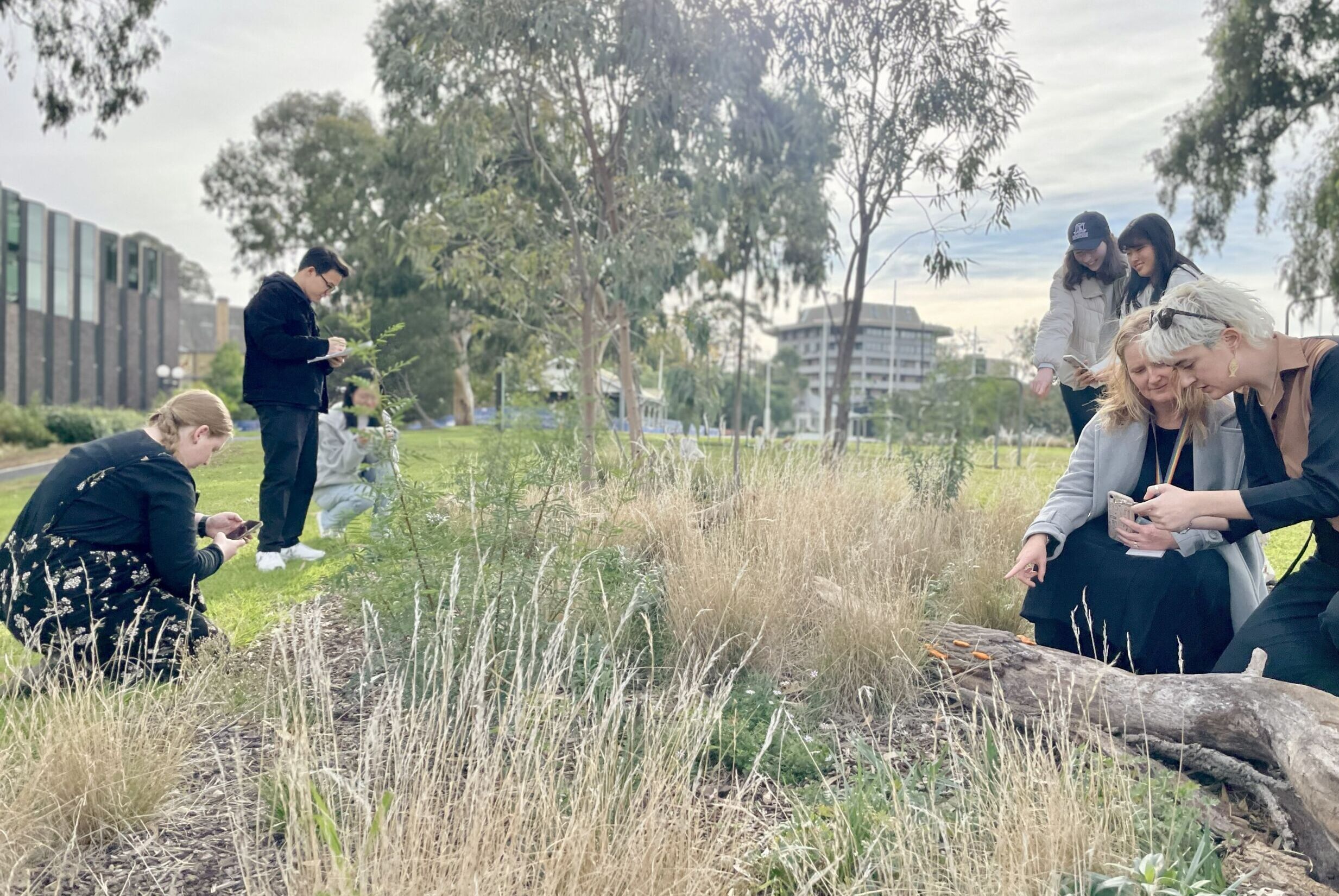
- Empowered students through field-based learning and real-world ESG application, while building interdisciplinary partnership across academic and operational staff.
Leadership and Engagement
- First known implementation of the TNFD LEAP framework by a research-intensive university, setting a global benchmark for higher education.
- Delivered in partnership with academics from the ARC DARE Training Centre and supported by operations, research, and student teams.
- Integrated student-led fieldwork and data analysis into curriculum, bridging sustainability education with institutional planning.
Significance to the Sector
- Pioneers a replicable TNFD-aligned disclosure model tailored to the university operating environment, addressing a critical knowledge gap in the sector.
- Disseminated through ACTS and Group of Eight forums, with a public disclosure planned to aid sector-wide learning and adoption.
- Designed with scalability in mind, providing a framework transferable to universities of all sizes, and aligning with international standards including ISSB and GBF Target 15.
Wider Societal Impact
- Influences how institutions manage land and ecosystems, reinforcing nature-centred decision-making beyond compliance.
- Equips future graduates with in-demand skills in sustainability reporting and ESG governance.
- Demonstrates how public institutions can lead on nature-positive change, supporting national and international biodiversity goals.


Top 3 learnings
Supported by

Category finalists
Nature Positive
Nature Positive
Nature Positive
Nature Positive

Nature Positive
Nature Positive
Nature Positive
Nature Positive
Nature Positive category
The University of Sydney is the first research-intensive university globally to adopt the Taskforce on Nature-related Financial Disclosures (TNFD) framework to assess and disclose its nature-related risks and opportunities. Through a robust LEAP (Locate, Evaluate, Assess, Prepare) assessment, the initiative mapped impacts and dependencies across operations, procurement, and infrastructure. With strong academic collaboration, student involvement through the Dalyell Scholars program, and cross-campus data integration, the project embedded nature into institutional governance and planning. The initiative lays the groundwork for sector-wide adoption and informs the University’s future sustainability strategy, positioning nature as a core consideration in higher education decision-making.
Top 3 learnings
Environmental and Social Benefits
- Identified biodiversity risks and dependencies across campus operations, enabling targeted actions in research farms, procurement, and infrastructure management.
- Fostered cultural shifts by integrating nature into strategic reporting processes and sustainability governance, strengthening the University’s decision-making and disclosure practices.
- Empowered students through field-based learning and real-world ESG application, while building interdisciplinary partnership across academic and operational staff.
Leadership and Engagement
- First known implementation of the TNFD LEAP framework by a research-intensive university, setting a global benchmark for higher education.
- Delivered in partnership with academics from the ARC DARE Training Centre and supported by operations, research, and student teams.
- Integrated student-led fieldwork and data analysis into curriculum, bridging sustainability education with institutional planning.
Significance to the Sector
- Pioneers a replicable TNFD-aligned disclosure model tailored to the university operating environment, addressing a critical knowledge gap in the sector.
- Disseminated through ACTS and Group of Eight forums, with a public disclosure planned to aid sector-wide learning and adoption.
- Designed with scalability in mind, providing a framework transferable to universities of all sizes, and aligning with international standards including ISSB and GBF Target 15.
Wider Societal Impact
- Influences how institutions manage land and ecosystems, reinforcing nature-centred decision-making beyond compliance.
- Equips future graduates with in-demand skills in sustainability reporting and ESG governance.
- Demonstrates how public institutions can lead on nature-positive change, supporting national and international biodiversity goals.
Supported by
Category finalists
Nature Positive
Nature Positive
Nature Positive
Nature Positive
Nature Positive
Nature Positive
Nature Positive
Nature Positive