Nature Positive category
The Biodiversity Baseline Data Project (BBDP) is the University of Melbourne’s flagship initiative to quantify and monitor biodiversity across its eight campuses. Beginning in 2019, the project established an innovative, metrics-driven framework to collect ecological data, guide on-ground improvements, and embed biodiversity in operational, academic, and community engagement strategies. With seven core metrics—ranging from species diversity to canopy cover—the BBDP is shaping a whole-of-campus response to biodiversity loss and helping to protect, enhance, and expand on-campus biodiversity. The initiative informs strategic planning, land management, and curriculum development, while contributing to sector-wide knowledge-sharing through dashboards, partnerships, and the ACTS Biodiversity Working Group.
Environmental and Social Benefits
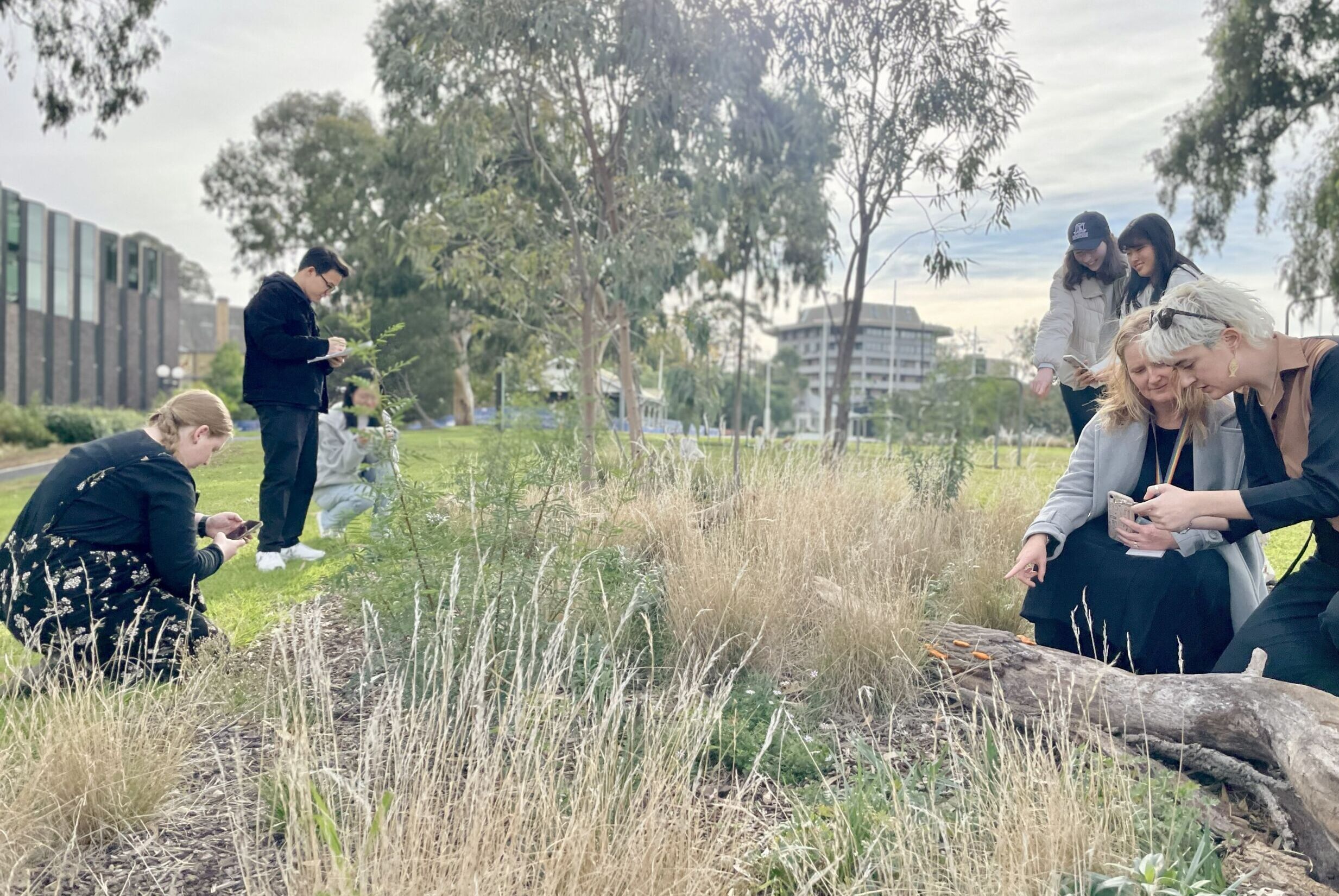
- Contributed to the planting of more than 13,500 plants, engaging volunteers across the Parkville, Southbank, and Werribee campuses since 2022.
- Directly informs campus master planning and land management activities using localised biodiversity data and metrics.
- Created several publicly available biodiversity dashboards enhancing transparency and public engagement.
- Developed FaungiFinder, a biodiversity observation analysis tool that automatically analyses data from the Atlas of Living Australia. The tool aims to support landowners, institutions, and biodiversity enthusiasts in understanding their local biodiversity, helping to inform decision making.
- Restoration activities, such as invasive species removal and bushland management, will help to improve species diversity across priority campus sites, while simultaneously engaging local communities and students.
Leadership and Engagement
- Over 1,250 students have contributed to the project through citizen science, coursework, student casual employment, internships, and volunteering, with biodiversity now embedded in multiple faculties’ curricula.
- Knowledge exchange between staff, researchers, and students, helping sustain the initiative institution-wide.
- Leadership & relationship curation from the Sustainability Delivery team ensures the project continues to evolve as a strategic driver of ecological improvement and cultural change.
Significance to the Sector
- Offers a replicable and scalable model for biodiversity monitoring using pragmatic, scientifically grounded metrics and commonly available digital tools.
- Informed the development of the ACTS Biodiversity Working Group and is being used to support other universities to monitor their biodiversity in a standardised way.
- Encourages universities to sign the Nature Positive Universities Pledge by providing an accessible framework for assessing their biodiversity.
Wider Societal Impact
- Demonstrates how universities can lead biodiversity action through adoption of a measurable, transparent framework.
- Builds ecological literacy and nature stewardship among future professionals across diverse disciplines.
- Inspires broader uptake of citizen science, helping empower the University community to contribute to citizen science efforts and biodiversity management in broader society.

Top 3 learnings
Supported by

Category finalists
Nature Positive
Nature Positive

Nature Positive
Nature Positive

Nature Positive
Nature Positive
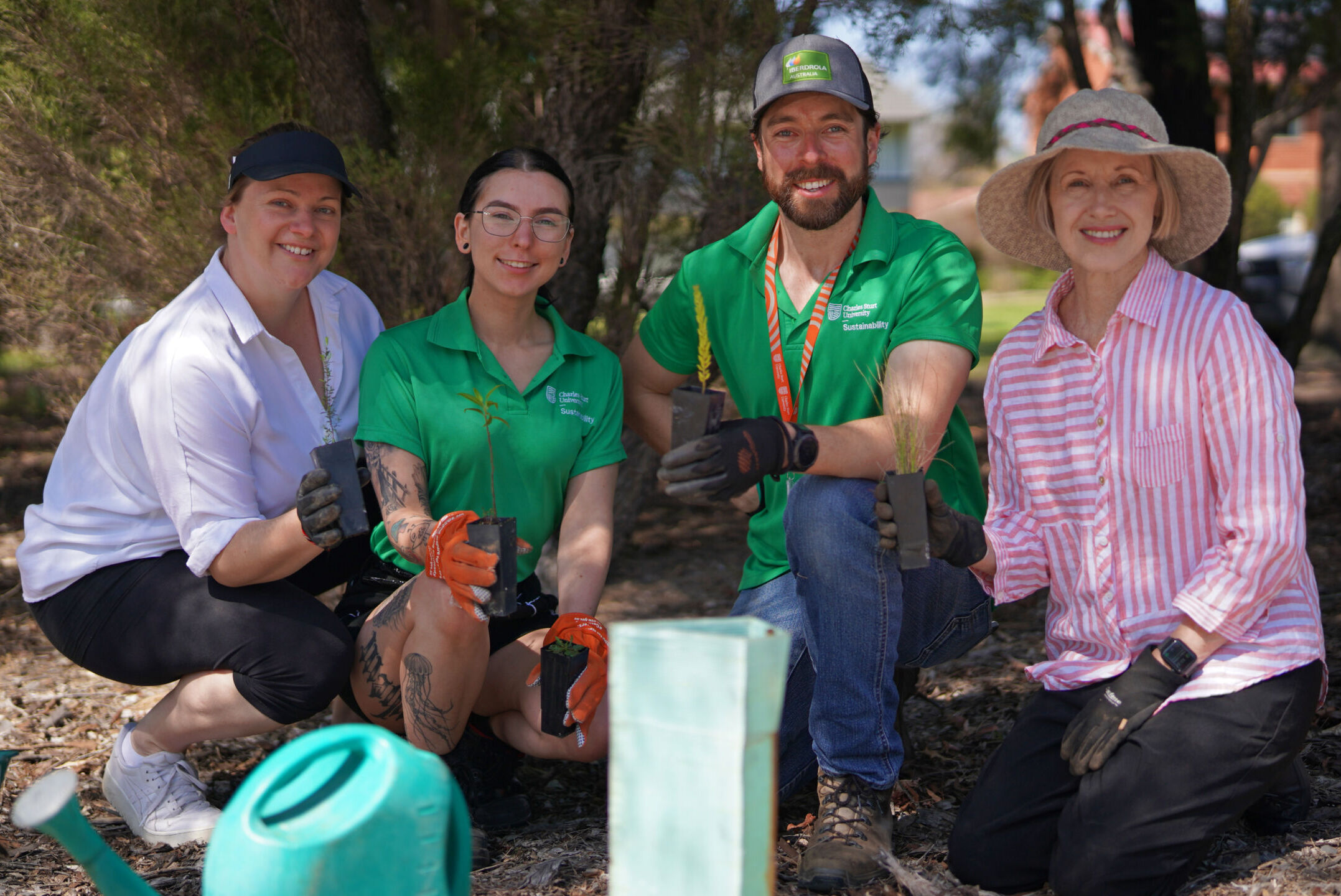
Nature Positive
Nature Positive
Nature Positive category
The Biodiversity Baseline Data Project (BBDP) is the University of Melbourne’s flagship initiative to quantify and monitor biodiversity across its eight campuses. Beginning in 2019, the project established an innovative, metrics-driven framework to collect ecological data, guide on-ground improvements, and embed biodiversity in operational, academic, and community engagement strategies. With seven core metrics—ranging from species diversity to canopy cover—the BBDP is shaping a whole-of-campus response to biodiversity loss and helping to protect, enhance, and expand on-campus biodiversity. The initiative informs strategic planning, land management, and curriculum development, while contributing to sector-wide knowledge-sharing through dashboards, partnerships, and the ACTS Biodiversity Working Group.
Top 3 learnings
Environmental and Social Benefits
- Contributed to the planting of more than 13,500 plants, engaging volunteers across the Parkville, Southbank, and Werribee campuses since 2022.
- Directly informs campus master planning and land management activities using localised biodiversity data and metrics.
- Created several publicly available biodiversity dashboards enhancing transparency and public engagement.
- Developed FaungiFinder, a biodiversity observation analysis tool that automatically analyses data from the Atlas of Living Australia. The tool aims to support landowners, institutions, and biodiversity enthusiasts in understanding their local biodiversity, helping to inform decision making.
- Restoration activities, such as invasive species removal and bushland management, will help to improve species diversity across priority campus sites, while simultaneously engaging local communities and students.
Leadership and Engagement
- Over 1,250 students have contributed to the project through citizen science, coursework, student casual employment, internships, and volunteering, with biodiversity now embedded in multiple faculties’ curricula.
- Knowledge exchange between staff, researchers, and students, helping sustain the initiative institution-wide.
- Leadership & relationship curation from the Sustainability Delivery team ensures the project continues to evolve as a strategic driver of ecological improvement and cultural change.
Significance to the Sector
- Offers a replicable and scalable model for biodiversity monitoring using pragmatic, scientifically grounded metrics and commonly available digital tools.
- Informed the development of the ACTS Biodiversity Working Group and is being used to support other universities to monitor their biodiversity in a standardised way.
- Encourages universities to sign the Nature Positive Universities Pledge by providing an accessible framework for assessing their biodiversity.
Wider Societal Impact
- Demonstrates how universities can lead biodiversity action through adoption of a measurable, transparent framework.
- Builds ecological literacy and nature stewardship among future professionals across diverse disciplines.
- Inspires broader uptake of citizen science, helping empower the University community to contribute to citizen science efforts and biodiversity management in broader society.
Supported by
Category finalists
Nature Positive
Nature Positive
Nature Positive
Nature Positive
Nature Positive
Nature Positive
Nature Positive
Nature Positive