Nature Positive category
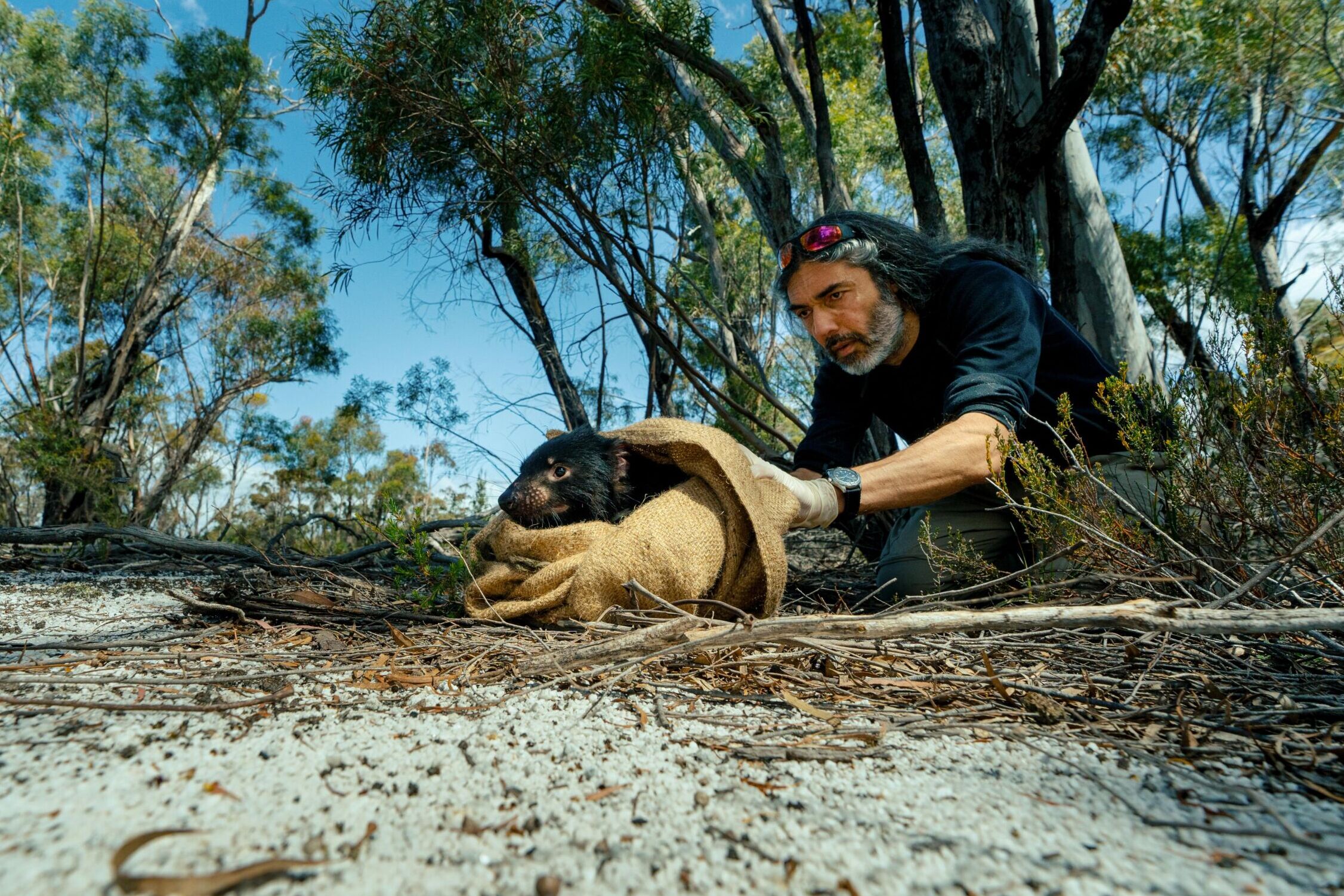
Macquarie University is restoring a 3.5 hectare bush remnant, featuring critically endangered Sydney Turpentine-Ironbark Forest on its Wallumattagal Campus, integrating this effort into its Sustainability Linked Loan (SLL) agreement. Our goal is to increase the proportion of forest nearing its ‘reference condition’ by over 25% by 2028 from a baseline set in 2022. The project uses measurement indicators first applied to the site in 2010, featuring vegetation surveys and GIS mapping to track progress. The initiative is embedded across university operations, academic curricula, and community engagement activities, demonstrating the value of ecological community restoration over a focus on individual species. It also supports financial savings that are reinvested into equity scholarships, linking environmental action to social benefit.

Environmental and Social Benefits
- The project is increasing forest integrity, with early results showing a rise in very high integrity forest from 30.6% to 34.9%, and medium integrity forest from 22.8% to 28.5%, helping restore an endangered ecological community and reducing weed pressure near Lane Cove National Park.
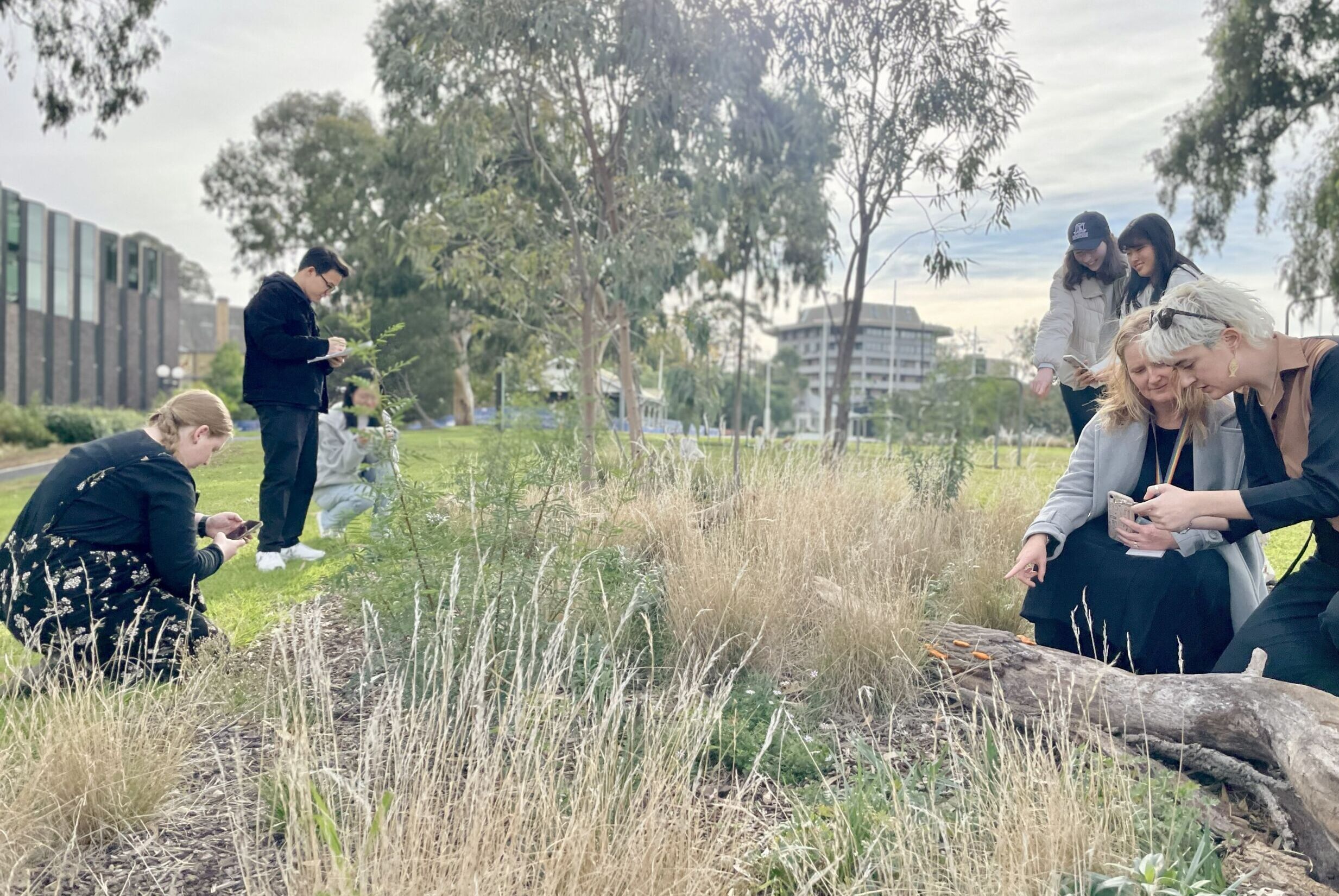
- Staff volunteering sessions are improving wellbeing and connection to nature, with participants inspired to join local Bushcare groups and reconnect with campus ecology.
- Restoration supports vulnerable native species, reduces weed seed spread to nearby bushland, and provides habitat continuity amidst rapid local development.
Leadership and Engagement
- The biodiversity KPI is one of six indicators tied to the SLL, engaging the finance sector in ecosystem restoration and demonstrating innovation in linking finance to nature.
- The project engages over 500 students annually across science, accounting, and PACE programs, and has involved staff from multiple departments through hands-on volunteering.
- Community collaborations include artist partnerships for an exhibition in Sydney’s inner west, and upcoming volunteering sessions with an international bank, broadening outreach beyond academia.
Significance to the Sector
- Demonstrates how biodiversity restoration can be quantified and tied to financial instruments like sustainability-linked loans, supporting sector-wide replication.
- Curriculum integration supports interdepartmental collaboration, particularly between finance and environmental science, strengthening interdisciplinary teaching.
- Macquarie’s leadership in SDG 15 (Life on Land) under the United Nations Academic Impact initiative elevates the project’s influence on global restoration dialogue.
Wider Societal Impact
- Showcased as part of Macquarie’s appointment as chair of the UN SDG 15 global hub.
- Provides a replicable model for measuring biodiversity outcomes in university finance structures.
- Inspires community awareness through public artworks, student fieldwork, and staff engagement in nature stewardship.

Top 3 learnings
Supported by
Category finalists
Nature Positive
Nature Positive

Nature Positive
Nature Positive
Nature Positive
Nature Positive
Nature Positive
Nature Positive
Nature Positive category
Macquarie University is restoring a 3.5 hectare bush remnant, featuring critically endangered Sydney Turpentine-Ironbark Forest on its Wallumattagal Campus, integrating this effort into its Sustainability Linked Loan (SLL) agreement. Our goal is to increase the proportion of forest nearing its ‘reference condition’ by over 25% by 2028 from a baseline set in 2022. The project uses measurement indicators first applied to the site in 2010, featuring vegetation surveys and GIS mapping to track progress. The initiative is embedded across university operations, academic curricula, and community engagement activities, demonstrating the value of ecological community restoration over a focus on individual species. It also supports financial savings that are reinvested into equity scholarships, linking environmental action to social benefit.
Top 3 learnings
Environmental and Social Benefits
- The project is increasing forest integrity, with early results showing a rise in very high integrity forest from 30.6% to 34.9%, and medium integrity forest from 22.8% to 28.5%, helping restore an endangered ecological community and reducing weed pressure near Lane Cove National Park.
- Staff volunteering sessions are improving wellbeing and connection to nature, with participants inspired to join local Bushcare groups and reconnect with campus ecology.
- Restoration supports vulnerable native species, reduces weed seed spread to nearby bushland, and provides habitat continuity amidst rapid local development.
Leadership and Engagement
- The biodiversity KPI is one of six indicators tied to the SLL, engaging the finance sector in ecosystem restoration and demonstrating innovation in linking finance to nature.
- The project engages over 500 students annually across science, accounting, and PACE programs, and has involved staff from multiple departments through hands-on volunteering.
- Community collaborations include artist partnerships for an exhibition in Sydney’s inner west, and upcoming volunteering sessions with an international bank, broadening outreach beyond academia.
Significance to the Sector
- Demonstrates how biodiversity restoration can be quantified and tied to financial instruments like sustainability-linked loans, supporting sector-wide replication.
- Curriculum integration supports interdepartmental collaboration, particularly between finance and environmental science, strengthening interdisciplinary teaching.
- Macquarie’s leadership in SDG 15 (Life on Land) under the United Nations Academic Impact initiative elevates the project’s influence on global restoration dialogue.
Wider Societal Impact
- Showcased as part of Macquarie’s appointment as chair of the UN SDG 15 global hub.
- Provides a replicable model for measuring biodiversity outcomes in university finance structures.
- Inspires community awareness through public artworks, student fieldwork, and staff engagement in nature stewardship.
Supported by
Category finalists
Nature Positive
Nature Positive
Nature Positive
Nature Positive
Nature Positive
Nature Positive
Nature Positive
Nature Positive