Nature Positive category
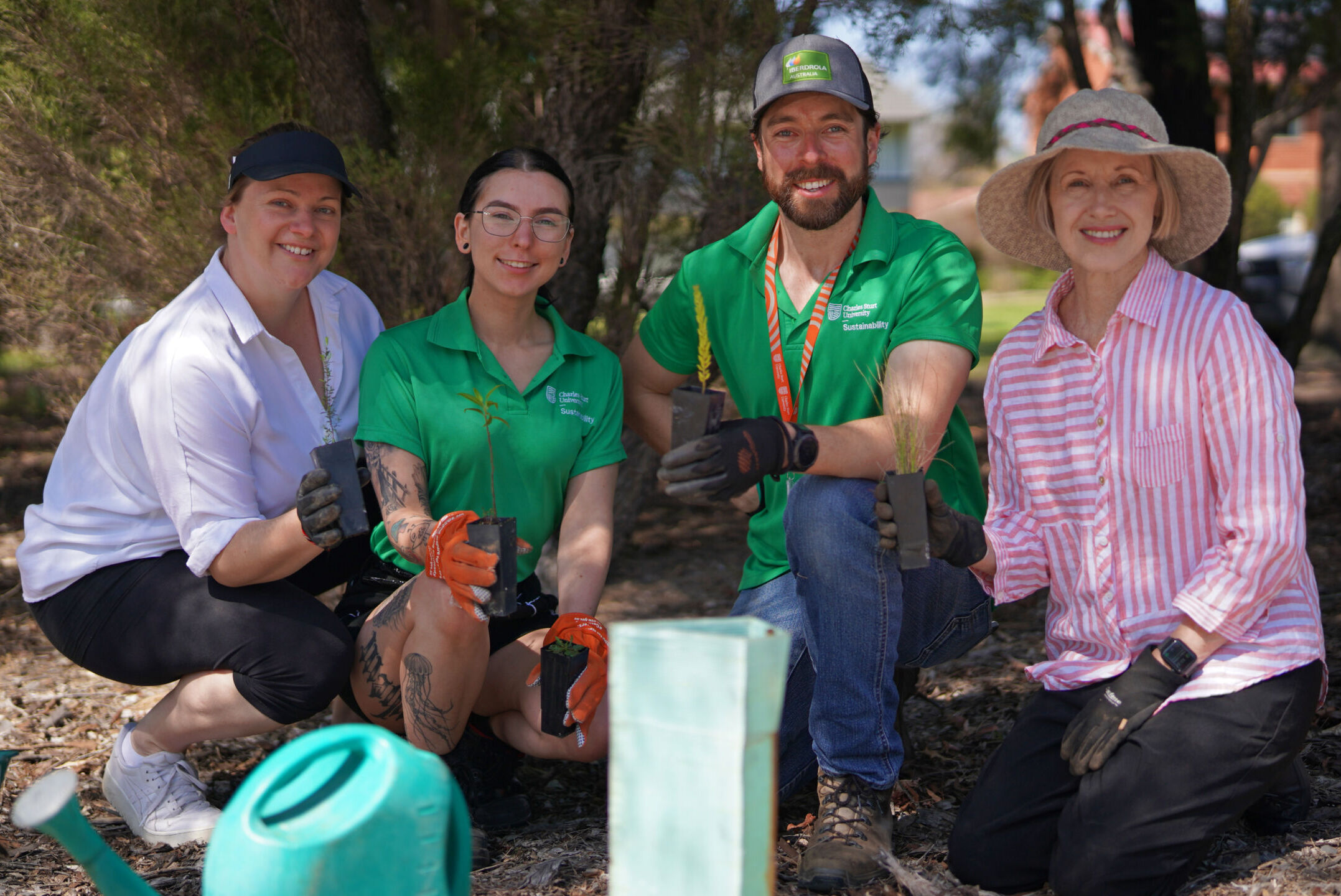
Charles Sturt University (CSU) has dedicated over 330 hectares—more than 20% of its land—to biodiversity enhancement, with a goal of reaching 30% by 2030. Its Biodiversity Action Plan incorporates ecological restoration, citizen science, sustainable infrastructure, and cultural values into long-term nature-positive strategies. Initiatives include the planting of over 38,000 native seedlings, artificial wetlands, pest exclusion fencing, and habitat construction. The university’s multi-decade commitment to nature conservation is integrated across teaching, operations, and research, with robust community and staff engagement. CSU’s programs benefit regional ecosystems, protect threatened species, and demonstrate how rural institutions can lead nature-positive outcomes at scale.
Environmental and Social Benefits
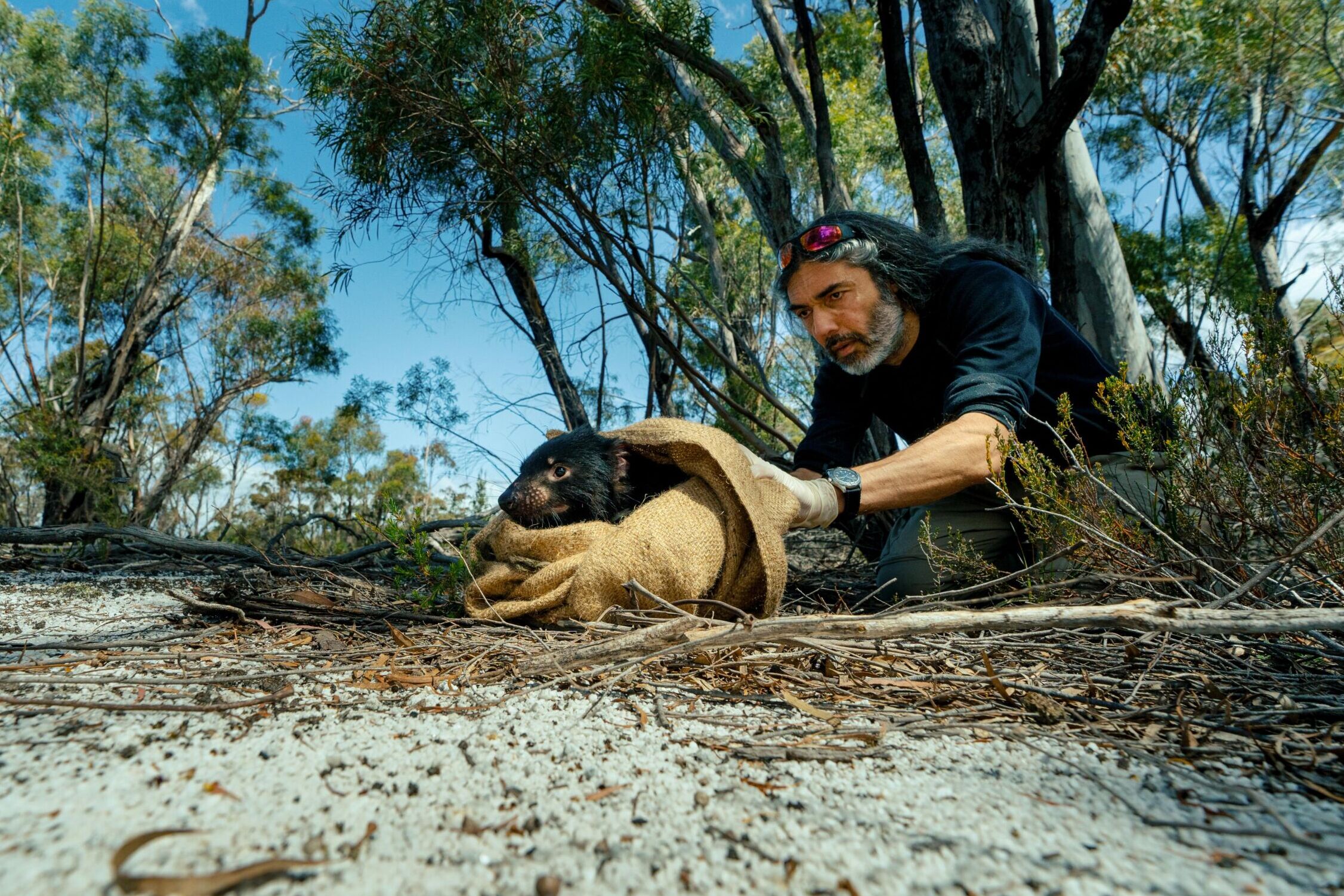
- Biodiversity corridors, artificial wetlands, and native vegetation support critically endangered species such as the Swift Parrot and Sloane’s Froglet, improving habitat connectivity and ecological resilience.
- Water and maintenance savings have been realised through turf reduction and native planting, conserving thousands of kilolitres annually and reducing groundskeeping costs.
- Events like “Breakfast with the Birds” and campus walking trails foster community involvement and wellbeing, while providing environmental education to staff, students, and local residents.
Leadership and Engagement
- Over 2,000 staff, students, and community members have contributed to on-ground works over the past 20 years, with 285 participants involved in 2024’s Biodiversity Month alone.
- Cross-institutional coordination includes nine business units, three student environmental clubs, and partnerships with 10 community groups such as Landcare and field naturalists.
- Biodiversity goals are embedded in master plans and reinforced through Operational Management Plans, Sustainable Design Guidelines, and First Nations strategies that prioritise Caring for Country.
Significance to the Sector
- CSU’s approach integrates biodiversity with agricultural operations, demonstrating that commercial land use and ecological responsibility can coexist.
- The university’s long-standing research contributions and innovations—such as new generation nest boxes and endangered fish breeding programs—set precedents for biodiversity work in higher education.
- Biodiversity programs are showcased through ACTS, interactive maps, and public events, enabling replication across rural and regional institutions nationally.
Wider Societal Impact
- CSU’s campuses have become safe havens for regional biodiversity and recreational green spaces for local communities.
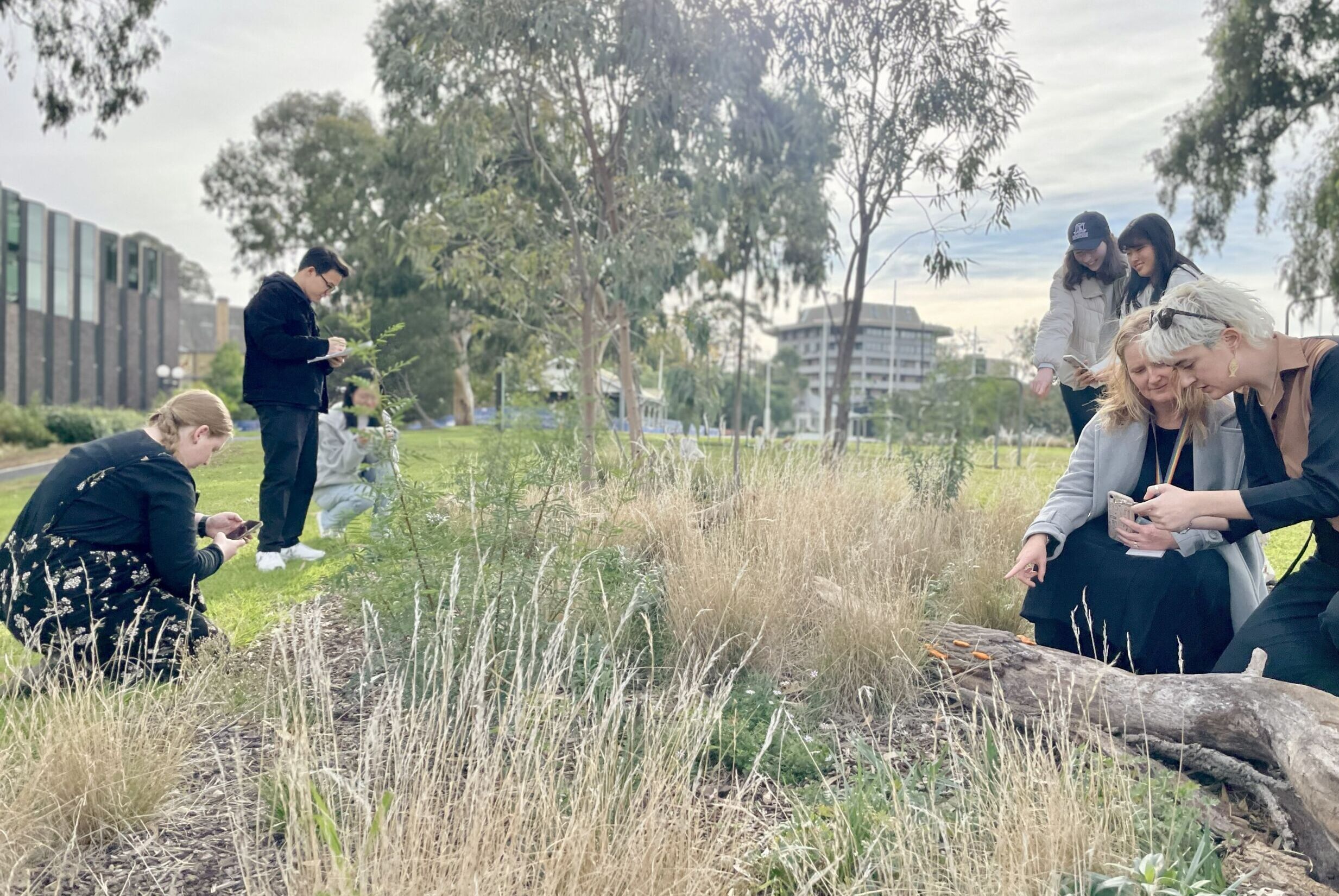
- Engagement with schools, community grants, and citizen science platforms extends ecological literacy and action beyond the institution.
- The Falcon Cam and other digital outreach projects raise global awareness of species protection and sustainable land management.


Top 3 learnings
Supported by

Category finalists
Nature Positive
Nature Positive

Nature Positive
Nature Positive
Nature Positive
Nature Positive

Nature Positive
Nature Positive
Nature Positive category
Charles Sturt University (CSU) has dedicated over 330 hectares—more than 20% of its land—to biodiversity enhancement, with a goal of reaching 30% by 2030. Its Biodiversity Action Plan incorporates ecological restoration, citizen science, sustainable infrastructure, and cultural values into long-term nature-positive strategies. Initiatives include the planting of over 38,000 native seedlings, artificial wetlands, pest exclusion fencing, and habitat construction. The university’s multi-decade commitment to nature conservation is integrated across teaching, operations, and research, with robust community and staff engagement. CSU’s programs benefit regional ecosystems, protect threatened species, and demonstrate how rural institutions can lead nature-positive outcomes at scale.
Top 3 learnings
Environmental and Social Benefits
- Biodiversity corridors, artificial wetlands, and native vegetation support critically endangered species such as the Swift Parrot and Sloane’s Froglet, improving habitat connectivity and ecological resilience.
- Water and maintenance savings have been realised through turf reduction and native planting, conserving thousands of kilolitres annually and reducing groundskeeping costs.
- Events like “Breakfast with the Birds” and campus walking trails foster community involvement and wellbeing, while providing environmental education to staff, students, and local residents.
Leadership and Engagement
- Over 2,000 staff, students, and community members have contributed to on-ground works over the past 20 years, with 285 participants involved in 2024’s Biodiversity Month alone.
- Cross-institutional coordination includes nine business units, three student environmental clubs, and partnerships with 10 community groups such as Landcare and field naturalists.
- Biodiversity goals are embedded in master plans and reinforced through Operational Management Plans, Sustainable Design Guidelines, and First Nations strategies that prioritise Caring for Country.
Significance to the Sector
- CSU’s approach integrates biodiversity with agricultural operations, demonstrating that commercial land use and ecological responsibility can coexist.
- The university’s long-standing research contributions and innovations—such as new generation nest boxes and endangered fish breeding programs—set precedents for biodiversity work in higher education.
- Biodiversity programs are showcased through ACTS, interactive maps, and public events, enabling replication across rural and regional institutions nationally.
Wider Societal Impact
- CSU’s campuses have become safe havens for regional biodiversity and recreational green spaces for local communities.
- Engagement with schools, community grants, and citizen science platforms extends ecological literacy and action beyond the institution.
- The Falcon Cam and other digital outreach projects raise global awareness of species protection and sustainable land management.
Supported by
Category finalists
Nature Positive
Nature Positive
Nature Positive
Nature Positive
Nature Positive
Nature Positive
Nature Positive
Nature Positive