Benefitting Society category
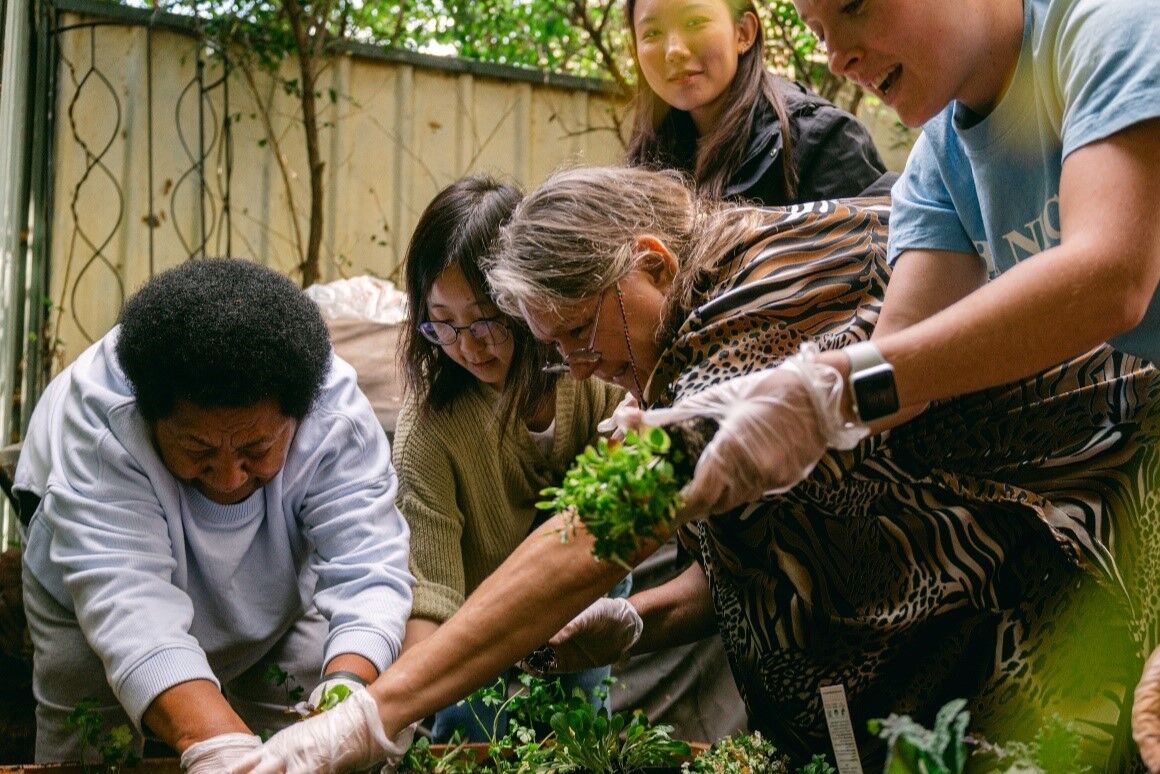
Since 1996, UTS Shopfront has provided a nationally recognised service-learning model that pairs students with not-for-profits and community organisations to deliver over 1,700 impactful projects. By embedding community-led challenges into coursework across five faculties, the program fosters civic-minded graduates while amplifying the work of under-resourced organisations. Students are supported through scaffolded learning modules on the not-for-profit sector, cultural humility, and community engagement. The program centres reciprocity, with projects designed to benefit both students and partners, enhancing the employability of graduates and strengthening community outcomes. With enduring partnerships and national recognition, UTS Shopfront continues to set a benchmark in community-engaged learning.
Environmental and Social Benefits
- The program delivers tangible value to community organisations—students’ contributions are estimated at nearly $13,000 per project, freeing up resources for frontline delivery and enhancing organisational capacity.
- From 2021–2024, 94% of partner organisations said Shopfront added value to their operations; for example, Boxhead Plastics saw a rebranding by students lead to an eightfold increase in clients and the diversion of 46 tonnes of plastic from landfill.
- More than 3,700 students in 2024 undertook Shopfront’s civic engagement and cultural humility modules, creating a ripple effect of socially conscious graduates equipped to contribute to the broader community through inclusive, respectful and values-aligned professional practice.
Leadership and Engagement
- Shopfront is Australia’s longest-running service-learning program, active across five faculties and 12 subjects, and underpinned by UTS’s social justice values and 2030 Strategy.
- The program has inspired national and international replication, hosted scholars from Curtin, ACU and Utrecht University, and been recognised with the 2024 Engagement Australia award for Outstanding Engagement for Student Learning.
- In 2024, over 2,150 students and 18 academic staff engaged in projects that were co-designed with 84 community organisations, reflecting the university’s deep integration of social impact learning across disciplines.
Significance to the Sector
- Shopfront flips traditional university–community engagement by placing community voices at the centre and co-designing projects for real-world impact—a replicable and scalable model for the sector.
- The program has influenced institutional strategies and informed broader learning design, with student-facing modules available across faculties and contributions to national WIL conferences and publications.
- Its sustained partnerships, including 12 projects with Meals on Wheels NSW since 2001, demonstrate enduring relevance and deep trust within the community sector.
Wider Societal Impact
- Projects have supported asylum seeker advocacy, First Nations cultural knowledge sharing, and programs for youth experiencing vulnerability—directly contributing to community wellbeing and capacity.
- Community partners report increased organisational confidence, clarity of purpose and enhanced communication with funders and stakeholders.
- Students frequently continue their involvement with community partners beyond coursework, becoming future changemakers in their local and professional communities.



Top 3 learnings
Supported by

Category finalists
Benefitting Society
Benefitting Society
Benefitting Society
Benefitting Society
Benefitting Society category
Since 1996, UTS Shopfront has provided a nationally recognised service-learning model that pairs students with not-for-profits and community organisations to deliver over 1,700 impactful projects. By embedding community-led challenges into coursework across five faculties, the program fosters civic-minded graduates while amplifying the work of under-resourced organisations. Students are supported through scaffolded learning modules on the not-for-profit sector, cultural humility, and community engagement. The program centres reciprocity, with projects designed to benefit both students and partners, enhancing the employability of graduates and strengthening community outcomes. With enduring partnerships and national recognition, UTS Shopfront continues to set a benchmark in community-engaged learning.
Top 3 learnings
Environmental and Social Benefits
- The program delivers tangible value to community organisations—students’ contributions are estimated at nearly $13,000 per project, freeing up resources for frontline delivery and enhancing organisational capacity.
- From 2021–2024, 94% of partner organisations said Shopfront added value to their operations; for example, Boxhead Plastics saw a rebranding by students lead to an eightfold increase in clients and the diversion of 46 tonnes of plastic from landfill.
- More than 3,700 students in 2024 undertook Shopfront’s civic engagement and cultural humility modules, creating a ripple effect of socially conscious graduates equipped to contribute to the broader community through inclusive, respectful and values-aligned professional practice.
Leadership and Engagement
- Shopfront is Australia’s longest-running service-learning program, active across five faculties and 12 subjects, and underpinned by UTS’s social justice values and 2030 Strategy.
- The program has inspired national and international replication, hosted scholars from Curtin, ACU and Utrecht University, and been recognised with the 2024 Engagement Australia award for Outstanding Engagement for Student Learning.
- In 2024, over 2,150 students and 18 academic staff engaged in projects that were co-designed with 84 community organisations, reflecting the university’s deep integration of social impact learning across disciplines.
Significance to the Sector
- Shopfront flips traditional university–community engagement by placing community voices at the centre and co-designing projects for real-world impact—a replicable and scalable model for the sector.
- The program has influenced institutional strategies and informed broader learning design, with student-facing modules available across faculties and contributions to national WIL conferences and publications.
- Its sustained partnerships, including 12 projects with Meals on Wheels NSW since 2001, demonstrate enduring relevance and deep trust within the community sector.
Wider Societal Impact
- Projects have supported asylum seeker advocacy, First Nations cultural knowledge sharing, and programs for youth experiencing vulnerability—directly contributing to community wellbeing and capacity.
- Community partners report increased organisational confidence, clarity of purpose and enhanced communication with funders and stakeholders.
- Students frequently continue their involvement with community partners beyond coursework, becoming future changemakers in their local and professional communities.
Supported by
Category finalists
Benefitting Society
Benefitting Society
Benefitting Society
Benefitting Society