Benefitting Society category
Since 2008, Otago Polytechnic’s Living Campus has transformed urban green space into a dynamic, living model of sustainability education and practice. Encompassing edible gardens, native plantings, compost systems, and cultural storytelling, it is not simply a project—it is the physical embodiment of the institution’s values. Integrating permaculture ethics with mātauranga Māori, the Living Campus supports cross-disciplinary learning, community engagement, and wellbeing. It produces compost, reduces emissions, delivers place-based learning across all faculties, and shares food, knowledge, and cultural practices with the wider community. As a whole-of-campus initiative, it has set a national precedent for integrating sustainability visibly and holistically across education, operations, and community life.
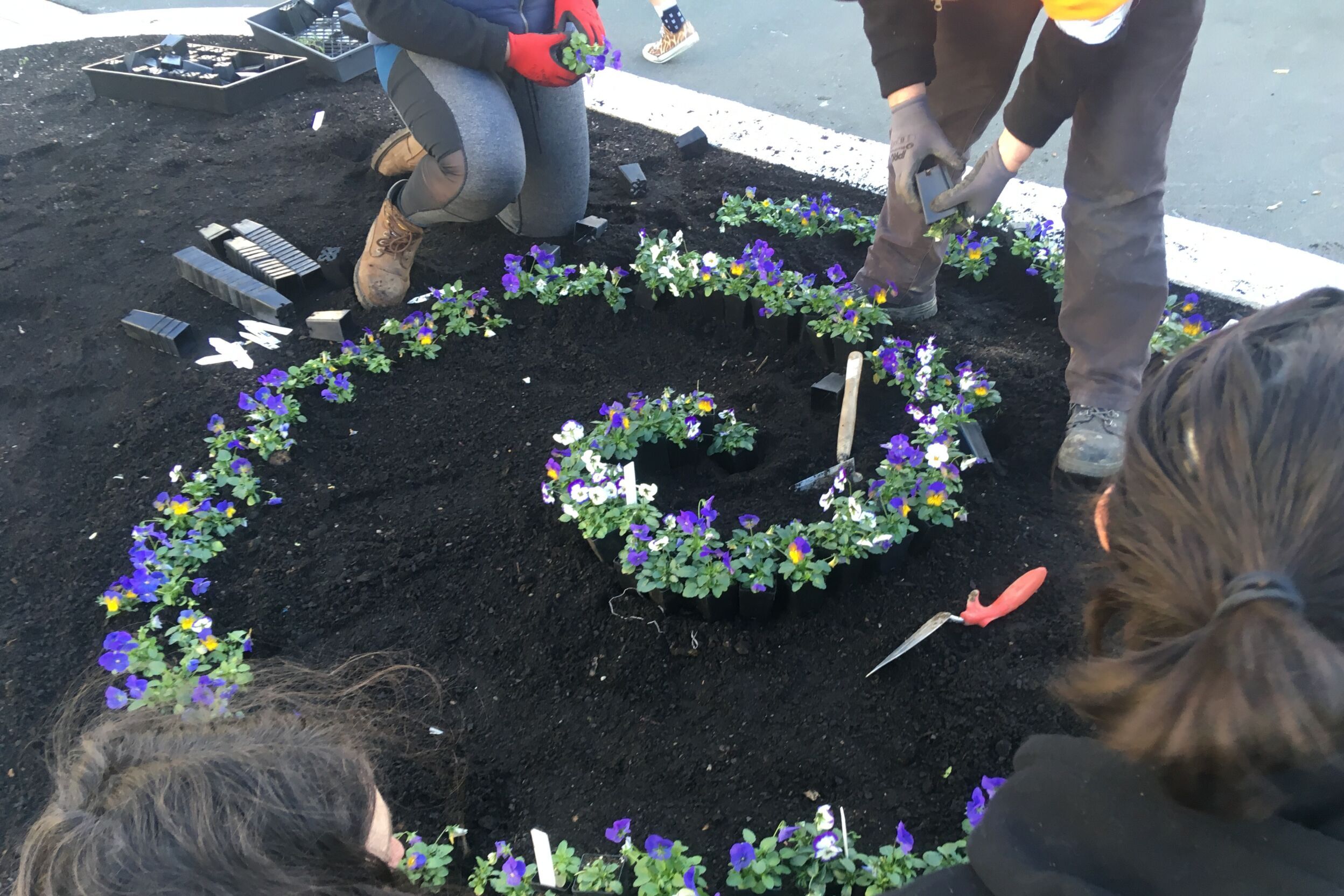
Environmental and Social Benefits
- Diverts more than seven tonnes of organic waste annually, producing up to 14 cubic metres of compost for reuse across gardens, reducing landfill and supporting soil health.
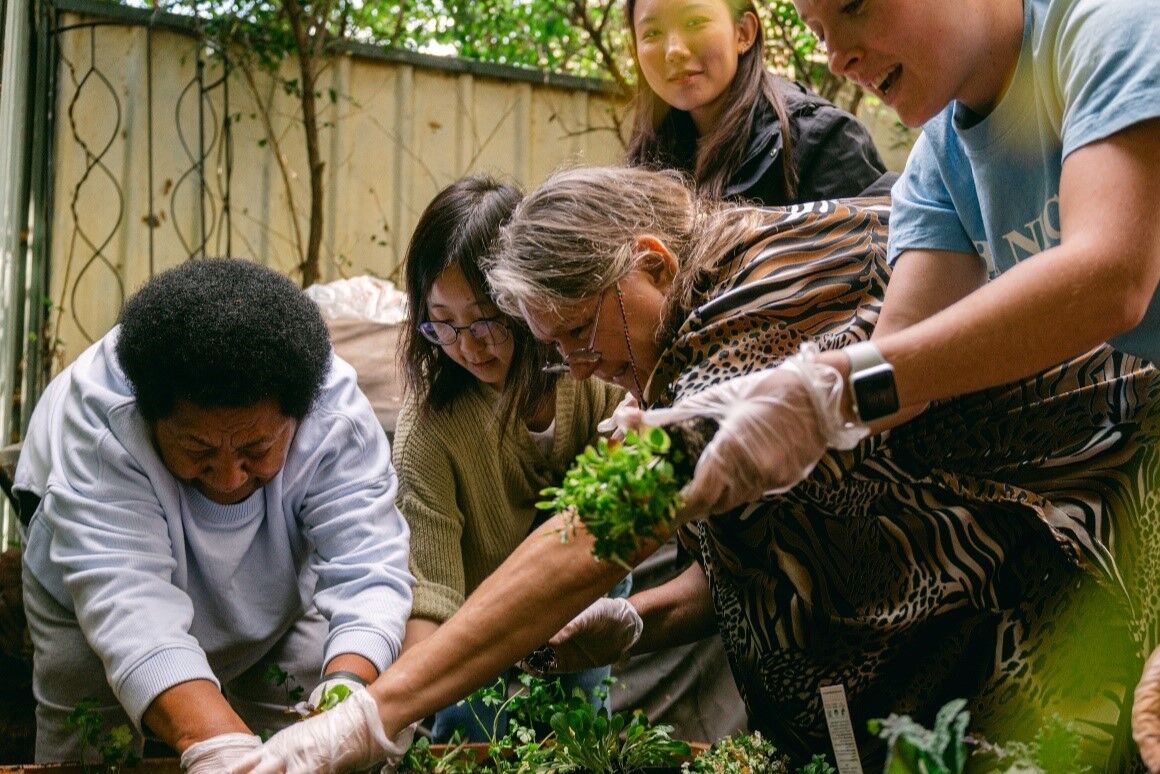
- Provides open-access gardens and green spaces that enhance staff and student wellbeing, foster community connection, and offer therapeutic, cross-cultural, and inclusive learning experiences.
- Shares surplus produce, compost, and sustainability knowledge through public workshops, interpretive signage, and student-led events such as banquets showcasing campus-grown ingredients.
Leadership and Engagement
- Over 5,000 students across every faculty have formally engaged with the Living Campus through integrated coursework, with many more participating in informal and volunteer roles.
- Cross-disciplinary collaboration is central: students in culinary arts, computing, health, horticulture, trades, and design have contributed through practical projects, signage, software, infrastructure, and menus.
- Mana whenua (Māori land rights) partnerships and a commitment to te Tiriti (Treaty of Waitangi) guide planting design, infrastructure, and interpretation, with the Living Campus recognised as a cultural as well as ecological space.
Significance to the Sector
- As Australasia’s first open-air campus dedicated to sustainable practice, it presents a replicable and holistic model that shifts sustainability from “operations” to an educational and cultural identity.
- Features in academic research, international summer schools, media coverage, and Otago Polytechnic’s course promotion, helping to disseminate the model and support replication across Aotearoa and beyond.
- Recognised nationally and internationally for its place-based approach to sustainability, it has inspired similar efforts in other Otago Polytechnic campuses and offers a template for other institutions.
Wider Societal Impact
- Supported newly arrived Syrian refugees through community gardening projects, restoring a sense of belonging and self-sufficiency through food cultivation.
- Welcomes public participation and school visits, offering hands-on sustainability education to children, families, and local organisations beyond the tertiary sector.
- Demonstrates a low-cost, high-impact model for local councils and community groups to transform underutilised space into vibrant, inclusive, and regenerative landscapes.

Top 3 learnings
Supported by

Category finalists
Benefitting Society
Benefitting Society
Benefitting Society
Benefitting Society
Benefitting Society category
Since 2008, Otago Polytechnic’s Living Campus has transformed urban green space into a dynamic, living model of sustainability education and practice. Encompassing edible gardens, native plantings, compost systems, and cultural storytelling, it is not simply a project—it is the physical embodiment of the institution’s values. Integrating permaculture ethics with mātauranga Māori, the Living Campus supports cross-disciplinary learning, community engagement, and wellbeing. It produces compost, reduces emissions, delivers place-based learning across all faculties, and shares food, knowledge, and cultural practices with the wider community. As a whole-of-campus initiative, it has set a national precedent for integrating sustainability visibly and holistically across education, operations, and community life.
Top 3 learnings
Environmental and Social Benefits
- Diverts more than seven tonnes of organic waste annually, producing up to 14 cubic metres of compost for reuse across gardens, reducing landfill and supporting soil health.
- Provides open-access gardens and green spaces that enhance staff and student wellbeing, foster community connection, and offer therapeutic, cross-cultural, and inclusive learning experiences.
- Shares surplus produce, compost, and sustainability knowledge through public workshops, interpretive signage, and student-led events such as banquets showcasing campus-grown ingredients.
Leadership and Engagement
- Over 5,000 students across every faculty have formally engaged with the Living Campus through integrated coursework, with many more participating in informal and volunteer roles.
- Cross-disciplinary collaboration is central: students in culinary arts, computing, health, horticulture, trades, and design have contributed through practical projects, signage, software, infrastructure, and menus.
- Mana whenua (Māori land rights) partnerships and a commitment to te Tiriti (Treaty of Waitangi) guide planting design, infrastructure, and interpretation, with the Living Campus recognised as a cultural as well as ecological space.
Significance to the Sector
- As Australasia’s first open-air campus dedicated to sustainable practice, it presents a replicable and holistic model that shifts sustainability from “operations” to an educational and cultural identity.
- Features in academic research, international summer schools, media coverage, and Otago Polytechnic’s course promotion, helping to disseminate the model and support replication across Aotearoa and beyond.
- Recognised nationally and internationally for its place-based approach to sustainability, it has inspired similar efforts in other Otago Polytechnic campuses and offers a template for other institutions.
Wider Societal Impact
- Supported newly arrived Syrian refugees through community gardening projects, restoring a sense of belonging and self-sufficiency through food cultivation.
- Welcomes public participation and school visits, offering hands-on sustainability education to children, families, and local organisations beyond the tertiary sector.
- Demonstrates a low-cost, high-impact model for local councils and community groups to transform underutilised space into vibrant, inclusive, and regenerative landscapes.
Supported by
Category finalists
Benefitting Society
Benefitting Society
Benefitting Society
Benefitting Society