Benefitting Society category
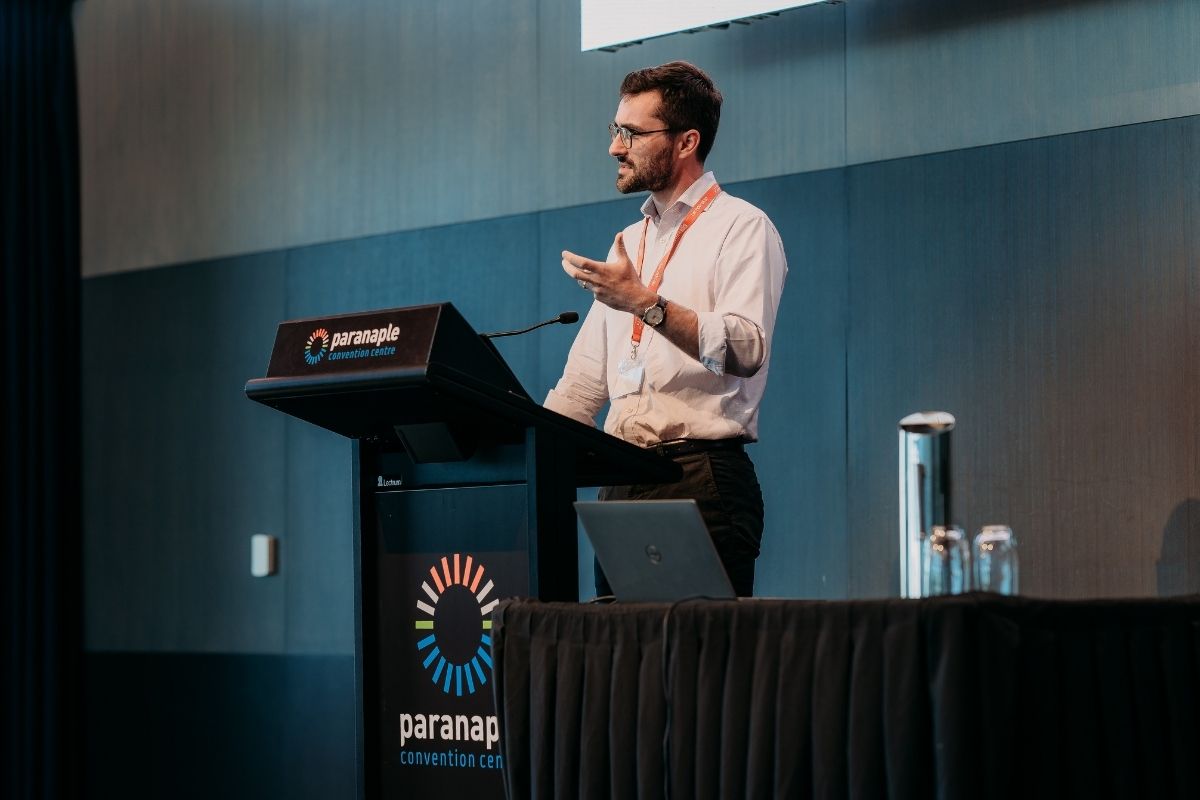
The Tasmanian Policy Exchange (TPE) at the University of Tasmania bridges the gap between academic research and real-world decision-making. As a collaborative hub for policy innovation, TPE partners with state and local governments, industry, and communities to co-design practical, evidence-based responses to Tasmania’s complex sustainability and social challenges. To communicate these responses, in addition to publishing on their website and traditional media, the TPE have created Policy In My Backyard (‘PIMBY’). PIMBY provides short but insightful policy analysis on the things that matter to Tasmanians – from elections to the environment, and healthcare to housing. Through its place-based, outcomes-focused approach, the TPE has influenced climate and sustainability strategy, emissions reduction planning, and local government reform. TPE empowers students, researchers, and communities to contribute meaningfully to policy processes—driving systemic change and building public trust in university expertise.
Environmental and Social Benefits
- Informed the development of Tasmania’s first whole-of-government Sustainability Strategy by synthesising academic research and stakeholder insights, ensuring that the Strategy reflects ecological, social and economic priorities.
- Contributed to Tasmania’s updated Climate Action Plan and emissions reduction commitments by advising on climate legislation and sector-specific targets, including renewable energy and carbon neutrality objectives.
- Developed policy advice and research to improve bushfire emissions reporting and monitoring practices, supporting more accurate accounting of forest carbon and informing climate-positive land management strategies.
Leadership and Engagement
- Mobilised more than 45 academic staff and 9 graduate interns across faculties to co-deliver projects on transport emissions, housing equity, biodiversity, and climate change, embedding interdisciplinary expertise into policymaking.
- Established a trusted, long-term partnership model with government and civil society, providing independent, non-commercial policy input that enhances the credibility and accountability of public decision-making.
- Created publicly accessible research briefings, reports and consultation submissions that are actively used by advocacy organisations, councils, and industry to advance shared sustainability goals.
- Delivered its custom-designed ‘Policy Impact for Researchers’ workshops in Hobart, Burnie, and Launceston. The workshops provide UTas higher-degree research students and early career academics with crucial knowledge of knowledge of politics and policymaking, and the skills to convert their findings into compelling policy briefing documents.
Significance to the Sector
- Offers a replicable model for other universities seeking to deepen civic engagement and align research with regional sustainability transitions, particularly in areas where capacity and resources are limited.
- Contributes to national and sectoral dialogue through policy roundtables, submissions to federal inquiries, and thought leadership via media and public commentary, positioning the university as a convenor of expert insight.
- Demonstrates the unique value of universities as civic institutions—translating complex research into practical, place-sensitive solutions for social and environmental benefit.
Wider Societal Impact
- Shaped state legislation on climate change, voluntary assisted dying, and electoral reform by contributing expert-informed, publicly available research that influenced policy direction and community understanding.
- Provided policy advice on transport decarbonisation, public health, and local government reform, helping improve service delivery, environmental performance, and democratic engagement.
- Enabled students and recent graduates to develop professional skills and networks through internships and placements that directly contribute to government policy and community outcomes.
- Policy In My Backyard (‘PIMBY’) has been a source of information for community members and contributed to policy discussions on important issues facing Tasmania by providing independent, expert advice and information.


Top 3 learnings
Supported by

Category finalists
Benefitting Society
Benefitting Society
Benefitting Society
Benefitting Society
Benefitting Society category
The Tasmanian Policy Exchange (TPE) at the University of Tasmania bridges the gap between academic research and real-world decision-making. As a collaborative hub for policy innovation, TPE partners with state and local governments, industry, and communities to co-design practical, evidence-based responses to Tasmania’s complex sustainability and social challenges. To communicate these responses, in addition to publishing on their website and traditional media, the TPE have created Policy In My Backyard (‘PIMBY’). PIMBY provides short but insightful policy analysis on the things that matter to Tasmanians – from elections to the environment, and healthcare to housing. Through its place-based, outcomes-focused approach, the TPE has influenced climate and sustainability strategy, emissions reduction planning, and local government reform. TPE empowers students, researchers, and communities to contribute meaningfully to policy processes—driving systemic change and building public trust in university expertise.
Top 3 learnings
Environmental and Social Benefits
- Informed the development of Tasmania’s first whole-of-government Sustainability Strategy by synthesising academic research and stakeholder insights, ensuring that the Strategy reflects ecological, social and economic priorities.
- Contributed to Tasmania’s updated Climate Action Plan and emissions reduction commitments by advising on climate legislation and sector-specific targets, including renewable energy and carbon neutrality objectives.
- Developed policy advice and research to improve bushfire emissions reporting and monitoring practices, supporting more accurate accounting of forest carbon and informing climate-positive land management strategies.
Leadership and Engagement
- Mobilised more than 45 academic staff and 9 graduate interns across faculties to co-deliver projects on transport emissions, housing equity, biodiversity, and climate change, embedding interdisciplinary expertise into policymaking.
- Established a trusted, long-term partnership model with government and civil society, providing independent, non-commercial policy input that enhances the credibility and accountability of public decision-making.
- Created publicly accessible research briefings, reports and consultation submissions that are actively used by advocacy organisations, councils, and industry to advance shared sustainability goals.
- Delivered its custom-designed ‘Policy Impact for Researchers’ workshops in Hobart, Burnie, and Launceston. The workshops provide UTas higher-degree research students and early career academics with crucial knowledge of knowledge of politics and policymaking, and the skills to convert their findings into compelling policy briefing documents.
Significance to the Sector
- Offers a replicable model for other universities seeking to deepen civic engagement and align research with regional sustainability transitions, particularly in areas where capacity and resources are limited.
- Contributes to national and sectoral dialogue through policy roundtables, submissions to federal inquiries, and thought leadership via media and public commentary, positioning the university as a convenor of expert insight.
- Demonstrates the unique value of universities as civic institutions—translating complex research into practical, place-sensitive solutions for social and environmental benefit.
Wider Societal Impact
- Shaped state legislation on climate change, voluntary assisted dying, and electoral reform by contributing expert-informed, publicly available research that influenced policy direction and community understanding.
- Provided policy advice on transport decarbonisation, public health, and local government reform, helping improve service delivery, environmental performance, and democratic engagement.
- Enabled students and recent graduates to develop professional skills and networks through internships and placements that directly contribute to government policy and community outcomes.
- Policy In My Backyard (‘PIMBY’) has been a source of information for community members and contributed to policy discussions on important issues facing Tasmania by providing independent, expert advice and information.
Supported by
Category finalists
Benefitting Society
Benefitting Society
Benefitting Society
Benefitting Society