Sustainability Institution of the Year category
The University of Tasmania (UTAS) continues to lead as a sustainability institution, demonstrating significant advancements in holistic sustainability practices across its campuses. Building on its long-standing commitment to the Sustainable Development Goals (SDGs), UTAS has implemented a series of bold initiatives since its 2021 Green Gown Award win, including an elevation in its Sustainability Tracking, Assessment & Rating System (STARS) to Gold, and a steady rise in the Times Higher Education Impact Rankings, achieving equal 2nd place globally in 2024. The university’s approach is embedded into its Strategic Plan (2019-2024) and even more deeply integrated into its strategy refresh for 2025 and beyond, with sustainability integral to every facet of its operations, curriculum, research and community engagement.
Environmental and Social Benefits
- Carbon Neutral Leadership: UTAS has maintained its Commonwealth Climate Active carbon neutral certification since 2016 and continues to drive emissions reductions through its Emissions Reduction Strategic Plan, targeting a minimum 50% reduction in gross emissions by 2030 on a 2015 baseline.
- Waste Reduction and Circular Economy: The university has implemented a comprehensive Waste Minimisation Action Plan, achieving significant reductions in waste to landfill through initiatives like organic waste collection, recycling walls for non-standard recyclables, and an innovative Re-Use Program that has saved over $1.1 million and avoided more than 450 tonnes of CO2 emissions since 2017.
- Socio-Cultural Sustainability: UTAS has prioritised social equity through initiatives like its Healthy Sustainable and Equitable Food Strategic Plan, mental health and wellbeing programs, and efforts to close the gender pay gap, which is now among the smallest in the sector at 6.9%.
Leadership and Engagement
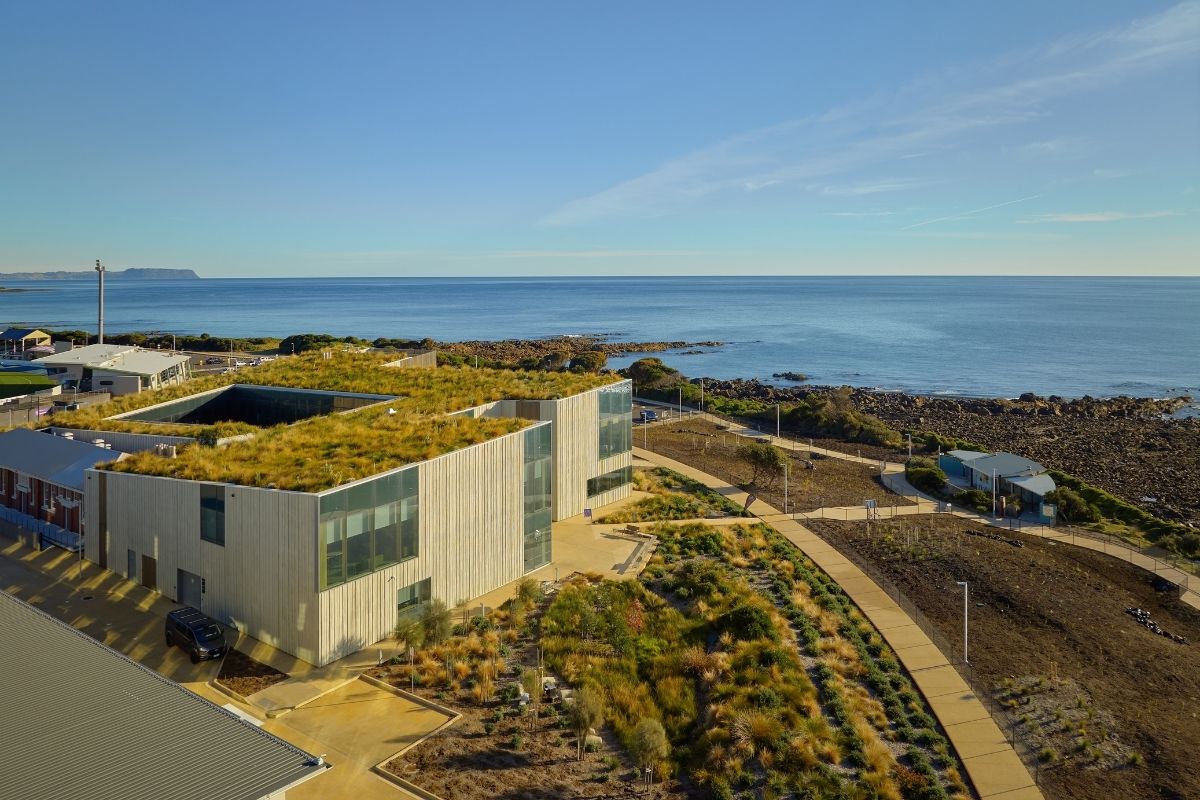
- Strategic Leadership: The appointment of the first Chief Sustainability Officer in Australasian higher education and the establishment of a dedicated Sustainability Centre on the Sandy Bay campus underscore UTAS’s leadership commitment. The university’s senior management actively supports sustainability initiatives, resulting in increased institutional buy-in and widespread participation.
- Student and Staff Involvement: UTAS has engaged hundreds of staff and students in its sustainability journey through governance, educational programs, and hands-on projects. The Sustainability Integration Program for Students (SIPS) and the new Sustainability Placement Experience unit, the University Global Opportunities (UniGO) program and the Sustainability University Major (SUM) have seen significant growth, with the latter expected to surpass 250 students by 2025.
- Community Impact: UTAS’s partnerships with local government and community organisations have led to impactful initiatives like the Kelcey Tiers Greenbelt Reserve BioBlitz and contributions to Tasmanian climate and environmental policies through the Tasmanian Policy Exchange.
Significance to the Sector
- Innovative Practices: UTAS has set a new standard in the sector with its holistic approach to sustainability, including the integration of innovative new low-carbon materials, such as Hempcrete, in building projects and the transition to a fully electric fleet by the end of 2024. The university’s use of Green Bonds to fund sustainable development projects exemplifies its innovative financial strategies for sustainability.
- Global Leadership and Recognition: UTAS’s consistent improvement in the Times Higher Education Impact Rankings and its STARS Gold rating position the university as a global leader in sustainability. Its leadership roles in networks like the Nature Positive Universities network and the Climate Action Barometer further highlight its influence in the international sustainability arena.
- Replicable Model: The university’s comprehensive approach, which includes embedding sustainability across its curriculum, operations, research and community engagement, offers a replicable model for other institutions seeking to achieve similar sustainability goals.
Wider Societal Impact
- Policy Influence and Advocacy: UTAS’s contributions to policy development, particularly through the Tasmanian Policy Exchange, have influenced state-wide environmental and sustainability legislation, demonstrating the university’s broader societal impact.
- Educational and Research Contributions: The university’s focus on sustainability in education and research, including its leadership in climate change research and its collaboration with global organisations like the IPCC, has positioned UTAS as a key player in advancing global sustainability knowledge and practices.
- Economic and Environmental Resilience: Through its sustainable practices and educational programs, UTAS is not only enhancing its own resilience but also contributing to Tasmania’s economic and environmental sustainability, particularly in areas like renewable energy and biodiversity conservation.
The University of Tasmania’s comprehensive and forward-thinking approach to sustainability continues to set benchmarks in the higher education sector. Through innovative leadership, extensive student and staff engagement, and a commitment to social and environmental equity, UTAS exemplifies what it means to be a Sustainability Institution of the Year. Its holistic integration of sustainability into every aspect of its operations, combined with its significant contributions to global sustainability efforts, positions UTAS as a leader and a model for other institutions worldwide.

Top 3 learnings
Supported by

Category finalists

Sustainability Institution of the Year/Winners
Sustainability Institution of the Year/Winners
Sustainability Institution of the Year
Sustainability Institution of the Year
Sustainability Institution of the Year category
The University of Tasmania (UTAS) continues to lead as a sustainability institution, demonstrating significant advancements in holistic sustainability practices across its campuses. Building on its long-standing commitment to the Sustainable Development Goals (SDGs), UTAS has implemented a series of bold initiatives since its 2021 Green Gown Award win, including an elevation in its Sustainability Tracking, Assessment & Rating System (STARS) to Gold, and a steady rise in the Times Higher Education Impact Rankings, achieving equal 2nd place globally in 2024. The university’s approach is embedded into its Strategic Plan (2019-2024) and even more deeply integrated into its strategy refresh for 2025 and beyond, with sustainability integral to every facet of its operations, curriculum, research and community engagement.
Top 3 learnings
Environmental and Social Benefits
- Carbon Neutral Leadership: UTAS has maintained its Commonwealth Climate Active carbon neutral certification since 2016 and continues to drive emissions reductions through its Emissions Reduction Strategic Plan, targeting a minimum 50% reduction in gross emissions by 2030 on a 2015 baseline.
- Waste Reduction and Circular Economy: The university has implemented a comprehensive Waste Minimisation Action Plan, achieving significant reductions in waste to landfill through initiatives like organic waste collection, recycling walls for non-standard recyclables, and an innovative Re-Use Program that has saved over $1.1 million and avoided more than 450 tonnes of CO2 emissions since 2017.
- Socio-Cultural Sustainability: UTAS has prioritised social equity through initiatives like its Healthy Sustainable and Equitable Food Strategic Plan, mental health and wellbeing programs, and efforts to close the gender pay gap, which is now among the smallest in the sector at 6.9%.
Leadership and Engagement
- Strategic Leadership: The appointment of the first Chief Sustainability Officer in Australasian higher education and the establishment of a dedicated Sustainability Centre on the Sandy Bay campus underscore UTAS’s leadership commitment. The university’s senior management actively supports sustainability initiatives, resulting in increased institutional buy-in and widespread participation.
- Student and Staff Involvement: UTAS has engaged hundreds of staff and students in its sustainability journey through governance, educational programs, and hands-on projects. The Sustainability Integration Program for Students (SIPS) and the new Sustainability Placement Experience unit, the University Global Opportunities (UniGO) program and the Sustainability University Major (SUM) have seen significant growth, with the latter expected to surpass 250 students by 2025.
- Community Impact: UTAS’s partnerships with local government and community organisations have led to impactful initiatives like the Kelcey Tiers Greenbelt Reserve BioBlitz and contributions to Tasmanian climate and environmental policies through the Tasmanian Policy Exchange.
Significance to the Sector
- Innovative Practices: UTAS has set a new standard in the sector with its holistic approach to sustainability, including the integration of innovative new low-carbon materials, such as Hempcrete, in building projects and the transition to a fully electric fleet by the end of 2024. The university’s use of Green Bonds to fund sustainable development projects exemplifies its innovative financial strategies for sustainability.
- Global Leadership and Recognition: UTAS’s consistent improvement in the Times Higher Education Impact Rankings and its STARS Gold rating position the university as a global leader in sustainability. Its leadership roles in networks like the Nature Positive Universities network and the Climate Action Barometer further highlight its influence in the international sustainability arena.
- Replicable Model: The university’s comprehensive approach, which includes embedding sustainability across its curriculum, operations, research and community engagement, offers a replicable model for other institutions seeking to achieve similar sustainability goals.
Wider Societal Impact
- Policy Influence and Advocacy: UTAS’s contributions to policy development, particularly through the Tasmanian Policy Exchange, have influenced state-wide environmental and sustainability legislation, demonstrating the university’s broader societal impact.
- Educational and Research Contributions: The university’s focus on sustainability in education and research, including its leadership in climate change research and its collaboration with global organisations like the IPCC, has positioned UTAS as a key player in advancing global sustainability knowledge and practices.
- Economic and Environmental Resilience: Through its sustainable practices and educational programs, UTAS is not only enhancing its own resilience but also contributing to Tasmania’s economic and environmental sustainability, particularly in areas like renewable energy and biodiversity conservation.
The University of Tasmania’s comprehensive and forward-thinking approach to sustainability continues to set benchmarks in the higher education sector. Through innovative leadership, extensive student and staff engagement, and a commitment to social and environmental equity, UTAS exemplifies what it means to be a Sustainability Institution of the Year. Its holistic integration of sustainability into every aspect of its operations, combined with its significant contributions to global sustainability efforts, positions UTAS as a leader and a model for other institutions worldwide.
Supported by
Category finalists
Sustainability Institution of the Year/Winners
Sustainability Institution of the Year/Winners
Sustainability Institution of the Year
Sustainability Institution of the Year