Sustainability Institution of the Year category
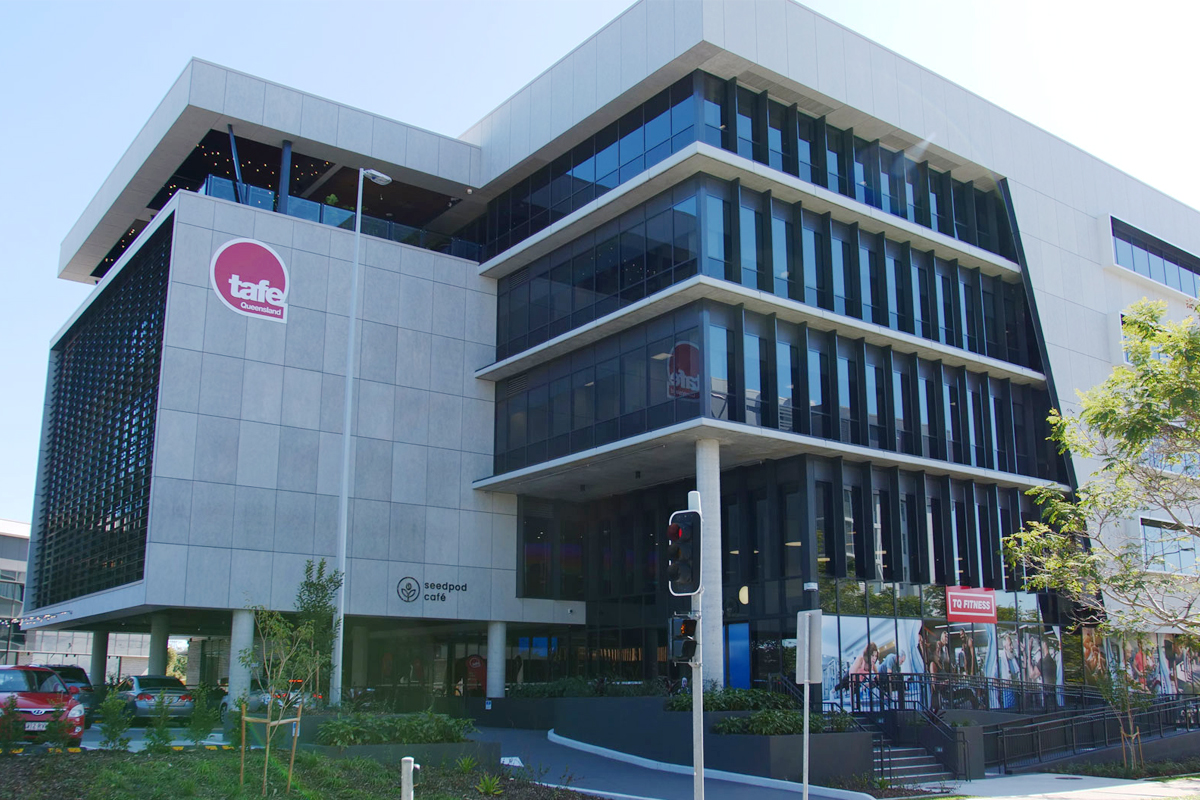
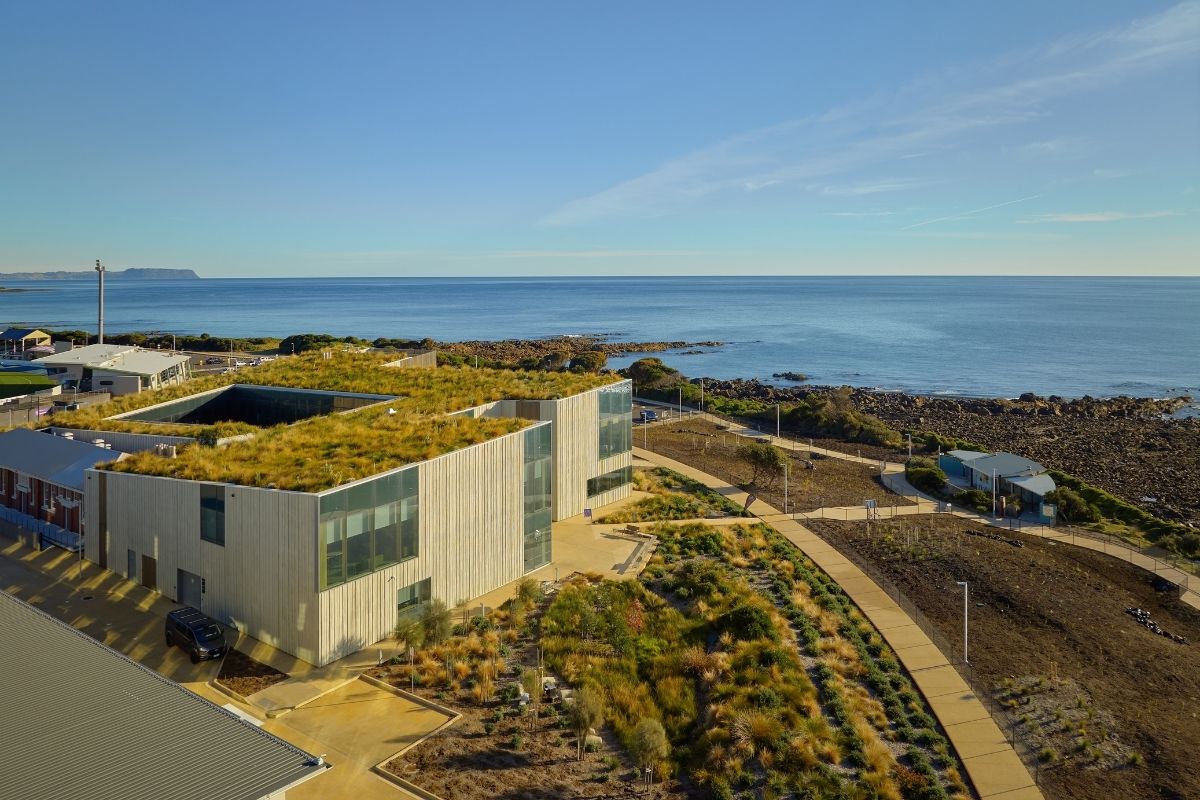
TAFE Queensland’s Robina Campus stands as a model of sustainability in vocational education, embodying the principles of the United Nations Sustainable Development Goals (SDGs) across its operations, curriculum, and community engagement. Opened in July 2022, the campus has been purposefully designed to integrate sustainability into every facet of its infrastructure and educational approach. With a commitment to creating a dynamic learning environment, the campus features state-of-the-art facilities, eco-friendly live training venues, and a curriculum that embeds sustainability practices throughout. This initiative has positioned the Robina Campus as a leader in sustainability within the educational sector, with a focus on fostering a culture of environmental stewardship among students, staff, and the broader community.
Environmental and Social Benefits
- Significant Waste Reduction: The campus has achieved a 67% reduction in landfill waste and a 56% reduction in water consumption since opening, supported by rigorous recycling programs and the use of a 24-hour composter that turns organic waste into soil conditioner for a local urban farm.
- Energy Efficiency: Approximately 25% of the campus’s energy needs are met through solar power, with additional solar installations planned. The use of energy-efficient equipment and a Building Management System (BMS) further optimises energy consumption.
- Community Engagement: The campus engages students, staff, and the local community in sustainability initiatives, such as waste reduction campaigns, partnerships with local farms, and educational workshops, fostering a shared commitment to environmental responsibility.
Leadership and Engagement
- Collaborative Governance: The project was guided by a robust governance structure, including a Steering Committee and sub-committees that oversaw every aspect of the campus’s development. This collaborative approach ensured alignment with the SDGs and fostered strong engagement from all stakeholders.
- Professional Development: All educators at the Robina Campus underwent a nine-month professional learning program to embed sustainability knowledge into their teaching practices. This initiative ensures that sustainability is not only taught but also practiced and modelled within the campus community.
- Active Partnerships: The campus has formed partnerships with local businesses, schools, and non-profits to enhance training and employment outcomes while advancing the SDGs. These partnerships have been critical in creating a campus environment that is both educational and sustainable.
Significance to the Sector
- Innovative Design and Curriculum: As the first vocational education and training campus in Australia to be designed with such a comprehensive focus on sustainability, the Robina Campus sets a new standard for the sector. Its integration of recycled materials in the building fit-out, eco-friendly live training facilities, and technology-enabled learning spaces exemplifies best practices in sustainable education.
- Global Recognition: The campus has earned multiple accolades, including a Silver Award of Excellence from the World Federation of Colleges and Polytechnics (WFCP) for Sustainable Development Goals and a Silver Rating in the Sustainability Tracking Assessment and Rating System (STARS). These achievements highlight the campus’s leadership in sustainability on an international scale.
- Replicability and Impact: The innovative approaches and successful outcomes of the Robina Campus are being shared across TAFE Queensland’s 60 campuses and beyond, providing a replicable model for other educational institutions worldwide. The campus serves as a case study in how to effectively integrate sustainability into vocational education and training.
Wider Societal Impact
- Economic Growth and Job Creation: The Robina Campus has driven significant economic growth in the local community, with a 376% increase in student enrolments and a corresponding rise in employment opportunities. The campus’s focus on green skills training ensures that graduates are well-equipped to contribute to the emerging green economy.
- Social Equity and Inclusion: The campus promotes inclusivity and social equity through its accessible and flexible learning spaces, which are designed to support all students, including those with disabilities. The emphasis on gender equality and well-being further strengthens the campus’s role in advancing social sustainability.
- Cultural and Environmental Stewardship: By embedding sustainability into the curriculum and campus culture, the Robina Campus instils a sense of environmental stewardship in its students and staff. This commitment extends to the broader community through public events, partnerships, and ongoing education initiatives that promote sustainable practices.
TAFE Queensland’s Robina Campus is a shining example of how vocational education can lead the way in sustainability. Through its innovative design, comprehensive curriculum, and strong community engagement, the campus not only provides high-quality education but also serves as a catalyst for environmental and social change. Its success as a sustainability leader within the educational sector underscores the importance of integrating the SDGs into all aspects of institutional operations and highlights the campus’s potential to inspire similar initiatives globally.
Top 3 learnings
Supported by

Category finalists

Sustainability Institution of the Year/Winners
Sustainability Institution of the Year/Winners
Sustainability Institution of the Year
Sustainability Institution of the Year
Sustainability Institution of the Year category
TAFE Queensland’s Robina Campus stands as a model of sustainability in vocational education, embodying the principles of the United Nations Sustainable Development Goals (SDGs) across its operations, curriculum, and community engagement. Opened in July 2022, the campus has been purposefully designed to integrate sustainability into every facet of its infrastructure and educational approach. With a commitment to creating a dynamic learning environment, the campus features state-of-the-art facilities, eco-friendly live training venues, and a curriculum that embeds sustainability practices throughout. This initiative has positioned the Robina Campus as a leader in sustainability within the educational sector, with a focus on fostering a culture of environmental stewardship among students, staff, and the broader community.
Top 3 learnings
Environmental and Social Benefits
- Significant Waste Reduction: The campus has achieved a 67% reduction in landfill waste and a 56% reduction in water consumption since opening, supported by rigorous recycling programs and the use of a 24-hour composter that turns organic waste into soil conditioner for a local urban farm.
- Energy Efficiency: Approximately 25% of the campus’s energy needs are met through solar power, with additional solar installations planned. The use of energy-efficient equipment and a Building Management System (BMS) further optimises energy consumption.
- Community Engagement: The campus engages students, staff, and the local community in sustainability initiatives, such as waste reduction campaigns, partnerships with local farms, and educational workshops, fostering a shared commitment to environmental responsibility.
Leadership and Engagement
- Collaborative Governance: The project was guided by a robust governance structure, including a Steering Committee and sub-committees that oversaw every aspect of the campus’s development. This collaborative approach ensured alignment with the SDGs and fostered strong engagement from all stakeholders.
- Professional Development: All educators at the Robina Campus underwent a nine-month professional learning program to embed sustainability knowledge into their teaching practices. This initiative ensures that sustainability is not only taught but also practiced and modelled within the campus community.
- Active Partnerships: The campus has formed partnerships with local businesses, schools, and non-profits to enhance training and employment outcomes while advancing the SDGs. These partnerships have been critical in creating a campus environment that is both educational and sustainable.
Significance to the Sector
- Innovative Design and Curriculum: As the first vocational education and training campus in Australia to be designed with such a comprehensive focus on sustainability, the Robina Campus sets a new standard for the sector. Its integration of recycled materials in the building fit-out, eco-friendly live training facilities, and technology-enabled learning spaces exemplifies best practices in sustainable education.
- Global Recognition: The campus has earned multiple accolades, including a Silver Award of Excellence from the World Federation of Colleges and Polytechnics (WFCP) for Sustainable Development Goals and a Silver Rating in the Sustainability Tracking Assessment and Rating System (STARS). These achievements highlight the campus’s leadership in sustainability on an international scale.
- Replicability and Impact: The innovative approaches and successful outcomes of the Robina Campus are being shared across TAFE Queensland’s 60 campuses and beyond, providing a replicable model for other educational institutions worldwide. The campus serves as a case study in how to effectively integrate sustainability into vocational education and training.
Wider Societal Impact
- Economic Growth and Job Creation: The Robina Campus has driven significant economic growth in the local community, with a 376% increase in student enrolments and a corresponding rise in employment opportunities. The campus’s focus on green skills training ensures that graduates are well-equipped to contribute to the emerging green economy.
- Social Equity and Inclusion: The campus promotes inclusivity and social equity through its accessible and flexible learning spaces, which are designed to support all students, including those with disabilities. The emphasis on gender equality and well-being further strengthens the campus’s role in advancing social sustainability.
- Cultural and Environmental Stewardship: By embedding sustainability into the curriculum and campus culture, the Robina Campus instils a sense of environmental stewardship in its students and staff. This commitment extends to the broader community through public events, partnerships, and ongoing education initiatives that promote sustainable practices.
TAFE Queensland’s Robina Campus is a shining example of how vocational education can lead the way in sustainability. Through its innovative design, comprehensive curriculum, and strong community engagement, the campus not only provides high-quality education but also serves as a catalyst for environmental and social change. Its success as a sustainability leader within the educational sector underscores the importance of integrating the SDGs into all aspects of institutional operations and highlights the campus’s potential to inspire similar initiatives globally.
Supported by
Category finalists
Sustainability Institution of the Year/Winners
Sustainability Institution of the Year/Winners
Sustainability Institution of the Year
Sustainability Institution of the Year