Creating Impact/Winners category
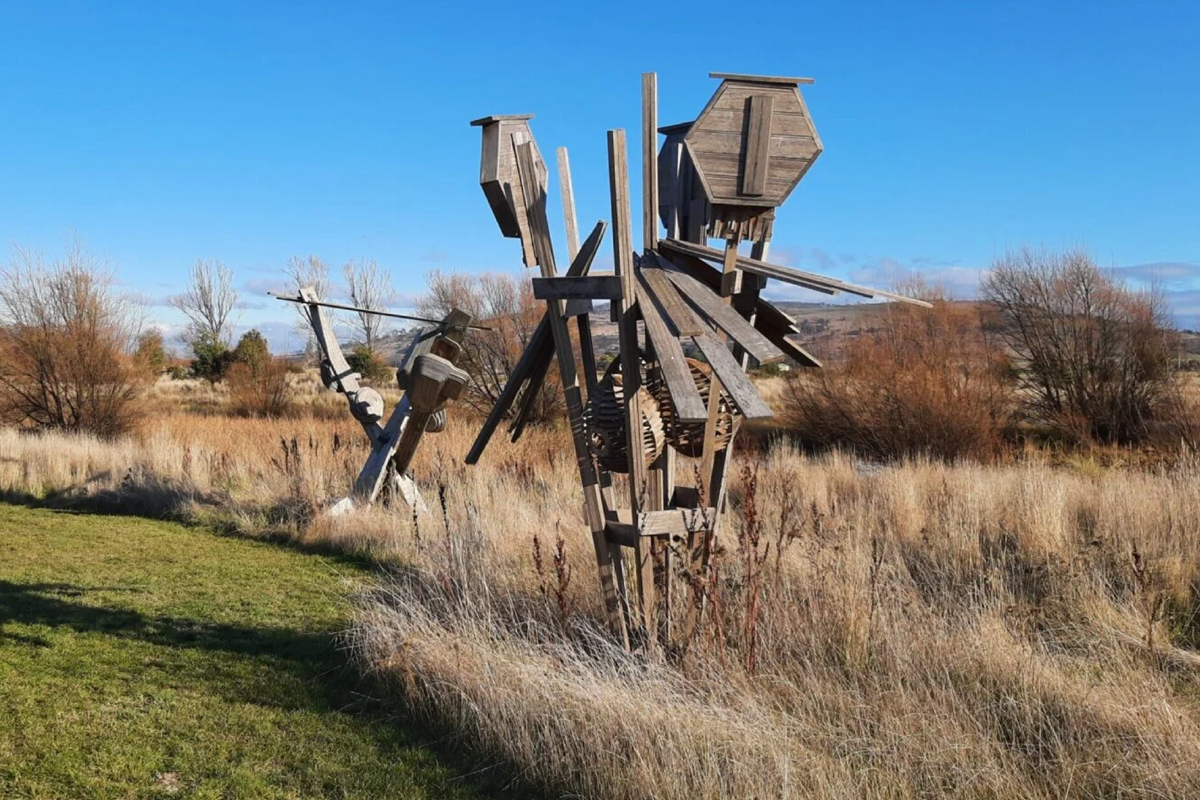
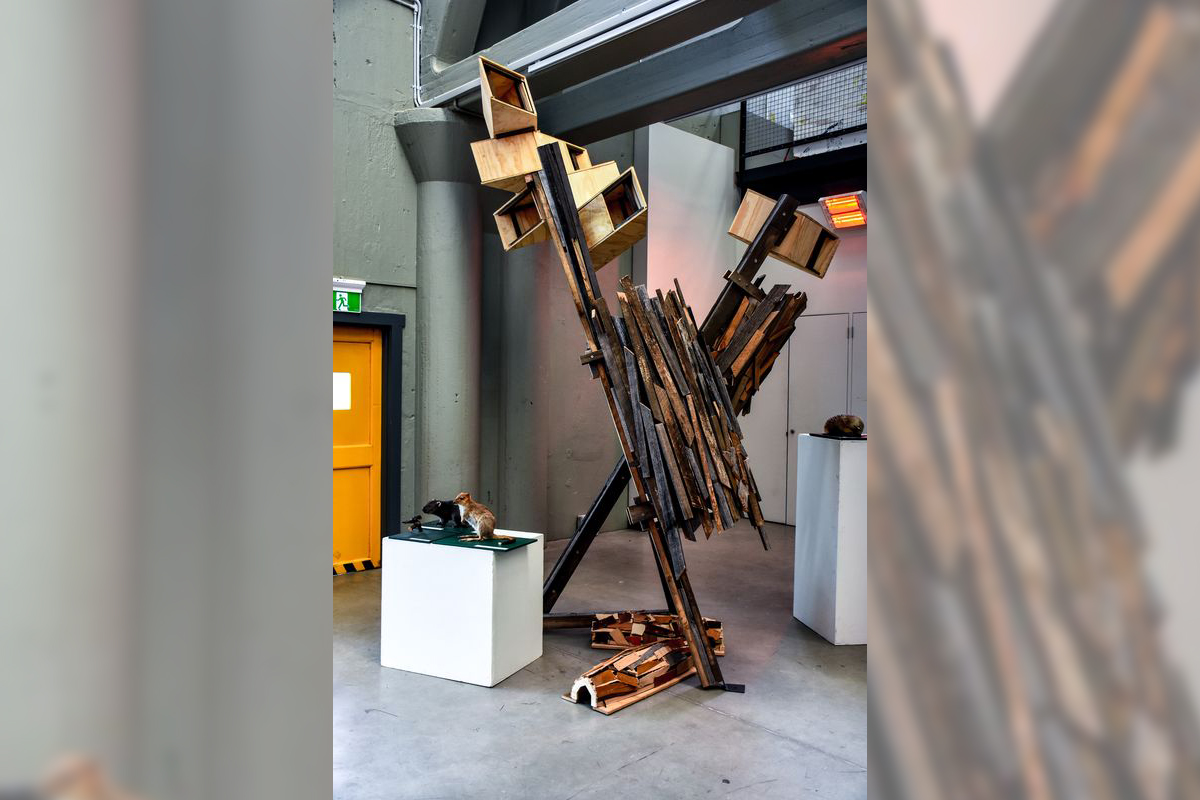
Species Hotel began in 2016 as a ‘learning by making’ project for first year students in University of Tasmania’s Architecture and Design course. The challenge for groups of students was to design and build a timber structure (mounted on a standard pallet) that would be relocated to the Midlands area of Tasmania to provide habitat for threatened native animals, insects and birds. In particular, many of the species hotel sculptures provide homes for small biota such as native bees, insects, microbats and woodland birds (mostly pardalotes, fantails etc). Right from the beginning, students embraced not only the challenge of providing homes for these creatures, but their desire to create objects of interest and beauty, resulting in a strongly sculptural aspect to the finished objects.
A $5000 Ian Potter grant was all that was available to get the project started and initially it was thought that only one species hotel would be constructed. However, through careful management and due to the availability of materials that could be reused and repurposed, a total of four species hotels were constructed and installed at Ross, Tasmania.
The project was an instant hit with both students (many of whom later reported that it was their favourite project throughout their degree) and the Ross community (ultimately resulting in it being fully incorporated into the village’s tourism infrastructure and promotions). This meant that despite little additional funding being available, another four species hotels were constructed during each of the next three years (at Ross and other locations) using funding from the Architecture and Design budget.
Almost from the outset, the project sought to partner with a wide range of individuals, schools, other parts of UTAS, Aboriginal groups, environmental groups, and the wider community. A key partner at all stages has been Greening Australia, whose technical support has been invaluable, as well as its ability to reach a wide audience in its communications about the project. Opportunities arose for sharing the project’s story in scientific and design journals, mainstream media, conferences, arts festivals, a podcast and through social media (#specieshotel). All of these increased its impact exponentially despite only occasional modest injections of additional funding.
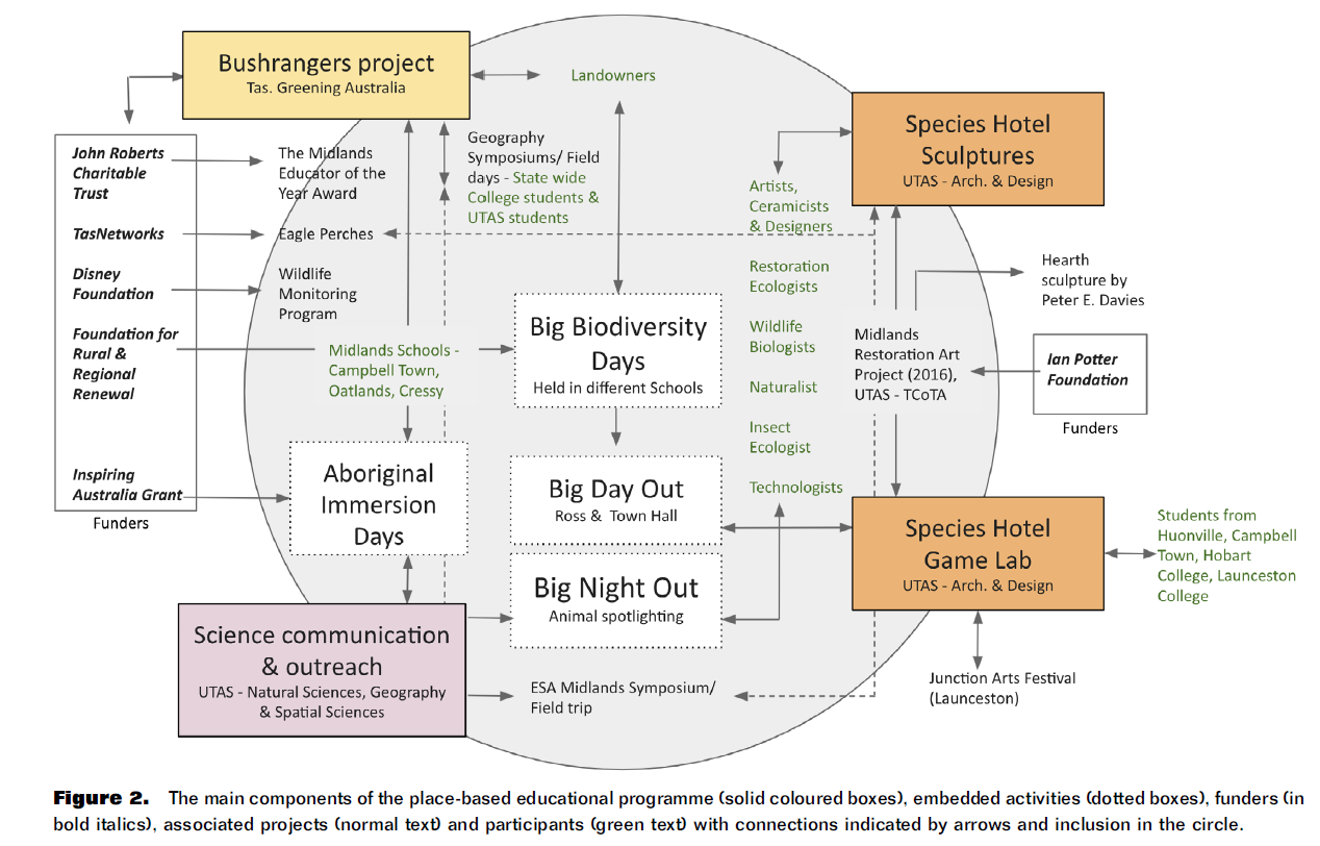
The following diagram (which originally featured in the article “From little things, big things grow: Building connections through place-based education in the Tasmanian Midlands biodiversity hotspot”, by Louise Wallis, Michael Hornblow, Nel Smit, David Mangenner Gough, Kit Wise and Tanya Bailey) communicates the extensive network that developed between the Species Hotel project at UTAS, Greening Australia and the wider community:
In 2020, in the midst of the COVID pandemic, the project actually expanded, with the end of an extended lockdown period giving the subsequent construction session a celebratory tone and resulting in not four, but six structures being built. The program is now a permanent fixture in the Architecture and Design first-year program, with 21 species hotels built (between 2016 and the end of 2022) and direct involvement of almost 600 people.
In addition to the people directly involved, an immeasurable number of people have been influenced by the project through the following articles, events, conference appearances and awards (all of which are listed in the section about the dissemination of information about the ). In terms of the wildlife itself, there is clear evidence that the species hotels are providing valuable habitat, particularly for invertebrates, small vertebrates and birds. Project Coordinator Louise Wallis points out that, ‘I haven’t seen one that doesn’t have some form of habitation … and the best way to tell which ones are the most popular is by the amount of bird poo on them!’* The next step for the project will be formal monitoring of the contribution of the species hotels to biodiversity restoration, an activity that will provide further opportunities for engagement with students in UTAS’ School of Natural Sciences.
Environmental and social benefits
Arguably the biggest environmental and social benefit of the Species Hotel project is that every first year Architecture and Design student since 2016 at the University of Tasmania has commenced their studies with a project of national biodiversity conservation significance that has taught them to consider the impact of their designs on all life forms, not just humans. Along with the other location-specific aspects of the course and UTAS’ overall commitment to sustainability, this means that the project will be contributing to a generation of architects for whom sustainability is front and centre in their consciousness. This will have immeasurable benefit for both the profession of architecture and wider society in terms of the approach these architects and designers take throughout their careers.
The other big environmental benefit of the project is through the protection and enhancement of biodiversity values in Tasmania’s Midlands. Significant numbers of animals, insects and birds are benefitting from the presence of the species hotels. Each year, thousands of visitors to the site at Ross, plus the tens of thousands who visit Agfest (Australia’s largest agricultural field day), where four species hotels are positioned along the event’s entry boulevard), are educated about biodiversity through the species hotels and related interpretive signs and weblinks.
In terms of social impacts, the network of connections that the project has created is extensive (see previous diagram). Interestingly, project coordinators have found intergenerational connections to be really important. For example, dozens of Campbell Town school students have been involved, to the point where some of the students designed their own little biodiversity habitats (in the form of chairs rather than hotels).
Leadership and engagement
This proposal is distinctive from a leadership and engagement perspective in a number of ways, including:
- It demonstrates that the right project can have an enormous impact without requiring staff dedicated specifically to the particular project (in other words, that an ‘off the side of the desk’ project can still be impactful, at least during its establishment phase).
- It shows the importance of projects that have widespread appeal and that capture the imagination of a wide range of stakeholders. This enables much wider networking and therefore greater impact than would be possible with a project that only appealed to a limited range of participants.
- The project encourages ‘ordinary’ university staff to consider similar projects as it has not required high level endorsement or support, instead being run by academic staff within the context of their normal program of activities.
Significance to the sector
The Species Hotel project is distinct in many ways, including:
- Unlike many sustainability projects that have a large impact, it has not required very much funding or even specifically assigned staff
- It has engendered an extraordinary breadth and depth of voluntary involvement
- It has brought together a wide range of people and groups both from within and outside the university
- It has attracted extensive media coverage and resulted in a myriad of opportunities for UTAS to share its message of sustainability with a wide and varied audience throughout Australia and globally
- It is making a real and direct contribution to biodiversity conservation by communicating about the need for habitat generally, as well as providing functioning habit to smaller animals in the food chain.
Wider societal impact
As previously mentioned, the project has involved a large number and variety of groups outside the university.
Another example of how it is impacting wider society is the way four species hotels have been incorporated into the entry boulevard of Agfest, an agricultural field day attended by around 60,000 people annually. Since 2019, including exhibitors and Agfest volunteers, this would mean that many hundreds of thousands of people from all walks of life (but particularly farmers and other people living in rural locations) have been exposed to the Species Hotel project.
Additionally, the creation of the Species Hotel Sculpture Walk at Ross, is ensuring that many thousands more people are learning about the project each year while visiting the village.
Learner/Graduate employer impact
As mentioned, even if only looking at the project from the point of view of graduates of the Architecture and Design course, the value of the Species Hotel project is considerable because the students who have been involved are able to point to project where they have integrated their design skills with sustainability in a real and highly valuable way. The students have also had to work together in a team and with individuals and groups representing diverse disciplines (ranging from science to the arts). The sheer enthusiasm that the project has engendered is also likely to stand students in good stead as they give accounts of their involvement to potential employers.


Top 3 learnings
Supported by

Category finalists
Climate Action/Winners
Climate Action/Winners
Benefitting Society/Winners
Benefitting Society/Winners
Sustainability Champion – Student/Winners
Sustainability Champion – Student/Winners
Creating Impact/Winners
Creating Impact/Winners
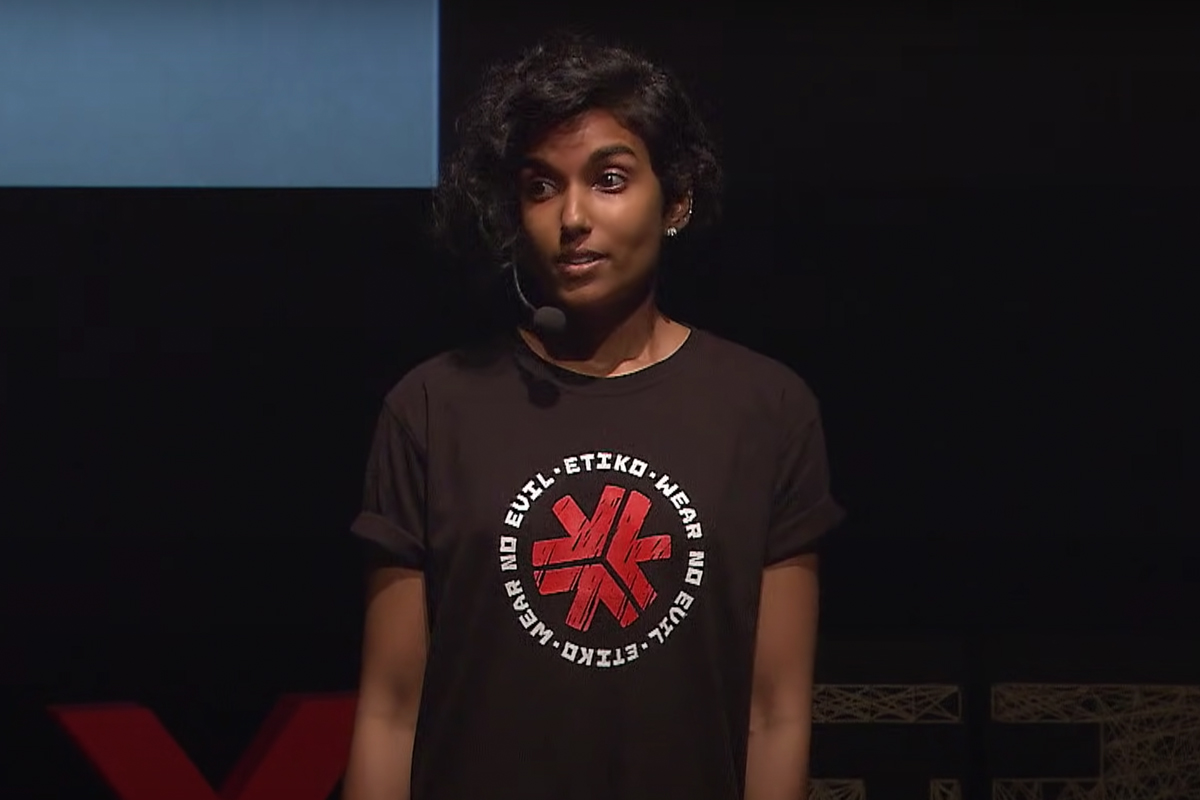
Sustainability Champion – Student/Winners
Sustainability Champion – Student/Winners
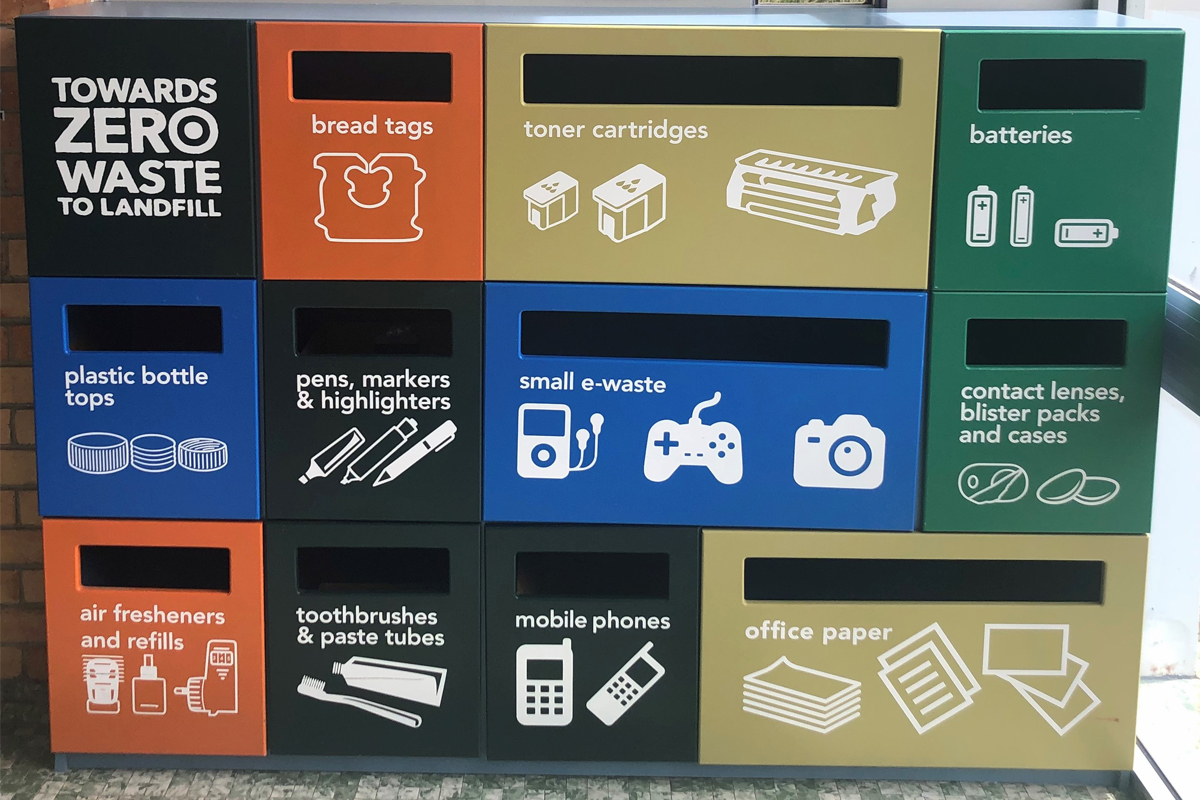
Leading the Circular Economy/Winners
Leading the Circular Economy/Winners
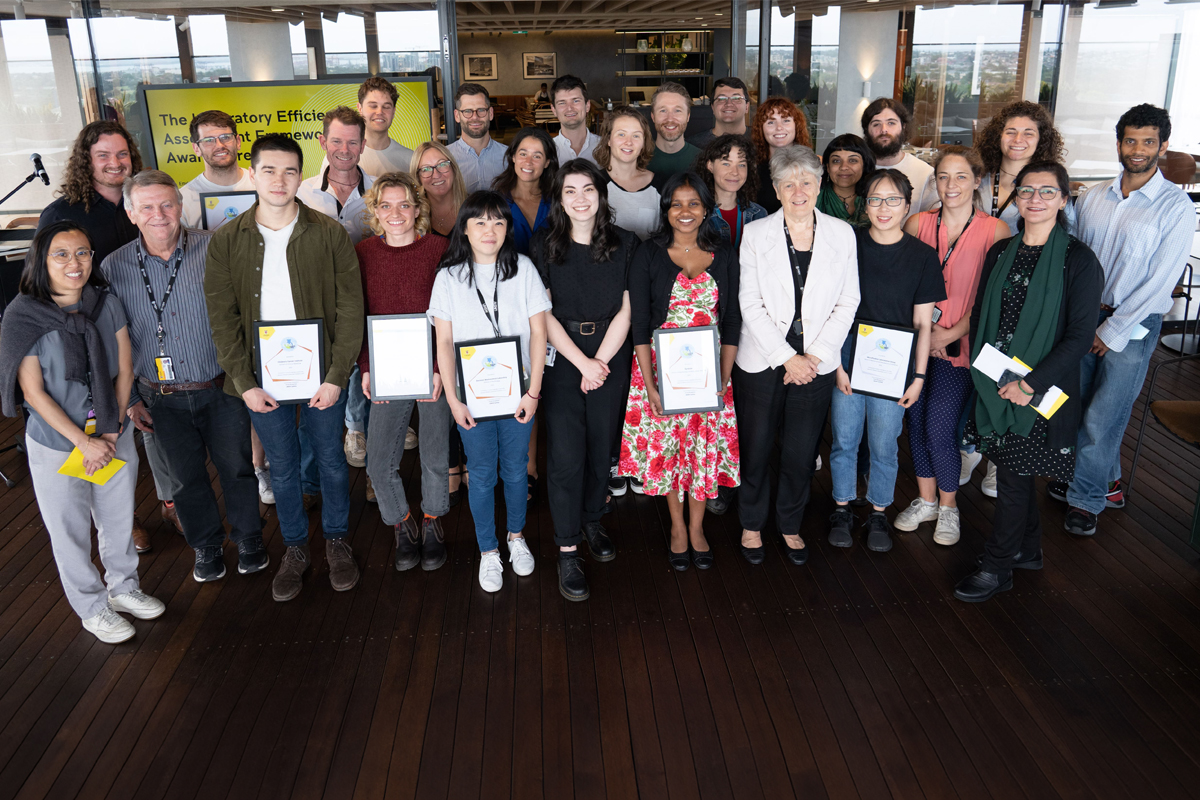
Creating Impact/Winners
Creating Impact/Winners
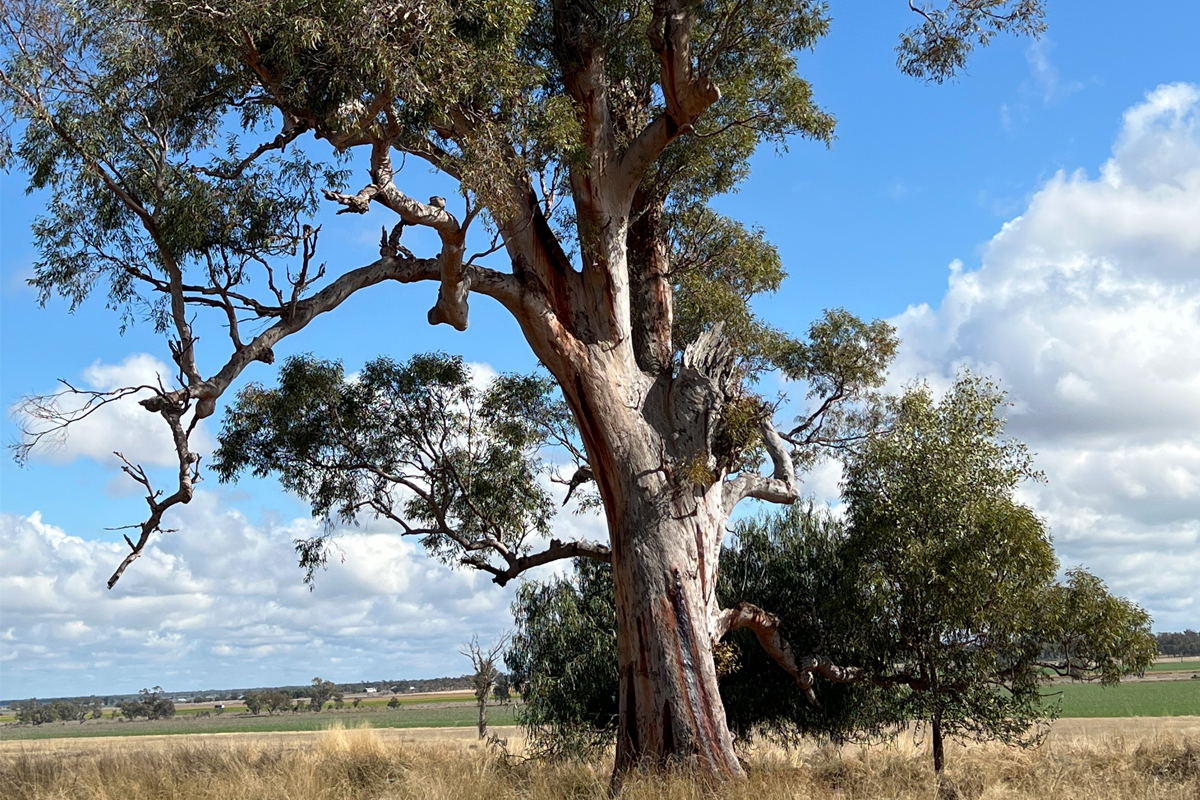
Diversity, Equity & Inclusion in Sustainability/Winners
Diversity, Equity & Inclusion in Sustainability/Winners
Creating Impact
Creating Impact
Next Generation Learning & Skills/Winners
Next Generation Learning & Skills/Winners
Leading the Circular Economy/Winners
Leading the Circular Economy/Winners
Sustainability Institution of the Year/Winners
Sustainability Institution of the Year/Winners
Next Generation Learning & Skills/Winners
Next Generation Learning & Skills/Winners

Sustainability Champion – Staff/Winners
Sustainability Champion – Staff/Winners
Sustainability Champion – Student/Winners
Sustainability Champion – Student/Winners
Next Generation Learning & Skills/Winners
Next Generation Learning & Skills/Winners
Sustainability Champion – Staff/Winners
Sustainability Champion – Staff/Winners
Creating Impact
Creating Impact
Sustainability Champion – Staff/Winners
Sustainability Champion – Staff/Winners
Student Engagement/Winners
Student Engagement/Winners
Creating Impact/Winners category
Species Hotel began in 2016 as a ‘learning by making’ project for first year students in University of Tasmania’s Architecture and Design course. The challenge for groups of students was to design and build a timber structure (mounted on a standard pallet) that would be relocated to the Midlands area of Tasmania to provide habitat for threatened native animals, insects and birds. In particular, many of the species hotel sculptures provide homes for small biota such as native bees, insects, microbats and woodland birds (mostly pardalotes, fantails etc). Right from the beginning, students embraced not only the challenge of providing homes for these creatures, but their desire to create objects of interest and beauty, resulting in a strongly sculptural aspect to the finished objects.
A $5000 Ian Potter grant was all that was available to get the project started and initially it was thought that only one species hotel would be constructed. However, through careful management and due to the availability of materials that could be reused and repurposed, a total of four species hotels were constructed and installed at Ross, Tasmania.
The project was an instant hit with both students (many of whom later reported that it was their favourite project throughout their degree) and the Ross community (ultimately resulting in it being fully incorporated into the village’s tourism infrastructure and promotions). This meant that despite little additional funding being available, another four species hotels were constructed during each of the next three years (at Ross and other locations) using funding from the Architecture and Design budget.
Almost from the outset, the project sought to partner with a wide range of individuals, schools, other parts of UTAS, Aboriginal groups, environmental groups, and the wider community. A key partner at all stages has been Greening Australia, whose technical support has been invaluable, as well as its ability to reach a wide audience in its communications about the project. Opportunities arose for sharing the project’s story in scientific and design journals, mainstream media, conferences, arts festivals, a podcast and through social media (#specieshotel). All of these increased its impact exponentially despite only occasional modest injections of additional funding.
The following diagram (which originally featured in the article “From little things, big things grow: Building connections through place-based education in the Tasmanian Midlands biodiversity hotspot”, by Louise Wallis, Michael Hornblow, Nel Smit, David Mangenner Gough, Kit Wise and Tanya Bailey) communicates the extensive network that developed between the Species Hotel project at UTAS, Greening Australia and the wider community:
In 2020, in the midst of the COVID pandemic, the project actually expanded, with the end of an extended lockdown period giving the subsequent construction session a celebratory tone and resulting in not four, but six structures being built. The program is now a permanent fixture in the Architecture and Design first-year program, with 21 species hotels built (between 2016 and the end of 2022) and direct involvement of almost 600 people.
In addition to the people directly involved, an immeasurable number of people have been influenced by the project through the following articles, events, conference appearances and awards (all of which are listed in the section about the dissemination of information about the ). In terms of the wildlife itself, there is clear evidence that the species hotels are providing valuable habitat, particularly for invertebrates, small vertebrates and birds. Project Coordinator Louise Wallis points out that, ‘I haven’t seen one that doesn’t have some form of habitation … and the best way to tell which ones are the most popular is by the amount of bird poo on them!’* The next step for the project will be formal monitoring of the contribution of the species hotels to biodiversity restoration, an activity that will provide further opportunities for engagement with students in UTAS’ School of Natural Sciences.
Top 3 learnings
Environmental and social benefits
Arguably the biggest environmental and social benefit of the Species Hotel project is that every first year Architecture and Design student since 2016 at the University of Tasmania has commenced their studies with a project of national biodiversity conservation significance that has taught them to consider the impact of their designs on all life forms, not just humans. Along with the other location-specific aspects of the course and UTAS’ overall commitment to sustainability, this means that the project will be contributing to a generation of architects for whom sustainability is front and centre in their consciousness. This will have immeasurable benefit for both the profession of architecture and wider society in terms of the approach these architects and designers take throughout their careers.
The other big environmental benefit of the project is through the protection and enhancement of biodiversity values in Tasmania’s Midlands. Significant numbers of animals, insects and birds are benefitting from the presence of the species hotels. Each year, thousands of visitors to the site at Ross, plus the tens of thousands who visit Agfest (Australia’s largest agricultural field day), where four species hotels are positioned along the event’s entry boulevard), are educated about biodiversity through the species hotels and related interpretive signs and weblinks.
In terms of social impacts, the network of connections that the project has created is extensive (see previous diagram). Interestingly, project coordinators have found intergenerational connections to be really important. For example, dozens of Campbell Town school students have been involved, to the point where some of the students designed their own little biodiversity habitats (in the form of chairs rather than hotels).
Leadership and engagement
This proposal is distinctive from a leadership and engagement perspective in a number of ways, including:
- It demonstrates that the right project can have an enormous impact without requiring staff dedicated specifically to the particular project (in other words, that an ‘off the side of the desk’ project can still be impactful, at least during its establishment phase).
- It shows the importance of projects that have widespread appeal and that capture the imagination of a wide range of stakeholders. This enables much wider networking and therefore greater impact than would be possible with a project that only appealed to a limited range of participants.
- The project encourages ‘ordinary’ university staff to consider similar projects as it has not required high level endorsement or support, instead being run by academic staff within the context of their normal program of activities.
Significance to the sector
The Species Hotel project is distinct in many ways, including:
- Unlike many sustainability projects that have a large impact, it has not required very much funding or even specifically assigned staff
- It has engendered an extraordinary breadth and depth of voluntary involvement
- It has brought together a wide range of people and groups both from within and outside the university
- It has attracted extensive media coverage and resulted in a myriad of opportunities for UTAS to share its message of sustainability with a wide and varied audience throughout Australia and globally
- It is making a real and direct contribution to biodiversity conservation by communicating about the need for habitat generally, as well as providing functioning habit to smaller animals in the food chain.
Wider societal impact
As previously mentioned, the project has involved a large number and variety of groups outside the university.
Another example of how it is impacting wider society is the way four species hotels have been incorporated into the entry boulevard of Agfest, an agricultural field day attended by around 60,000 people annually. Since 2019, including exhibitors and Agfest volunteers, this would mean that many hundreds of thousands of people from all walks of life (but particularly farmers and other people living in rural locations) have been exposed to the Species Hotel project.
Additionally, the creation of the Species Hotel Sculpture Walk at Ross, is ensuring that many thousands more people are learning about the project each year while visiting the village.
Learner/Graduate employer impact
As mentioned, even if only looking at the project from the point of view of graduates of the Architecture and Design course, the value of the Species Hotel project is considerable because the students who have been involved are able to point to project where they have integrated their design skills with sustainability in a real and highly valuable way. The students have also had to work together in a team and with individuals and groups representing diverse disciplines (ranging from science to the arts). The sheer enthusiasm that the project has engendered is also likely to stand students in good stead as they give accounts of their involvement to potential employers.
Supported by
Category finalists
Climate Action/Winners
Climate Action/Winners
Benefitting Society/Winners
Benefitting Society/Winners
Sustainability Champion – Student/Winners
Sustainability Champion – Student/Winners
Creating Impact/Winners
Creating Impact/Winners
Sustainability Champion – Student/Winners
Sustainability Champion – Student/Winners
Leading the Circular Economy/Winners
Leading the Circular Economy/Winners
Creating Impact/Winners
Creating Impact/Winners
Diversity, Equity & Inclusion in Sustainability/Winners
Diversity, Equity & Inclusion in Sustainability/Winners
Creating Impact
Creating Impact
Next Generation Learning & Skills/Winners
Next Generation Learning & Skills/Winners
Leading the Circular Economy/Winners
Leading the Circular Economy/Winners
Sustainability Institution of the Year/Winners
Sustainability Institution of the Year/Winners
Next Generation Learning & Skills/Winners
Next Generation Learning & Skills/Winners
Sustainability Champion – Staff/Winners
Sustainability Champion – Staff/Winners
Sustainability Champion – Student/Winners
Sustainability Champion – Student/Winners
Next Generation Learning & Skills/Winners
Next Generation Learning & Skills/Winners
Sustainability Champion – Staff/Winners
Sustainability Champion – Staff/Winners
Creating Impact
Creating Impact
Sustainability Champion – Staff/Winners
Sustainability Champion – Staff/Winners
Student Engagement/Winners
Student Engagement/Winners